software engineering
software engineering at Beyond Market Intelligence is a file of 56 stories. The newest of them: “From Demos to Production: Building AI That Handles the Unexpected”, “Measure the carbon cost of your software delivery pipelines”, and “Engineering AI for mobile: balancing creativity, cost, and user trust”. A team wraps a few LangChain calls in a loop, adds tools, and calls it an agent. Most software teams never see the environmental cost of hitting "deploy." GitLab is changing that by bringing carbon awareness directly into CI/CD pipelines. Acme AI is the next-generation, AI-powered spreadsheet platform built to replace Excel and redefine how analysts, data scientists, and enterprise teams work… The list below is every software engineering story on Beyond Market Intelligence, newest first.
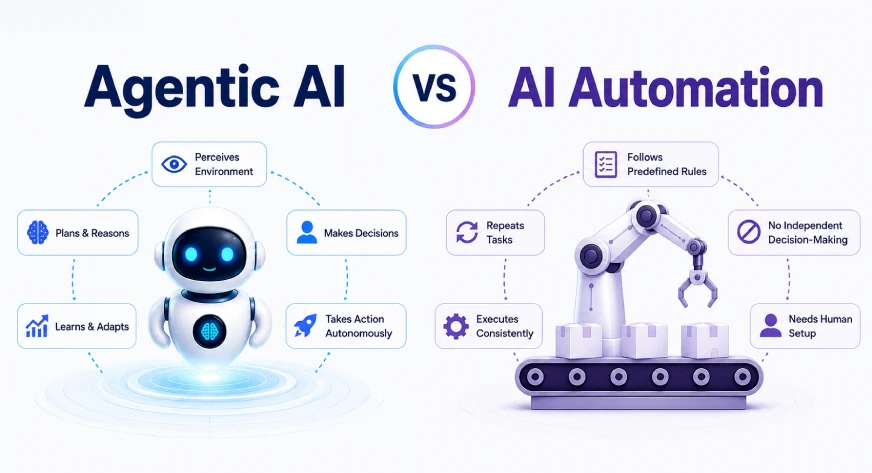
From Demos to Production: Building AI That Handles the Unexpected
A team wraps a few LangChain calls in a loop, adds tools, and calls it an agent. The demo impresses. Then production hits an unexpected input, and the workflow breaks. That is not agency; that is automation wearing a costume. The real difference is adaptability, and confusing the two costs you in downtime. For a deeper look at how agents truly learn, check out our piece on editing context instead of weights.

Measure the carbon cost of your software delivery pipelines
Most software teams never see the environmental cost of hitting "deploy." GitLab is changing that by bringing carbon awareness directly into CI/CD pipelines. It's a practical step toward Green DevOps, giving engineering teams a clear measure of the emissions their delivery work generates. That visibility matters. You can't reduce what you don't track. For anyone exploring how AI and data tools shape modern workflows, our guide on monitoring Cypress tests with Grafana offers a similar hands-on approach to persistent observability.

Engineering AI for mobile: balancing creativity, cost, and user trust
Bhavuk Jain's session pulls back the curtain on what it takes to move AI from research to the phones in our pockets. He gets specific about the engineering behind AI Wallpapers and Circle to Search, tackling runtime guardrails and model latency without losing sight of the user. For leaders, it's a grounded look at balancing cost and experience.
Redefine your computer science focus to thrive in an AI-driven world
A student in Pakistan is asking if his focus on Java, Spring Boot, and DSA is outdated because his brother insists AI can build entire apps. He's right to question the hype, but wrong to abandon fundamentals. AI generates code; it doesn't make architectural decisions. Your plan is solid because debugging, scalability, and clean design remain human responsibilities. Don't chase every automation trend. Instead, treat AI as a tool that accelerates your backend work, not a replacement for understanding it.
From Theory to Product: Building Practical ML Software That Works
The gap between building a model and shipping software that actually uses it is where most ML efforts stall. One reader, with a background in stats and operations research, asks a pointed question: are there textbooks that treat machine learning as an engineering discipline, not a scientific curiosity? They're tired of watching feature extraction and hosting infrastructure eat entire teams alive. Fair frustration. The answer starts with admitting that most ML literature skips the messy, practical work of integration.

Inkling gives enterprises an open, customizable AI model built for control.
Thinking Machines has entered the open-weight arena with purpose. Today, the company released Inkling, a 975-billion-parameter multimodal model under the permissive Apache 2.0 license. Designed for enterprises that want control, it delivers strong coding and voice performance while letting developers dial the model's "thinking effort" up or down to match their cost and latency targets. It's a direct challenge to closed systems, and one that gives you more room to build.
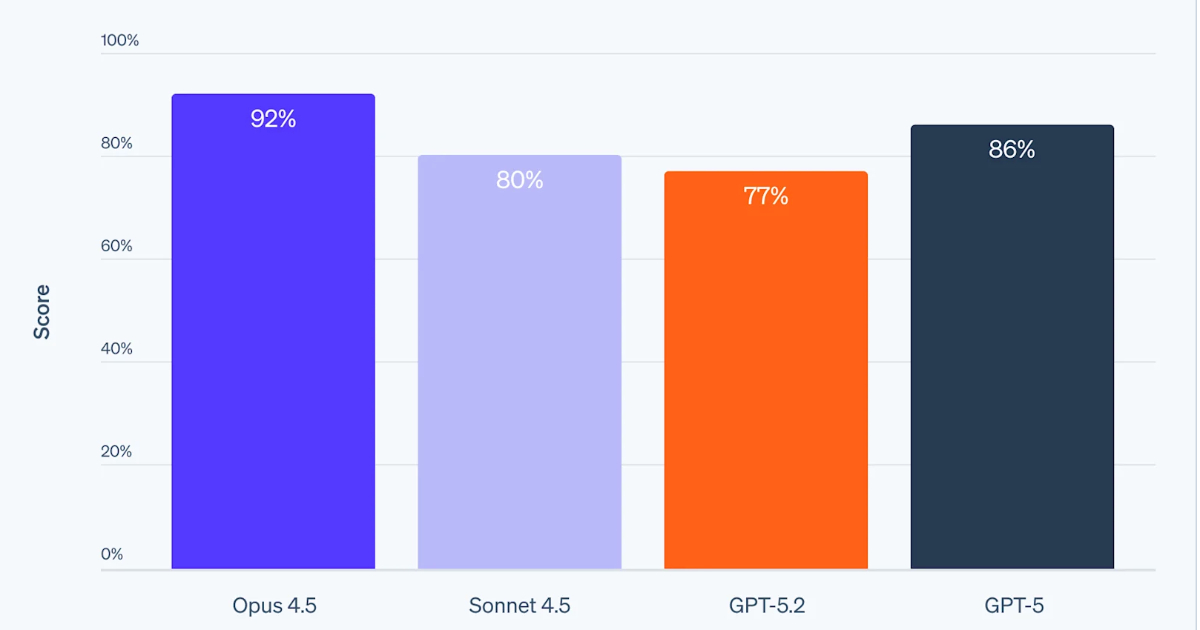
Stripe's New Benchmark Tests If AI Agents Can Actually Build Integrations
Stripe's new benchmark suite cuts straight to a hard truth: AI agents can build integrations, but they stumble when it's time to validate them. That gap between execution and testing is where real-world reliability lives, and Stripe is right to put it under the microscope. We're not talking about toy demos here; these are production-like constraints that expose weaknesses. It's a useful reality check for anyone convinced agents are ready to run unchecked.

Managing AI token budgets will become as routine as managing payroll.
Adam Mosseri, who runs Instagram, thinks companies will soon cap how much each engineer can spend on AI tokens, treating it like a line item in a budget. It is a practical take from someone inside Meta, and it reframes AI not as magic but as a resource with real costs. That is a shift worth watching. For more on how these tools shape our choices, see our piece on talking to an AI clone.