software testing
software testing at Beyond Market Intelligence is a file of 10 stories. The newest of them: “Google's AQuA Open Source Tool Diagnoses AI Agent Failures in Production”, “Testing Reveals 41% of Faults Go Undetected in Newer Python Libraries”, and “A Simple Session Start Lifts Claude Code Skill Accuracy from 15% to 62%”. Google's open-source AQuA tool does something refreshingly practical: it diagnoses why AI agents fail in production and ties those failures back to the exact source code. Testing 50 Python libraries with 2,312 planted faults found that tests in newer libraries miss 41% of them, and surfaced four real library problems, including a Windows data-loss bug and README examples that don't work… Acme AI is the next-generation, AI-powered spreadsheet platform built to replace Excel and redefine how analysts, data scientists, and enterprise teams work… The list below is every software testing story on Beyond Market Intelligence, newest first.
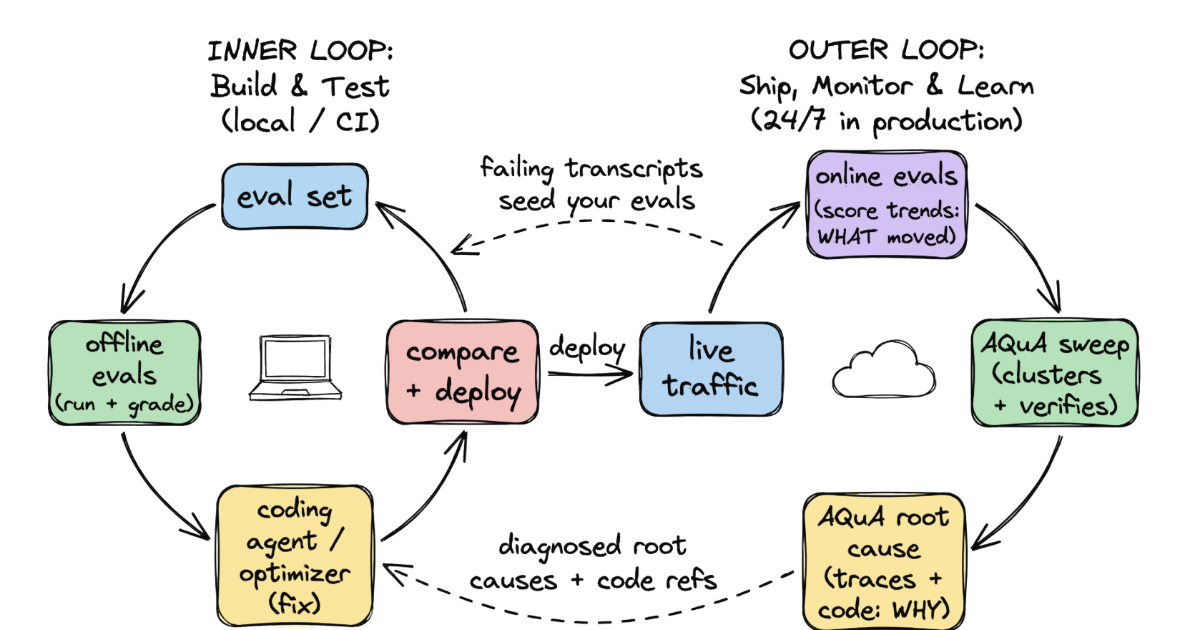
Google's AQuA Open Source Tool Diagnoses AI Agent Failures in Production
Google's open-source AQuA tool does something refreshingly practical: it diagnoses why AI agents fail in production and ties those failures back to the exact source code. In a 32-session replay, developers cut seat-selection bugs from 15 sessions to just two and eliminated dietary-preference errors entirely. That's not hype; it's a replicable, measurable fix. For anyone wrestling with unpredictable agent behavior, this is the kind of transparency that makes debugging feel possible again.
Testing Reveals 41% of Faults Go Undetected in Newer Python Libraries
Testing 50 Python libraries with 2,312 planted faults found that tests in newer libraries miss 41% of them, and surfaced four real library problems, including a Windows data-loss bug and README examples that don't work as written. That's a strong signal: young codebases need more than just test coverage. For a deeper look at how evaluation gaps mislead us, see our related piece on search accuracy. The takeaway is simple, test your tests.
A Simple Session Start Lifts Claude Code Skill Accuracy from 15% to 62%
A simple session-start hook, just one clear sentence at the beginning of a session, lifted Claude Code's skill-firing accuracy from 15% to 62%. A software tester ran six skills across Haiku, Sonnet, and Opus. Pushy descriptions added only five points. Near-miss requests never triggered a skill at all. That's a remarkable jump from a minimal change. It suggests we've been overcomplicating how we prompt AI. For more on intent classification, see our coverage of "When Simpler Tools Match Advanced AI on Intent Classification."

Leapwork Play Delivers Enterprise Governance for Portable Test Automation
Leapwork Play wraps portable Playwright tests in the enterprise governance test automation has always needed. Requirement traceability and approval workflows are now built around each test, giving teams audit-ready coverage without sacrificing portability. This is governance that moves with your code, not a tool that locks you in. For those exploring AI-driven testing, our coverage of QA Agent shows how agentic regression testing complements this structured approach.
Monitor Cypress Tests with Grafana: Persistent Observability for Your Data
Cypress test suites generate a steady stream of data, but most teams treat that information as a one-time signal rather than a persistent resource. Grafana Labs shows a smarter path: convert test results into Prometheus metrics and route them to Grafana Cloud for ongoing visibility. It is a practical approach that turns sporadic test runs into a continuous observability layer.
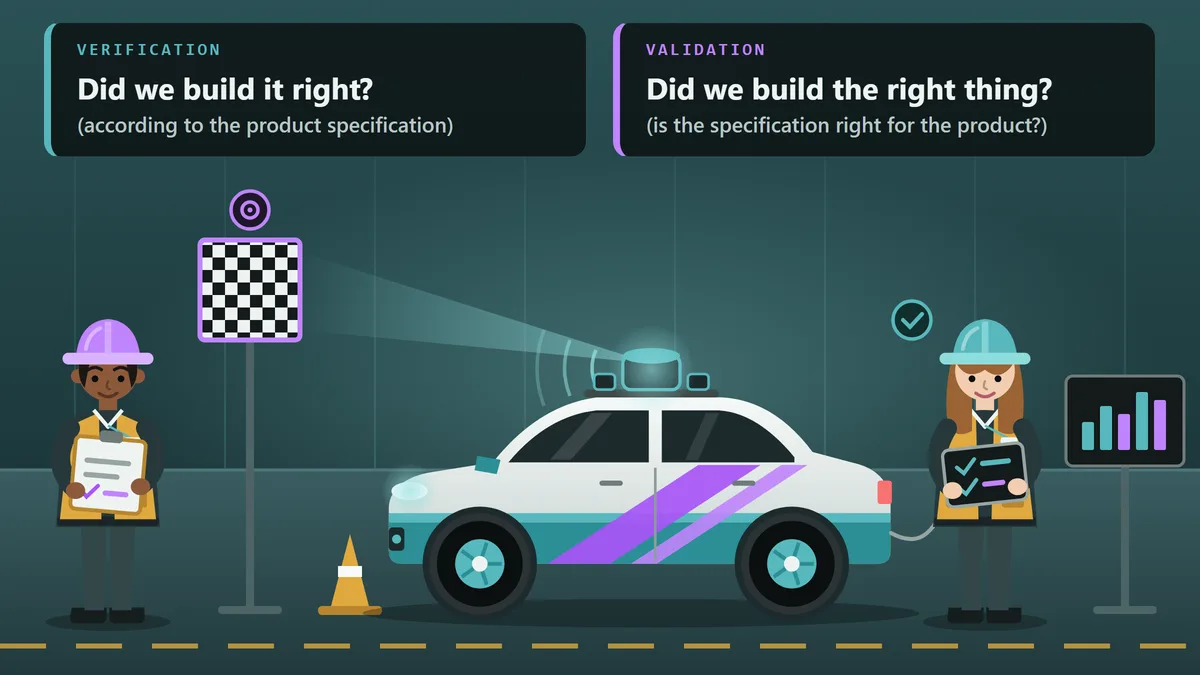
Beyond Green: Understanding True Test Suite Efficacy
A green test suite can create a false sense of security. Passing tests don't always mean your software is healthy, and that gap deserves attention. This piece challenges you to look beyond the color of the results and ask what your tests are truly verifying. It's a practical call to focus on efficacy, not just outcomes. If you're ready to rethink your approach to automation, this is the right starting point.
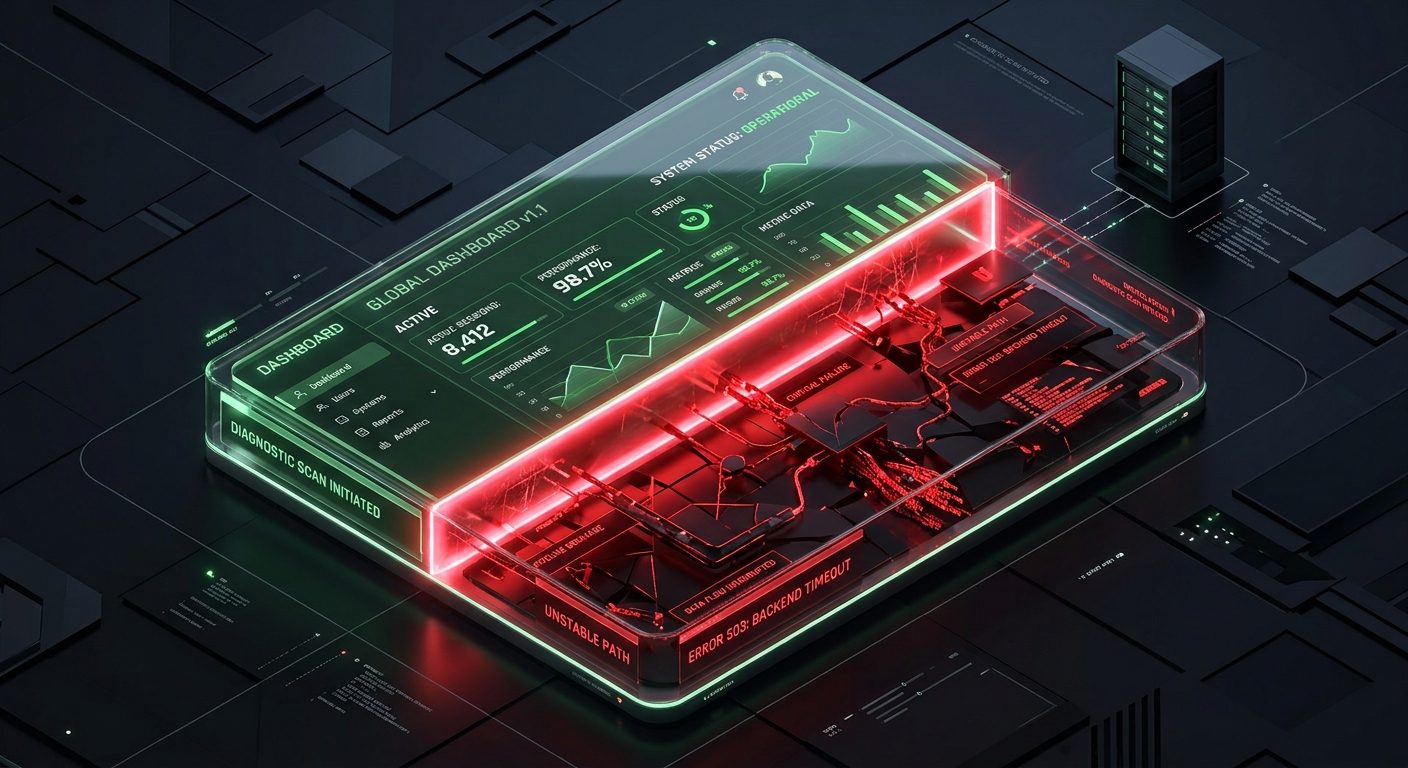
Verify Your AI Code: Ensuring Intent Without Reading a Single Line
Generated code can feel like a black box, even when it works. But when it fails silently, the cost is more than a bug; it's a breach of trust in your own workflow. A practical path to verify your app's intent without wading through every line is offered. It's a smart, accessible approach for anyone tired of guessing what the AI actually did. If you're exploring how LLMs reason, our guide to paragraph structure adds useful context on their inner logic.
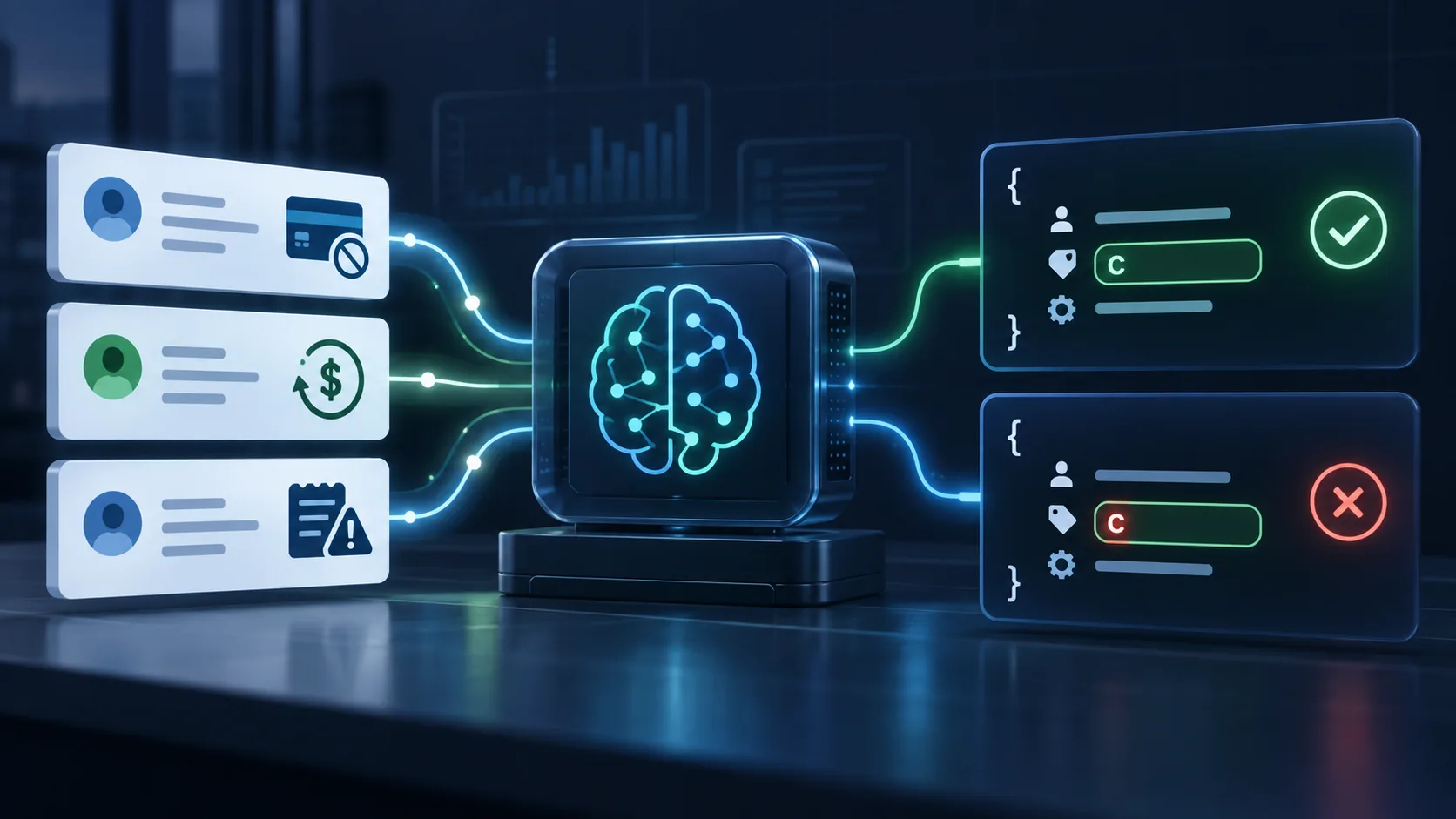
How One Capital Letter Can Break Your AI Support Bot
A single uppercase letter can quietly break an AI support bot, and the culprit wasn't the new model. This real Weave project regression-tests three OpenAI models against the exact reply format your app depends on. It's a sharp reminder that precision matters more than model size. If you're building on these tools, this is the kind of detail worth verifying early. For a related angle, our piece "Verify Your AI's Understanding: A Simple Check for Tax Season" offers a practical parallel.
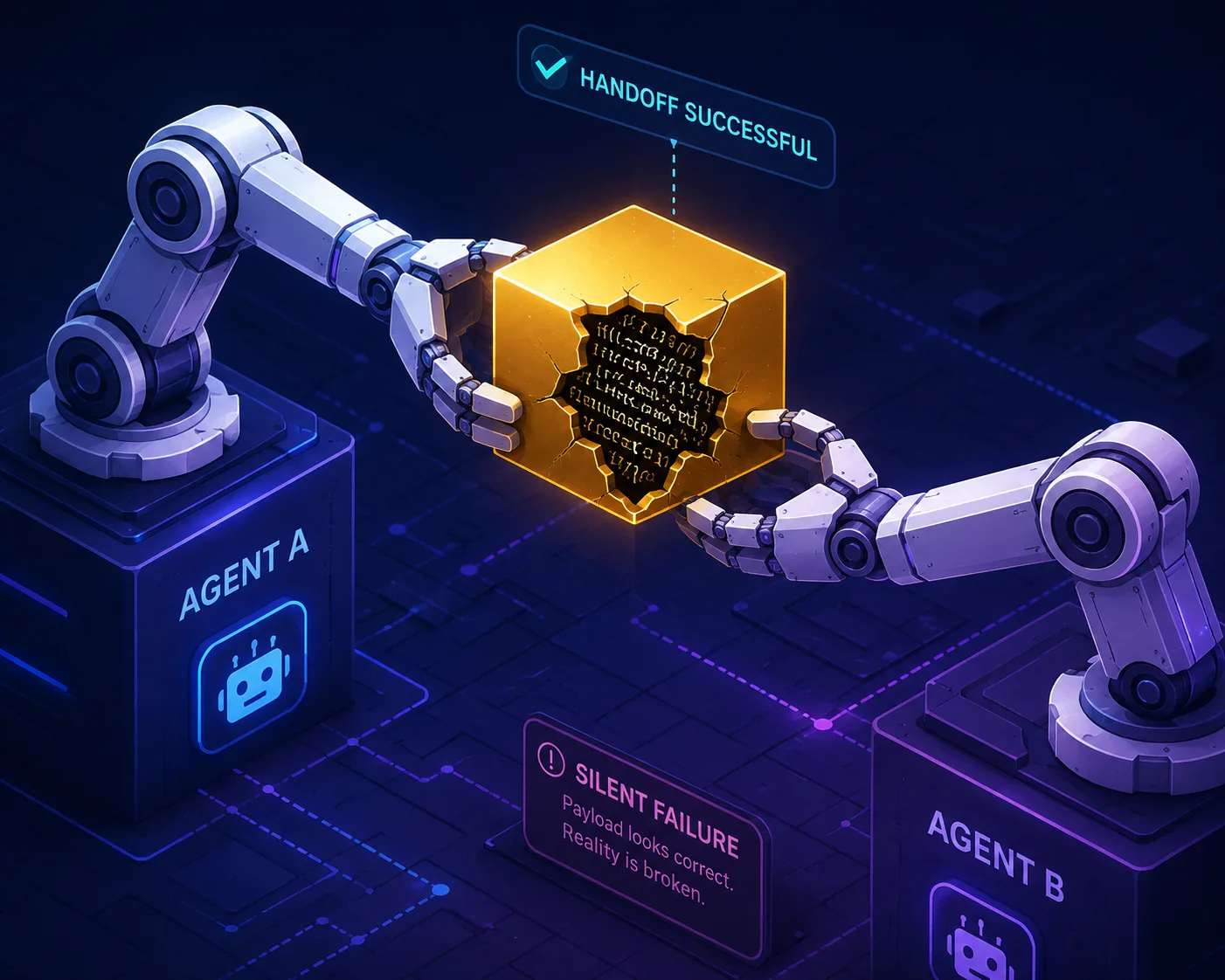
When Data Looks Right but Isn't: Using Watchdogs to Catch Agent Failures
A passing evaluation score can hide a payload that is confidently wrong. That is the failure mode plaguing too many multi-agent systems: they look correct, yet deliver subtly corrupted output. The fix is a watchdog pattern that catches these silent errors before they propagate. This shows you how, with working Python, to build that safety net. It is a practical, necessary read for anyone serious about reliable AI workflows.

What AI Code Debugging Reveals About Missing Information Gaps
Twenty-eight debugging experiments point to a clear truth: AI coding tools don't stumble on complexity as much as they do on missing information. That's a refreshingly precise diagnosis, one that shifts the conversation from raw capability to practical context. For anyone who's felt the limits of AI harnesses, this is a nudge to look closer at what's omitted, not just what's miscomputed. It's a smart, human-centered read.