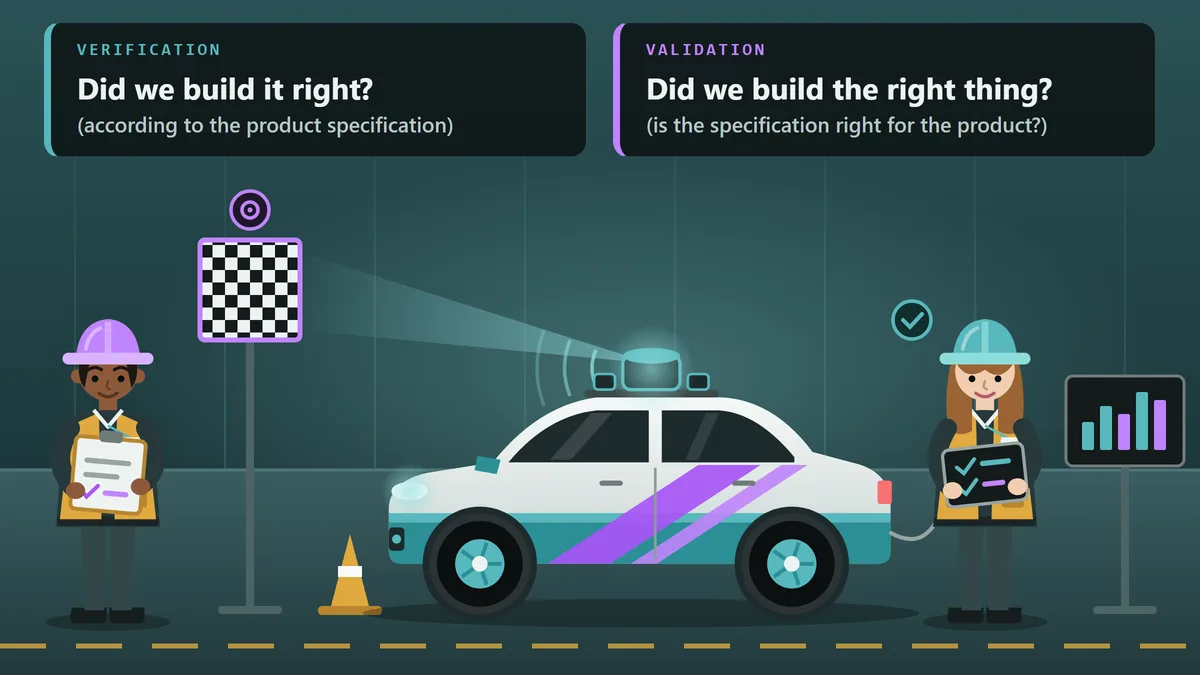
The familiar comfort of a green test suite—a visual confirmation that everything *seems* to be working—can be dangerously misleading. The article "Towards Spec-Driven Test Automation: Part 1" rightly challenges this assumption, highlighting that a passing test suite doesn't necessarily equate to robust or reliable software. It's a critical reminder in an era where rapid development cycles and complex AI integrations are the norm. We’ve seen this echoed in discussions around maximizing the value of coding agent subscriptions Unlock the Full Potential of Your Coding Agent Subscriptions, where ensuring the underlying code quality is paramount to realizing the promised efficiencies. The core issue isn’t the tests themselves, but rather *what* those tests are verifying and how they’re structured. Traditional test suites often focus on surface-level functionality, easily tricked by superficial changes that don't address underlying logic flaws or edge cases. This superficiality is particularly concerning as we increasingly rely on AI-powered tools and integrations, where nuanced behavior and unexpected interactions are more likely to occur.
The shift towards spec-driven test automation, as advocated in the article, offers a powerful corrective. This approach emphasizes defining clear, concise specifications—essentially, concrete expectations of how the software should behave—and then building tests directly from those specifications. This process inherently forces a deeper understanding of the system's intended functionality and minimizes the risk of tests becoming brittle and easily bypassed. Furthermore, the rise of tools like MCP, as detailed in "Unlocking MCP: A Visual Guide to Empower Your Workflow" [/post/unlocking-mcp-a-visual-guide-to-empower-your-workflow-cmufudlhh04214yswy8z3t3n7], which facilitates integration with platforms like Claude Code and Playwright, provides a tangible pathway for implementing spec-driven testing within modern development pipelines. The ability to visually map and automate workflows based on defined specifications is a significant step forward in ensuring code reliability, especially when dealing with the complexities of AI voice applications, where nuances in output can be critical, as discussed in "Transparency in AI Voice: ElevenLabs CEO on Disclosure and the Future" [/post/transparency-in-ai-voice-elevenlabs-ceo-on-disclosure-and-th-cmufuhymy045l4yswoss0gmwb].
The implications of this shift extend beyond simply reducing bugs. A robust, spec-driven testing strategy fosters a culture of clarity and accountability within development teams. By explicitly defining expectations upfront, it minimizes ambiguity and encourages a shared understanding of the system's behavior. This, in turn, leads to more maintainable code, easier debugging, and a greater confidence in the overall quality of the software. The focus moves from simply "passing the tests" to ensuring the tests genuinely reflect the desired functionality, driving a more holistic approach to software development that prioritizes long-term reliability and adaptability. It’s a move away from reactive testing, addressing issues as they arise, towards a proactive approach that anticipates and mitigates potential problems from the outset.
Ultimately, the move towards spec-driven test automation represents a necessary evolution in software development, particularly as we navigate the increasingly complex landscape of AI-powered applications. The green test suite will remain a visual indicator, but its meaning will be redefined – no longer a complacent sign of success, but a confirmation that the system is demonstrably aligned with clearly defined and rigorously tested specifications. The question now becomes: how effectively can organizations embrace this paradigm shift and equip their teams with the tools and processes necessary to build truly reliable and future-focused software?