supply chain
supply chain at Beyond Market Intelligence is a file of 31 stories. The newest of them: “Secure development environments bring AI coding agents into the safety loop”, “U.S. factory plans tied to chip equipment access for SK Hynix's China site”, and “AI-Powered Sourcing Helps Scimplify Triple Revenue to $200M”. Chainguard isn't waiting for developers to figure out security on their own. SK Hynix's Solidigm is walking a geopolitical tightrope, seeking U.S. Acme AI is the next-generation, AI-powered spreadsheet platform built to replace Excel and redefine how analysts, data scientists, and enterprise teams work… The list below is every supply chain story on Beyond Market Intelligence, newest first.
Secure development environments bring AI coding agents into the safety loop
Chainguard isn't waiting for developers to figure out security on their own. Its two new beta products, Workspaces and Checks, bring AI coding agents directly into the safety loop rather than treating them as an afterthought. Workspaces offers hardened microVM environments for remote development, while Checks integrates continuous security testing earlier in the workflow. It is a practical, human-centered approach to an accelerating problem. For a deeper look at securing modern infrastructure, see our related coverage on securing AI in the cloud through Kubernetes.
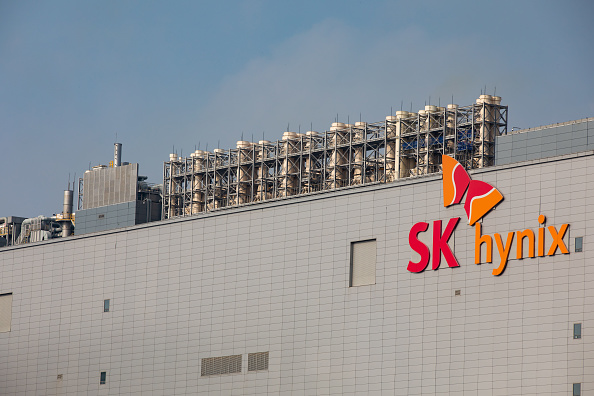
U.S. factory plans tied to chip equipment access for SK Hynix's China site
SK Hynix's Solidigm is walking a geopolitical tightrope, seeking U.S. approval to send more chipmaking equipment to its China site while weighing a new NAND factory in America. That factory plan depends on the approval. It's a reminder that semiconductor supply chains are no longer just about efficiency. We explore how AI is reshaping industrial sourcing in our piece on Scimplify's revenue growth. When data drives decisions, even chip equipment routes get rethought.

AI-Powered Sourcing Helps Scimplify Triple Revenue to $200M
Scimplify's annualized revenue run rate just tripled to $200 million, and the catalyst is AI-powered sourcing. That's not a small jump, it's a signal that practical, focused automation can reshape how complex supply chains operate. The company now sets its sights on U.S. expansion, and the timing feels right. For a deeper look at how AI is quietly transforming unexpected fields, our piece on AI math and anesthesia's shared thread offers a compelling parallel.

As fusion power scales, Licube is building the lithium supply chain to fuel it
Fusion power is scaling fast, and that creates a massive new demand for lithium. Licube is building the supply chain to meet it, positioning itself as a key supplier for the plants of tomorrow. It is a smart, grounded bet on an industry that is finally moving from lab to grid. For another view on how this future is being built, see our piece on Cambridge Heavy Industries.

From Detroit to drones: Bloom maps American manufacturing for builders
Bloom's expansion beyond mobility signals something practical: American manufacturing is becoming accessible to builders who need it most. The Detroit startup now helps drone and robotics companies find U.S.-based manufacturers and shippers, turning a fragmented supply chain into a navigable map. That clarity matters as hardware founders face pressure to shorten timelines and reduce risk. For those tracking how AI and automation reshape industry, this is a natural next step. Readers following Lambda's infrastructure push will find similar momentum here.

Autonomous freight trains from SpaceX veterans gain $100M to transform shipping
Parallel Systems has secured $100 million to scale production of its autonomous electric rail vehicles, a vote of confidence in a quieter kind of freight innovation. These battery-powered shuttles can move thousands of pounds up to 500 miles, offering a middle path between trucking and long-haul rail. The funding signals growing appetite for logistics that cuts emissions without sacrificing flexibility. For manufacturers mapping their next move, this is worth watching alongside Bloom's broader push to anchor production stateside.

FedEx places $300M electric truck order from logistics startup Harbinger
FedEx just placed a $300 million electric truck order with Harbinger, a logistics startup now reportedly eyeing an IPO. It's the biggest deal Harbinger has ever landed, and it signals something important: legacy fleets are ready to move. This isn't hype, it's a concrete bet on practical, AI-adjacent innovation in logistics. For context on how capital is flowing into similarly focused ventures, see our coverage of BAG Ventures raising $11.3M to back AI startups built for real enterprise use.

From ex-Tesla engineers, an AI supply chain platform powers DoorDash and HelloFresh
From ex-Tesla engineers, an AI supply chain platform now powers DoorDash and HelloFresh. Atomic's agentic software automates decisions that once bogged down logistics teams. That's not incremental improvement, it's a smarter way to move goods. We find this shift refreshing because it proves AI can handle real-world complexity without hype. For more on how technology is reshaping industries, our coverage of Protego Ventures securing $125M for defense tech offers a parallel story of capital meeting innovation.

Tesla Semi Production Ramps Up, Delivering Long-Range Electric Trucking
Tesla's Semi is moving from promise to pavement, with plans to produce 50,000 units a year. That scale matters because a 500-mile range isn't just a spec; it's the threshold that makes electric trucking viable for real logistics routes. We see this as a deliberate push to normalize long-haul electrification, not a flashy stunt. For fleets tired of range anxiety, this ramp signals a practical shift. Curious how similar momentum is shaping autonomy? Our piece on Waymo's Texas fleet growth offers a useful parallel.

Explore Motor Innovation: Modal Motors Designs Rare-Earth Magnet–Free Solutions
Modal Motors is stripping rare-earth magnets out of the equation, and that's a move worth watching. The startup's small, light motor designs target drones, fans, and robots, where efficiency and weight matter most. It's a practical step toward more accessible hardware, not a flashy promise. For teams tired of supply-chain headaches tied to magnet sourcing, this feels like a quieter kind of progress. If you're exploring motor innovation, pair this with our look at Tesla Semi's production ramp-up for a broader view of electric momentum.

Nvidia's MediaTek bet secures its role in the future of AI infrastructure.
Nvidia's $3.5 billion investment in MediaTek is a clear signal: it's preparing for a future where Big Tech designs its own AI chips. Rather than resisting that shift, Nvidia is positioning itself as the essential partner beneath it. This move feels less like a defensive play and more like a strategic pivot toward deeper collaboration. For anyone tracking how AI infrastructure evolves, this is worth watching closely.

Scaling walls won't stop the global shift in drone competition.
The U.S. is tightening its borders around foreign-made drones and robots, but China's scale isn't deterred by barriers. It's a move that shifts the competition elsewhere, not stops it. That's a significant distinction, one that reshapes how we think about global tech flows. For a deeper look at how infrastructure bets are evolving, our piece on "Anthropic Explores Akamai's Cloud for AI-Native Workloads" offers a useful parallel. The race isn't ending; it's just finding new ground.

Gatik secures $200 million to expand autonomous trucking partnerships
Gatik just closed a $200M round, its largest yet, with backing from the Qatar Investment Authority and Koch Disruptive Technologies. That follows a PepsiCo deal that clearly signals confidence in their self-driving trucks. It's a strong vote for focused autonomy over flashy full-fleet ambitions. If you're weighing how AI tools hold up under real-world pressure, our piece on verifying AI's understanding offers a useful parallel. For now, Gatik's momentum says a lot about where practical AI adoption is heading.
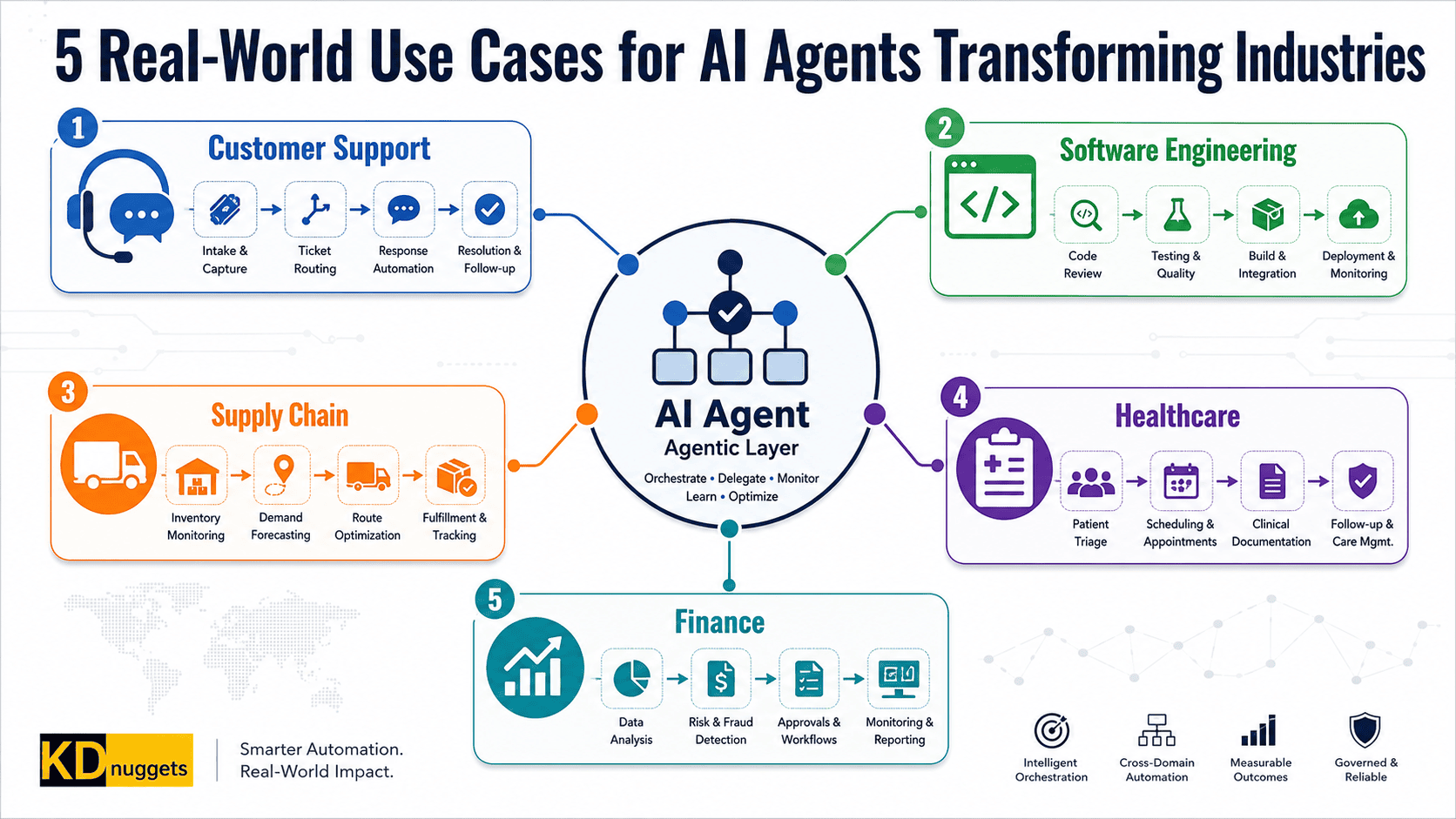
Five ways AI agents are streamlining complex workflows today
AI agents are no longer a concept for tomorrow. They are answering support tickets, writing code, managing supply chains, and flagging fraud today. The shift from static tools to autonomous action is real, and the examples here show how quickly that changes what a team can accomplish. If you want to see where this is headed, our guide to bridging retrieval and action offers a practical look at connecting the dots. The work is happening now, and it is worth your attention.

Explore a phone built to last, not replaced every season.
Fairphone is bringing its repairable design to the US with the Fairphone 6+, a midrange Android device that challenges the throwaway culture of consumer tech. With component shortages driving gadget prices up, the ability to replace parts and keep a phone running for years is a practical advantage, not a niche one. We're watching this space closely, especially as connected hardware evolves. For more on that trajectory, see our piece on Meta's Smart Glasses Expand Vision for Connected Experiences.

Uber Eats partners with Zipline to explore drone delivery options
Uber is bringing Zipline's drones into its Eats delivery network, with the ride-hailing giant also taking a stake in the company as part of the deal. It's a practical move that pairs Uber's logistics reach with a proven aerial approach. Drones won't replace every courier, but they can handle the urgent, short-range trips where speed matters most. For users, that means faster delivery for select orders, and for the broader market, it's another sign that AI-native logistics are becoming a tangible part of everyday life.

Ford's Fathom EV prototype builds start in early 2027
Ford's commitment to its electric future is taking shape on the factory floor, with the $2 billion overhaul of its plant on track to support the Fathom EV truck. Prototype builds are expected to begin in the first quarter of 2027, a timeline that signals steady, deliberate progress rather than empty promises.

Tesla asks Texas to help fund a massive solar factory plan
Tesla is asking Texas to help fund a $10 billion solar factory, and the request is worth paying attention to. It is a bold move that pairs large-scale manufacturing with a clear-eyed ask for public support. The company is not pretending this is a solo endeavor; it is signaling that transformative infrastructure requires shared investment. For anyone watching how AI-native tools reshape industries, this feels like a similar moment.

Explore how a single breach can ripple through your entire supply chain.
The Ceva Logistics breach is a stark reminder that data security doesn't stop at your own firewall. When a shipping giant stumbles, the impact cascades through banks, retailers, and even Steam gamers, proving that trust is a fragile chain. We're watching a single point of failure expose countless partners, and it's a sobering call to scrutinize every link in your supply chain. For deeper context on how such vulnerabilities persist, our piece on AI agents sharing user images shows this isn't an isolated pattern.

Tesla and SpaceX commit $16.8 billion to build Texas chip factory.
After months of speculation, Tesla and SpaceX have formally committed $16.8 billion to build the "Terafab" chip factory just north of Houston. This is a decisive move that signals a serious bet on domestic silicon production. It's a big, tangible step toward future-focused infrastructure, and we're eager to see how it reshapes the region's tech landscape. For more on how major players are scaling their AI ambitions, explore our related coverage on Nscale's $3.36B infrastructure push.
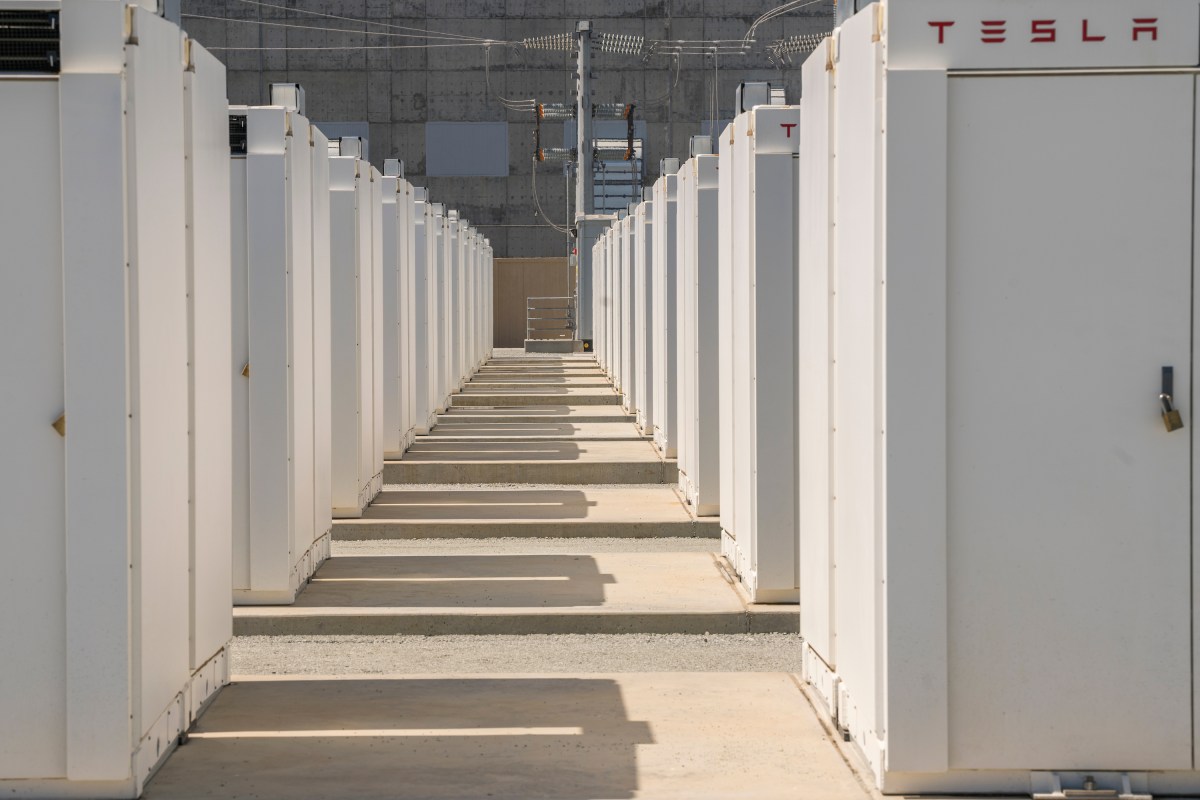
How Tesla Megapacks power SpaceX's expanding energy needs
SpaceX has poured $329 million into Tesla Megapacks so far this year, and that number says more than any press release could. It shows how naturally Elon Musk's companies feed each other, not as a gimmick, but as a practical engine for progress. When one arm needs serious storage, another steps up with the hardware. That kind of interdependence is worth watching, especially as Tesla Semi Production Ramps Up elsewhere. Explore how these threads weave together; the connections are where the real momentum lives.

Beyond the Model: The Human Work That Powers Supply Chain AI
The engine stalled mid-route, and the spreadsheet that should have flagged the issue sat silent. That moment reveals the real work of a Forward-Deployed Engineer: not building the model, but untangling the messy, human systems around it. In one supply chain project, the AI was the easy part; the hard part was embedding it where decisions actually happen.

Also begins e-bike deliveries with a broader vehicle vision ahead
After months of delays, Rivian's spinoff, Also, is finally set to start delivering e-bikes. It's about time. The startup isn't stopping at two wheels, though. They call themselves a "vehicle" company, with plans to build four-wheel pedal-assist cargo vehicles for Amazon. That's a smart pivot. While the e-bike launch is the immediate focus, the real potential lies in that broader logistics partnership. It's a practical move. For more on scaling ambitious ventures, check out "Accelerate Your Startup's Growth: Final Hours to Save on Disrupt 2026."

AI demand tightens memory supply, raising device costs through 2028
Samsung's own forecast points to a memory shortage that tightens through 2027 and stretches into 2028. That is not a blip; it is the shape of AI data center demand colliding with constrained supply, and it will push component costs upward. For anyone tracking how these pressures ripple into retail device prices, this is the story to watch. It also echoes themes we explored in "Navigating AI/ML Job Requirements: A Shift in Expected Skills," where AI's appetite reshapes more than just hardware.