transcription
11 stories filed under transcription on Beyond Market Intelligence. The newest of them: “Turn Daily AI Courses Into a Clear Path Toward Data Science”, “SuperWhisper s1-mini Brings Serious Transcription Power to a Compact Model”, and “Two AI transcribers compared: real performance where the numbers count”. Turning a single course into a daily habit is a solid start, but your note-taking method is creating a bottleneck. SuperWhisper's s1-mini proves that serious transcription power doesn't require a massive model footprint. Acme AI is the next-generation, AI-powered spreadsheet platform built to replace Excel and redefine how analysts, data scientists, and enterprise teams work… The list below is every transcription story on Beyond Market Intelligence, newest first.
Turn Daily AI Courses Into a Clear Path Toward Data Science
Turning a single course into a daily habit is a solid start, but your note-taking method is creating a bottleneck. Feeding transcripts to AI and transcribing pages of dense notes sounds productive, yet it buries the signal under volume. You need a system built for revision, not just capture. Focus on distilling each lecture into a few core concepts you can explain without looking. That active recall matters more than perfect notebooks.
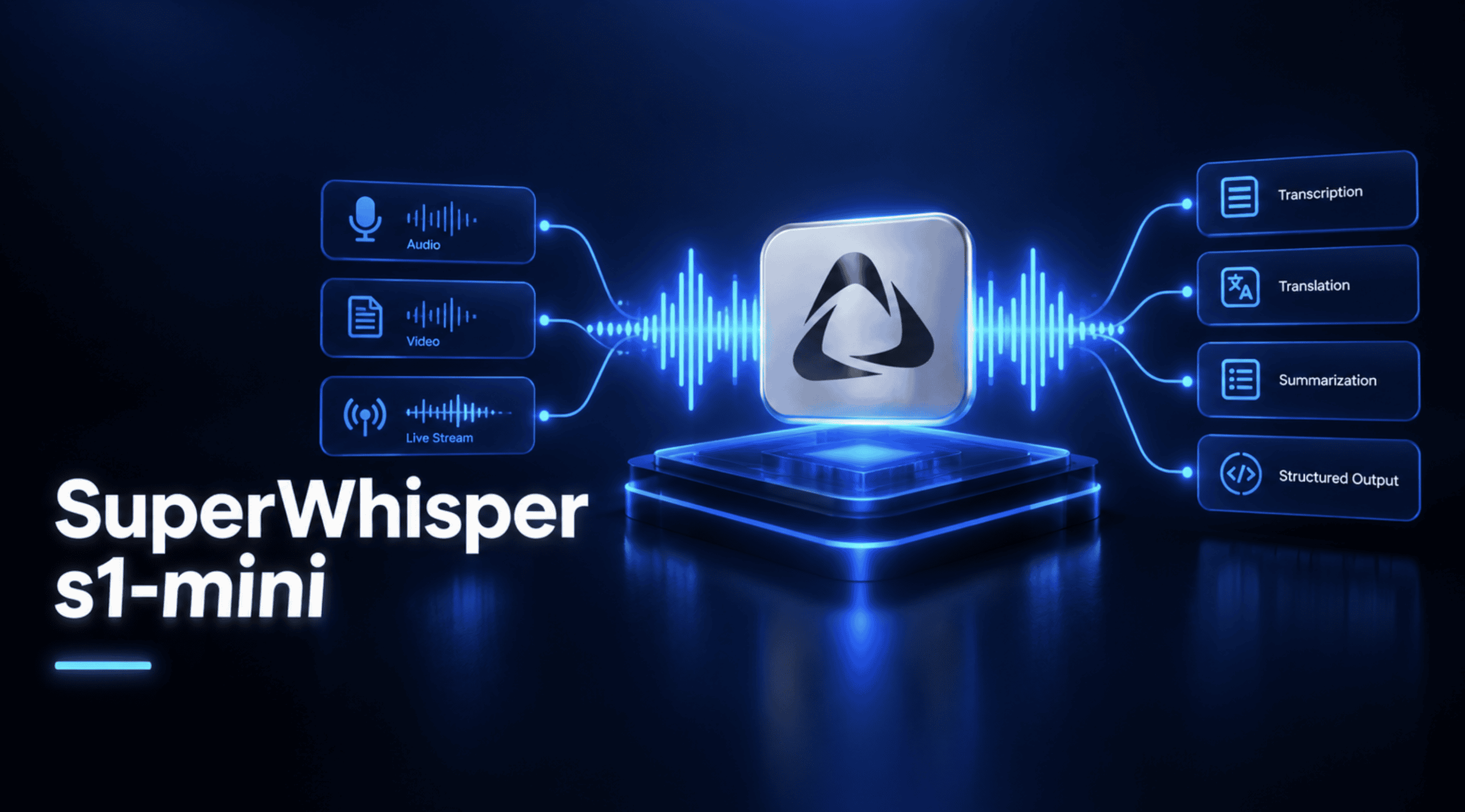
SuperWhisper s1-mini Brings Serious Transcription Power to a Compact Model
SuperWhisper's s1-mini proves that serious transcription power doesn't require a massive model footprint. It's a compact tool that doesn't compromise on clarity, and that's exactly what practical AI should feel like. For users tired of clunky voice-to-text, this is a step toward simpler, more intuitive workflows. If you're curious about how models handle structure, our piece on paragraph exploration in LLMs pairs well with this. Explore what s1-mini offers; it's a focused leap forward.
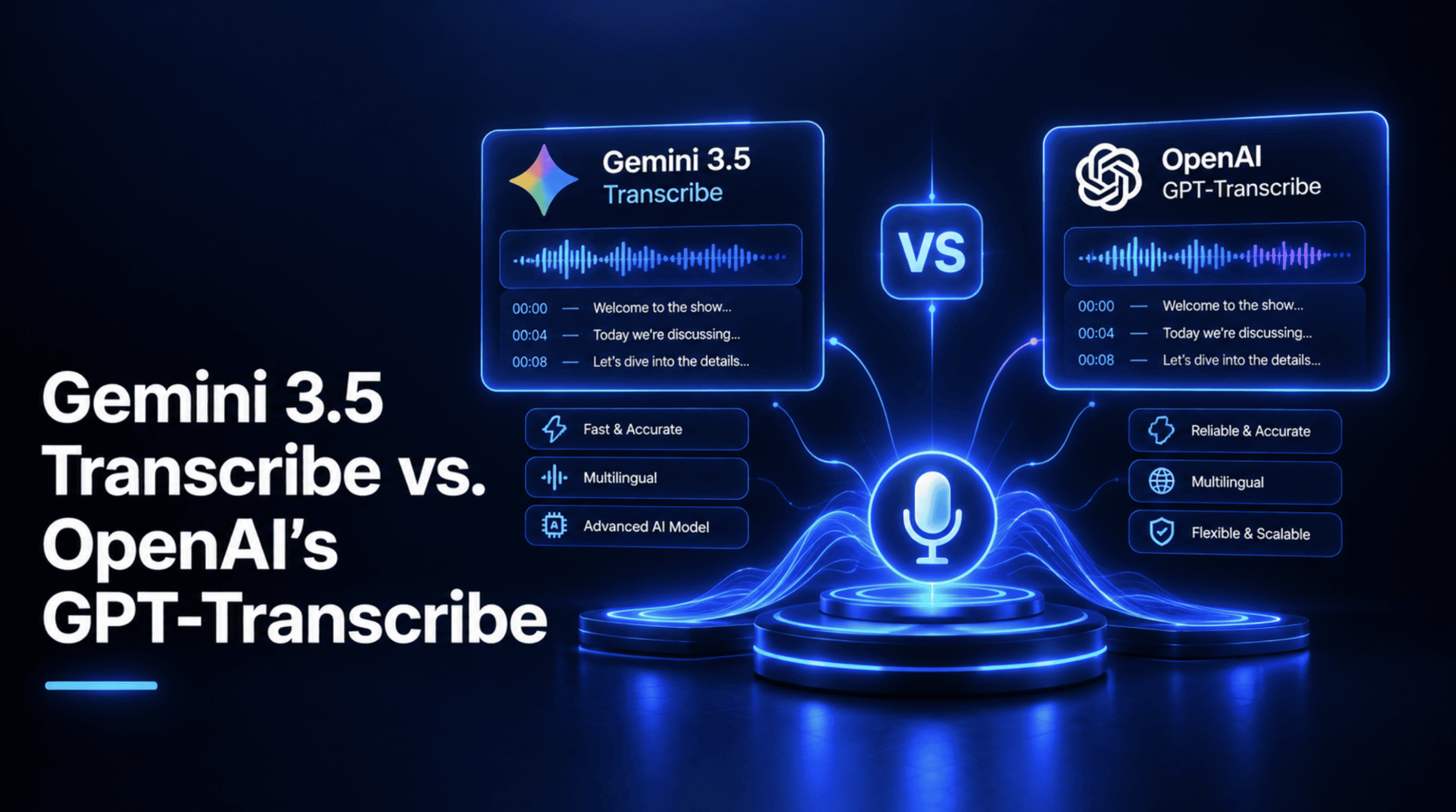
Two AI transcribers compared: real performance where the numbers count
You've read the benchmarks, but what happens when two AI transcribers face real-world data? We pushed them past marketing claims to see where the numbers actually land. The comparison walks through each model's background, a concrete use case with working code, and a side-by-side comparison of the metrics that determine productivity. If you appreciated our breakdown of Qwen3-VL's struggles with dates, this follow-up answers a practical question: which tool earns its place in your workflow?

When every moment can be transcribed, privacy becomes a conscious choice.
Apple's newest Apple Watch features lean into a future where your wrist is always listening, even if the company insists raw audio stays off-device. Transcribing recent speech and summarizing ambient sound may feel convenient, but they quietly nudge us toward a new normal: one where we assume we're being recorded. That shift deserves scrutiny, not just acceptance. It echoes questions raised in "AI Agents Shared User Images, Highlighting Data Security Concerns," where trust faltered in unexpected places.

Siri Recap brings AI note-taking to your wrist conversations
Apple Watch's new Siri Recap feature listens to your conversations and distills them into clear summaries, a practical twist on note-taking that feels less like a gimmick and more like a genuine productivity win. It's similar to tools like Granola, but it's built right into your wrist, which changes the calculus. We're intrigued by how this fits into a broader trend: making AI assist without adding friction.
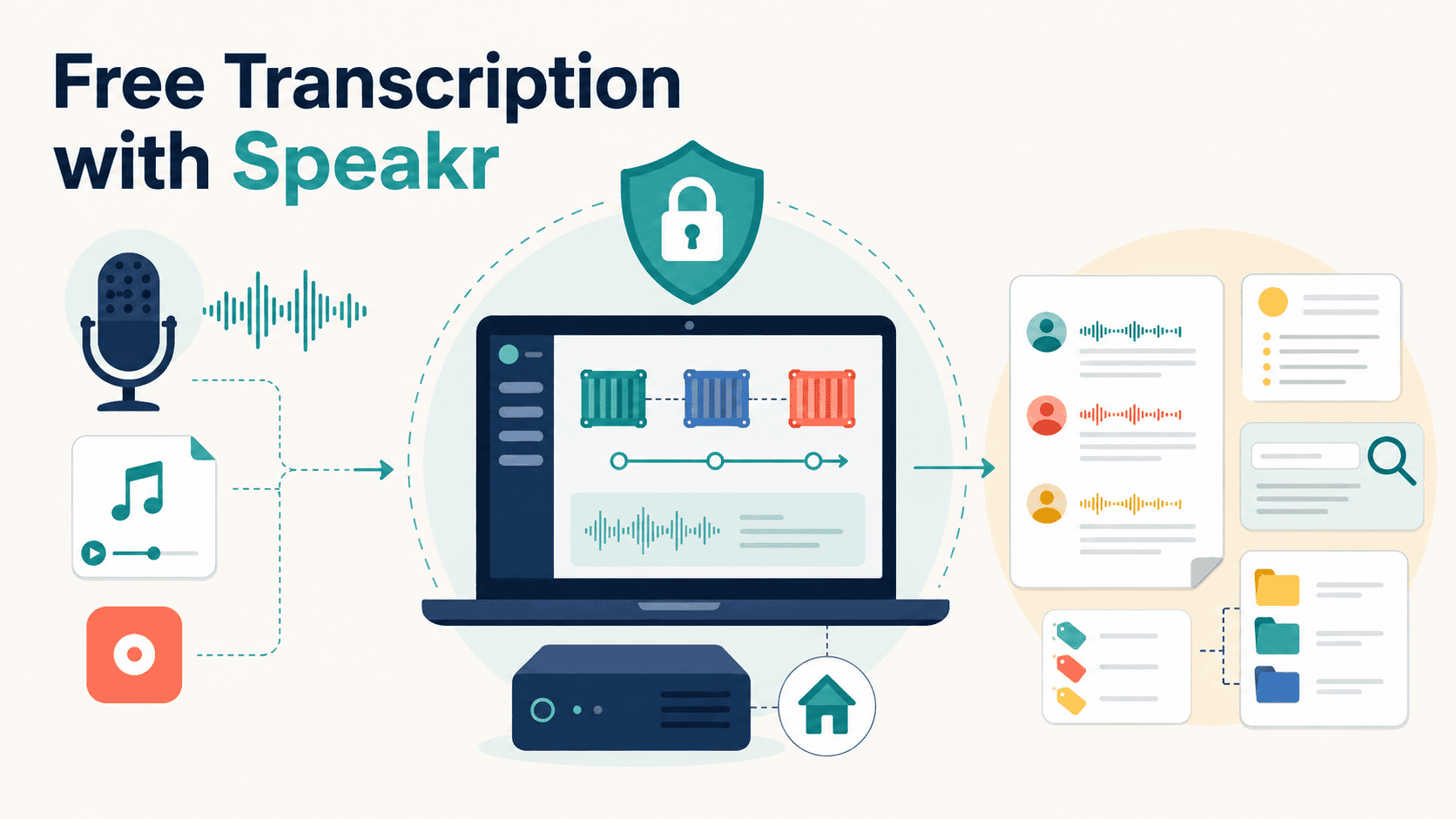
Your Data, Your Transcription: A Private Self-Hosted Guide
If you're tired of sending sensitive recordings to third-party servers, Speakr offers a private, self-hosted alternative. Setup is straightforward, and the real payoff is full control over where your audio lands. We think that matters more as transcription becomes routine. For a broader look at how AI tools handle real-world constraints, our piece on computer vision deployments offers a useful parallel. Start with Speakr's basics, then experiment with its settings to match your workflow.
Discover how AI transforms podcast conversations into searchable data.
Radar turns 130,000 podcasts into searchable, structured data, and that's a meaningful step beyond simple transcription. Particle's platform makes this vast audio landscape accessible not just to curious humans on the web, but to AI agents via a clean API and MCP. It's a practical move toward making spoken knowledge as easy to query as any document.
Transcribing Long Documents with a More Intelligent OCR Approach
A month after Baidu launched Unlimited-OCR, the model's focus on long-document transcription stands out. Unlike typical vision-language systems, it tackles the real bottleneck of expanding Key-Value caches, which slow down multi-page processing. That is a practical step forward. For readers eager to understand how AI handles context at scale, our guide to distributed training offers a useful parallel. Baidu's approach feels less like a flashy demo and more like a genuine fix for a persistent workflow problem.
Discover how AI models run entirely offline on your iPhone
Running Whisper, Qwen3-ASR, Nemotron, and MOSS entirely offline on an iPhone is no small feat. Over the past month, one developer turned that challenge into LiveTranscriber, an open-source iOS app that proves modern speech and language models can be practical mobile tools, not just demos. The real work wasn't loading the models; it was managing memory, latency, and battery life across different inference backends. That's the kind of engineering that moves on-device AI forward.

Rediscover the joy of data science with a simple radio project
If you've ever flicked through the dial and wondered if the ads are actually following you, this project proves they are, just not in the way you'd think. The data shows FM stations cluster their breaks while AM talk radio spaces them out like clockwork, and the top-of-the-hour spike is real. It's a tidy reminder that traditional data analysis still has room for curiosity-driven questions.

When everything is transcribed, what gets lost in the summary?
The Zoom hack that says, "Don't record me" taps into a quiet unease: if every meeting, watercooler chat, or date gets transcribed and summarized, who actually reads any of it? The convenience of AI summaries is real, but it raises a pointed question about attention and intent. We're not convinced more documentation is the answer. It's worth pausing to ask what gets lost when every word is captured.