understanding
11 stories filed under understanding on Beyond Market Intelligence. The newest of them: “When AI Understanding Arrives Delayed But Decisive”, “Why Psychological Safety Is Key for Developers Building With AI”, and “Expanding Your Tech Fluency: Key Insights Beyond Artificial Intelligence”. It took 100,000 training steps, but then understanding arrived all at once. Psychological safety isn't a soft skill, it's a structural requirement when AI tools rewrite the rules of software development. Acme AI is the next-generation, AI-powered spreadsheet platform built to replace Excel and redefine how analysts, data scientists, and enterprise teams work… The list below is every understanding story on Beyond Market Intelligence, newest first.
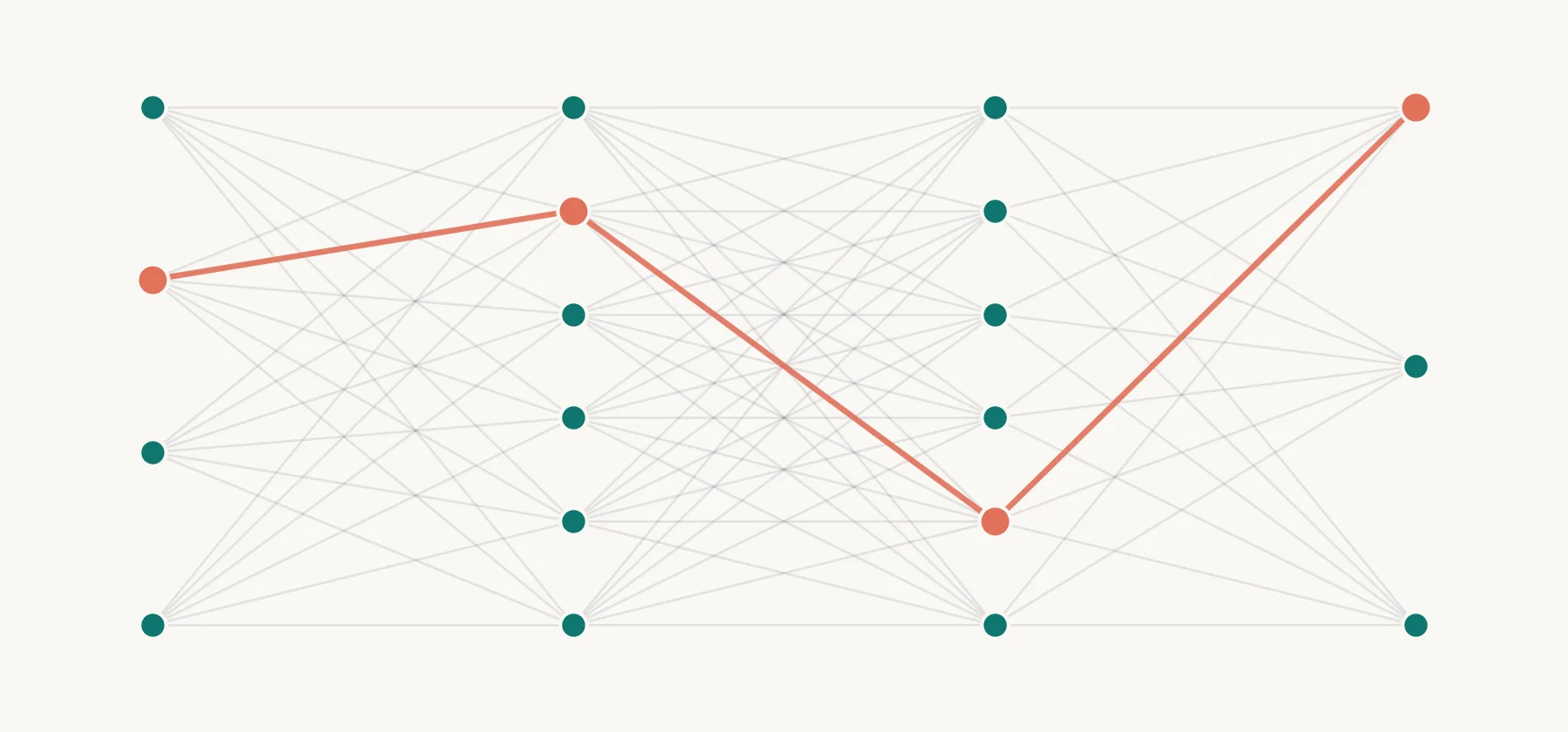
When AI Understanding Arrives Delayed But Decisive
It took 100,000 training steps, but then understanding arrived all at once. Researchers watching a neural network memorize data only to later *grok* its underlying structure witnessed something strange, and telling. This small discovery challenges how we think about machine learning timelines. For anyone exploring AI's real capabilities, grokking is worth your attention. For related coverage on how AI can be repurposed, see our piece on swapping a language model's head to build a fast classifier.

Why Psychological Safety Is Key for Developers Building With AI
Psychological safety isn't a soft skill, it's a structural requirement when AI tools rewrite the rules of software development. In this podcast, Michael Stiefel talks with Erin Doyle about how engineers now need architecture skills to navigate ambiguity in requirements. AI accelerates coding, but it also demands clearer thinking about system design. If you want a concrete example of what happens when that clarity breaks down, read our related article, "AI Made Me 5x Faster. It Also Made Me 5x Worse at My Job."

Expanding Your Tech Fluency: Key Insights Beyond Artificial Intelligence
Artificial intelligence dominates the conversation, but true fluency demands more. In "10 Things I'm Learning Beyond AI to Become More Technologically Fluent," the author steps past the hype to explore the foundational technologies quietly shaping our world. It's a refreshing, grounded take that invites you to broaden your digital toolkit. For those ready to deepen their understanding, this piece pairs well with our guide on navigating AI/ML job requirements, where the skill shift becomes tangible.
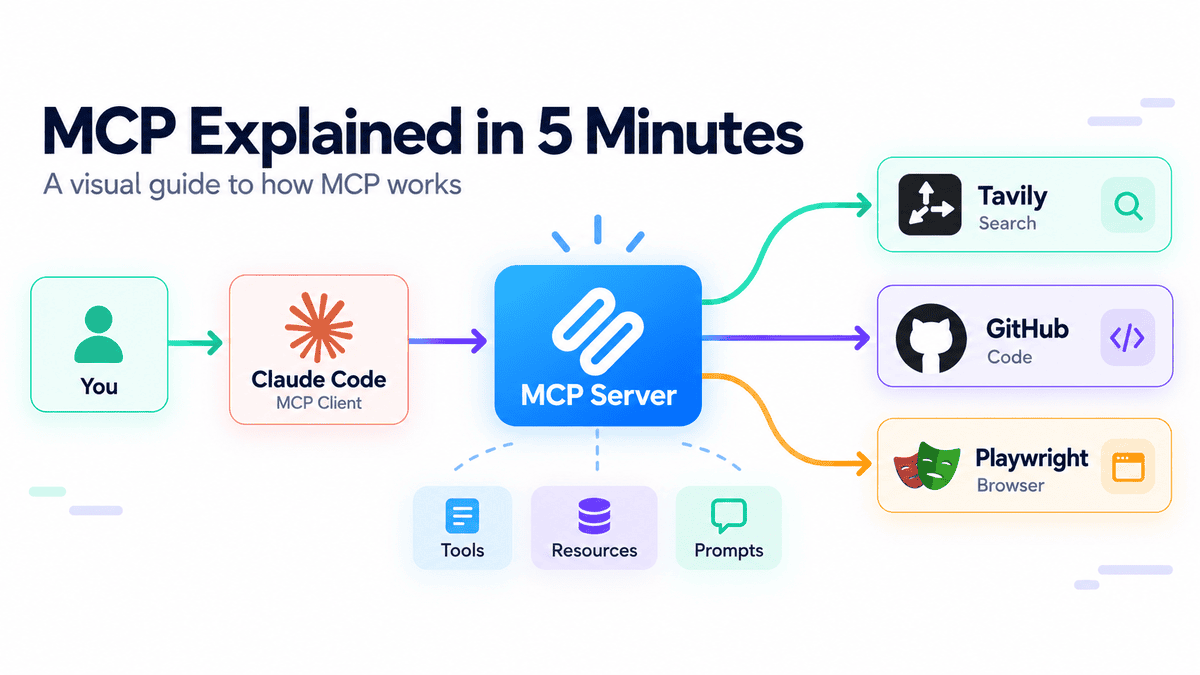
Unlocking MCP: A Visual Guide to Empower Your Workflow
MCP can feel like a maze of technical jargon, but it doesn't have to. This visual guide breaks down how it works, then shows you exactly how to pair it with Claude Code, Tavily, GitHub, and Playwright. The diagrams do the heavy lifting, making a complex concept genuinely approachable. If you're ready to move past theory and into practical workflow improvements, this is a solid starting point. For a deeper dive into related infrastructure, our guide on distributed training algorithms is worth exploring next.
Let your spreadsheet define done before your data makes the choice.
Most of us assume our AI agent knows what we want. It does not. It will happily define success for you, often in ways you never intended. We build these systems to be efficient, yet we skip the one step that matters: clarity. If you are tired of guessing why your agent made a call, you will find this exploration of unspoken assumptions essential. It is a practical look at a problem we all share.
Three Research Papers That Sharpen Your Scientific Writing Skills
A PhD student asking which papers to read for writing skills is really asking how to make complex ideas feel inevitable. The best texts do not hide behind jargon; they walk you through the problem, the method, and the reasoning as if leading you by the hand. Seek out researchers who treat clarity as a form of respect for the reader.

Build AI Applications That Remember, Not Just Retrieve
RAG systems fetch, but they don't hold on to what matters. That's the gap this guide tackles head-on, offering a vendor-neutral blueprint for building a knowledge layer that actually accumulates understanding, not just query results. The Azure-native walkthrough, mapping Foundry, AI Search, Cosmos DB, and FastAPI to a property-insurance corpus, turns theory into something you can build on. If you're still questioning how much AI truly grasps, "Verify Your AI's Understanding" pairs well with this practical read. It's a grounded, actionable take.
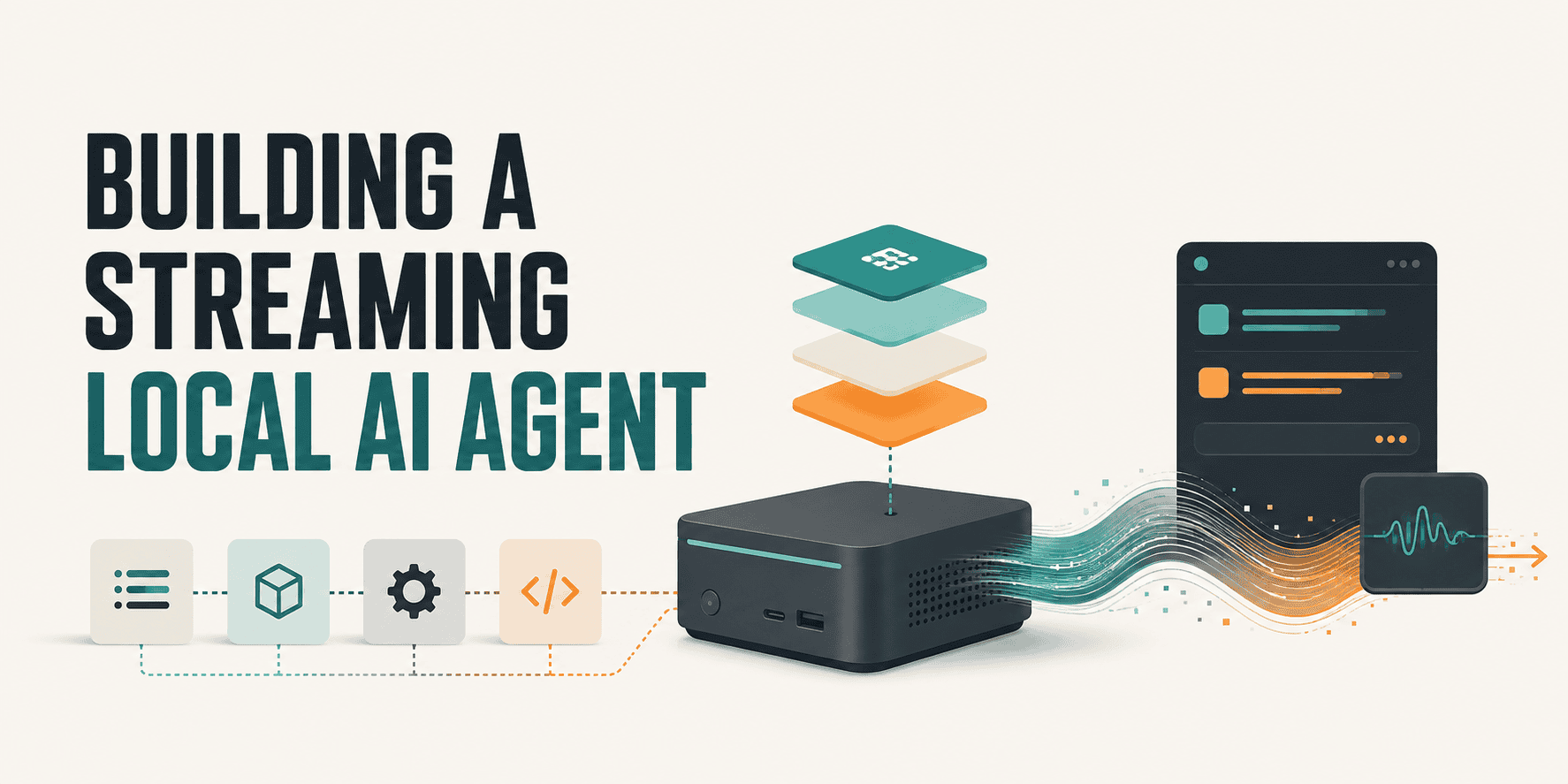
Understand the two meanings of streaming in AI agents today
"Streaming" gets thrown around in two very different ways when people discuss AI agents, and that confusion slows everyone down. This piece cuts through the noise, clarifying the two distinct meanings so you can build with confidence. If you are juggling agent architectures, this is a useful checkpoint. For a deeper look at how agents coordinate, our coverage of Google's open-sourced AX orchestrator pairs well with the ideas here. It is a practical read for anyone moving from theory to real-world implementation.
Explore practical AI tools that simplify data analysis and model understanding
This week's roundup starts with a practical truth: building and deploying your first autonomous agent is no longer a distant ambition. We also break down the machine learning algorithms that still earn their keep, offer a beginner's path to working with Claude, and highlight the best AI tools for data analysis in 2026. For those ready to go deeper, our guide to distributed algorithms pairs well with these beginner fundamentals.
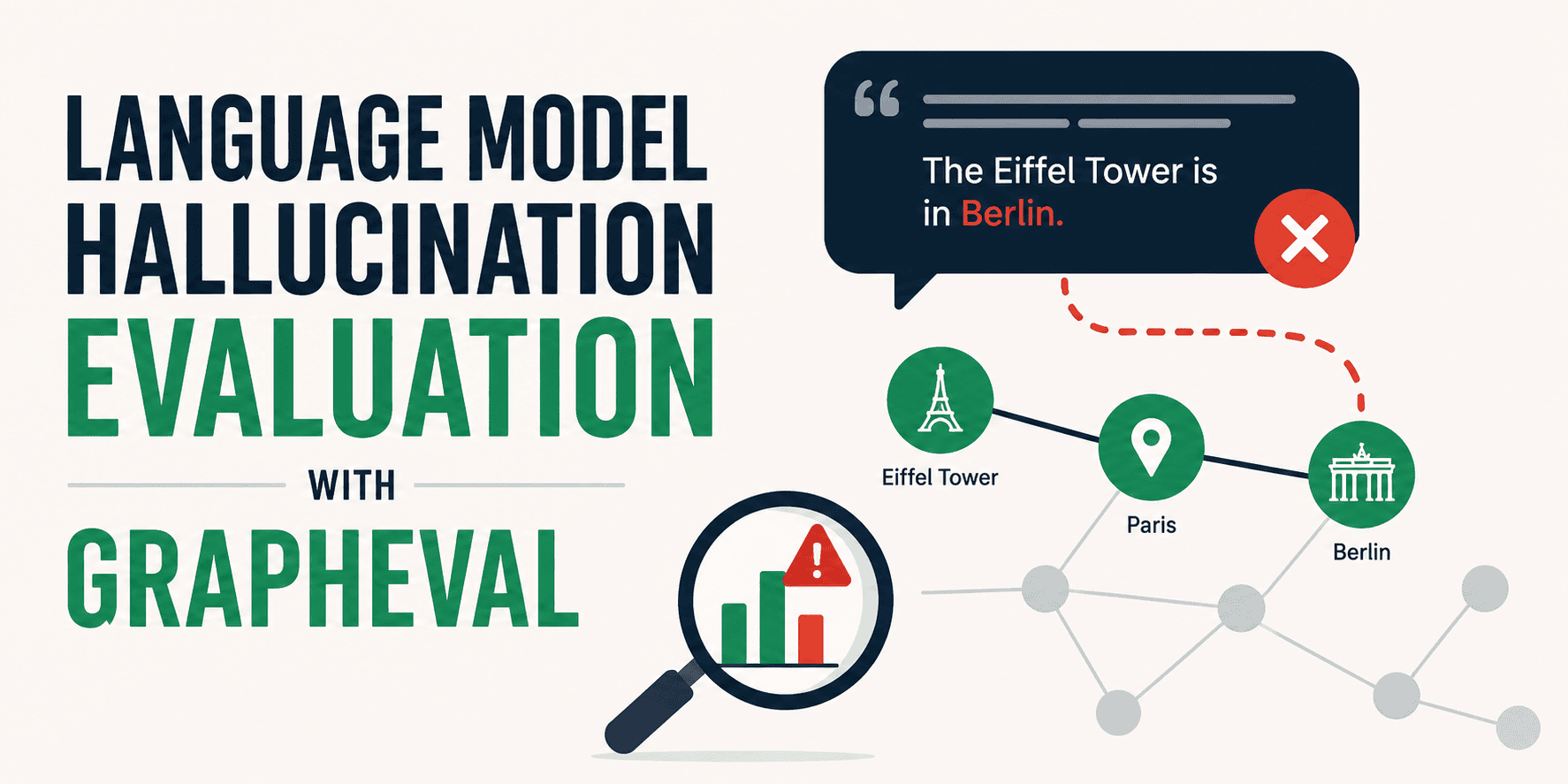
Explore how GraphEval maps the path to more reliable AI answers.
LLM hallucinations remain one of the most persistent barriers to trusting AI outputs, and GraphEval steps in to address that head-on. By turning its core principles and methodological stages into a practical scenario, GraphEval makes the evaluation process tangible rather than abstract. It's a useful lens for seeing how structured evaluation can expose where models go wrong and why that matters for real workflows. For readers juggling multiple AI concepts, our related piece on bridging retrieval and action offers another practical angle worth exploring.
Beyond language: How JEPA aims to close the gap between answering and doing
LeCun's point lands well: an LLM can describe the physical world without truly modeling it. That gap between explaining and doing is the real challenge. His push for JEPA as a path forward is compelling, but it raises a fair question. Are we chasing an architectural fix, or just hoping for a magic bullet that isn't in our toolbox yet? It's a worthwhile tension to explore. For more on how AI handles understanding, check out "Verify Your AI's Understanding: A Simple Check for Tax Season."