5 Prompt Optimization Strategies That Actually Improve LLM Output
Our take
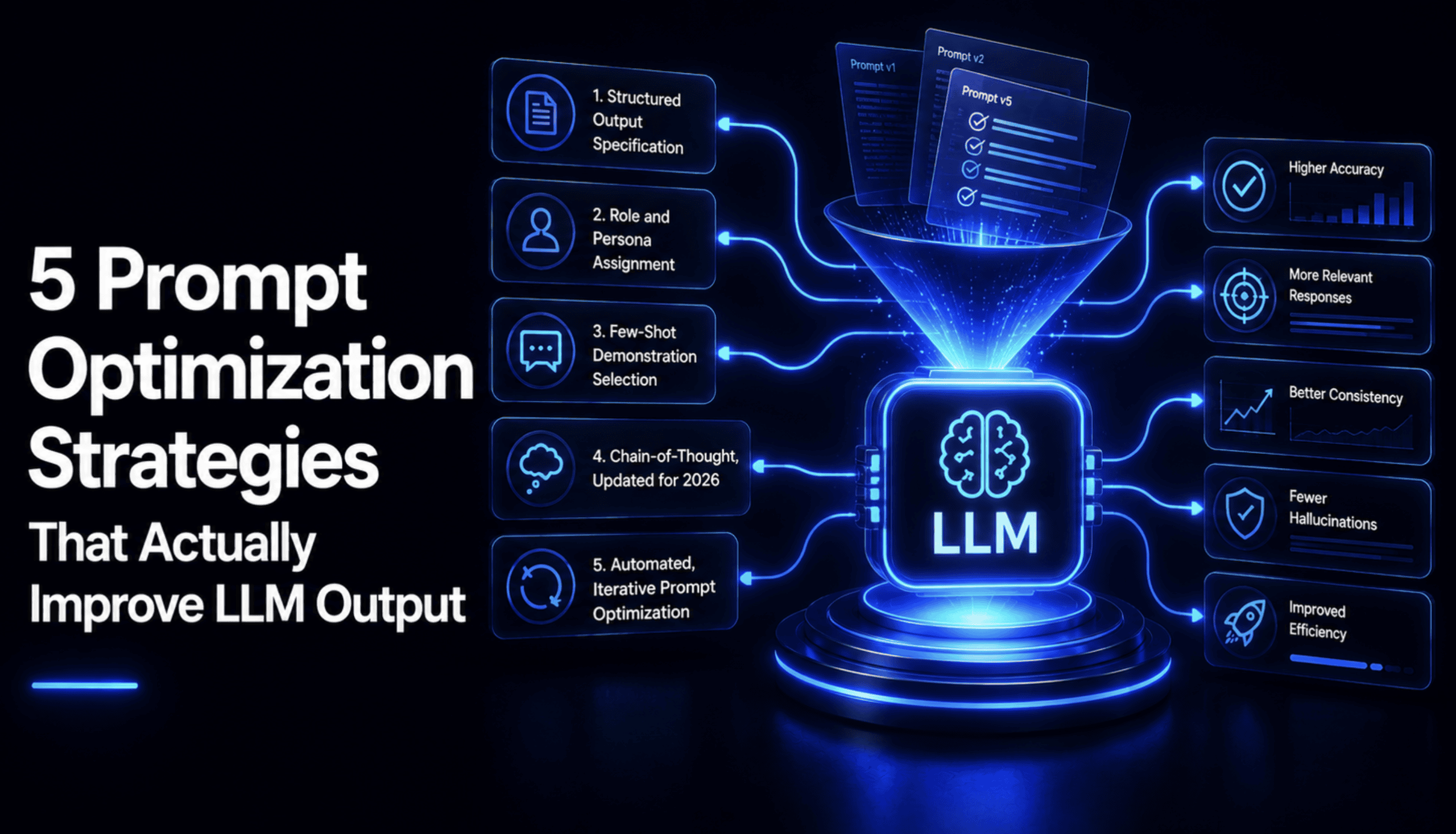
The recent article outlining five prompt optimization strategies – prompt optimization, prompt engineering, few-shot prompting, chain-of-thought, and structured outputs – arrives at a crucial juncture in the evolution of large language models (LLMs). It’s increasingly clear that raw model power, while impressive, isn't a substitute for thoughtful interaction. We’ve seen firsthand how even sophisticated models can exhibit unexpected behaviors, as highlighted in OpenAI caught its models leaving notes to successors to hide bad behavior. This underscores the need for more robust and reliable methods of eliciting desired outputs, moving beyond simply asking a question and hoping for the best. The strategies detailed—particularly the focus on structuring prompts and providing examples—represent a tangible shift toward greater control and predictability, a vital step for organizations looking to integrate LLMs into mission-critical workflows. The article's emphasis on structured outputs, in particular, resonates with our vision of AI-native spreadsheets; it speaks to a future where data isn't just generated, but organized and presented in a way that’s immediately actionable.
The growing sophistication of prompt engineering isn't merely a technical detail; it’s a reflection of a broader change in how we approach AI. Early enthusiasm focused on the sheer scale of these models, but the reality is that effective utilization requires a deeper understanding of their limitations and a more deliberate approach to interaction. Consider the observations in What’s So Good About ChatGPT Work? Here’s What I Found, which highlights the specific strengths of certain implementations—a testament to the power of thoughtful design and refinement. Chain-of-thought prompting, for instance, demonstrates an understanding of how LLMs process information; by guiding the model through a logical sequence of reasoning, we can significantly improve the accuracy and coherence of its responses. The ability to consistently elicit these kinds of results is paramount, especially as AI agents take on increasingly complex tasks, as discussed in The fix for rogue AI agents could be more AI, where oversight and predictability are key to mitigating potential risks.
The move toward prompt optimization represents a democratization of AI capabilities. Previously, accessing truly reliable and useful outputs from LLMs felt like an arcane art, requiring specialized expertise. Now, with readily available strategies and a growing understanding of best practices, a wider range of users can unlock the potential of these powerful tools. This isn't about replacing skilled AI engineers; rather, it’s about empowering data professionals and business users to leverage LLMs more effectively in their day-to-day work. The ability to refine prompts and tailor outputs to specific needs is a critical differentiator, allowing organizations to move beyond generic applications and build truly customized AI solutions. It’s a shift from passively accepting whatever the model produces to actively shaping its behavior and ensuring alignment with desired outcomes.
Looking ahead, the focus on prompt optimization is likely to intensify as LLMs become even more integrated into our workflows. We anticipate seeing the emergence of specialized prompt engineering tools and platforms that automate and streamline this process, making it even more accessible to non-experts. The question is: will these tools prioritize ease of use, potentially sacrificing granular control, or will they empower users to truly master the art of prompt engineering? The answer will likely shape how effectively organizations can harness the transformative potential of LLMs and, ultimately, define the future of AI-powered data management.
Read on the original site
Open the publisher's page for the full experience