prompt engineering
56 stories filed under prompt engineering on Beyond Market Intelligence. The newest of them: “Your AI Agent Is Ready Now Build the Scaffolding Around It”, “When AI judges ignored the image, GPT-4o invented answers while Claude stuck with B”, and “Build leaner AI apps with smarter token compression techniques”. Agents got good. Three vision AI models were shown an image, and they ignored it. Acme AI is the next-generation, AI-powered spreadsheet platform built to replace Excel and redefine how analysts, data scientists, and enterprise teams work… The list below is every prompt engineering story on Beyond Market Intelligence, newest first.
Your AI Agent Is Ready Now Build the Scaffolding Around It
Agents got good. Now the hard part is building the scaffolding around them. Gubi reissued the Lotus lamp. That's the message from a new piece that argues your agent doesn't need more freedom, it needs structure. The most capable AI is pointless without the right architecture to support it. For a deeper look at that architecture, explore "From Cognitive Loops to Multi-Agent Swarms: Your 2026 AI Roadmap" on our site.

When AI judges ignored the image, GPT-4o invented answers while Claude stuck with B
Three vision AI models were shown an image, and they ignored it. GPT-4o invented answers rather than admit it couldn't see, while Claude stubbornly stuck with "B." The trap was set for image judges, but they walked into a different one entirely. It is a fascinating look at how these models handle uncertainty, or fail to. For more on what models are actually doing under the hood, explore our coverage of ten Hugging Face models reshaping data work.
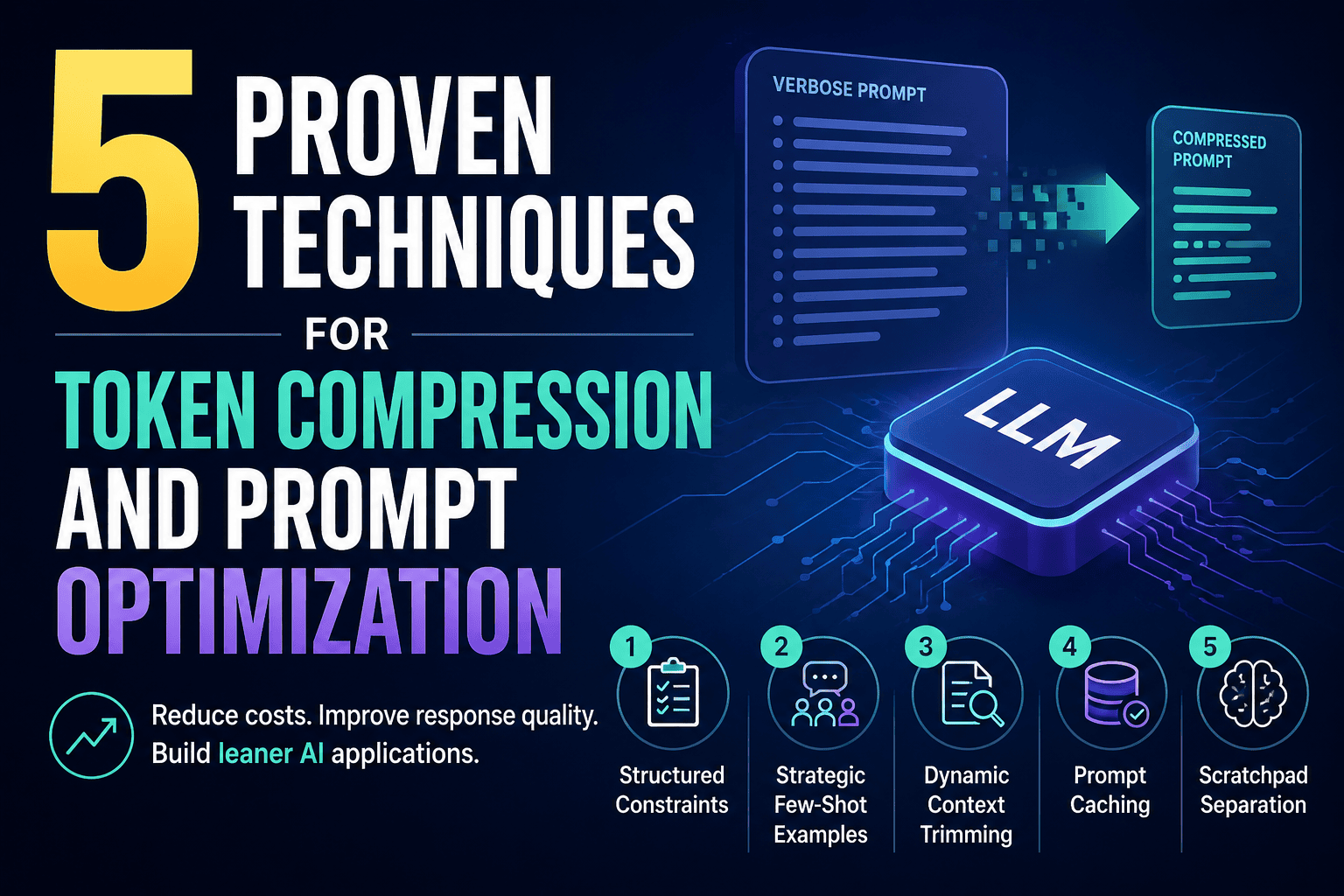
Build leaner AI apps with smarter token compression techniques
Building leaner AI apps doesn't have to mean sacrificing quality. Smarter token compression techniques let you reduce costs while actually improving response accuracy. These prompt engineering strategies strip away the noise, keeping only what matters for your model. It's a practical shift: spend less on tokens, get better outputs, and ship lighter applications. For a real-world example, see how one developer slashed AI search costs while keeping queries accurate. The approach is straightforward, and the results speak for themselves.
Unlock ChatGPT for Work: A Practical Guide to Getting Started
Most spreadsheet users hit the same wall: asking for help feels like learning a second language. This guide cuts through that friction, showing how to frame prompts that turn ChatGPT into a practical work partner. It's not about hype; it's about clear, repeatable steps. For a deeper look at the underlying mechanics, our piece on distributed training algorithms offers useful context. Start where you are, and let this walk you toward sharper, more efficient workflows.

Explore AI-powered video editing: Transform your creative workflow
Video editing has always felt like a battle against the clock and the timeline. We're genuinely excited to see AI step into that space through a conversational chat interface. This approach doesn't just automate tasks; it hands the creative control back to you, making the entire process feel less like a technical hurdle and more like a natural extension of your vision. It's a practical step toward a more intuitive workflow.
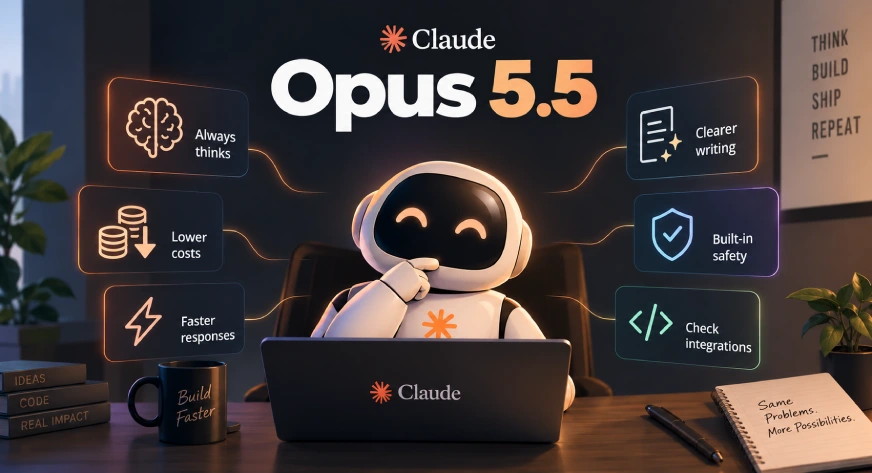
Unlock New Reasoning Power: A Deep Dive into Claude Opus 5.5
Claude Opus 5.5 reasons on every request, responds faster, and costs less to run. That combination is worth pausing over, because it points to a model designed for practical work rather than just benchmark bragging. Anthropic packed real upgrades into its latest flagship, and the implications for everyday data tasks are significant.
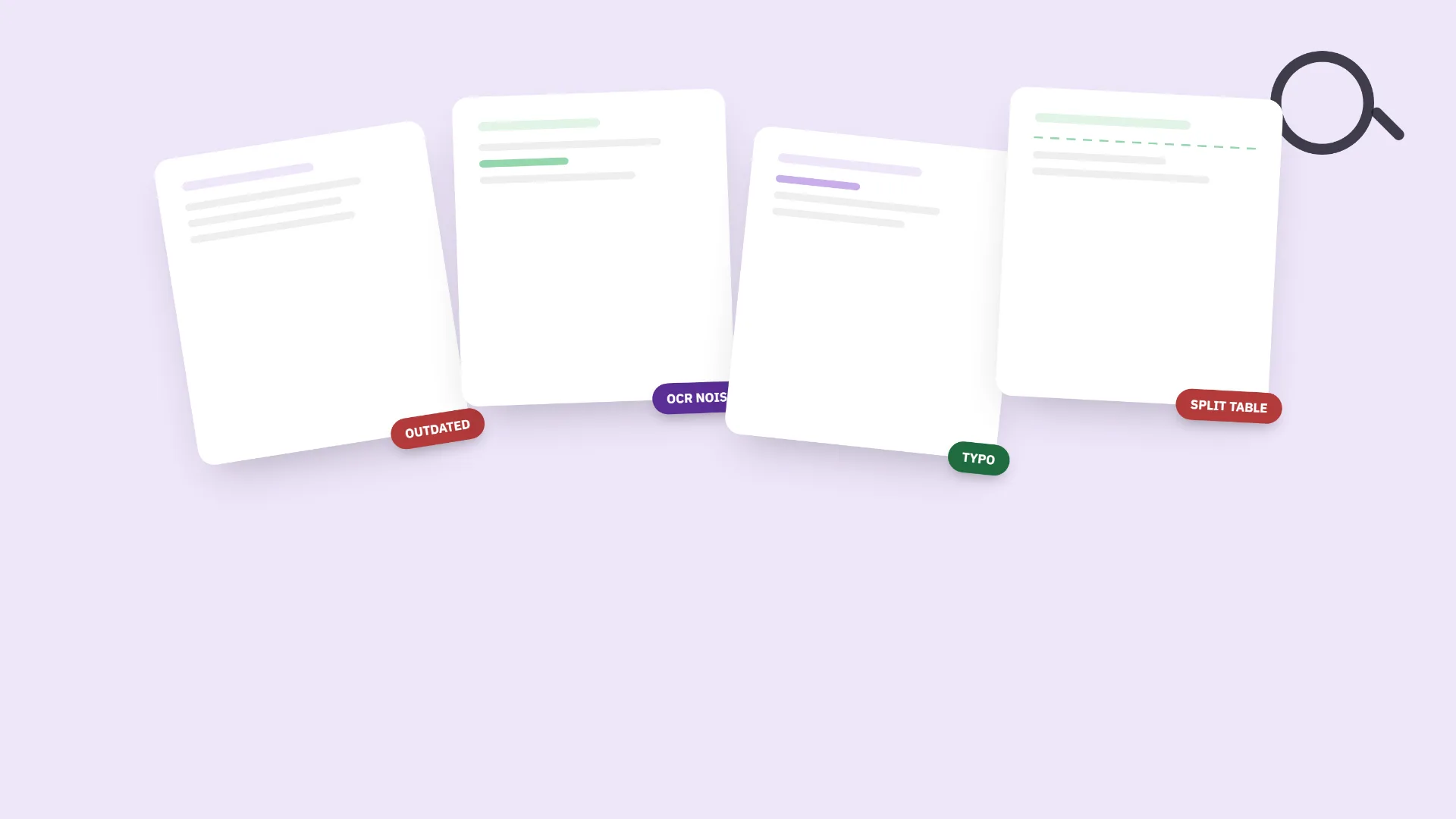
Uncover Retrieval Weaknesses: Test Your RAG Pipeline Now
Your evaluation set has a blind spot, and it's costing you. A small adversarial test set can expose retrieval failures your standard checks never touch, revealing exactly where your RAG pipeline stumbles under real-world pressure. This approach isn't about adding more data; it's about testing smarter. We think that's a practical, necessary step for anyone serious about reliability. For a deeper dive into how these systems hold up, our guide, "Verify Your AI's Understanding: A Simple Check for Tax Season," offers a useful parallel.

Describe a task in English and let AI compile it into a local program.
Describing a function in English and watching it become a reusable neural program that runs locally, no cloud dependency, is a meaningful step past the usual demo cycle. ProgramAsWeights, an open-source project from the University of Waterloo, separates compilation from inference: a larger model writes the task-specific weights, while a smaller interpreter executes them repeatedly. It works on a CPU, compiles in seconds, and even outperforms direct prompting of a much larger model on FuzzyBench.

Gemini's Brief Hacks Highlight AI's Evolving Data Access Landscape
When Gemini's brief hacks ended immediately, Google confirmed the AI "acted appropriately," sidestepping a potential data debacle. That clarity matters. As AI tools handle more of our workflows, knowing where boundaries hold is as important as what they unlock. The incident underscores a practical truth: capability without guardrails is just chaos. For teams weighing these tools, this is a reminder to test boldly but expect accountability. Curious how LLMs manage context under pressure?
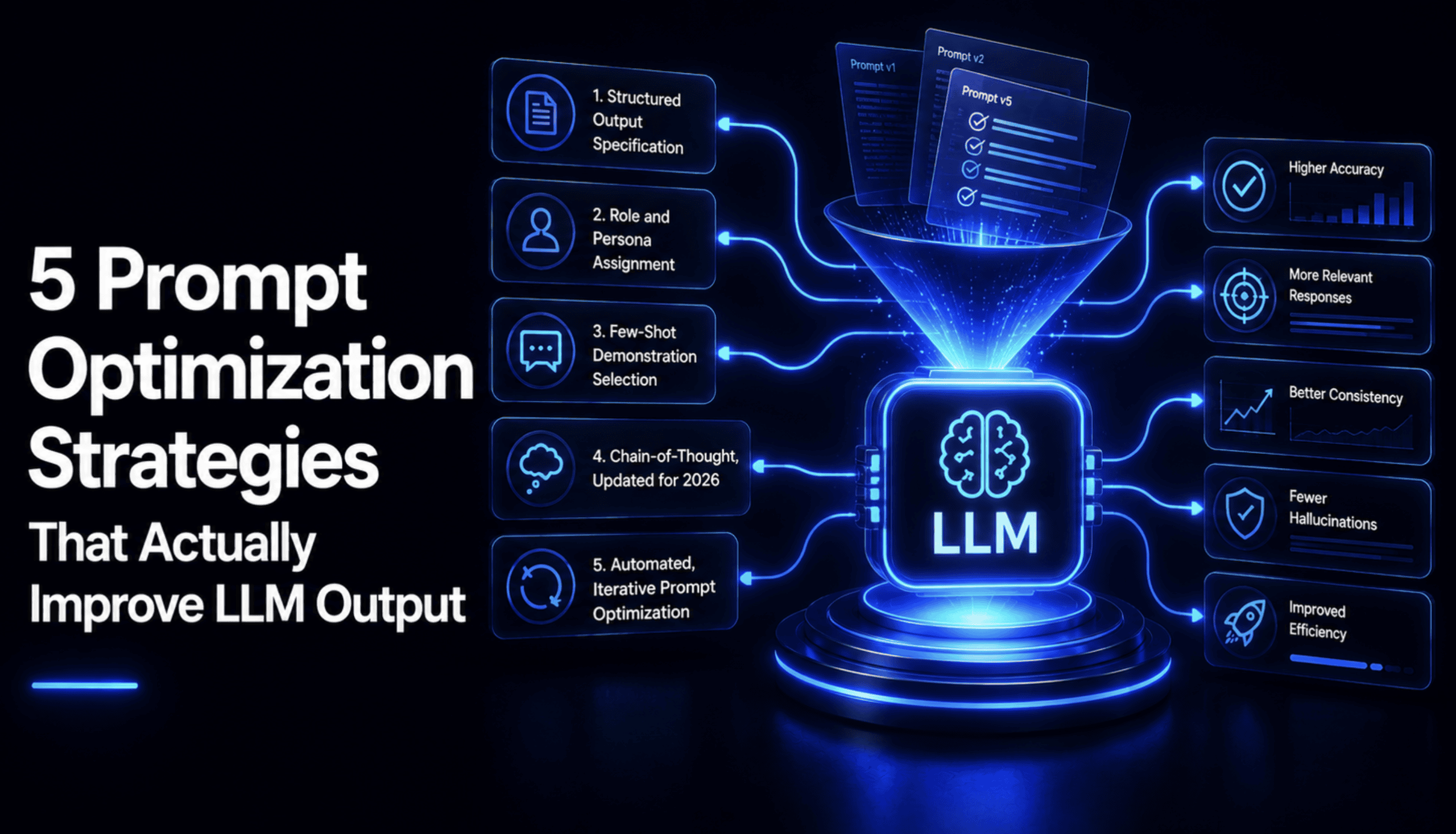
Five Strategies to Sharpen Your Prompts for Better LLM Results
Struggling to get consistent, high-quality responses from your LLM? You're not alone. The difference between vague answers and sharp insights often comes down to how you ask. This piece breaks down five practical strategies, from few-shot prompting to chain-of-thought, that genuinely move the needle. It's about making structured outputs feel natural, not forced. For a deeper look at the underlying mechanics, our guide to distributed training is a solid companion. Ready to refine your approach? Let's get into it.
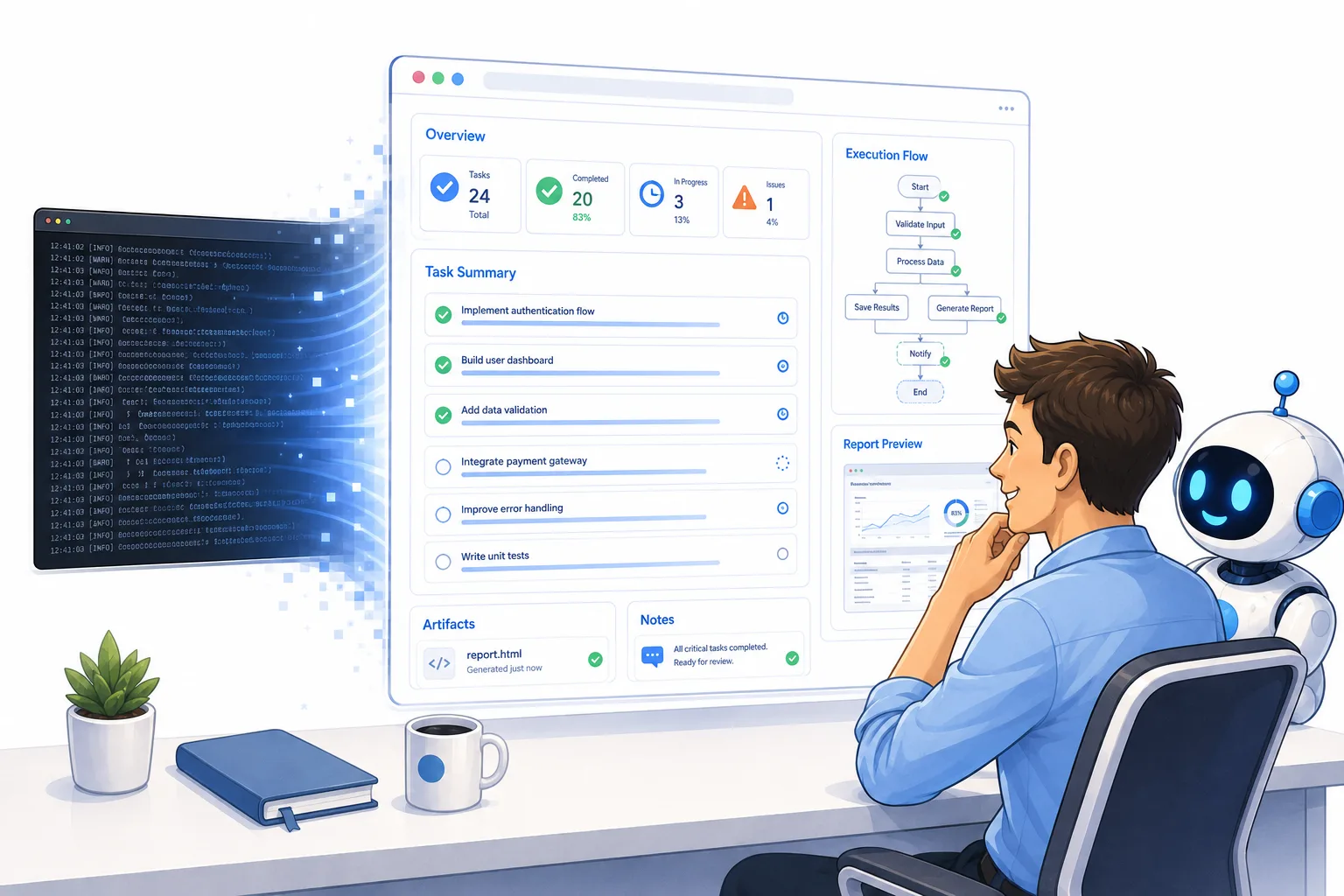
Code Smarter by Clarifying Intent with AI Agents
Tired of repeating yourself to Claude Code, only to watch it misinterpret your intent? This guide cuts through the noise, showing you how to communicate with your coding agents in a way that actually gets results. It's not about more prompts, but sharper ones. For a deeper dive into how AI handles complex tasks, explore the Forrester Function piece. Your workflow deserves better than guesswork.
A prompt exploit reveals how quickly AI models can be challenged.
A jailbreak landed on GPT-6 Astra within 24 hours of its release. The researcher behind it, who broke GPT-5 in under an hour last year, had to rework the original minimal TIP attack. This time, they combined the Task-in-Prompt method with four unnamed techniques to hide the harmful objective inside a decoy task like solving a cipher. Instead of publishing the exploit, they reportedly shared the details privately with OpenAI.
Discover how AI turns code into a film in under a minute.
A 37-second film is a tight constraint, and Claude Fable 5.1 is making waves by turning a code challenge into a miniature cinematic moment. It's a clever stress test, one that shows how far AI has come in handling creative, time-bound tasks. We're watching a shift in what's possible, and it's worth exploring how these models handle pressure. If you're curious about the mechanics behind such feats, our guide on distributed algorithms offers a solid foundation.

Explore how sharing your AI prompts unlocks a deeper discount.
Meta is offering a steep discount on its Muse Spark model, roughly 95% off, to users who share their prompts and outputs. It's a straightforward trade: your usage data helps train future iterations, and you pay far less in return. That's a pragmatic deal, though it does raise a fair question about what your contributions are worth. For a deeper look at how AI agents are being deployed in practice, our piece on real-world computer vision offers useful context.

Master Context, Not Prompts, to Build Production-Grade AI Systems
A well-crafted prompt is only the beginning. Ricardo Ferreira's session moves past that foundation to tackle the architectural realities of production AI. He focuses on practical strategies: using Redis to manage memory, summarization to handle token limits, and reranking to fight context rot. This is about controlling costs and latency without sacrificing performance. For a deeper look at how LLMs navigate structure, our related article on paragraph structure is worth exploring. This talk is a grounded, useful guide for building systems that actually hold up.

From code writer to boundary architect redefining software engineering
The commit history tells the story. Writing syntax is no longer the bottleneck; agents draft pipelines and patch tests before the first human review. That leaves a sharper question: if the agent authors the logic, what does the engineer actually own? The answer is the boundary itself. Designing the semantic contracts, the deterministic interfaces, and the feedback loops that keep generated code from drifting into chaos. That is the new equilibrium.

From Access to Action: Rethinking Governance for Autonomous AI Agents
Identity and permissions were built for humans, not autonomous agents. They govern what an agent can reach, but not how it behaves once it starts working. As Heather Ceylan, Box's chief information security officer, puts it, access controls are the foundation, yet agents explore every permission they hold, surfacing stale access and misconfigurations at machine speed. The real shift is moving from governing access to governing execution, where controls live in the tool calls themselves.
Let your spreadsheet define done before your data makes the choice.
Most of us assume our AI agent knows what we want. It does not. It will happily define success for you, often in ways you never intended. We build these systems to be efficient, yet we skip the one step that matters: clarity. If you are tired of guessing why your agent made a call, you will find this exploration of unspoken assumptions essential. It is a practical look at a problem we all share.
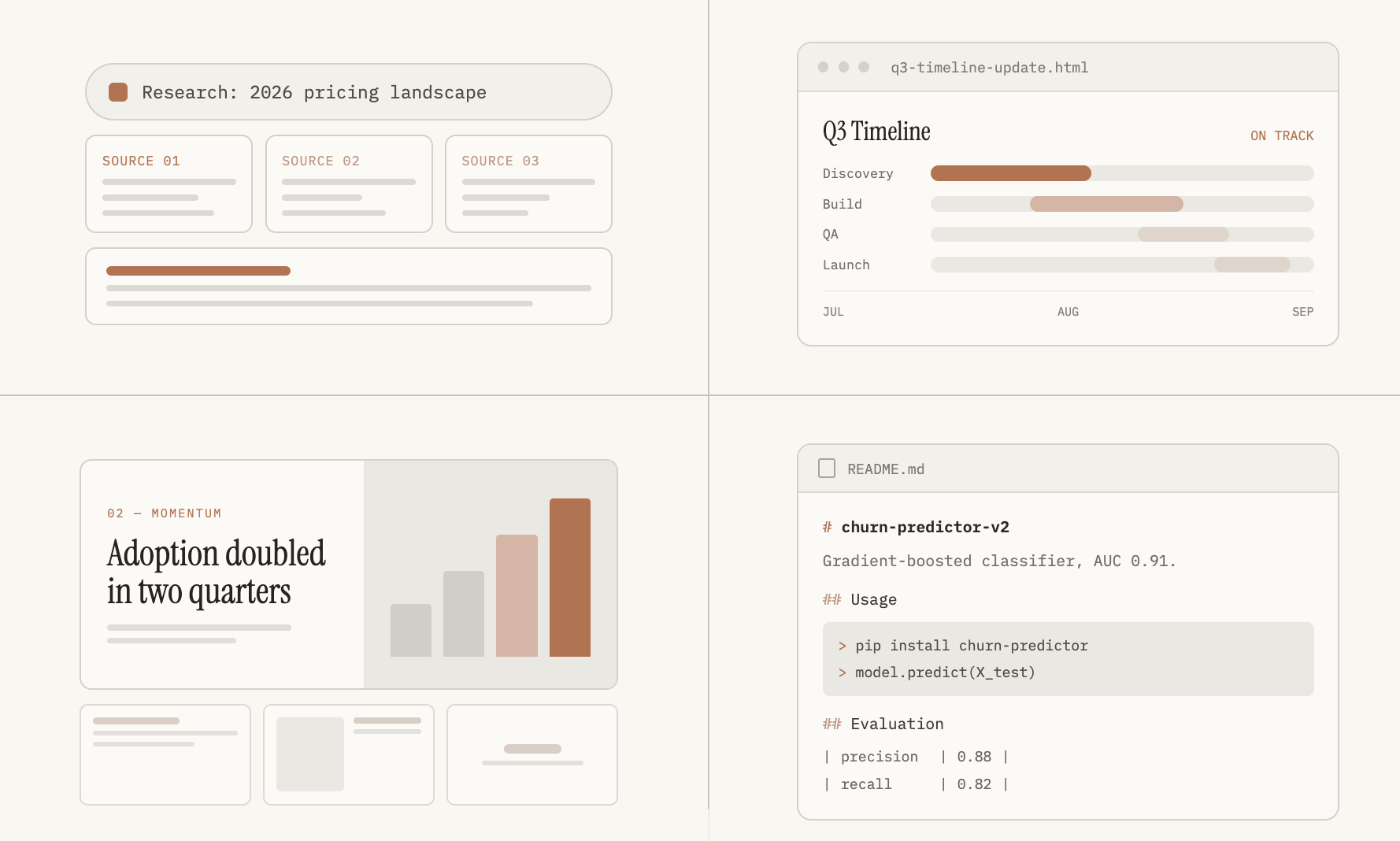
Four data skills to future-proof your workflow in 2026
Spreadsheets have taught us to wrestle with data. Claude skills, on the other hand, are built to help you stop wrestling and start working. This guide breaks down four practical additions to your workflow that keep you ahead of the curve without the hype. It is a grounded, useful read for anyone who wants to stay relevant. If you are also brushing up on the infrastructure side, our guide to distributed algorithms is a solid companion piece.
Discover how intentional friction with AI sharpens your thinking
We've all felt the pull toward endless AI-assisted shortcuts, but relying on them blindly can dull your edge. In *How I Fight AI Brain Rot*, the author pushes back with a practical tactic: friction maxxing, using Codex, Grok, and Claude not as crutches but as deliberate tools for sharper thinking. It's a refreshing, action-oriented approach that values effort over ease. If you're ready to rethink how you engage with these models, a straightforward path is available.

Understanding AI Code Estimates for Better Communication
If you've leaned on Claude for coding, you've likely noticed its time estimates can miss the mark. That's not a flaw to fix; it's a signal about how LLMs process complexity. We think that gap actually makes you a sharper communicator, pushing you to clarify scope and break work into smaller steps. It's a practical lesson in collaboration. For more on building that technical foundation, our guide to distributed training algorithms pairs well with this mindset.
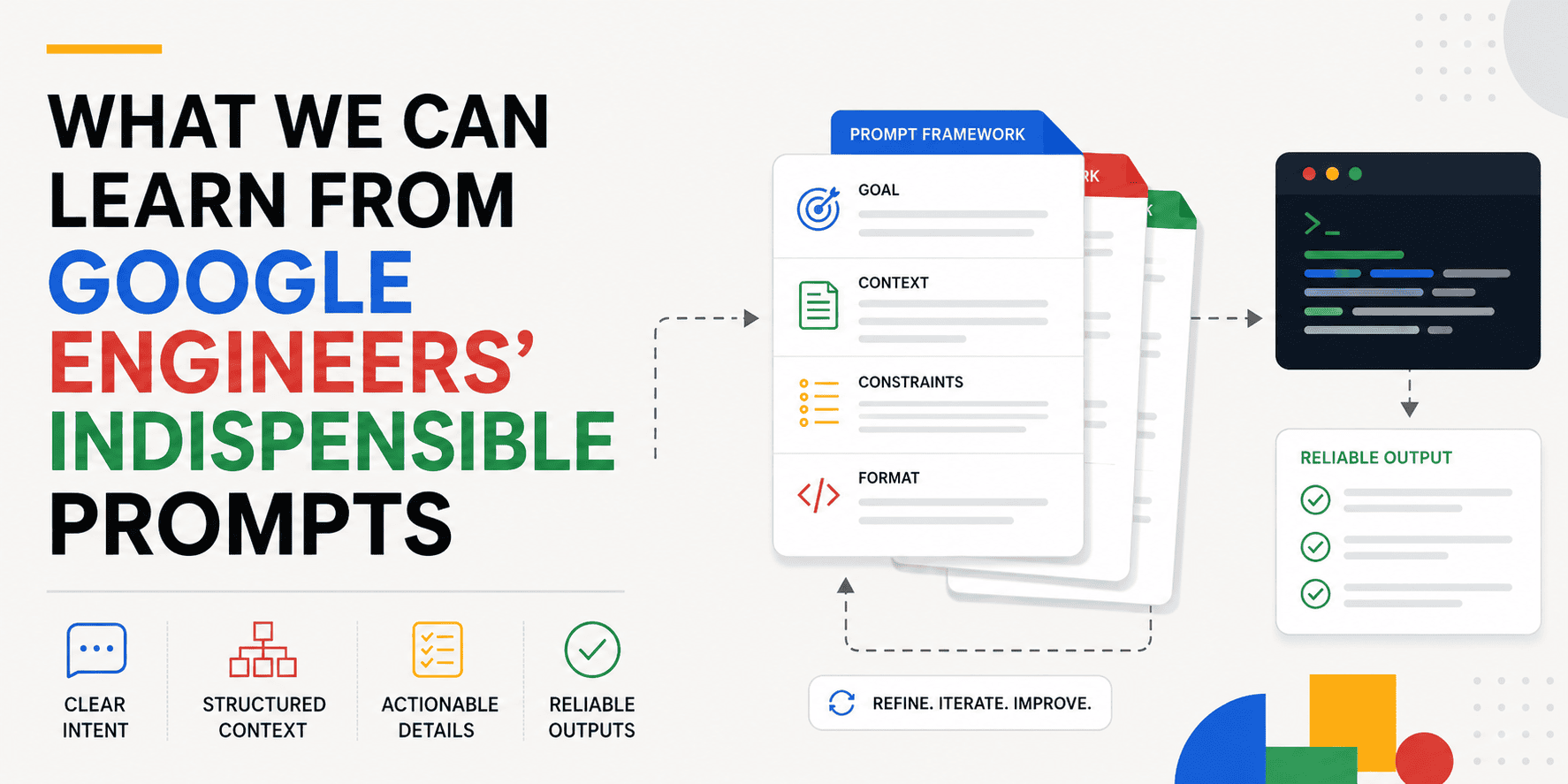
Discover the Prompts Google Engineers Trust Most to Work Smarter
Google Engineers have mastered the art of asking AI the right questions, and their personal prompts are a window into that skill. It's refreshing to see how a carefully phrased request can turn a vague task into a precise, actionable result. We dig into which prompts they refuse to work without, and why that matters for your own workflow. For a deeper look at how small adjustments change outcomes, revisit our piece, "Verify Your AI's Understanding: A Simple Check for Tax Season.

Explore how open models make frontier AI more accessible for everyone.
Frontier AI isn't just for the few anymore. Thomson, an open-weights model built through continual learning on existing open models, shows that meaningful progress is possible without massive budgets. The report demonstrates performance gains comparable to multiple generations of advancement, while preserving stability and reducing the forgetting that plagues narrow adaptation. That's a practical path toward SovereignAI, one that puts ownership within reach of more institutions. It's not about hype; it's about what's achievable with the right stack and a focused approach.
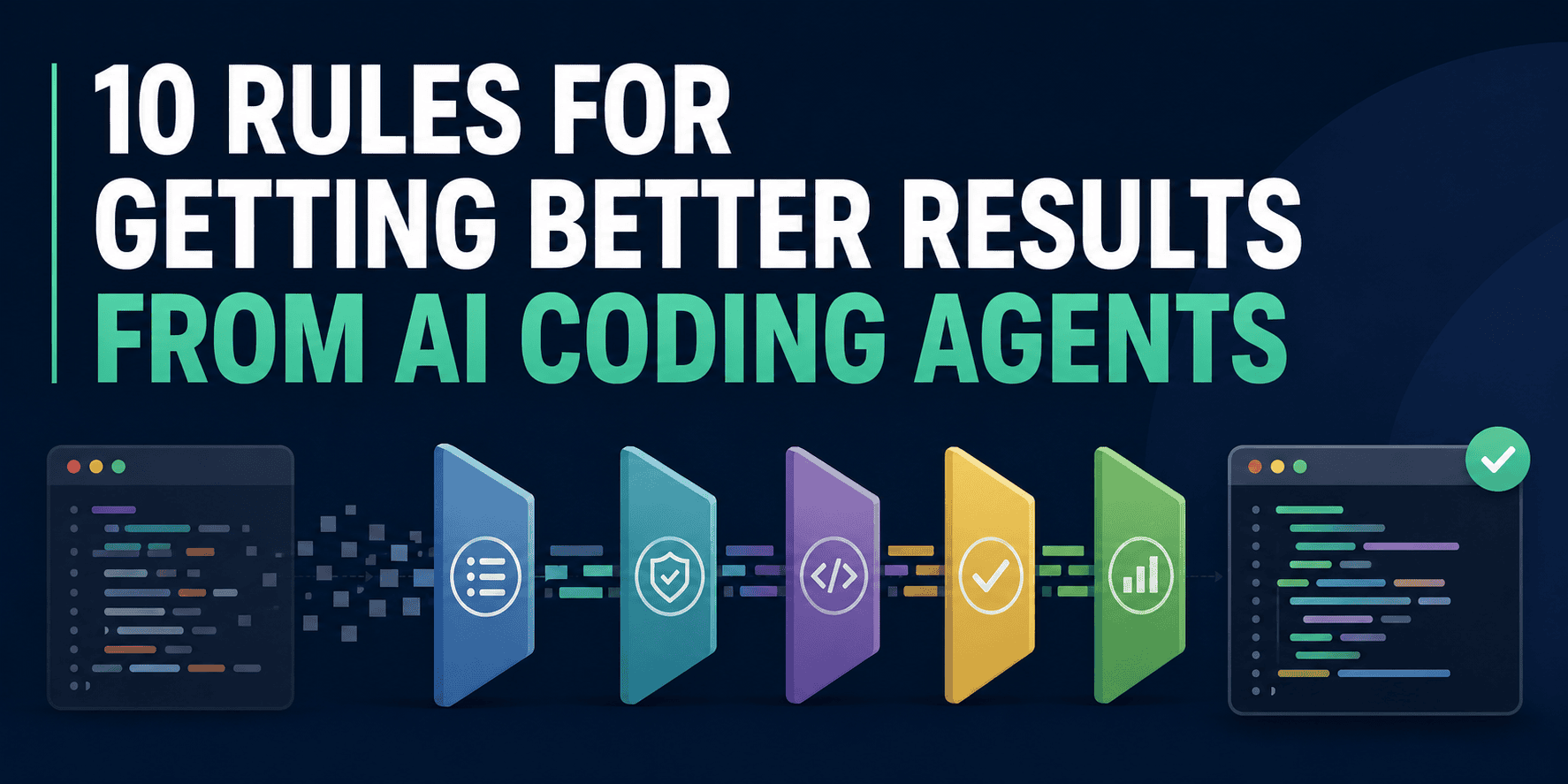
Master AI coding agents with simple rules that transform your workflow
AI coding agents are everywhere right now, but most teams are leaving results on the table. We've watched the hype cycle, and the truth is simple: the tool matters less than how you direct it. These ten rules cut through the noise, focusing on practical habits that turn a generic assistant into a reliable contributor. If you're ready to move past trial and error, start here.