cost reduction
16 stories filed under cost reduction on Beyond Market Intelligence. The newest of them: “Explore Claude Haiku 5.5's faster workflows and 90% lower costs”, “Smarter resource use: how batching transforms LLM performance”, and “Build leaner AI apps with smarter token compression techniques”. Claude Haiku 5.5 slashes list prices by 90% while adding adaptive thinking and a 1M token context window. Four people heading to the same destination in separate taxis make four identical trips. Acme AI is the next-generation, AI-powered spreadsheet platform built to replace Excel and redefine how analysts, data scientists, and enterprise teams work… The list below is every cost reduction story on Beyond Market Intelligence, newest first.

Explore Claude Haiku 5.5's faster workflows and 90% lower costs
Claude Haiku 5.5 slashes list prices by 90% while adding adaptive thinking and a 1M token context window. That's a dramatic leap from Haiku 4.5, making classification, extraction, and sub-agent workflows far more accessible in Python. Faster workflows at a fraction of the cost invite real experimentation. For deeper context on how AI agents learn from weaknesses, explore our coverage of Google's EnvHarness research.

Smarter resource use: how batching transforms LLM performance
Four people heading to the same destination in separate taxis make four identical trips. Put them on a single bus, and everyone arrives together using far less fuel. That is the logic behind batching in large language models. Instead of processing one request at a time, the system groups them, sharing memory and compute across the batch. It is a smarter use of resources that makes AI faster and more efficient. For deeper coverage, explore how hierarchical routing cuts memory while preserving long-context accuracy.
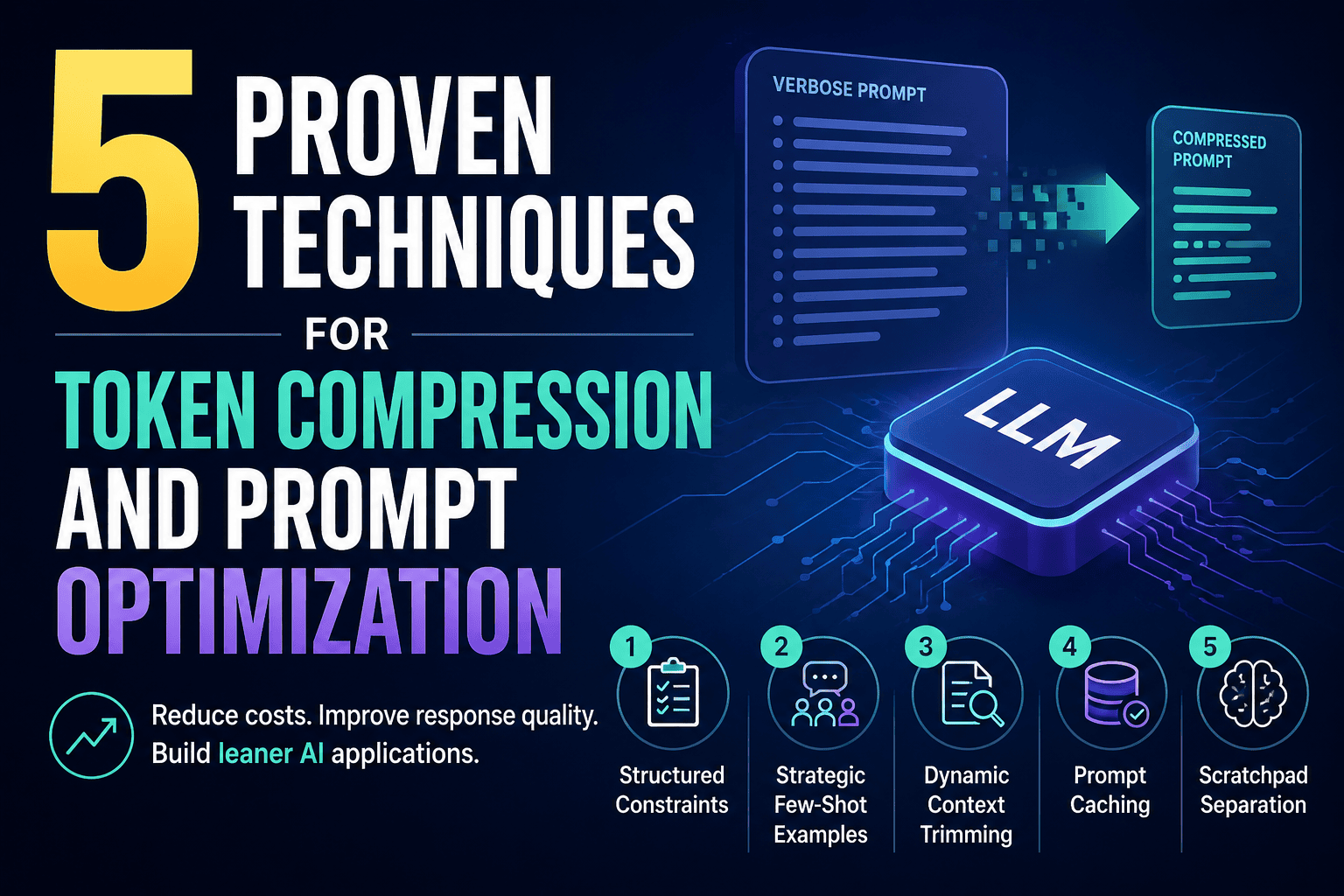
Build leaner AI apps with smarter token compression techniques
Building leaner AI apps doesn't have to mean sacrificing quality. Smarter token compression techniques let you reduce costs while actually improving response accuracy. These prompt engineering strategies strip away the noise, keeping only what matters for your model. It's a practical shift: spend less on tokens, get better outputs, and ship lighter applications. For a real-world example, see how one developer slashed AI search costs while keeping queries accurate. The approach is straightforward, and the results speak for themselves.
How one developer slashed AI search costs while keeping queries accurate
Building a search engine that actually understands "a game like Hades that feels cozier and is co-op" is a hard problem. One developer solved it by swapping an expensive AI extraction step for a faster, cheaper alternative: Jev on OpenRouter's Decisions API. That single change made the query pipeline roughly 10x faster and slashed costs by about 6x, all while keeping accuracy intact. It is a smart, practical trade-off that prioritizes speed over flashy completions.

Explore a smarter AI model that lifts complex work without the premium price
OpenAI's GPT-6.1 Sol takes on complex professional work without the premium price tag. It delivers real gains in code writing, debugging, document understanding, and multi-step business workflows. That's a meaningful upgrade for teams who need capability without cost barriers. We've also covered how Codex is expanding into cloud dev environments, so this release fits a broader push toward accessible, practical AI tools. If you're ready to lighten heavy tasks, this model is worth exploring.
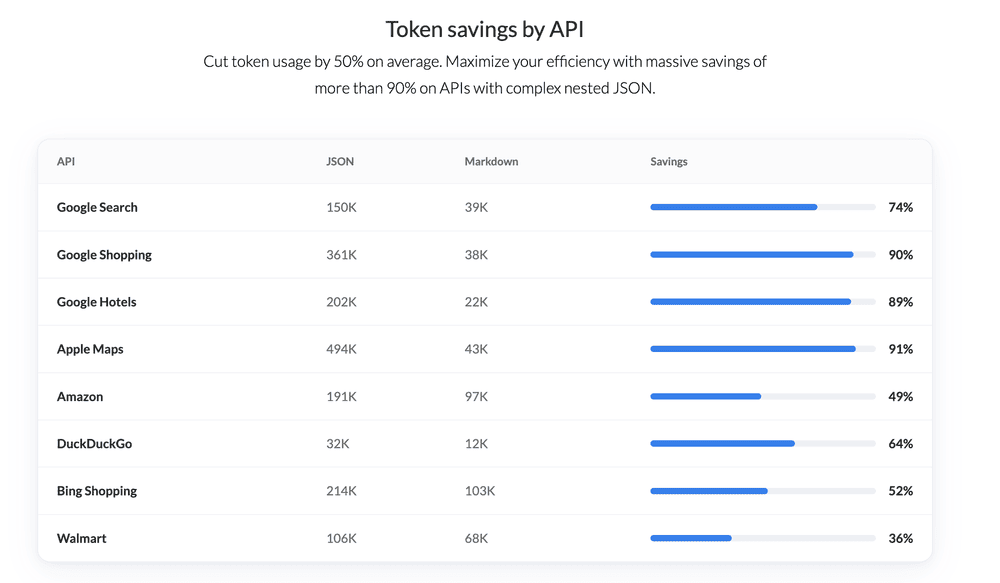
Reduce Search Result Tokens by 74% with Smarter Data Structuring
A single search result can quietly consume thousands of tokens, and that weight adds up fast when you're paying for every call. SerpApi's Markdown output tackles this directly, trimming usage by up to 74% by stripping away the noise and keeping only what matters. That's a meaningful reduction in context-window overhead and agent costs. It's the kind of practical efficiency that pairs well with the broader optimization thinking in our guide to distributed training.

As AI costs drop, employee adoption signals a smarter shift
August's data shows AI spend per employee dipping at top firms, even as token costs fall and cheaper models flood the market. That's not the adoption curve hyperscalers banked on. It's tempting to call it summer doldrums, but the signal is worth reading straight: enterprises are pausing, not retreating. They're weighing efficiency against experimentation. For teams navigating this, the real work isn't chasing volume, it's building guardrails that make AI sustainable.
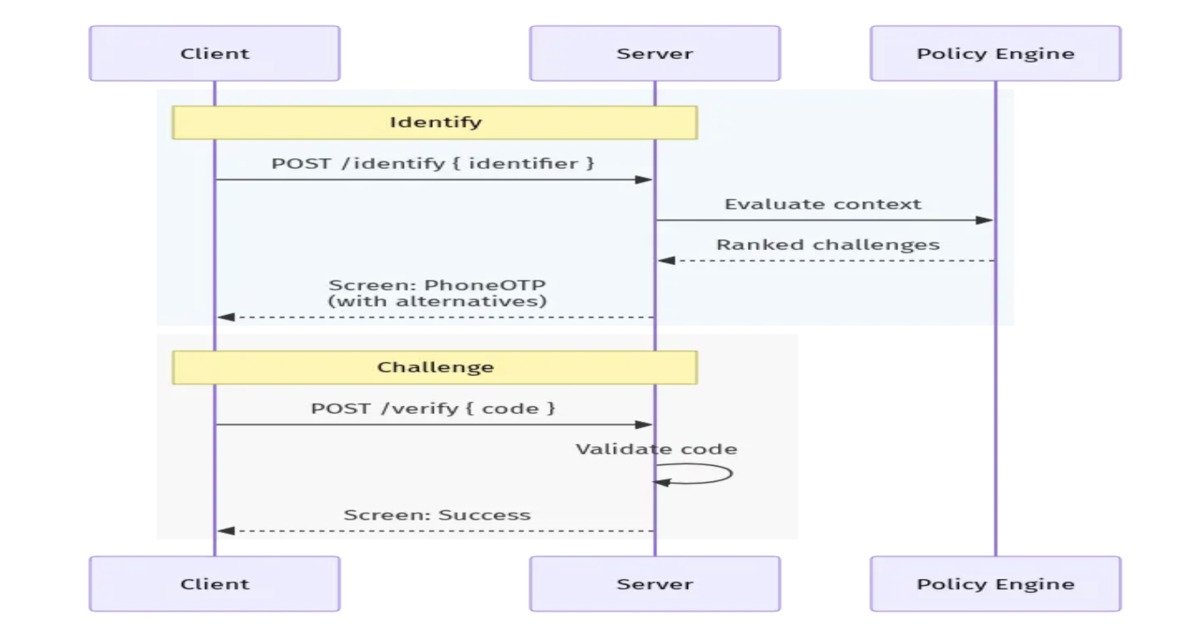
How Airbnb Shed 60% of Authentication Code with Smarter Design
Airbnb cut authentication code by 60% without sacrificing security. Its new Flexible Authentication system, built on server driven flows and policy based challenge selection, also trimmed the web bundle by 100 KB and boosted successful logins by 2.6%. That is a meaningful win for user experience. The approach proves that rethinking architecture can deliver real, measurable gains. For a deeper look at how modern infrastructure choices are reshaping workflows, check out our piece on scaling AWS server deployments with the Stateless Model Context Protocol.
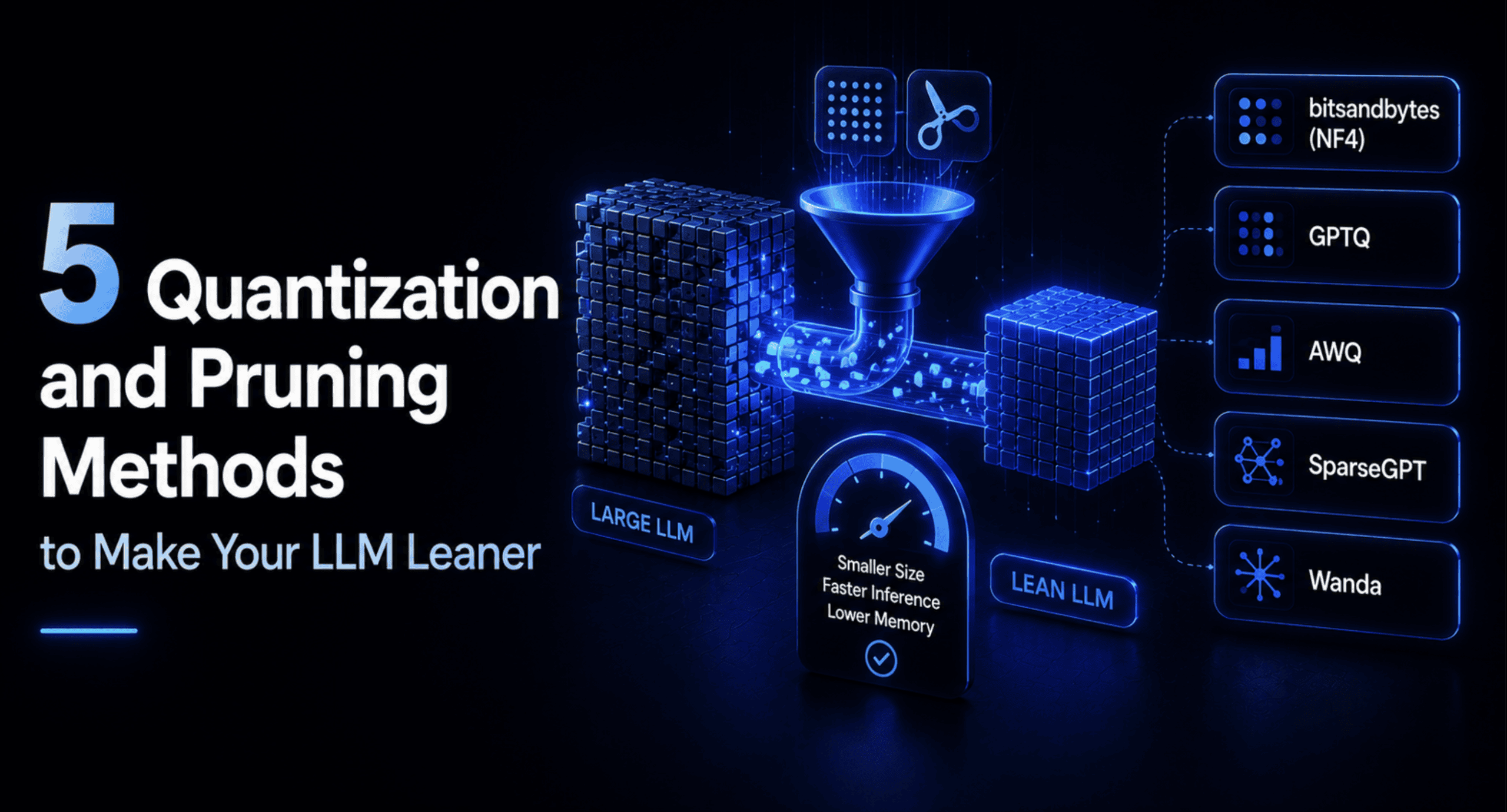
Five Production Methods to Make Your LLM Leaner and Faster
Every parameter in your model costs money, and too many of them mean your inference bill climbs with every prompt. Quantization and pruning are how you cut that weight without gutting performance, and skipping them leaves you paying for latency you do not need. Quantization and pruning cut model weight without gutting performance, and five production methods demonstrate how. If you are still unpacking how distributed systems shape model training, our guide to distributed algorithms pairs well with this one.
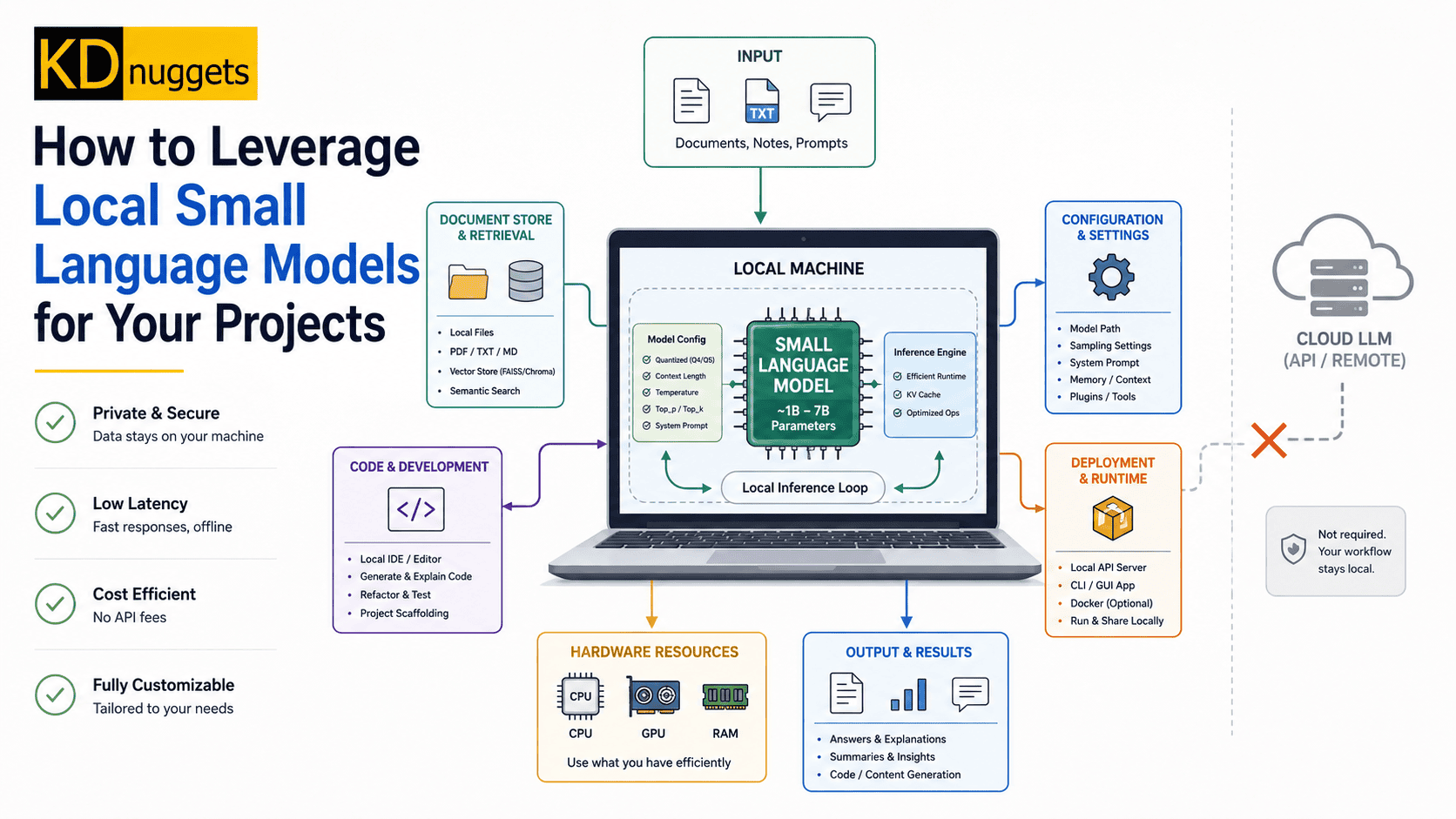
Unlock Faster AI by Running Small Language Models on Your Own Hardware
Local small language models let you run capable AI without sending your data anywhere. That is the practical appeal: privacy, lower cost, and direct control over your own hardware. This guide walks through the real steps to get them working, and we think the payoff is worth exploring. If you are curious about the broader challenges of distributed systems, our piece on unlocking LLM training offers a useful companion. For now, start compact, stay efficient, and see what you can build.

Smaller reactor part opens a new path to cheaper nuclear power
Apollo Atomics is zeroing in on a component most people have never heard of, and that focus could change the economics of nuclear power. By shrinking a critical reactor part, the Y Combinator alum aims to drive electricity costs below natural gas. That is a bold claim, but it is grounded in a practical insight: sometimes the biggest wins come from refining what is already there. For readers tracking how emerging tech reshapes infrastructure, our piece on Nscale's recent funding offers a useful parallel.

How home batteries became accessible and why that matters for you
Home batteries are suddenly cheap and everywhere, and that shift is worth pausing over. Companies like Tesla and Base Power are racing to claim their share of a market that's growing faster than most of us expected. One technology made it possible, and it's quietly changing what home energy can look like. This isn't hype; it's momentum. For anyone who's watched power costs climb or felt the limits of a grid, this is a story about real options emerging.

Designing Smarter Inference for High-Volume Workloads at Lower Cost
Meryem Arik's guide cuts straight to a question most teams avoid: how do you make AI inference genuinely cheap when the workload is massive but patience is on your side? Her answer isn't a single trick but a series of deliberate trade-offs across hardware, runtimes, and queue design. For engineering leaders tired of ballooning costs, her approach reframes non-real-time processing as a strategic advantage. It's practical, clear, and refreshingly grounded.

Explore smarter data labeling by using AI to focus human effort where it matters most.
Human labeling is expensive, and most of it goes into teaching models what they should already learn from less. Using ML active learning to target annotation where it truly matters reduces paying for redundant work. It's a smart, grounded approach for teams feeling the squeeze on time and budget. If you're exploring smarter ways to train models, our guide on distributed algorithms pairs nicely with this mindset.
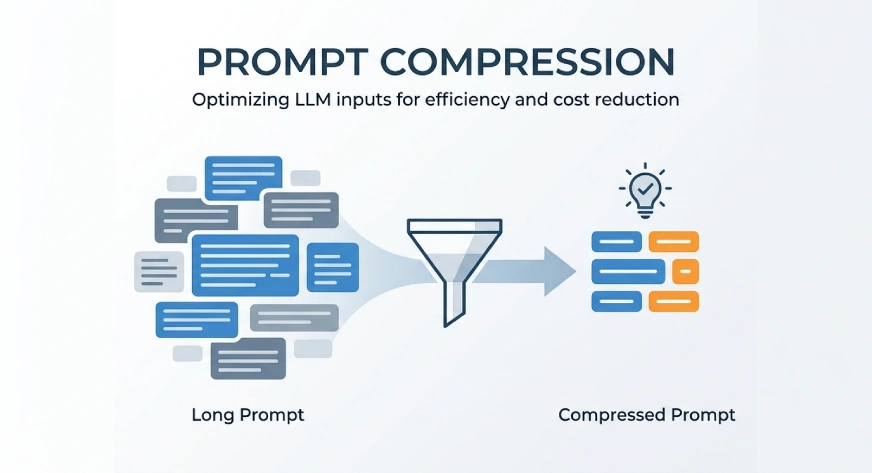
Smarter Prompts, Lower Costs: Compress Without Losing Context
Every prompt carries more than it needs. Long instructions, retrieved documents, and chat history inflate token counts, slow responses, and bury what matters. Prompt compression trims that excess while preserving the core meaning. It is a practical answer to a growing cost problem, and it deserves attention. If you want to see how agents learn by editing context instead of weights, our piece on Agentic Context Learning pairs well with this discussion. The takeaway is simple: leaner inputs, sharper outputs.
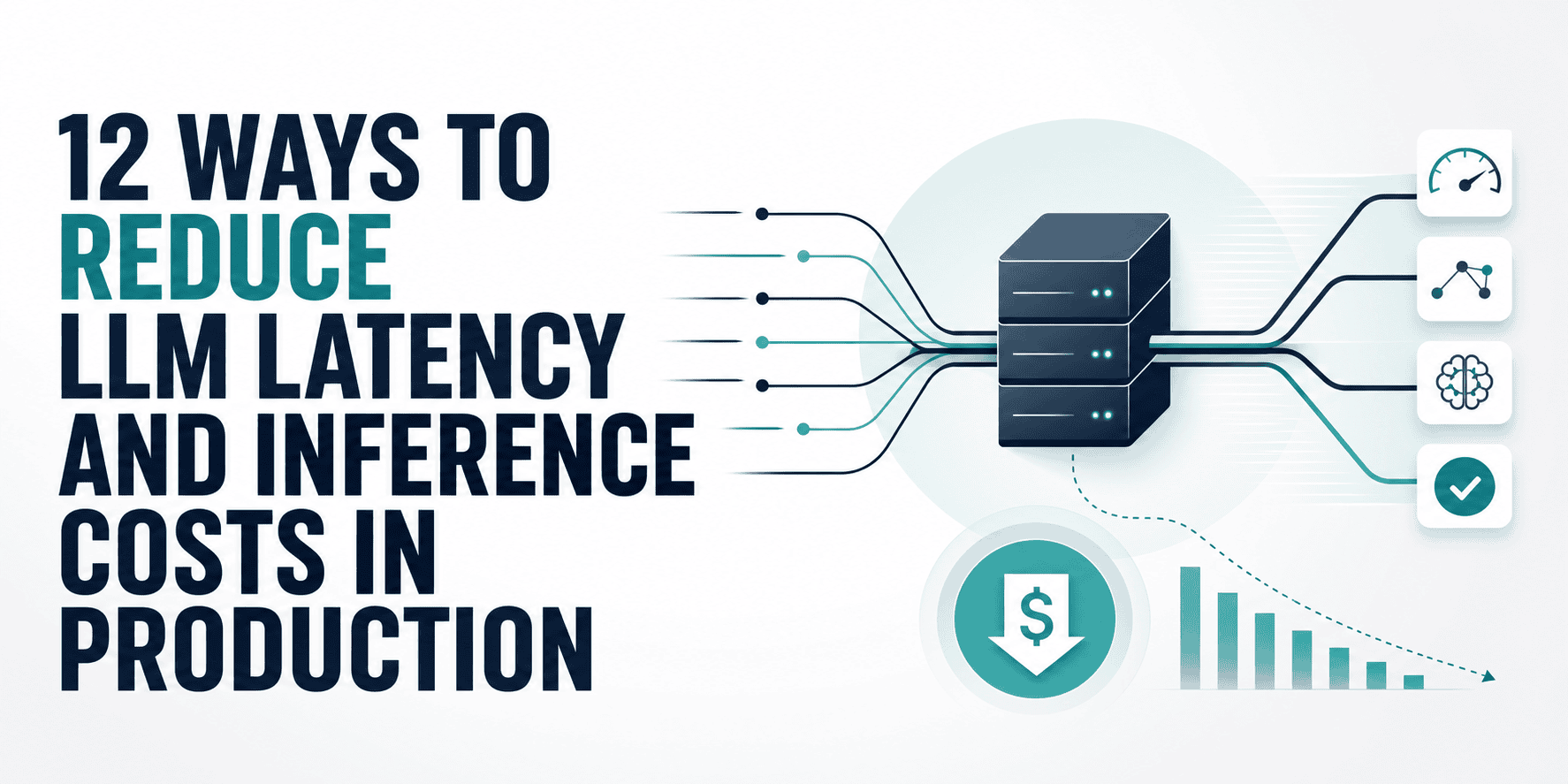
Stop Wasting Compute: Smarter Ways to Speed Up LLM Inference
Scaling LLMs isn't about adding GPUs. It's about removing wasted work from every request. That distinction shapes our latest guide, which lays out 12 practical ways to cut latency and inference costs without chasing hardware. Each tactic targets the inefficiencies that quietly slow production systems. If you're ready to move past brute-force scaling, this is where you start. For a deeper look at how distributed systems underpin these choices, our guide on unlocking distributed training algorithms pairs well with the conversation.