Cloudflare Introduces Workflows V2 with Deterministic Execution and 50K Concurrent Workflows
Our take
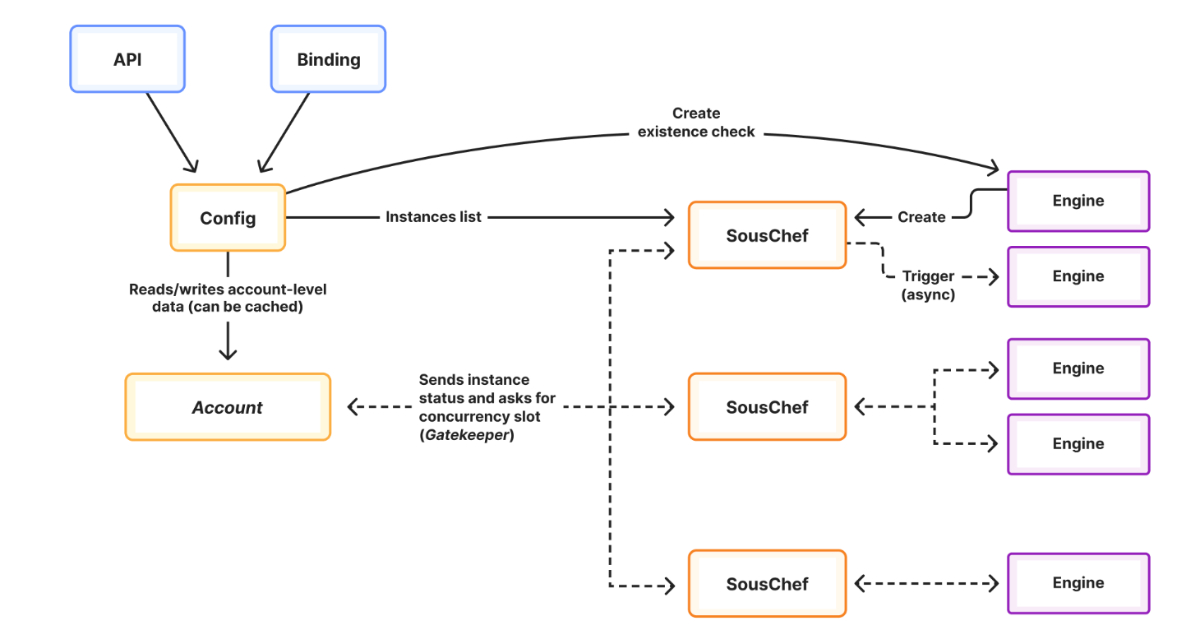
Cloudflare's recent launch of Workflows V2 marks a significant advancement in the realm of distributed workflow orchestration systems. This redesign emphasizes deterministic replayable execution, which promises enhanced reliability for developers and businesses navigating increasingly complex data environments. With the ability to manage 50,000 concurrent instances and support up to 2 million queued workflows, Cloudflare is positioning itself to address the growing demands of AI agents, data pipelines, and background processing. Such capabilities are crucial as organizations strive for efficiency and scalability in their operations. For context, similar innovations are seen in other areas of AI development, such as the Anthropic Introduces Routines for Claude Code Automation, which showcases the trend toward automation and optimization in coding practices.
The enhancements in observability that come with Workflows V2 cannot be overlooked. By providing developers with clearer visibility into their workflows, Cloudflare is not just simplifying the orchestration process; it is also enhancing transparency across distributed systems. This is particularly relevant in today's data-driven landscape, where organizations must not only manage vast amounts of information but also ensure that their processes are auditable and reliable. As we see with developments like OpenAI Omni Moderation: How to Filter Text & Images for Free, the ability to monitor and manage outputs effectively is becoming increasingly critical for businesses leveraging AI technologies.
From a broader perspective, the launch of Workflows V2 reflects a pivotal shift in how organizations are approaching data management and process automation. Traditional methods, often characterized by static and rigid workflows, are giving way to dynamic systems that prioritize adaptability and real-time processing. This move aligns well with the current trajectory of technological advancement, where the emphasis on speed and efficiency is paramount. The integration of AI capabilities into workflow systems not only streamlines operations but also enhances the potential for innovation across various sectors. As businesses continue to seek out tools that optimize productivity, platforms like Workflows V2 will likely become essential components in their digital arsenals.
Looking ahead, the implications of Cloudflare's Workflows V2 are profound, raising important questions about the future of workflow automation. Will we see an even broader adoption of deterministic systems across different industries? How will this impact the competitive landscape for existing workflow orchestration tools? As organizations increasingly recognize the importance of agility and reliability in their operations, staying attuned to these developments will be crucial. The challenge will be to integrate such technologies seamlessly while ensuring they are accessible and user-friendly, ultimately empowering users to transform their data management practices effectively. The evolution of these tools signals a promising future where organizations can unlock new levels of efficiency and innovation.
Cloudflare introduces Workflows V2, a redesigned distributed workflow orchestration system with deterministic replayable execution, improved observability, and major scaling upgrades, including 50,000 concurrent instances and 2M queued workflows. It supports AI agents, data pipelines, and background processing with improved reliability across distributed systems.
By Leela KumiliRead on the original site
Open the publisher's page for the full experience