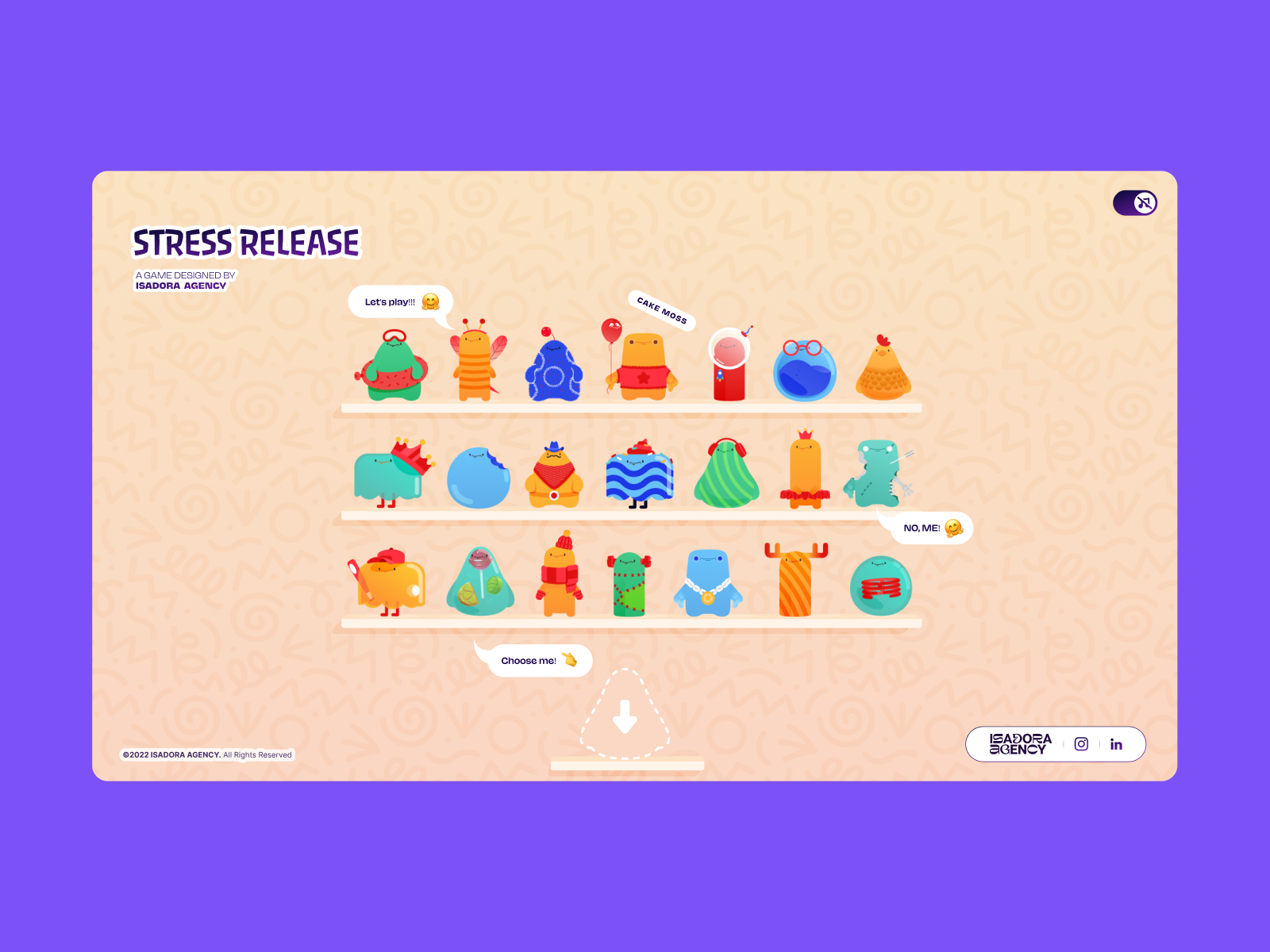
The instinct to reach for a physics engine when a design calls for something that feels alive is understandable. Matter.js and WebGL have become the default answer for any interface that needs weight, bounce, or a sense of destruction. But Alexey Kopytin's account of building the Stress Release squeeze toy at Isadora Agency makes a compelling case for restraint. The team chose Lottie animations, DOM events, and distance-based math instead of a heavier framework. That choice is not about avoiding complexity; it is about honoring the art direction with absolute precision. When a designer crafts a specific squash-and-stretch motion, a physics engine will approximate it. Kopytin's approach guarantees the motion matches the intent, every single time.
For our readers, this is a practical lesson in scoping. The project is sponsored by Isadora Agency, but the technical rationale stands on its own. The real takeaway is that tactile UX does not require a full physics simulation. It requires understanding the exact moment a user's finger presses, drags, and releases, then mapping that interaction to a controlled animation. This is not a shortcut; it is a deliberate architectural decision. The DOM events handle the input, the distance math translates that input into a value, and Lottie renders the animation frame by frame. The result is a system where the developer retains control over the feel, rather than surrendering it to a physics engine's default behaviors. For anyone building interactive web experiences, this suggests a simpler stack can often deliver a more intentional result.
If a reader asked us about this approach, we would tell them to look at their own project's constraints. Physics engines are powerful, but they introduce variables that are hard to tame. A bouncy ball in a game might need real gravity, but a stress-relief squeeze toy needs a predictable, repeatable response. The difference is the difference between simulation and expression. By using Lottie, the team at Isadora ensures the animation is authored, not generated. That means the motion can be tweaked in a design tool, reviewed by a motion designer, and shipped without a developer hand-tuning spring constants. This is a workflow advantage that matters in production. It also means the performance budget stays lean, which is critical for mobile devices where tactile interactions matter most.
The open question is where this philosophy leads next. If a simple squeeze toy can be built without a physics engine, what other interactions might benefit from the same discipline? Drag-and-drop, carousels, and even scroll-driven animations often over-rely on simulated physics when a curated animation would feel better. The detail to watch is whether more teams adopt this hybrid approach: using Lottie for the visual payoff and DOM events for the input layer. The takeaway worth quoting: "A physics engine approximates a designer's intent; a curated animation honors it." For now, the concrete consequence is that your next tactile project might not need a heavy framework at all, just a clear understanding of the motion you want to deliver.