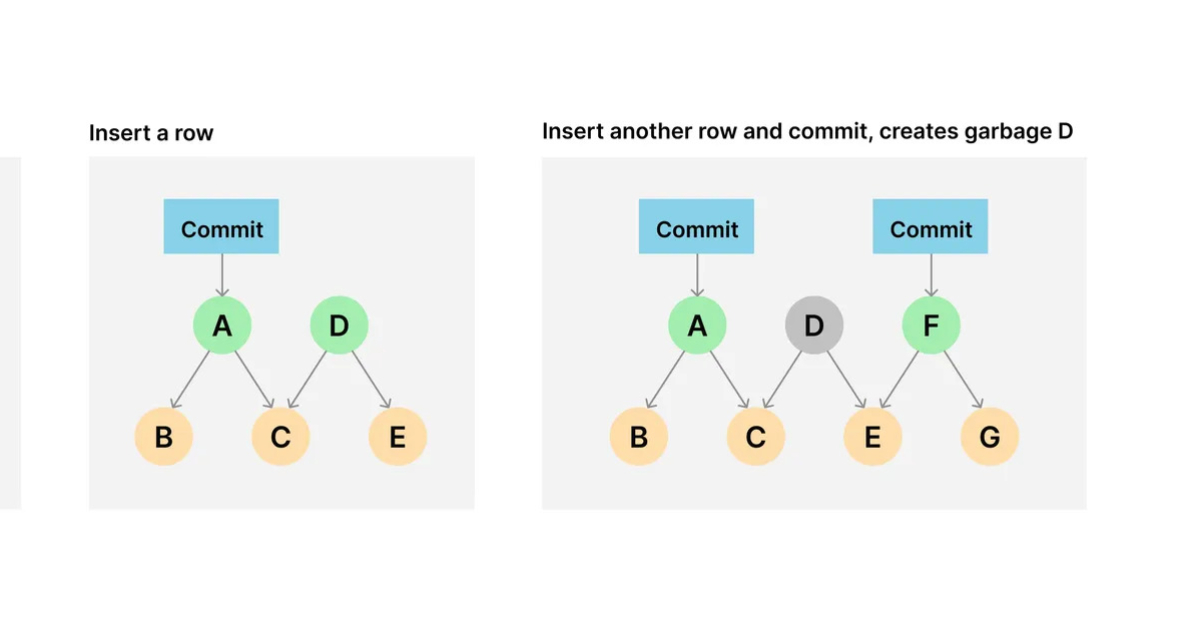
Dolt 2.0 is not a flashy release, and that is exactly why it matters. While the headline focuses on automatic storage cleanup and compression, the real story is about what happens when a version-controlled SQL database stops asking you to manage its own history. For anyone who has used Dolt, or any Git-like system for data, you know the pain of repository bloat. Every commit, every branch, every schema change sits there, accumulating weight until the database itself becomes sluggish. DoltHub has now addressed that friction head-on, and the result is a tool that feels less like a clever hack and more like a serious infrastructure choice.
Let's be direct about what this means for your daily workflow. The addition of garbage collection and compression is not a background nicety; it is the difference between a database that grows forever and one that stays predictable. In practical terms, this update removes a major operational burden. You no longer need to script your own cleanup routines or worry that a long-lived branch will drag down query performance. Improved support for large and vector data types is the quieter but equally significant half of this release. As teams start building AI-powered features, the ability to store and query embeddings directly in a versioned SQL database becomes a competitive advantage. You get the historical precision of Dolt with the modern data types that your machine learning pipelines actually require.
If a reader asked us whether this update makes Dolt a viable choice for production, our answer would be a measured yes, with one caveat. The automatic nature of the storage optimization is the key feature to watch. We would want to see how the garbage collector behaves under heavy write loads and whether compression introduces any latency spikes during peak hours. That said, the direction is unmistakable. Dolt is no longer just a novel experiment in version control for databases; it is maturing into a platform that understands the operational realities of running data infrastructure. The team is not just adding features; they are listening to the pain points of their users and removing the manual overhead that often stops teams from adopting versioned data in the first place.
Here is the concrete takeaway: with Dolt 2.0, the cost of maintaining a versioned history just dropped significantly, and that changes the calculus for anyone who has been holding back. The open question is whether the community will embrace this as the default way to manage data, or if it remains a specialized tool for those who need audit trails. We are watching to see if the automatic compression features can keep pace with the growing demand for large object storage, especially in AI workloads. If Dolt can prove that version control does not have to come at the cost of performance, it will not just be an alternative to traditional databases; it will be the smarter choice for teams that value both agility and integrity.