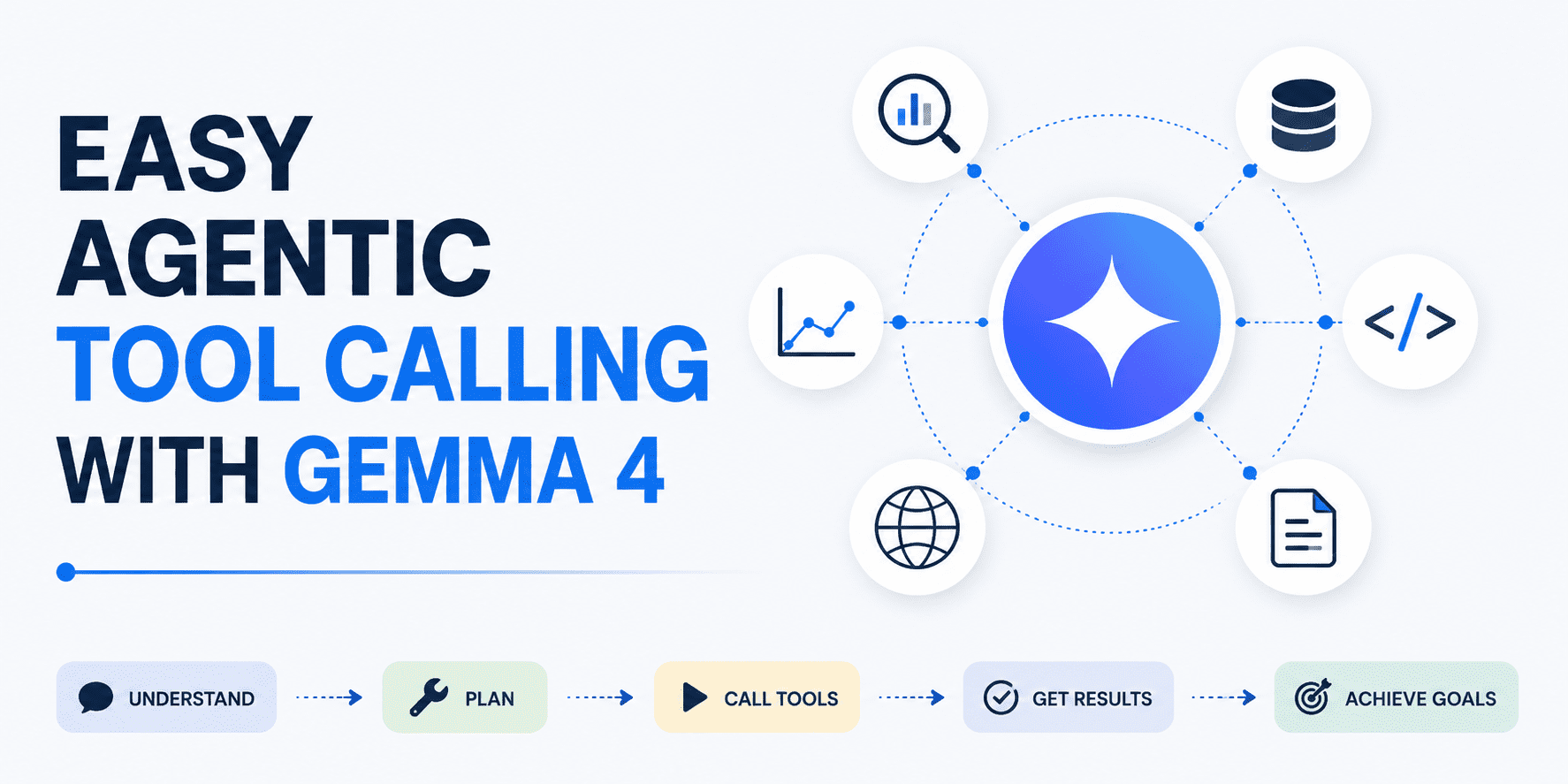
The introduction of new capabilities in AI tools often represents a pivotal moment for users navigating an increasingly complex digital landscape. The recent tutorial on Gemma 4, which showcases the model's ability to autonomously determine when to utilize its tools, exemplifies this evolution. By simulating decision-making processes, Gemma 4 not only enhances its functionality but also empowers users to harness its capabilities more intuitively. This development resonates with the growing demand for accessible technology that simplifies intricate tasks, a theme echoed in our articles such as Remove Duplicated and Originals? and Formula with filtering expired Certificates needed, which delve into practical solutions for common spreadsheet challenges.
The significance of Gemma 4's two new tools lies in their ability to enhance user control over data management processes. Traditionally, users have relied heavily on manual inputs and rigid formulas to navigate spreadsheet complexities. However, with Gemma 4's autonomous decision-making capabilities, users can potentially reduce the cognitive load associated with managing data. This shift not only makes spreadsheet technology more engaging but also aligns with a broader movement towards intelligent automation in data management. As users increasingly seek solutions that allow them to focus on strategic decision-making rather than repetitive tasks, tools like Gemma 4 are set to play a crucial role in redefining productivity.
Moreover, the implications of such advancements extend beyond mere convenience. As we observe the evolution of AI tools, it's essential to consider how they influence the landscape of data management. The introduction of self-optimizing features not only enhances efficiency but also democratizes access to sophisticated data analysis. Users, regardless of their technical background, can engage more meaningfully with their data, fostering a culture of exploration and innovation. This is particularly important in environments where data-driven decision-making is paramount, as seen in contexts like the laboratory tracking certificates discussed in How to exclude columns in =Filter.
Looking ahead, the ability of AI tools like Gemma 4 to autonomously decide when to compute or explore raises intriguing questions about the future of human-computer interaction. As these technologies become more intuitive and user-friendly, we must consider how they will shape the way we approach data management tasks. Will we see a shift in user roles, where individuals become more strategic thinkers while AI handles the operational intricacies? Or will this lead to new challenges as users navigate the balance between reliance on technology and maintaining their analytical skills?
In conclusion, the advancements demonstrated in Gemma 4's tutorial mark a significant step toward a more integrated and user-friendly approach to data management. As technology continues to evolve, it is crucial for users to stay informed and adaptable. The future of spreadsheet technology is not just about enhanced tools; it’s about redefining the way we interact with data to drive meaningful change in our workflows and decision-making processes. As we continue to explore these innovations, one thing is clear: the journey toward a more empowered data experience is just beginning.