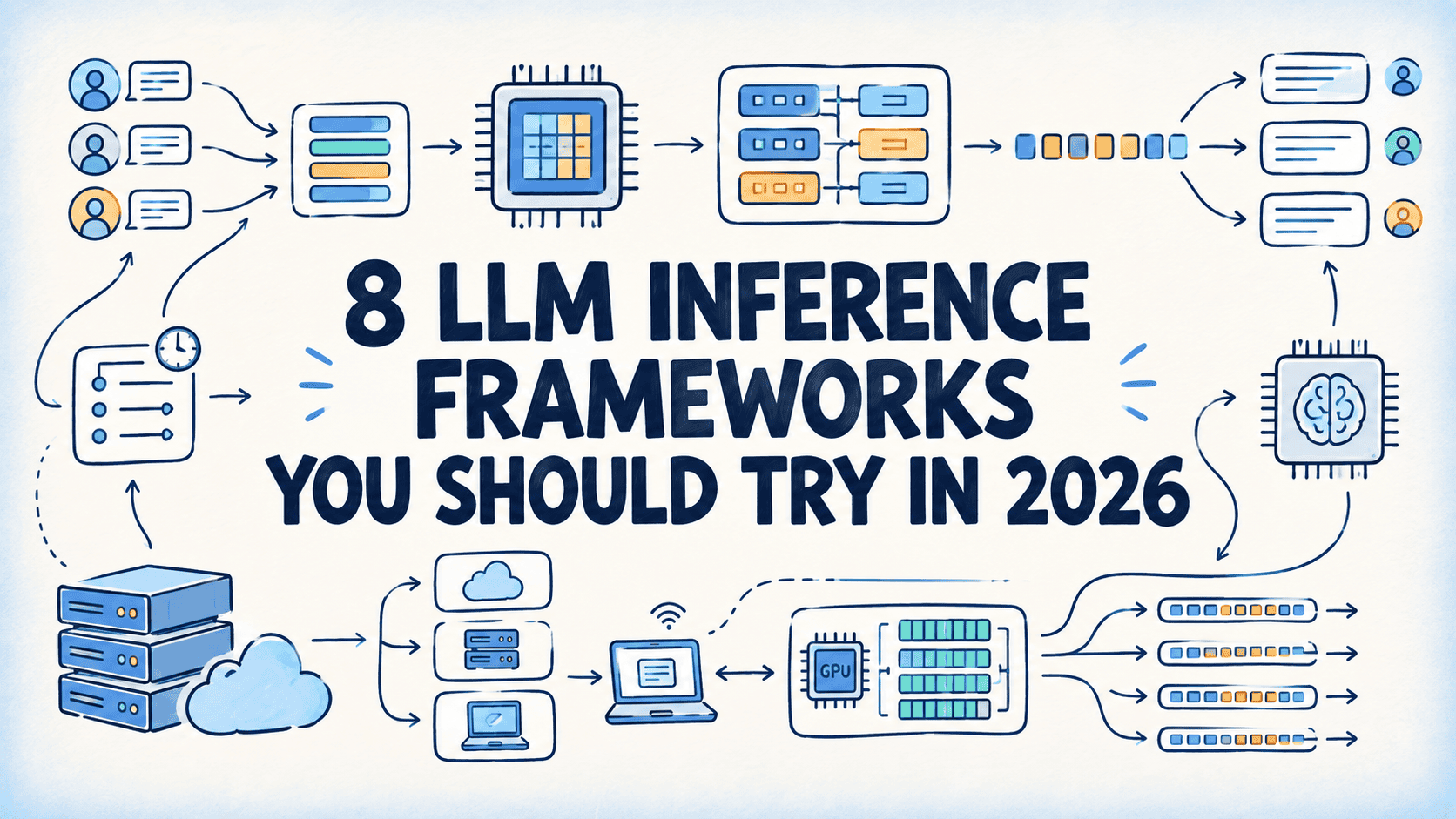
The choice of an LLM inference framework is now a production decision, not a research one. Comparing frameworks on request batching, KV cache management, and deployment efficiency is exactly the kind of unglamorous work that determines whether an AI feature feels instant or infuriating to the people using it. Our take: teams that treat serving as an afterthought will pay for it in latency, cost, and user trust.
This is the same discipline we champion elsewhere. The coding challenges we cover, like Explore a coding challenge that transforms spreadsheet puzzles into data discovery and Mapping Data with Precision: Solve the Cartograffity Challenge, reward people who sweat the mechanics rather than the demo. Production inference asks for the same temperament. Batching decides how many requests share a pass through the model. KV cache management decides how much memory that costs and whether long conversations stay responsive. Deployment efficiency decides what you pay per query at three in the morning when traffic is low but the servers are still running. None of these show up in a launch announcement. All of them show up in your bill and your users' patience.
For our readers, the practical move is to evaluate frameworks against your actual workload before you commit. Ask how each one handles batching under uneven traffic, how it manages the KV cache when contexts grow long, and what deployment looks like when you need to scale down as well as up. The answers separate tools built for production from tools built for benchmarks. This mirrors the lesson in The AI certifications that actually advance data careers: credentials and frameworks alike earn their value through demonstrated results, not reputation.
The specific takeaway: pick your inference framework by measuring batching behavior and cache efficiency on your own traffic, and treat those numbers as the deciding factor. A framework that looks modest on paper but keeps memory predictable under real request patterns will outperform a flashier option that collapses when contexts lengthen. Watch for how each framework documents its cache eviction and batching defaults, because those defaults become your production behavior whether you chose them or not.