The perennial quest for career transformation through data science education is a powerful one, and the frustration of the overwhelming number of choices and the difficulty in discerning genuine value is something we deeply understand. The sheer volume of data science courses available, ranging from free introductory programs to year-long immersive bootcamps, speaks to the surging demand for skilled professionals. However, as Podcast: Increasing Users' Data Agency: From BlueSky's AT Protocol to the Local-First Software Movement demonstrates, the focus should be less on the *quantity* of training and more on empowering individuals with agency and control over their data skills. Ultimately, the right course isn't just about acquiring knowledge; it's about building a foundation for continuous learning and adaptation within a rapidly evolving field.
The core question – "which course will actually help me become a working data scientist?" – cuts to the heart of the matter. It's a practical, outcome-focused inquiry that moves beyond marketing hype and promises of instant success. This isn't about chasing the latest buzzword or the most expensive program; it's about aligning learning with career goals and assessing the curriculum's rigor and relevance. The focus on practical application and real-world skills is crucial, particularly as the rise of AI-powered tools shifts the landscape of data science roles. Consider, for example, how the ability of a satellite to independently locate objects A satellite just learned to find things on its own — here's what that means underscores the increasing autonomy of systems and the need for data professionals to understand and manage these intelligent workflows. This necessitates a move beyond purely theoretical knowledge and towards a skillset that incorporates AI governance and responsible deployment, as outlined in Article: Governing AI in the Cloud: A Practical Guide for Architects.
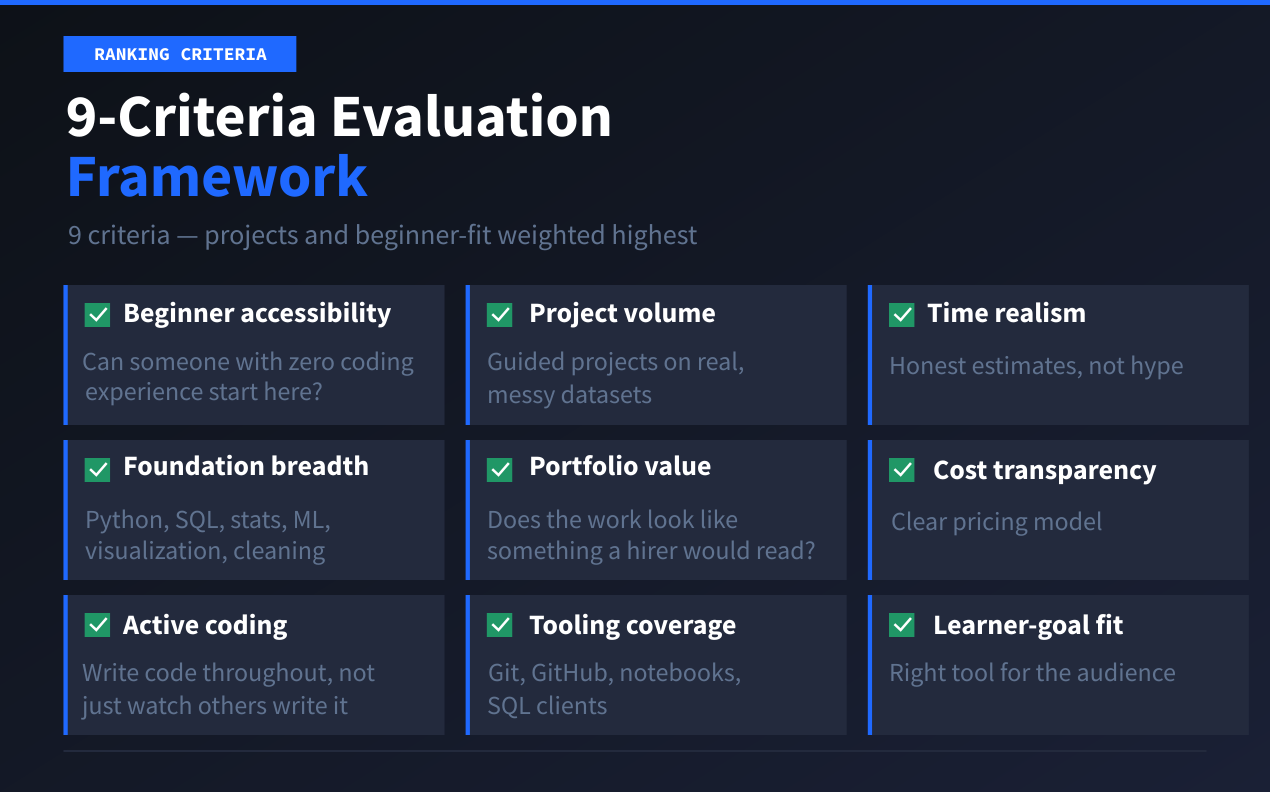
The proliferation of courses also highlights a broader trend in accessible education, a positive development that democratizes opportunities. However, it simultaneously creates a challenge for learners to discern quality and identify programs that genuinely equip them for the demands of the modern data science landscape. The emphasis on practical application and demonstrable skills – the ability to build, analyze, and interpret data – is paramount. We see a shift away from rote memorization of algorithms and towards a deeper understanding of data structures, statistical modeling techniques, and the ethical considerations surrounding data usage. The value of a data science education isn't solely in acquiring a list of skills; it's in cultivating a mindset of critical thinking, problem-solving, and continuous learning – attributes that will remain essential regardless of technological advancements.
Looking ahead, the question isn't simply "What data science course should I take?" but rather, "How can I build a lifelong learning strategy that adapts to the accelerating pace of innovation?" The future of data science will demand adaptability, a willingness to embrace new tools and techniques, and a commitment to ethical and responsible data practices. Those who prioritize foundational knowledge, practical application, and a continuous learning mindset will be best positioned to thrive in this dynamic field, regardless of the specific courses they choose along the way. How will education providers effectively measure and demonstrate the long-term impact of their data science programs, beyond initial placement rates, and ensure their graduates are prepared for the evolving demands of the workplace?