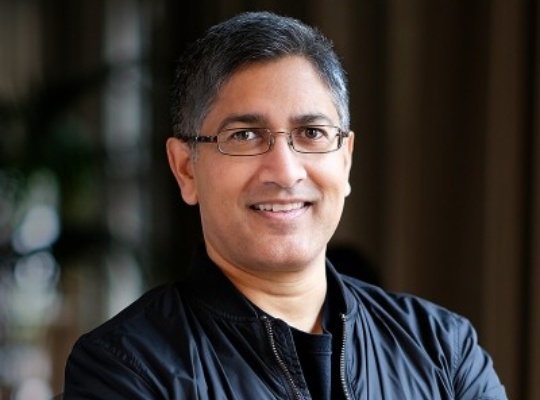
Generative AI was never just a creative tool, and pretending otherwise has left us exposed. Shuman Ghosemajumder makes clear what many in engineering leadership have been slow to accept: the same technology that generates art and text now powers disinformation at a scale that mimics human behavior with chilling accuracy. This is not a distant threat or a theoretical risk. It is the new reality of automated fraud, and it demands a fundamental shift in how we think about trust online.
For years, CAPTCHA tests served as a simple gatekeeper, asking users to prove they are human. Ghosemajumder explains why that approach has become a fallacy. AI can now solve these puzzles faster than most people, rendering them useless as a defense. The implication for your organization is straightforward: if your security strategy still depends on distinguishing human actions from machine actions, you are already behind. The line between the two has blurred to the point of irrelevance. What matters now is not whether an interaction comes from a person or an AI, but whether the behavior itself is malicious.
Ghosemajumder advocates for a zero-trust "cyber fusion" approach, and that advice deserves serious attention. Rather than relying on perimeter defenses or outdated verification methods, engineering leaders must assume that any user, any request, any piece of data could be compromised. This means integrating threat detection across every layer of your infrastructure, not just the network edge. It means sharing intelligence between teams that have historically worked in silos, security, data, product. And it means building systems that can adapt in real time, because the attackers are already doing that.
The practical takeaway is uncomfortable but necessary. Your current defenses are likely designed for a world that no longer exists. The tools your team once trusted to validate identity or detect anomalies are being turned against you by the same AI that your competition uses to optimize workflows. Ghosemajumder's insight is not a warning for the future; it is a description of the present. Start auditing your systems for vulnerability to automated disinformation and fraud today, not because you fear a coming wave, but because the wave is already here.