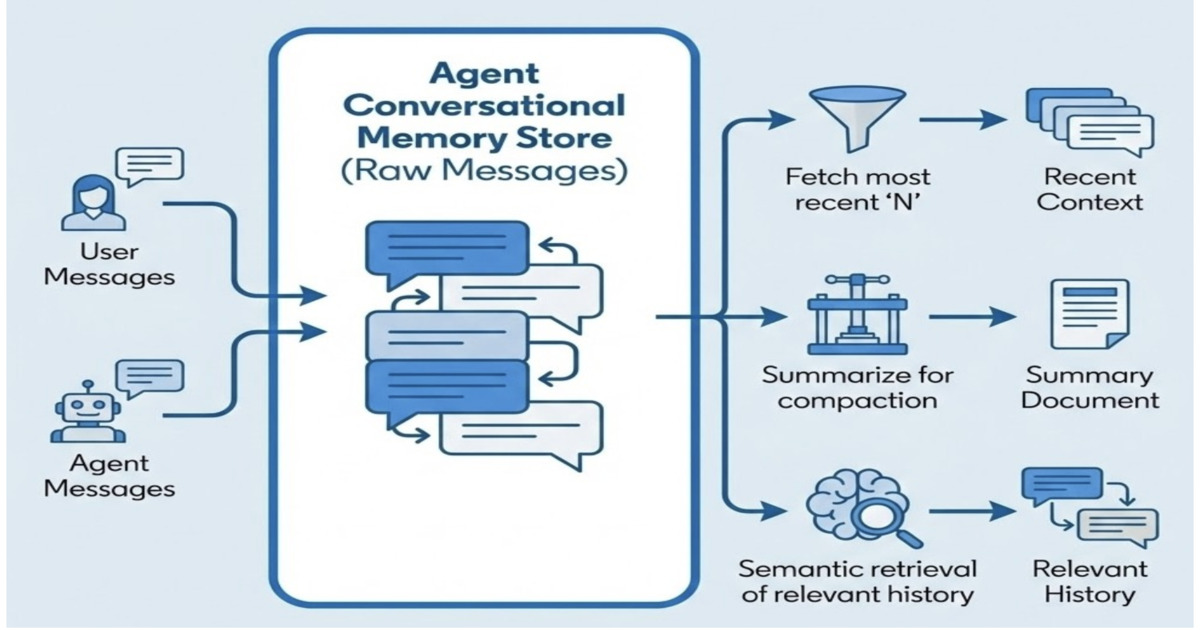
LinkedIn's Cognitive Memory Agent is the kind of infrastructure that quietly changes what AI can do, and it deserves more attention than a feature announcement. The company has built a generative AI layer that gives large language models something they have never really had: a working memory. By adding persistent storage across episodic, semantic, and procedural layers, CMA directly confronts the statelessness that has kept AI agents from feeling genuinely useful in real workflows. This is not a minor technical upgrade. It is the difference between a chatbot that forgets your name and a system that remembers how you work.
For anyone who has grown frustrated with AI tools that reset with every new session, this matters on a practical level. The CMA architecture supports multi-agent coordination and retrieval, which means it is not just remembering data for one conversation. It is building a shared context that multiple agents can draw from, update, and act on. LinkedIn is solving the problem of long-term personalization at scale, and they are doing it in a way that other platforms will likely need to replicate. The implications for productivity are direct: less re-explaining, fewer repeated mistakes, and a smoother path from a question to an action. That is the kind of progress that does not need hype, because the utility speaks for itself.
What stands out about this approach is the lifecycle management component. Memory is not just a storage bin; it needs to be maintained, updated, and eventually retired. CMA treats memory as a managed resource, which is the right way to think about it. Without that discipline, persistent memory becomes a liability, a pile of stale facts that mislead rather than assist. LinkedIn's design acknowledges that context has a shelf life, and that is a level of maturity the AI industry has been slow to adopt. This is not about making agents sound smarter. It is about making them safer to trust with ongoing work.
The takeaway for teams building on AI is straightforward: statefulness is the next competitive frontier. If you are evaluating tools or building your own agents, start asking how memory is handled, because the answer will determine whether your system feels like a partner or a parlor trick. LinkedIn has shown a credible path forward, and it is one that centers on user outcomes rather than model capabilities. That is the standard to hold every AI vendor to from here on.