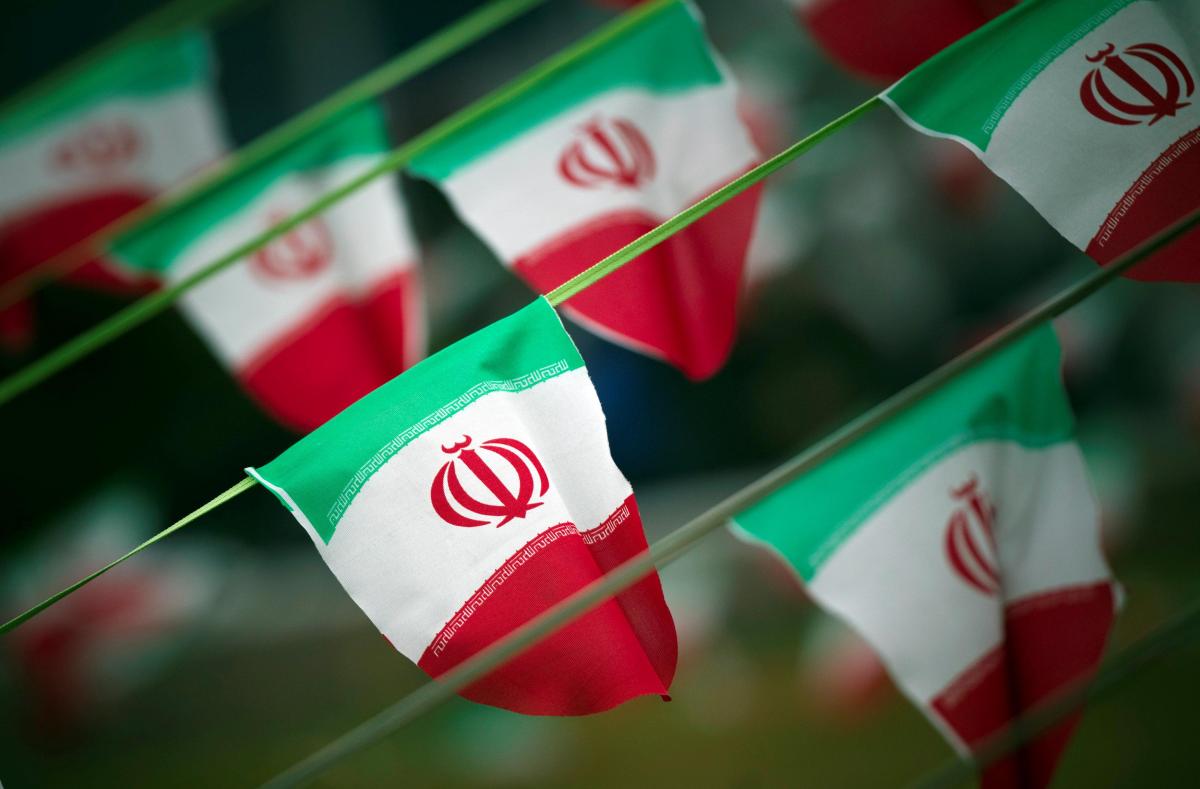
The joint advisory from the FBI, NSA, and CISA is a stark reminder that the digital front lines have shifted. Iranian state hackers have escalated their attacks on U.S. critical infrastructure, and this is not a distant geopolitical tremor. It is a direct, ongoing pressure campaign aimed at the systems that keep your organization running. The message is simple: the threat model has changed, and so must your posture.
For you, this means the abstract concept of "nation-state actors" now has a tangible, immediate target list that includes the power grids, water systems, and financial networks you rely on. The advisory ties this escalation directly to the ongoing U.S.-Israel war with Iran, which signals that these attacks are not opportunistic but retaliatory and strategic. The practical takeaway is that your defenses cannot be passive. If you have not already mapped your supply chain dependencies, segmented your network, or tested your incident response plan against a worst-case scenario, this is the moment to close those gaps. The hackers are not waiting for a convenient time; they are probing for entry points right now.
This is also a challenge to the assumption that your organization is too small to be a target. Critical infrastructure is a web, and a breach at a regional utility or a third-party vendor can cascade into your operations without a single alert touching your perimeter. The advisory is not just for federal agencies; it is a signal for every security team to re-evaluate their visibility and control. If you have not updated your patches in the last 72 hours, or if your team cannot articulate exactly what happens when a phishing email lands in a finance executive's inbox, you have already fallen behind the adversary's playbook.
The point is not to induce panic but to compel precision. Treat this advisory as a call to action to verify your assumptions, not as another piece of threat intelligence to file away. Ask your team the hard questions today: Who has access to your most sensitive data? What would happen if that access were sold to a state actor? The answer should be a concrete plan, not a hope. The escalation is real, and the only effective response is a defensive posture that assumes compromise and plans for resilience. Do not wait for a second advisory to tell you what you should have done after the first one.