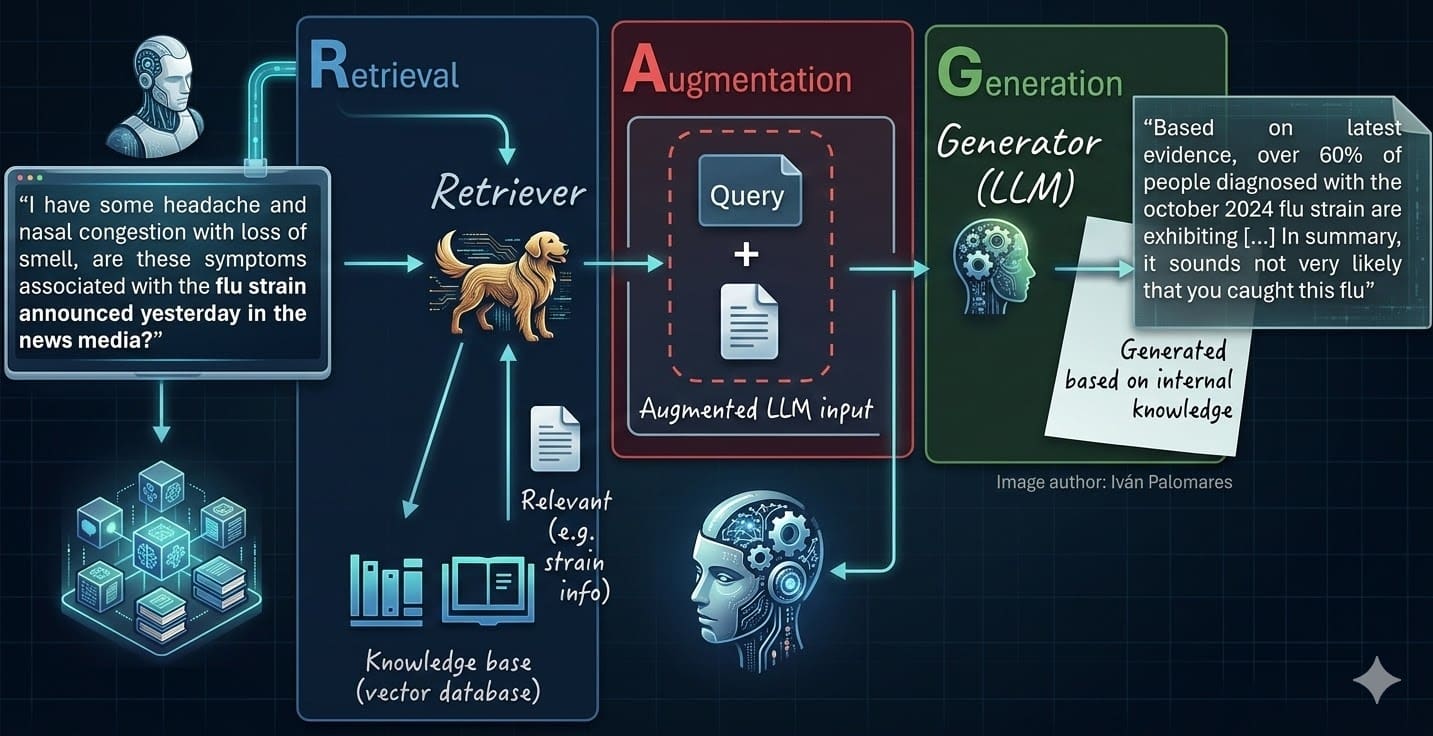
RAG is not a passing trend or a buzzword to throw around in architecture meetings. It is the practical backbone of smarter AI applications, and the seven steps outlined in this piece are exactly the kind of grounded, repeatable framework that separates useful implementations from fragile demos. These seven steps do not promise magic; they promise method. That is the right stance, and it is one worth taking seriously if you are building anything that depends on language models returning reliable, context-aware answers.
What these seven steps give you is a clear path from raw retrieval to refined generation. That matters because the biggest failure we see in AI applications is not a lack of model capability; it is a lack of intentional design around how information is found, ranked, and presented. The steps force you to think about chunking strategies, embedding quality, and retrieval logic before you ever let the model speak. That is where the real work happens, and it is also where most teams cut corners. If you follow the sequence, you are not just wiring up a vector database and hoping for the best. You are building a system that knows what it does not know, which is often more valuable than a model that confidently guesses.
For you, the practical takeaway is this: mastery of RAG is not about memorizing a checklist. It is about understanding why each step exists and how it influences the final output. The steps are framed as essential, and we agree, but only if you treat them as a starting point rather than a finish line. Your data is messy. Your users ask ambiguous questions. Your evaluation set is never complete. The seven steps give you a disciplined way to handle that reality instead of pretending it away. They push you toward iterative refinement, where each pass improves retrieval precision and response quality in measurable ways.
So do not read this as another technical overview to skim and forget. Read it as a blueprint for debugging your own pipeline when things go wrong, and they will go wrong. The teams that succeed with RAG are not the ones with the most sophisticated models. They are the ones that respect the process, test relentlessly, and treat every failure as a signal for improvement. That is the mindset the seven steps support, and it is the mindset you should adopt if you want your AI applications to feel genuinely intelligent rather than merely responsive. Start with the steps, but stay curious about what lies beyond them.