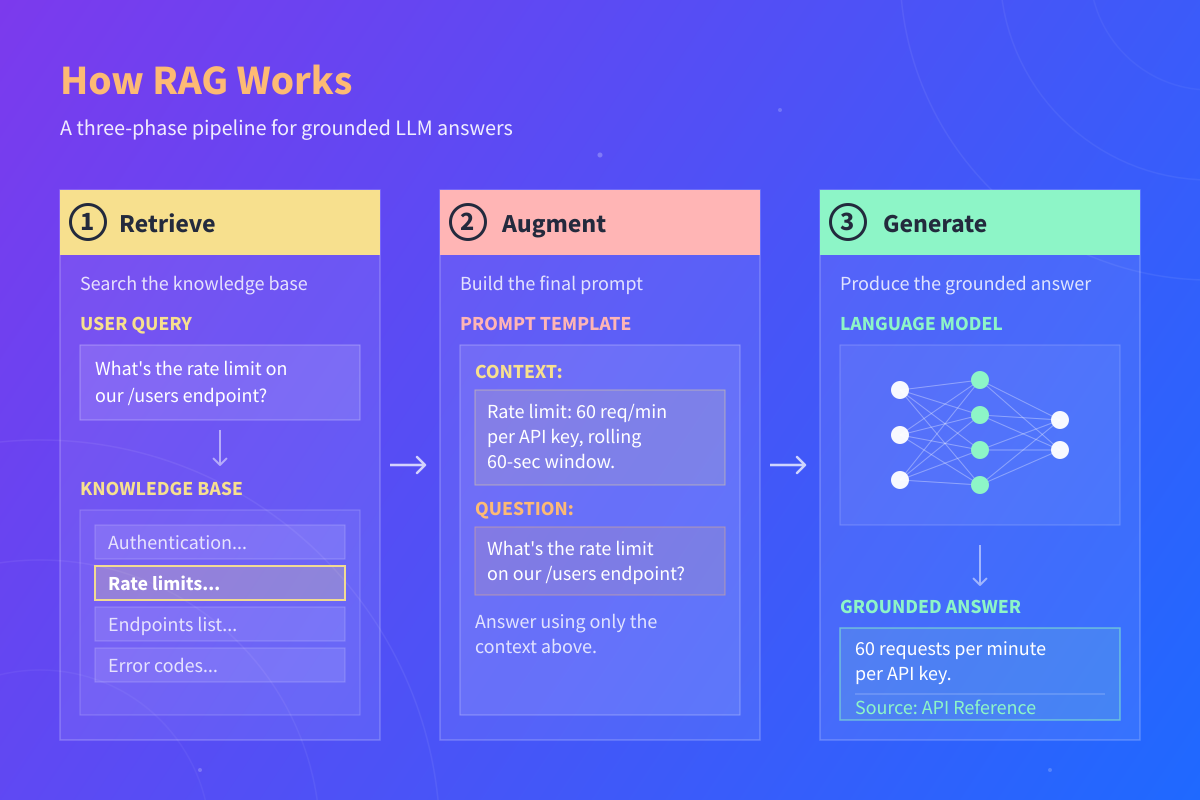
Retrieval-augmented generation, or RAG, represents a compelling shift in how we think about language models and their interaction with external data. By enabling models to ground their responses in real-time information rather than solely relying on pre-existing training data, RAG enhances the accuracy and relevance of generated content. This innovation marks a significant evolution in the landscape of artificial intelligence, opening the door to more nuanced and contextually aware applications. For readers interested in practical insights, our article What We Learned Building a RAG System from Scratch (No Frameworks) offers a detailed exploration of the challenges and triumphs encountered in developing a RAG system without established frameworks.
The RAG process consists of three key phases: retrieval, augmentation, and generation. Initially, the system retrieves relevant data from a specified knowledge base, ensuring that the information is fresh and tailored to the user's query. This is followed by the augmentation phase, where the retrieved data is integrated with the user's question to provide context. Finally, the language model generates a response based on this enriched prompt. This method not only enhances the accuracy of the information provided but also allows for a more dynamic interaction with users. As we explore the implications of RAG, it's essential to consider its potential to transform how we approach data retrieval and contextual understanding in AI applications. For a deeper dive into this concept, check out Understanding Context and Contextual Retrieval in RAG, which examines how context affects retrieval accuracy.
Why does this matter to users and businesses alike? The implications of RAG extend beyond mere data retrieval; they touch on the core of how we interact with information. In a world inundated with data, the ability to filter and deliver relevant insights in real-time can significantly enhance decision-making processes. Businesses can leverage RAG to provide more personalized customer interactions, optimize workflows, and generate reports that are not only timely but also contextually relevant. As organizations increasingly seek to harness the power of AI, understanding and implementing RAG will be crucial for those aiming to maintain a competitive edge.
Looking forward, we must ask ourselves: how will RAG shape the future of language models and their applications? As we continue to refine this technology, the possibilities for improving user experience and operational efficiency are immense. For those keen to master this evolving landscape, our resource on 7 Steps to Mastering Retrieval-Augmented Generation offers practical guidance on navigating these advancements. The journey towards a more intelligent and responsive interaction with data is just beginning, and those who embrace RAG will likely lead the charge into this exciting future.