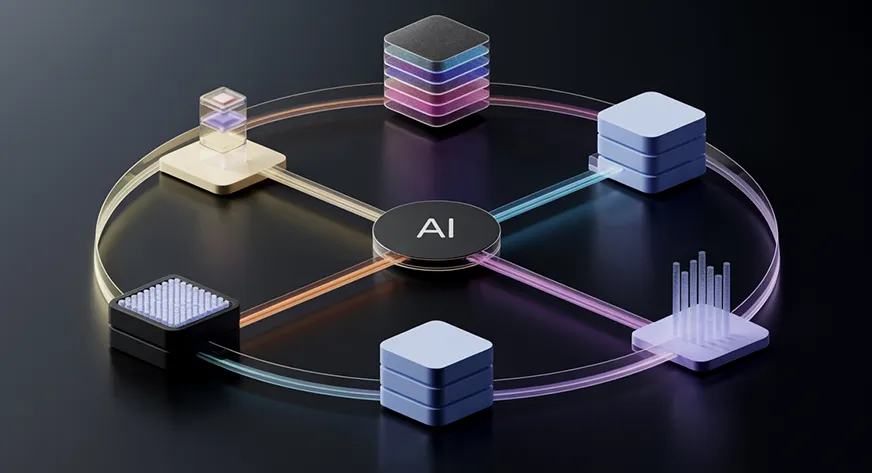
The path to genuinely adaptive AI agents runs through memory architecture, and that is not a technical footnote. It is the entire foundation. Today's large language models can reason, they can generate, they can recall facts embedded in their training, but they cannot remember what you said five minutes ago. That is not a minor gap. It is the difference between a tool that answers questions and an agent that works with you over time. For anyone who has ever pasted the same context into a chat window for the third time, the frustration is familiar. But the deeper issue is that this repetition is not just annoying. It is expensive, inefficient, and fundamentally limits what these systems can accomplish.
This is a shift from stateless models to something closer to a working partner. Persistent memory changes the relationship. Instead of treating every interaction as a fresh start, an agent with memory can build on prior conversations, track decisions, and adapt its behavior based on what it has learned about your preferences or your project's trajectory. The practical implication is direct: less repeated context injection means lower token costs, but more importantly, it means the agent can actually follow through on complex, multi-step goals without losing the thread. That is not a luxury feature. It is what makes autonomous agents viable for real work, whether that is managing a data pipeline, drafting a report, or coordinating a team's workflow.
The vision also hints at orchestration, and this is where it gets interesting. Memory is not just a storage bin. It is an active component that needs to be written, retrieved, and prioritized in real time. The architecture matters because it determines how an agent decides what to remember, what to forget, and what to pull forward when it matters most. This is where the human-centered promise of the technology lives. A smarter agent is not one that knows more facts. It is one that knows what is relevant to you right now, based on where you have been together. That requires memory systems that are not bolted on as an afterthought, but designed into the agent's core.
So what should you take from this? The future of AI agents is not about bigger models or more parameters. It is about building systems that can hold a thread, learn from it, and act on it. If you are evaluating AI tools, ask the hard questions about memory. Does the system remember your context across sessions? Can it retrieve past decisions and apply them to new situations? Does it get smarter about your work the longer you use it? The answers will separate tools that are merely impressive demos from agents that genuinely change how you work. Memory is not a nice-to-have. It is the difference between a conversation and a collaboration.