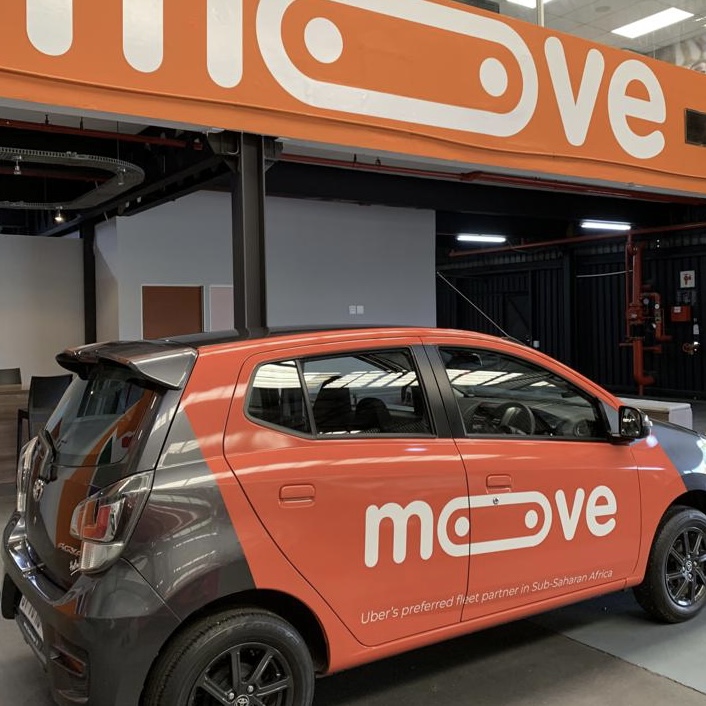
Moove's decision to raise $250 million specifically to scale its autonomous vehicle fleet management business is a clear signal that the industry's center of gravity is shifting. For years, the conversation around robotaxis has been dominated by the sensor suites, the mapping algorithms, and the occasional viral video of a car navigating a roundabout. But the real bottleneck was never just the technology; it was the operational grind of keeping a fleet of vehicles clean, charged, maintained, and ready to serve passengers at scale. Moove is betting that the winner in this space isn't necessarily the company that builds the best car, but the one that runs the most efficient fleet. And if their trajectory is any indication, they're making a compelling argument that the back office is where the real value is being created.
Our take is straightforward: this move validates a truth that many in the data world already suspect. The spreadsheet that tracks your quarterly budget and the dashboard that monitors your logistics network are facing the same pressure that Moove is attacking. When you're managing a few dozen vehicles, a manual process works. When you're managing a few thousand autonomous units, each generating terabytes of data per day, the old ways collapse under their own weight. Moove's plan to eventually own, not just manage, Waymo robotaxis is a bold statement about vertical integration. It suggests that the margins in this new economy don't come from the ride-hailing app or the vehicle itself, but from the intelligent orchestration of assets. For our readers who are building tools to handle complex, real-time data, this is a preview of what's coming: a world where the software doesn't just report on the operation, it *is* the operation. The practical takeaway here is that if you are not already thinking about how your workflows will look when your data sources multiply by a factor of ten, you are already behind the curve.
When we consider what a reader should actually do with this news, we'd say this: watch the ownership structure. Moove's ambition to own Waymo's vehicles outright is the detail that matters most. Managing a fleet for a fee is a services business, subject to the whims of the contract and the client. Owning the asset, on the other hand, means you control the data, the maintenance schedule, and the resale value. It means you are the one who captures the long-term value of the vehicle's lifecycle, not just the daily rental cost. This is a classic build-versus-buy decision, but with a twist: they are building the operational muscle to eventually buy the very machines they currently service. For a startup, that is an aggressive and expensive bet. But it also signals to the market that the real moat in autonomous vehicles is not the AI model, it is the ability to achieve reliability and utilization rates that make the economics work. We would tell you to look at your own data infrastructure the same way. Are you just renting access to your tools, or are you building the capability to own the insights they produce?
The specific consequence to watch is how this capital changes the competitive dynamics for other fleet management startups. If Moove succeeds in owning a significant portion of the robotaxi supply in key cities, they will have a cost advantage that is nearly impossible to replicate without the same scale. The open question is whether the $250 million is enough to bridge the gap from management to ownership, or if this is just the first tranche of a much larger capital raise. We'd bet on the latter. The concrete point to track is their next announcement regarding vehicle orders. If they start committing to multi-year, multi-thousand-unit purchases, you'll know the strategy is working. If they stay quiet on that front, they may just be buying time to figure out how to make the math work. Either way, the era of treating fleet management as a back-office afterthought is over. It is now the front line of the autonomous future.