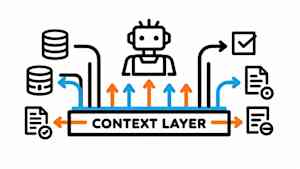
The introduction of Redis Iris marks a significant pivot in how enterprises approach AI data management, particularly as production AI agents generate an exponentially larger volume of data requests than traditional human users. In an era where agentic AI is becoming more prevalent, the existing retrieval architectures—designed with human-scale interactions in mind—are struggling to keep pace. This structural mismatch has prompted a reevaluation of how organizations think about data retrieval and context architecture, highlighting the need for more sophisticated solutions that can dynamically support these AI agents. It echoes broader trends in the industry, such as the recent acquisition of a dev tools startup by Anthropic, which underscores the necessity for robust infrastructure that can seamlessly integrate with the evolving landscape of AI technologies.
Redis Iris functions as a context and memory platform, bridging the gap between AI agents and the data necessary for them to operate effectively. The platform integrates real-time data ingestion with a semantic interface, enabling agents to pull relevant information at runtime rather than relying on pre-loaded data. This shift is crucial, as it allows for a more efficient data retrieval process, aligning with the operational needs of AI agents who cannot write their own middleware. As Rowan Trollope, CEO of Redis, aptly illustrates, this is akin to having a refrigerator stocked with food at home rather than needing to run to the grocery store every time one wants to make a sandwich. This analogy encapsulates the transition from a static, human-centric data architecture to a dynamic, agent-focused one.
The implications of this development extend beyond just the technological innovations offered by Redis. As enterprises increasingly recognize the limitations of their existing retrieval systems, there is a growing investment in optimizing data context and memory capabilities. According to the latest data from VentureBeat, buyer intent for hybrid retrieval solutions has surged, reflecting a fundamental shift in the market's priorities. With retrieval optimization overtaking evaluation as the top investment focus, organizations are beginning to understand that simply deploying AI agents is not enough; they require a robust context layer to ensure these agents operate efficiently. This sentiment is echoed in discussions surrounding the significance of context in AI systems, as highlighted in the ongoing dialogue about the need for data-intensive applications.
Looking ahead, the challenge will be not just in adopting these new context architectures but also in effectively governing them. As Stephanie Walter from HyperFRAME Research points out, the future of agentic AI hinges on creating context layers that are not only fast and efficient but also secure and manageable. The successful integration of these systems will require a disciplined approach to defining and maintaining data governance, ensuring that as organizations scale their AI workloads, they do not inadvertently create new risks or cost centers.
As we observe the market's transition from traditional RAG infrastructures to more context-focused architectures, one question looms large: How will organizations adapt their strategies to ensure they are not only keeping up with technological advancements but also fully leveraging the potential of their AI agents? The evolution of data management in the age of AI is not just an IT challenge; it is a strategic imperative that will define competitive advantage in the years to come.