SpaceX passes Amazon as valuation balloons to $2.7T
Our take
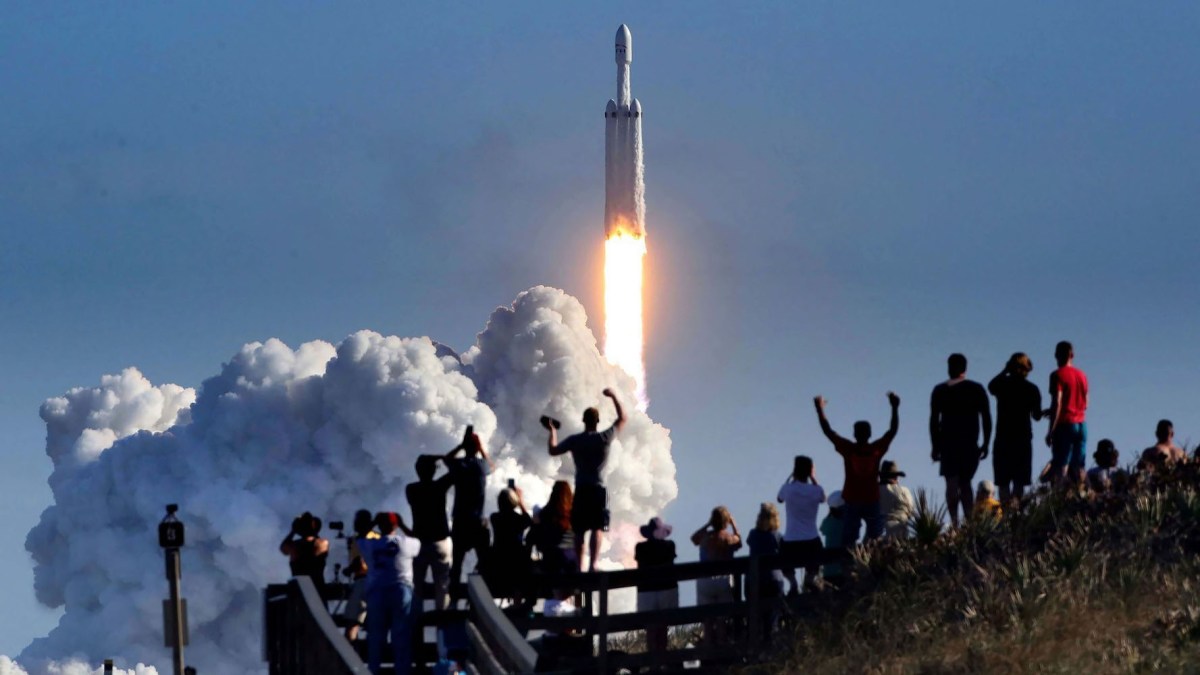
SpaceX’s meteoric rise, evidenced by its valuation surpassing Amazon’s and ballooning to $2.7 trillion in just a few days of trading, isn't merely a headline-grabbing financial event; it signals a profound shift in how we perceive and value innovation, particularly within the space sector. The sheer speed of this valuation increase—a staggering $1 trillion—highlights the market’s anticipation of SpaceX's future, fueled by its ambitious ventures in space exploration, satellite internet (Starlink), and increasingly, artificial intelligence. This rapid ascent follows closely on the heels of its IPO and subsequent acquisition of Cursor for $60B in stock, as detailed in SpaceX to acquire Cursor for $60B in stock, days after blockbuster IPO, demonstrating an aggressive strategy to consolidate its position and integrate AI capabilities. The recent news also echoes earlier developments, such as Payments startup Flutterwave hits $3.2B valuation, backed by Ripple, showcasing how innovative, future-focused companies, even those in seemingly disparate industries, are capturing significant market attention and valuation.
The implications of this valuation extend far beyond the immediate financial landscape for SpaceX and its investors. It fundamentally reshapes the competitive dynamics within the space industry, placing immense pressure on established players like Boeing and Lockheed Martin to accelerate their own innovation cycles. While traditional aerospace companies have relied on government contracts and established technologies, SpaceX’s success demonstrates the power of a vertically integrated, commercially driven approach. This model, combined with a willingness to take calculated risks and push the boundaries of what's possible, has allowed SpaceX to disrupt the status quo and attract substantial private investment. Furthermore, the integration of AI, as indicated by the Cursor acquisition, suggests a broader strategy to automate and optimize space operations, potentially leading to significant cost reductions and increased efficiency – a point explored further in SpaceX is public: Everything you need to know post-IPO. This is a clear signal that the future of space exploration will be increasingly shaped by the convergence of aerospace engineering and artificial intelligence.
However, it’s crucial to maintain a measured perspective. Such a rapid valuation increase can be volatile, and the market’s expectations will be intensely scrutinized. SpaceX’s continued success hinges on its ability to deliver on its ambitious promises—expanding Starlink’s global coverage, developing advanced rocket technologies like Starship, and successfully integrating AI into its operations. The $60 billion acquisition of Cursor, intended to bolster SpaceX's struggling AI division, represents a significant bet on the future, but also carries inherent risks. The company’s ability to demonstrably translate its technological advancements into sustained profitability and tangible user benefits will be paramount in justifying this valuation. The space industry, while brimming with potential, remains inherently complex and capital-intensive, and unforeseen challenges are inevitable.
Ultimately, SpaceX’s extraordinary valuation highlights a broader trend: the increasing recognition of space as a frontier for technological innovation and economic opportunity. It’s a testament to the transformative power of visionary leadership and a relentless pursuit of ambitious goals. The question now becomes not whether SpaceX can maintain its momentum, but rather how this paradigm shift will reshape the global economy and inspire a new generation of entrepreneurs to explore the boundless possibilities beyond our planet. What new industries and applications will emerge from the ongoing democratization of space access, and how will the integration of AI further accelerate this transformation?
Read on the original site
Open the publisher's page for the full experience