The Biggest Announcements from Google I/O 2026
Our take
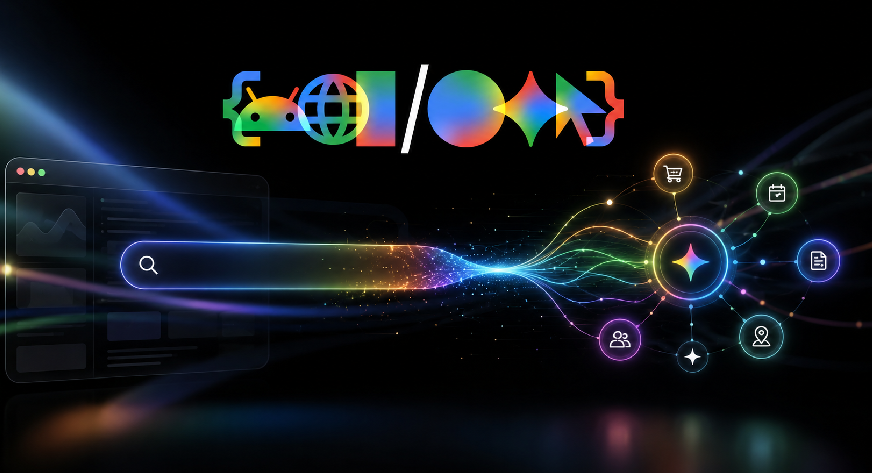
Google I/O 2026 marked a significant turning point in the evolution of how we interact with information online. The introduction of "AI agents" transforms Google Search from a static encyclopedia into a dynamic assistant, fundamentally altering our expectations and experiences with digital searches. This shift not only enhances user engagement but also sets a new benchmark for how technology can facilitate productivity and streamline workflows. With AI now integrated into Google’s coding platforms and an entirely new standalone app, users are invited to explore a more intuitive relationship with their data and tasks, pushing the boundaries of conventional search functionality.
The implications of this development extend far beyond mere convenience. By embracing AI agents, Google is positioning itself at the forefront of the ongoing dialogue about the future of technology in our daily lives. This shift resonates with the themes explored in our recent articles, such as Best Small Language Models on Hugging Face Right Now! and Prompt Engineering Isn’t Enough — I Built a Control Layer That Works in Production, which highlight the innovative strides being made in AI and machine learning. The emergence of these AI agents indicates a growing recognition of the need for more sophisticated interaction models, where users can receive personalized assistance rather than just static information retrieval.
As we consider the broader significance of these advancements, it’s essential to reflect on how they affect our collective approach to data management. The transition from traditional search paradigms to AI-enhanced assistants suggests a future where the complexity of data is managed more seamlessly, allowing users to focus on the outcomes rather than the intricacies of the technology itself. This aligns with our commitment to human-centered solutions, emphasizing that technology should serve to empower users rather than overwhelm them. The ability for AI agents to understand context and user intent will likely foster a new wave of productivity tools that adapt to individual needs, rather than forcing users to conform to rigid frameworks.
Looking ahead, the introduction of AI agents raises important questions about the future of productivity tools and the role they will play in our lives. Will these advancements lead to a more profound integration of AI in everyday tasks, or will they merely serve as enhancements to existing workflows? As organizations and individuals navigate this evolving landscape, understanding the implications of these tools on productivity and decision-making will be crucial. In particular, it will be interesting to see how users respond to this new form of interaction and what demands they will place on developers to further refine and expand these capabilities.
In summary, Google I/O 2026 has set the stage for a transformative shift in the way we engage with technology. The introduction of AI agents is not just an incremental update; it represents a significant leap forward in creating a more intuitive, empowering, and human-centered approach to information management. As we continue to explore these developments, it will be essential to keep an eye on how they shape the future of our digital interactions and the tools we rely on to enhance our productivity.
Google Search just went from being an encyclopedia to an assistant. That’s the crux of everything Google announced in its recent I/O conference for 2026. The buzzword is “AI agents”, which now enter Google Search, its coding platforms, and even get a whole new standalone app for themselves. The idea is to move from AI […]
The post The Biggest Announcements from Google I/O 2026 appeared first on Analytics Vidhya.
Read on the original site
Open the publisher's page for the full experience