Top 7 Python Libraries for Large-Scale Data Processing
Our take
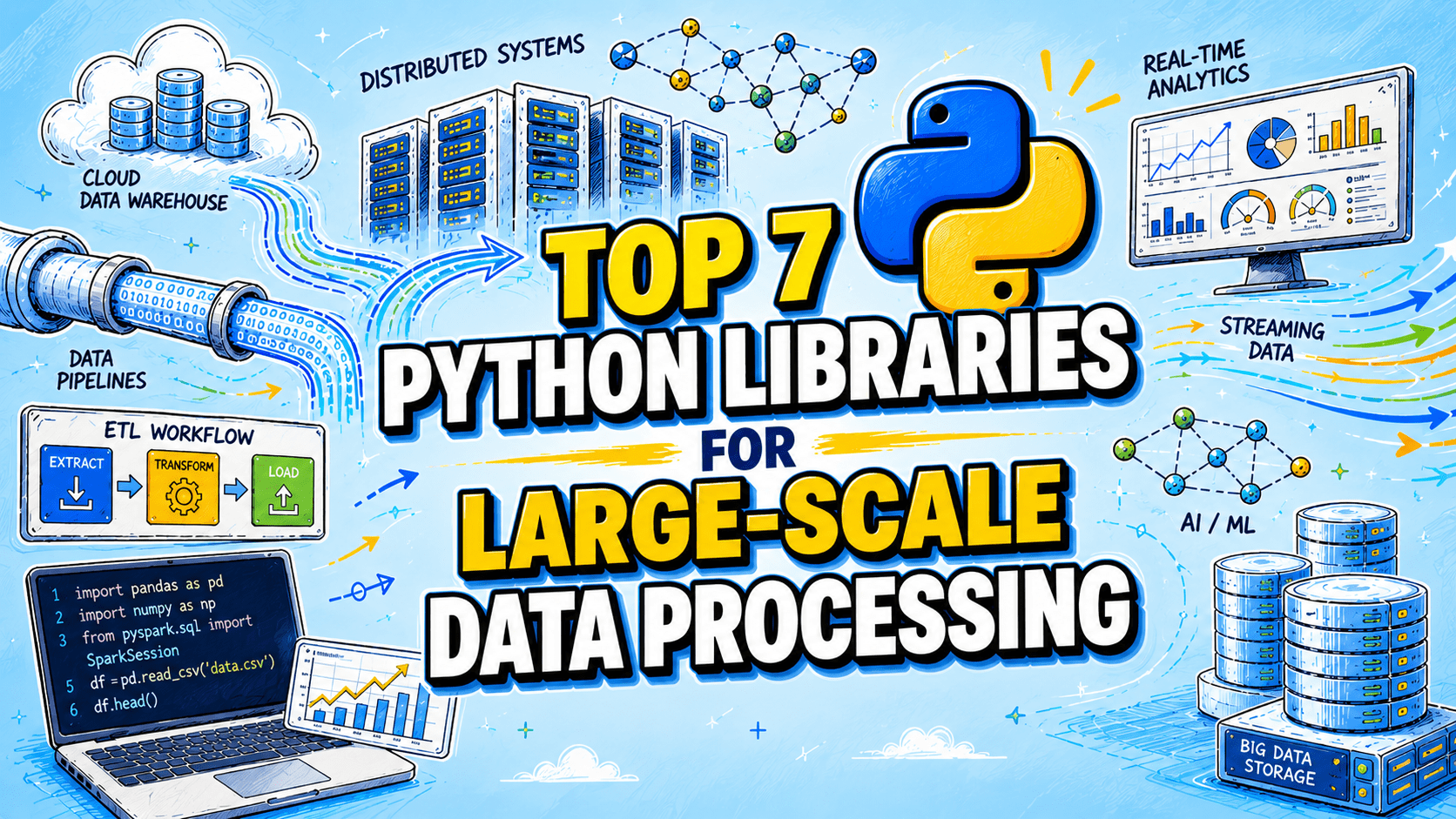
In the rapidly evolving landscape of data management, the ability to process large datasets efficiently is paramount. The recent article on the "Top 7 Python Libraries for Large-Scale Data Processing" highlights essential tools that can significantly enhance our ability to navigate modern data workflows. As organizations increasingly rely on data-driven decision-making, these libraries not only streamline the processing of vast amounts of information but also democratize access to advanced data manipulation techniques. This transformation is crucial, especially as businesses pivot towards comprehensive data governance frameworks, such as those discussed in The Domain Shift: Moving Data Governance from Product Triage to Infrastructure Investment, which emphasizes the importance of a systemic approach to data architecture.
The highlighted libraries serve as a testament to the innovation within the Python ecosystem, showcasing how these tools can accelerate data processing while maintaining scalability. For instance, libraries like Dask and PySpark enable parallel computing, allowing users to handle larger datasets than traditional solutions permit. This capability is vital for organizations that are not only processing historical data but also real-time data streams. As the demand for immediate insights grows, leveraging these libraries proves to be a strategic advantage. Moreover, the accessibility of these tools aligns well with the increasing need for organizations to transition from legacy systems, which can hinder agility and responsiveness, to more modern, flexible frameworks.
An important aspect of this development is the emphasis on user-centric design in these libraries. They are built not just for seasoned data scientists but also for those who may not have a technical background. This aligns with a broader trend in data management where user experience is prioritized. For example, the challenges faced by users in tools like Excel, as noted in articles such as Excel Solver says "linearity conditions not satisfied" on what appears to be a linear problem, what am I missing?, highlight the need for more intuitive solutions that simplify complex tasks. By making large-scale data processing more approachable, these libraries empower a wider range of users to harness the power of data without requiring deep technical skills.
Looking ahead, the implications of adopting these Python libraries extend beyond mere efficiency. They signal a cultural shift in how organizations view and utilize data. As more teams embrace these tools, we can expect to see a surge in collaborative data projects that leverage diverse skill sets, driving innovation across industries. The question remains: how will organizations adapt their strategies and infrastructure to fully capitalize on these advancements? As businesses continue to explore transformative solutions, the integration of these libraries into everyday workflows will be a critical factor in their success. The future of data management is not just about handling larger datasets; it's about fostering a culture of exploration and empowerment that enables all users to become proficient in their data journeys.
Read on the original site
Open the publisher's page for the full experience