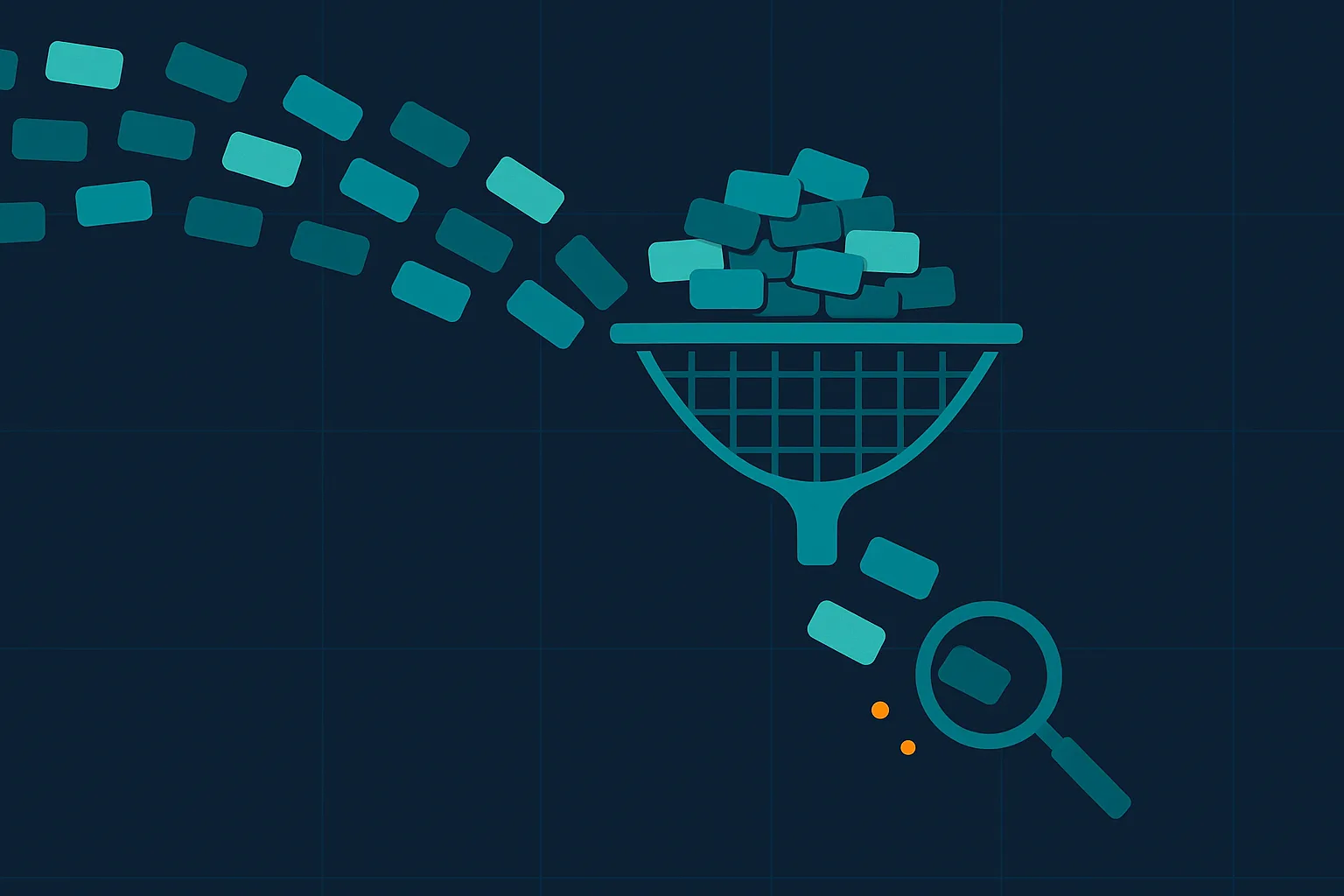
This is the kind of engineering story that deserves more attention than it will probably get. The author took a concrete problem, an apartment-search agent that burned through 2,500 API calls in a single session, and treated inefficiency as a design constraint, not a bug. By tracing every listing check with Weights & Biases Weave, they methodically removed avoidable model work, one change at a time, and scored each version against the same ground-truth answers. The result is a demonstration that fewer calls can still yield good matches, and that is a more valuable insight than any benchmark score.
We have seen this pattern before. In When a benchmark was stacked against PCA, the classic technique still outperformed, a theoretical advantage failed to survive contact with a real benchmark. Here, the author runs the same kind of experiment in reverse: instead of assuming that more model calls equal better results, they test the hypothesis with disciplined iteration. That is the difference between engineering and wishful thinking. This work is not claiming a breakthrough; it is showing its work. Anyone building AI agents should pay attention to that method, because it is exactly how you avoid the hidden costs described in Stop Overpaying for AI Tools Hidden in Your Data Workflow. The budget nobody saw coming is often the budget you never tracked.
Our opinion is straightforward: this is the right way to think about AI efficiency. The work does not ask whether the model can be smarter; it asks whether it needs to be called at all. That distinction matters because the default assumption in many data workflows is that more AI is better AI. It is not. A model that runs 2,500 times to find an apartment is not powerful, it is wasteful. The author proves that you can trim those calls dramatically without sacrificing match quality, provided you measure what you are losing with every cut. That is a practical, human-centered outcome: faster results, lower cost, and less environmental overhead.
The specific takeaway here is not about apartment searches. It is about the discipline of treating every API call as a cost to justify, not a resource to spend. The approach, trace, trim, score, repeat, is transferable to any agent-based system. If you are building tools that rely on repeated model inference, you should be asking the same question: can we call the model fewer times and still get good matches? The answer, as this work shows, is often yes. The open question is whether more teams will adopt that discipline before their bills catch up with them.