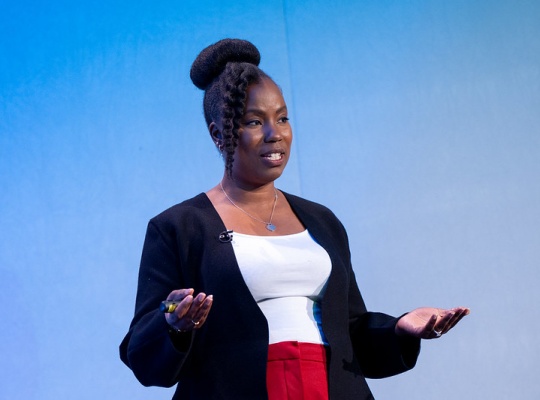
When security and architecture operate in isolation, systems don't just break, they collapse in ways that ripple far beyond the data center. Shana Dacres-Lawrence's analysis cuts to the heart of a problem many organizations prefer to ignore: the relationship between these two disciplines is not merely technical but deeply human. She identifies three forms of "betrayal", physical, emotional, and trust, that erode the foundation of any secure system. That framing matters because it shifts the conversation from blame to structure. You cannot patch a betrayal with a firewall.
For anyone responsible for building or protecting data systems, the practical takeaway is uncomfortable but unavoidable. The CrowdStrike and Change Healthcare incidents were not anomalies caused by a single bad actor or a forgotten patch. They were predictable outcomes of architecture and security failing to communicate, to validate, and to trust each other. Dacres-Lawrence's five defense strategies, open communication, automation, tech integration, validation, and collaborative culture, are not a checklist. They are a diagnosis. If your security team and your architecture team do not share a vocabulary, you are already running on borrowed time. Automation without integration is noise. Validation without culture is paperwork.
What makes this perspective valuable is its insistence on practicality over abstraction. The strategies she offers are not theoretical frameworks for a future that may never arrive. They are responses to failures that have already happened, and that will happen again unless organizations treat the relationship between security and architecture as a living, accountable partnership. You cannot automate trust, but you can build systems that force honest conversations. You cannot eliminate human error, but you can design validation processes that catch it before it becomes a headline. This is not about perfection. It is about resilience.
The concrete point here is simple: start with communication. Before you invest in another tool or rewrite another policy, ask whether your security and architecture teams actually understand how the other side works. If they cannot describe each other's constraints and priorities, you have already found the vulnerability that matters most. Dacres-Lawrence gives you the language to name it. The rest is up to you.