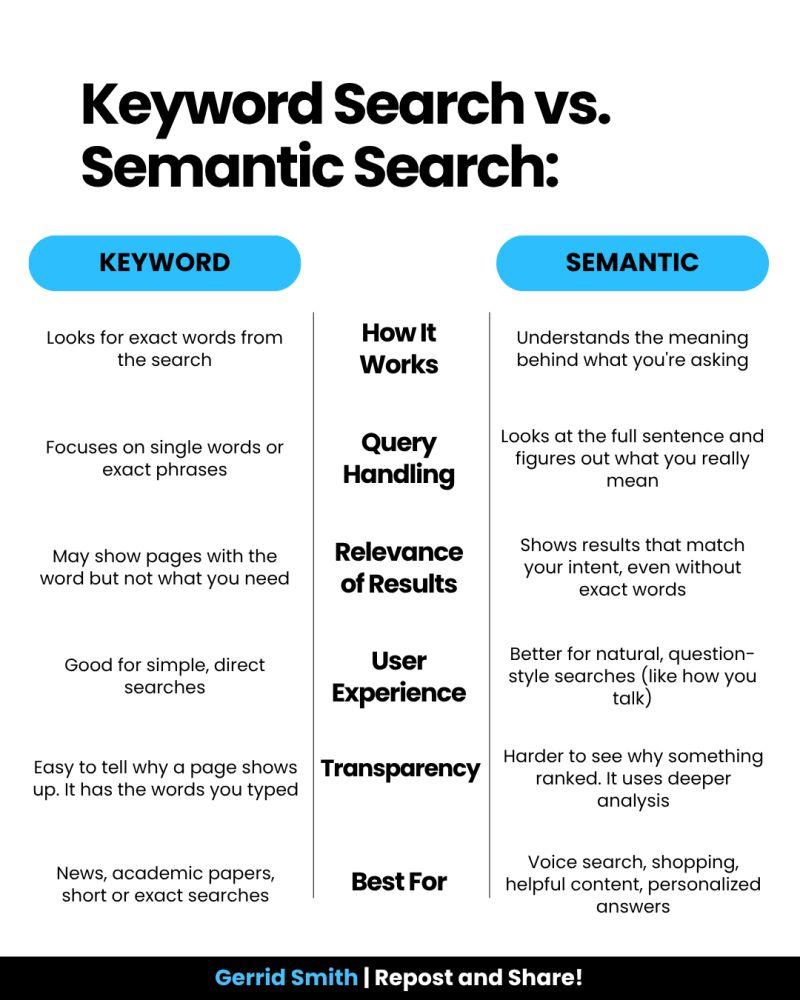
Internal search is broken because we keep treating it like a card catalog in an era of conversational expectations. The core problem is that users have been "fundamentally rewired" by global search engines, yet most internal search bars still behave like 1990s index cards. That mismatch isn't a minor inconvenience, it's a daily friction point that drives users away from your own site and back to Google. And once they leave, they may not come back.
For organizations, this means the search bar is no longer a luxury feature reserved for large sites. It is the primary navigation tool for most users, and when it fails, the entire experience fails. The "0 Results Found" screen isn't just a dead end; it's a trust-breaker. Users interpret it as "this site doesn't have what I need," even when the content exists. They simply didn't guess the exact keyword you indexed. The practical cost is real: lost engagement, lower conversion, and a reliance on third-party search engines to surface your own content. You are paying for that content, hosting it, and then handing the findability job to someone else.
The solution isn't more content or better metadata alone. It's about rethinking what the search bar should understand. A modern internal search needs to interpret intent, not just match strings. It should handle synonyms, misspellings, and natural language queries the way a human assistant would. It should learn from what users actually click after a search, not just what words appear on a page. This is where AI-native tools become relevant not as hype, but as practical infrastructure. They can transform a static index into an adaptive discovery layer that brings users back to content they didn't know how to ask for.
Here is the concrete point: if your internal search still punishes users for typing the "wrong" word, you are actively training them to go elsewhere. The fix is not a redesign of the search box. It is a fundamental shift from keyword matching to intent recognition. That shift is achievable today, and it is the only way to keep users inside your ecosystem.