ai
Beyond Market Intelligence keeps ai in one place: 790 stories so far. The section currently leads with “Exploring AI's Culinary Future: Insights from NVIDIA's Innovation”, “Navigating Critical AI: Insights from Waabi, Shield AI, and GM at Disrupt 2026”, and “Transparency in AI Voice: ElevenLabs CEO on Disclosure and the Future”. NVIDIA's exploration of AI in the kitchen isn't just about smarter gadgets; it's a look at how machine learning reshapes creativity itself. AI is moving from the lab to the road, and at Disrupt 2026, the leaders building it are ready to talk shop. Acme AI is the next-generation, AI-powered spreadsheet platform built to replace Excel and redefine how analysts, data scientists, and enterprise teams work… The list below is every ai story on Beyond Market Intelligence, newest first.
Exploring AI's Culinary Future: Insights from NVIDIA's Innovation
NVIDIA's exploration of AI in the kitchen isn't just about smarter gadgets; it's a look at how machine learning reshapes creativity itself. By examining culinary applications, we see a future where algorithms don't replace intuition but expand it. This offers a practical lens on that transformation, and for those curious about how AI structures understanding in other domains, "Exploring Paragraph Structure," pairs well with this discussion. The takeaway?

Navigating Critical AI: Insights from Waabi, Shield AI, and GM at Disrupt 2026
AI is moving from the lab to the road, and at Disrupt 2026, the leaders building it are ready to talk shop. Waabi, Shield AI, and General Motors will join the Real World AI Stage to tackle the hard questions about deploying intelligent systems that actually work outside the demo. This is about practical engineering, not hype. If you are serious about building for the real world, this conversation is worth your time.

Transparency in AI Voice: ElevenLabs CEO on Disclosure and the Future
ElevenLabs CEO is making a straightforward call: businesses should tell you when that helpful voice on the line is an AI. It's a practical stance, grounded in the idea that disclosure matters until machine voices become the expected norm. We think that's the right instinct. Transparency isn't just ethical; it's how you build trust with people who are already navigating enough complexity. For more on how AI systems are being deployed in the real world, check out our piece on real-world computer vision.
Exploring a Career Shift: An MD, a PhD, and a Data-Driven Future
Weighing an MD against a Math + CS degree is a high-stakes bet on your future. You have two years left in medicine, but you already know it's not your path. The real question isn't whether research or software suits you better; it's how much you trust a degree to matter in an AI-driven market. A strong Math + CS foundation remains valuable, but AI is changing the role of the degree, not eliminating its core utility.

Architecting AI-Powered Mobile UIs: Speed, Delight, and Scalability
Latency can make or break a mobile AI experience, and Balakrishnan Ramdoss knows it. In his latest piece, he gets down to the practical work of architecting production-grade, AI-powered conversational apps. He breaks down how to tackle model response times head-on, using server-driven UI and Backend-for-Frontend patterns to render dynamic, multi-modal interfaces on the fly. It's a grounded look at optimizing prompts for UI selection and weaving in on-device AI for that privacy-first, low-latency edge.
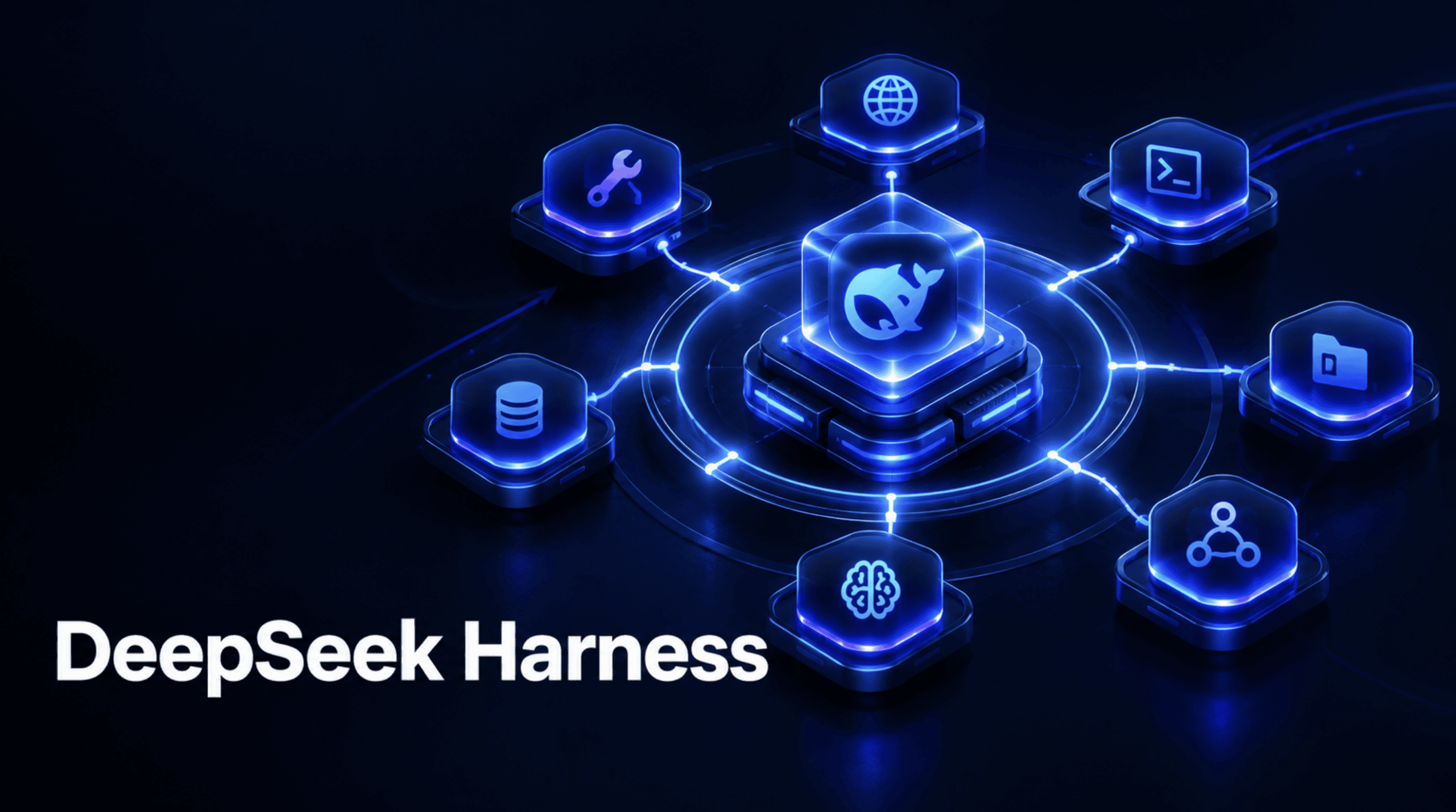
Exploring DeepSeek Harness: A KDnuggets Team Member's Insights
Shittu Olumide put DeepSeek Harness through its paces, and the results point to a tool worth your attention. It's not about flashy claims; it's about what this AI-native harness actually does for your workflow. For anyone tired of wrestling with clunky spreadsheet logic, this feels like a step toward something more intuitive. If you're curious how such tools fit into broader data work, our piece on the Forrester function offers a useful parallel. Explore both and see where the insights take you.

AI-Native Companies Drive $5.75B Investment Surge
The $5.75 billion surge into AI-native companies isn't just a number; it's a signal. This VC firm sees growth unlike any technology before, and that's worth pausing over. Traditional spreadsheets were built for a different era, and the momentum behind AI-native tools confirms what we've long suspected: the data journey is ready for a smarter path. For those exploring where this leads, our piece on verifying AI's understanding offers a practical next step. This is progress you can act on.

AI-Powered Fashion Show Draws Mixed Reactions at Vogue World
A Chinese robot twirling a lasso to "L'Amour Toujours" at Vogue World is a strange tribute to Italian craftsmanship. The spectacle drew mixed reactions, and honestly, that feels earned. It's a bold collision of automation and tradition, but it raises a fair question: are we celebrating innovation or just staging a gimmick? We're all for progress here, especially when it empowers users, but this one feels like a mashup searching for meaning.

Anthropic’s Biology Lab: Human Oversight Drives Early Discoveries
Anthropic's biology lab is making early discoveries, but the real headline is quieter: Claude isn't running free. Humans remain firmly in the loop, and that restraint is exactly what makes this work worth watching. It's a thoughtful counter to the usual rush toward full autonomy. We appreciate the discipline here; it signals maturity over hype. If you're curious how AI handles oversight in other high-stakes settings, our piece on real-world computer vision deployments offers a useful parallel. For now, this measured approach feels right.

Explore AI-powered video editing: Transform your creative workflow
Video editing has always felt like a battle against the clock and the timeline. We're genuinely excited to see AI step into that space through a conversational chat interface. This approach doesn't just automate tasks; it hands the creative control back to you, making the entire process feel less like a technical hurdle and more like a natural extension of your vision. It's a practical step toward a more intuitive workflow.

Empower Your YouTube Experience: AI-Driven Custom Feeds Emerge
Describing a feed by typing what you want to see is a small ask with a big payoff. YouTube's new custom feeds let you use plain language, powered by Gemini, to shape a personalized stream around your exact interests. It is a practical step toward making the platform feel less overwhelming and more intentional. We appreciate tools that put the user in control, and this one invites exploration without demanding technical know-how.

Exploring AI's Impact: Venture Capital Evolution at TechCrunch Disrupt
Venture capital is not immune to AI's pull. At TechCrunch Disrupt 2026, StrictlyVC will join us to break down how the funding game is changing, and what that means for founders navigating a new normal. It's a conversation worth having, especially if you are building for the future. Secure your Investor Pass now and save $200 before September 25 at 11:59 p.m. PT.

AI's daily users still seek regulation, revealing lingering concerns
Daily users of AI are still asking for regulation, and that should tell us something important. Exposure alone is not easing their unease, nor is it dimming support for oversight. This suggests familiarity may not be the cure some hoped for. If anything, the more people rely on these tools, the more they want guardrails in place. It is a practical demand, not a skeptical one. For those exploring how AI understands structure, our piece on paragraph navigation offers a useful parallel.
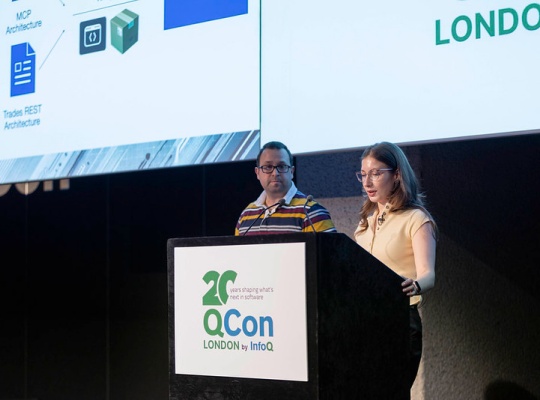
Scale AI Workflows: Modernizing APIs with Architecture as Code
Morgan Stanley is using Architecture as Code with CALM to modernize its API program, and the approach is worth your attention. Jim Gough and Andreea Niculcea show how integrating Model Context Protocol and Agent-to-Agent communications, paired with automated governance through deployment gates, makes scaling enterprise AI feel deliberate rather than chaotic. The zero-downtime upgrades are a practical win. If you are exploring how AI reshapes infrastructure, this pairs well with our piece on real-world computer vision deployments.

AI-Powered Spreadsheets Empower Enterprises, Ema Secures $77M
Ema just closed a $77 million round, bringing its total funding to $140 million, and it already counts Google and Microsoft among more than 50 enterprise customers. That kind of traction signals something real: businesses are ready to trust AI-native tools with serious data work. We've long argued that spreadsheets shouldn't be static, and Ema is proving the shift is happening now. If you're exploring how AI can reshape your own workflows, our piece on verifying AI understanding offers a practical starting point.

Explore AI Insights from Dreamforce: A Look at the Future of Agents
Dreamforce handed us a clear signal: agents are moving from concept to conversation. The insights coming out of the event point to a future where AI doesn't just answer questions but takes action on your behalf. That shift is compelling, but it demands a closer look at how these systems verify their own understanding. We're watching the groundwork for that shift, and it's worth exploring.

Zig’s Creator Explains AI Ban and Shift to Codeberg for Quality and Community
Andrew Kelley's decision to ban AI contributions from Zig's codebase isn't a Luddite reflex; it's a calculated stand for quality. He argues automated submissions dilute the code and, just as critically, erode the human trust that holds open-source communities together. The move to Codeberg, driven by GitHub's failures and incentive mismatches, reinforces that same principle. It's a firm, thoughtful reminder that sustainable software needs more than working code.

Greece's PM: AI's Future Demands More Than Yesterday's Solutions
When Greek Prime Minister Kyriakos Mitsotakis sat down with us on his trade mission, he didn't just pitch his country. He admitted something refreshingly honest: no government is ready for what AI is about to do. That kind of candor stands out. It suggests we're all scrambling to keep pace, and that's okay. Acknowledging the gap is the first step toward building smarter policies.

Meta's Muse AI Assistant Draws Inspiration from OpenClaw
Meta says Muse was built from scratch, yet the AI assistant carries OpenClaw's fingerprints, right down to workspace filenames and content. That honesty is refreshing. It suggests inspiration isn't a weakness; it's a starting point for something more accessible. We're watching how this unfolds, especially for users tired of rigid tools. If you're exploring how AI reshapes practical workflows, our piece on real-world computer vision deployments offers a grounded look at what's actually working.

Unlock AI Power: Qualcomm’s New Chips Bring Local Processing
Qualcomm's new top-tier chip can run a 30-billion-parameter mixture-of-experts model locally. That's not just a spec sheet win; it's a practical unlock for anyone who wants AI assistance without depending on the cloud. Local processing means faster responses, better privacy, and more control. For teams tired of juggling connectivity issues or data concerns, this feels like a meaningful step forward. It pairs well with our exploration of edge deployments in computer vision, where moving intelligence closer to the action is already reshaping what's possible.

Fueling AI Innovation: Snorkel AI Secures $350M Series E
Snorkel AI has raised $350 million in a Series E round, a clear signal that the market is ready for a more practical path to AI development. The seven-year-old startup is betting its future on a data-as-a-service model, which speaks to a core truth: models are only as powerful as the data fueling them. This funding validates that approach. For anyone wrestling with messy datasets, this is worth watching.

Navigate Fundraising, Hiring, and AI: Boston’s Founder Summit Awaits
Founders shouldn't have to learn the hardest lessons the hard way. At TechCrunch Founder Summit in Boston, we're cutting through the noise on fundraising, hiring, and AI, because those challenges shouldn't stall your momentum. It's about practical insight, not hype. If you're navigating the shifting expectations in AI and ML roles, our recent piece on skill requirements offers a useful lens. But first, come to Boston ready to act. The highs of building are worth chasing, and this summit is where you'll find the map.
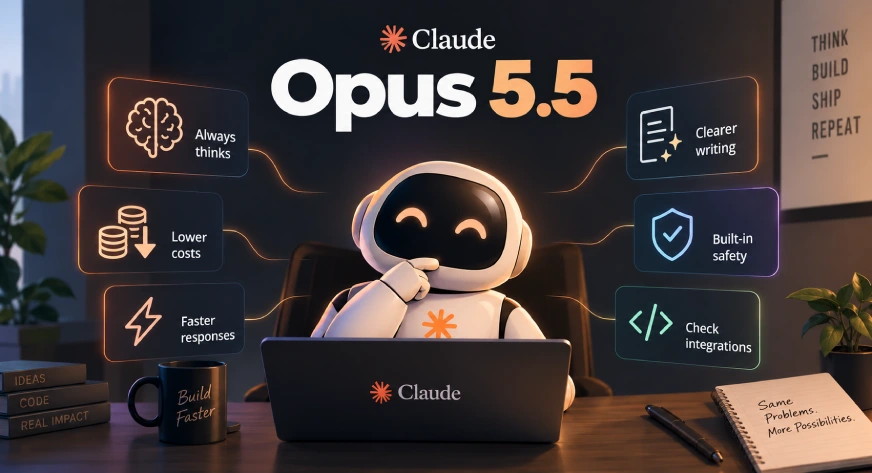
Unlock New Reasoning Power: A Deep Dive into Claude Opus 5.5
Claude Opus 5.5 reasons on every request, responds faster, and costs less to run. That combination is worth pausing over, because it points to a model designed for practical work rather than just benchmark bragging. Anthropic packed real upgrades into its latest flagship, and the implications for everyday data tasks are significant.
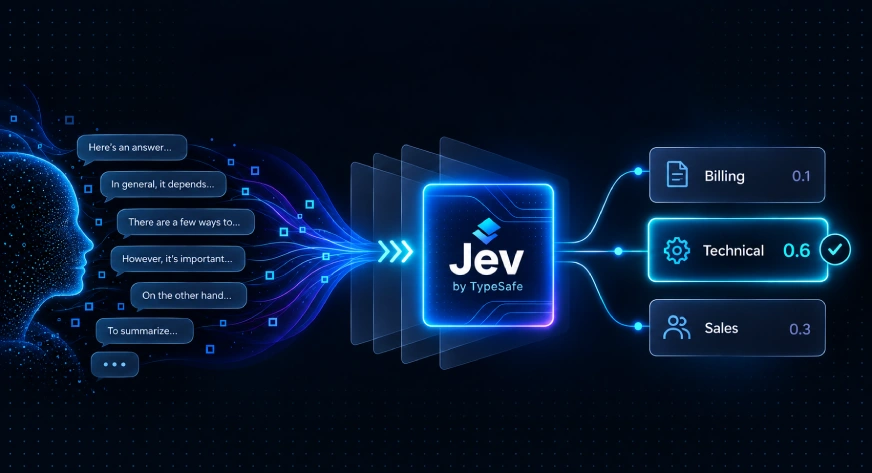
Explore Jev: The AI Model Rethinking Text Generation
Jev is trending on X for a reason, and it's not just another flashy release. TypeSafe AI's new model challenges a core assumption by never generating a single word of text, which feels counterintuitive until you see the logic. We think that restraint is exactly what makes it compelling. If you're exploring how AI can reshape workflows, Jev offers a fresh angle worth your attention. For more on the mechanics behind such systems, our guide to distributed training pairs well with this story.