ai
ai on Beyond Market Intelligence: a running collection of 507 stories we have gathered and hand-picked because they are worth your time. Every post here touches on ai in some way — the news, the analysis, the deep dives, and the occasional surprise find. Acme AI is the next-generation, AI-powered spreadsheet platform built to replace Excel and redefine how analysts, data scientists, and enterprise teams work with data. New stories are added to this page as we find them, so check back if you want to keep up with what is happening around ai, or subscribe to the RSS feed to get them as soon as they are published. Browse the collection below, or head back to the homepage to see everything Beyond Market Intelligence is covering right now.
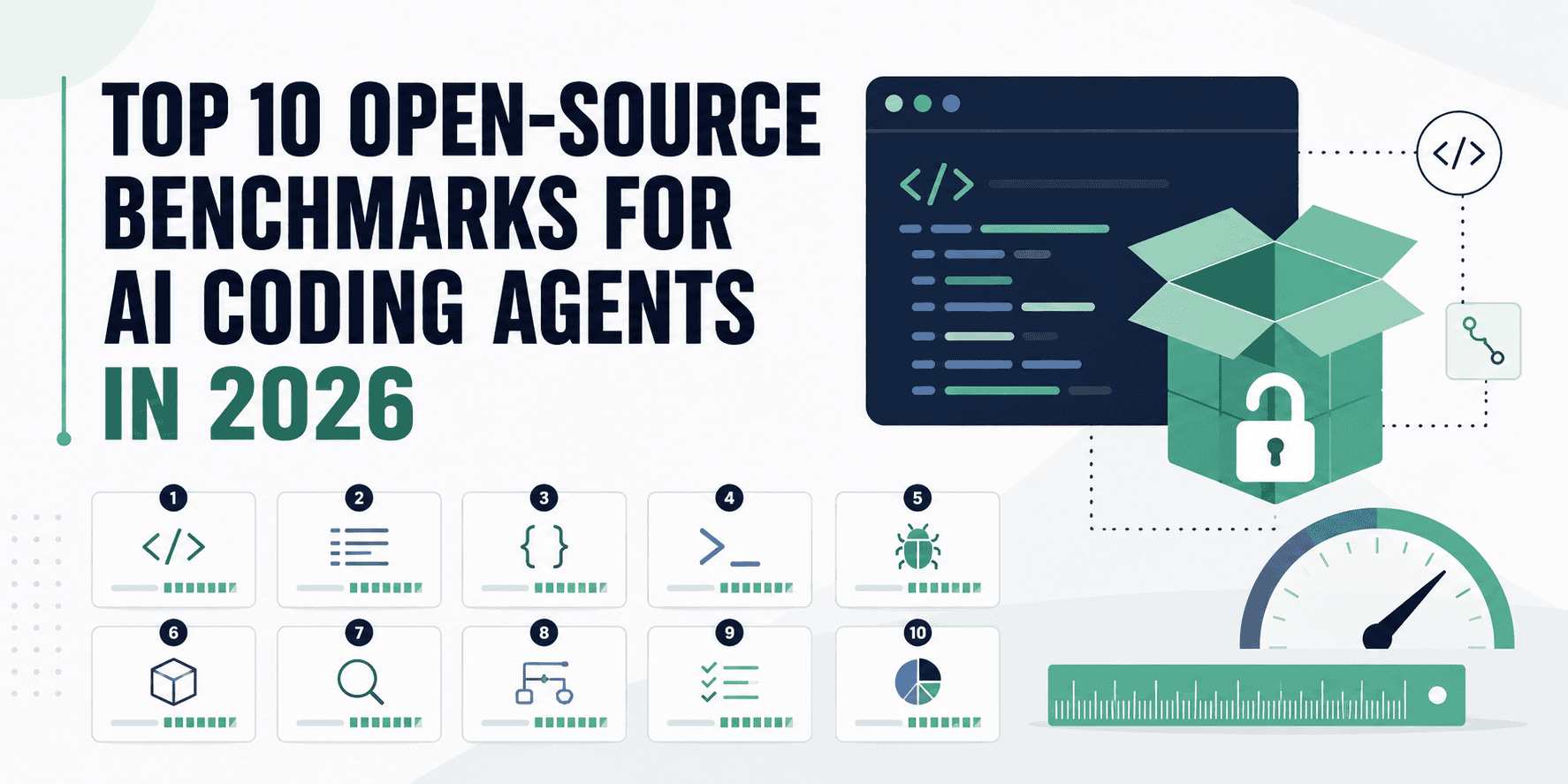
Top 10 Open-Source Benchmarks for AI Coding Agents in 2026
Evaluating AI coding agents demands rigorous benchmarks. In 2026, several open-source options will be essential for developers. Explore the top 10, including SWE-bench, Terminal-Bench, SlopCodeBench, and ProgramBench, alongside emerging contenders. These benchmarks offer critical insight into agent capabilities across diverse coding tasks. For deeper context on related AI research and development, see our discussion thread for EMNLP 2026 Notifications/Results. Discover how these tools empower informed decisions in the rapidly evolving landscape of AI-powered software engineering.
Microsoft to retire the COPILOT function
Microsoft is phasing out the COPILOT function in Excel, effective September 14th—a notable departure from their usual commitment to backwards compatibility. While the broader Copilot feature remains active, this specific function will no longer be available. Users who relied on COPILOT for calculations should explore alternative formulas. This shift highlights the evolving landscape of AI-native spreadsheet technology. Curious to know: Have you utilized the COPILOT function, and if so, for what purpose?
Removing the AI check
We understand the frustration with the recent change to the error correction button. Previously a quick fix for incorrectly formatted data—like those Excel files sometimes saved as text—it now appears as an AI check, significantly slowing down the process. Many users, like you, are experiencing this delay while others retain the original, faster button. Explore manual cell adjustments as an alternative, though current limitations may prevent this. For broader insights into data management workflows, see our article, "Excel + Power Query and Power Automate."

Binance now lets AI agents trade, but keeping them in check is largely up to users
Binance has introduced Agent OS, empowering users to leverage AI agents—integrating with tools like ChatGPT, Claude Code, and Cursor—for automated trading. This marks a significant step toward future-focused data management, but responsible oversight remains crucial. Users are ultimately accountable for managing these agents and ensuring alignment with their trading strategies. For those interested in evaluating the performance of AI coding agents, our recent article, "Top 10 Open-Source Benchmarks for AI Coding Agents in 2026," offers a comprehensive overview of key evaluation tools.
Discussion thread for EMNLP 2026 Notifications/Results [D]
EMNLP 2026 notifications and results are expected to be released today – wishing everyone the best as they gather in Budapest! This thread serves as a central hub for discussion surrounding these announcements. We anticipate a lively exchange as the community processes the outcomes. For context, recent developments in AI integration with spreadsheet tools are impacting workflows; for example, Microsoft is retiring the COPILOT function in Excel. Explore the thread for updates and share your insights.

AI was supposed to win people over by now — it hasn’t
The promise of seamless AI integration hasn’t fully materialized, and a growing consumer skepticism is reshaping the tech landscape. While Silicon Valley anticipated widespread adoption, a recent shift reveals that acceptance lags behind prevalence. As AI becomes increasingly unavoidable, a cautious approach is emerging. This reflects a broader conversation, as highlighted by the rapid growth of AI-native account startup Rillet, demonstrating that innovation alone isn’t a guaranteed path to user trust. Explore the evolving dynamics of AI adoption with our related coverage.

Cognition CEO denies report that SpaceX tried to acquire the startup
Reports of SpaceX’s acquisition attempt of AI coding startup Cognition have been categorically denied by Cognition CEO, Navneet Alang. While SpaceX has demonstrably accelerated its presence in the AI space with the acquisition of Cursor, this purported deal appears unfounded. The move highlights the intensifying competition among tech giants—including OpenAI and Anthropic—to secure leadership in enterprise AI. For further context on the evolving AI landscape and privacy considerations, explore our recent article, "OpenAI seeks to one-up Anthropic with new customer privacy protections."

Waymo’s cheaper, next-gen robotaxi is now open to all riders in these three cities
Waymo’s next-generation robotaxi, the Ojai, is now accessible to all riders in Phoenix, Los Angeles, and San Francisco, marking a significant step toward scalable, affordable autonomous transportation. This vehicle is central to Waymo’s strategy for achieving mass adoption and, ultimately, profitability. The Ojai represents a focused evolution in robotaxi design, prioritizing efficiency and broader accessibility. For those interested in the broader implications of AI systems, explore our article, "How to Answer AI System Design Interview Questions," for insights into the evolving landscape.

Google packs Search and Gemini with new AI study tools
Google is significantly expanding Gemini’s educational capabilities, integrating new AI-powered study tools directly into Search. This move positions Gemini as a central resource for students navigating learning and research, reflecting Google’s commitment to accessible AI assistance. Users can now expect enhanced support for understanding complex topics and streamlining study workflows. As AI adoption continues to evolve, and consumer sentiment shifts—as explored in our article, "AI was supposed to win people over by now"—Google aims to solidify Gemini’s role in the future of education.
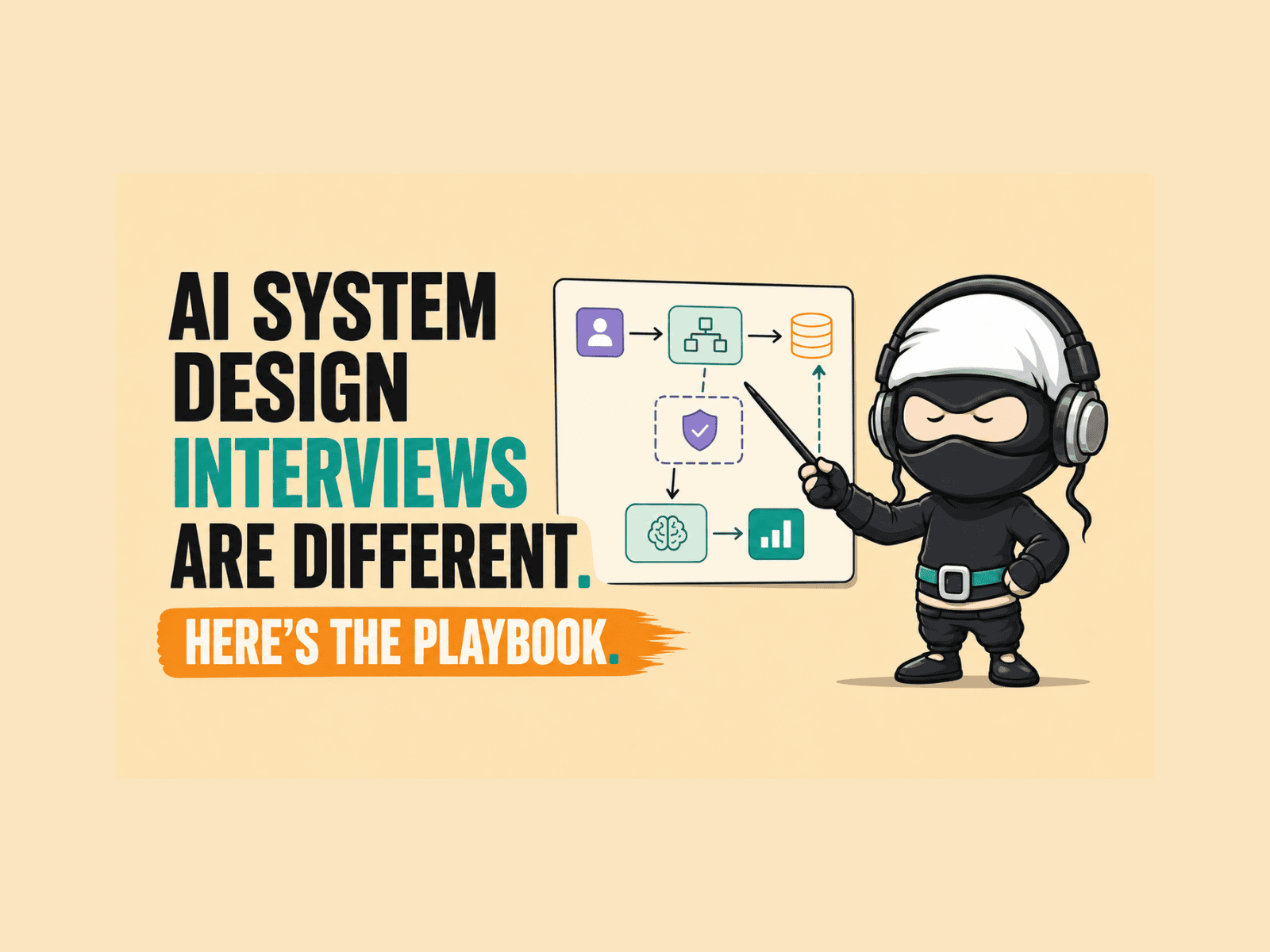
How to Answer AI System Design Interview Questions
The landscape of AI system design interviews has evolved. No longer solely focused on whiteboard design, interviews now frequently incorporate ChatGPT-style problem-solving. This guide provides a practical framework to navigate this shift, equipping you with the strategies to confidently articulate your design process. We’ll outline key areas to address and offer a structured approach to tackling these increasingly common assessments. For a broader exploration of AI agent deployment, see our article, "5 Tools for Building and Deploying AI Agents in Production."

Amazon makes its AI-powered Alexa+ free on Fire TV, no Prime required
Amazon is expanding access to its AI-powered Alexa+ assistant, now available at no extra cost on all compatible Fire TV devices in the U.S. This automatic upgrade benefits users regardless of their Prime membership, streamlining access to advanced features and voice control. Discover a more intuitive entertainment experience, leveraging AI to simplify navigation and content discovery.

Understanding Anti-AI Public Opinion
Public perception of AI is shifting, and understanding the growing anti-AI sentiment is crucial. People readily accept tradeoffs when they perceive clear value, but a lack of perceived benefit can quickly erode trust. This post explores the factors driving this resistance, examining how to build solutions that resonate with user needs and address concerns. Discover how aligning AI capabilities with tangible outcomes can foster broader acceptance—a perspective mirrored in our analysis of RAG pipeline efficiency, as detailed in "Kimi K3’s 1M Token Context Window vs.
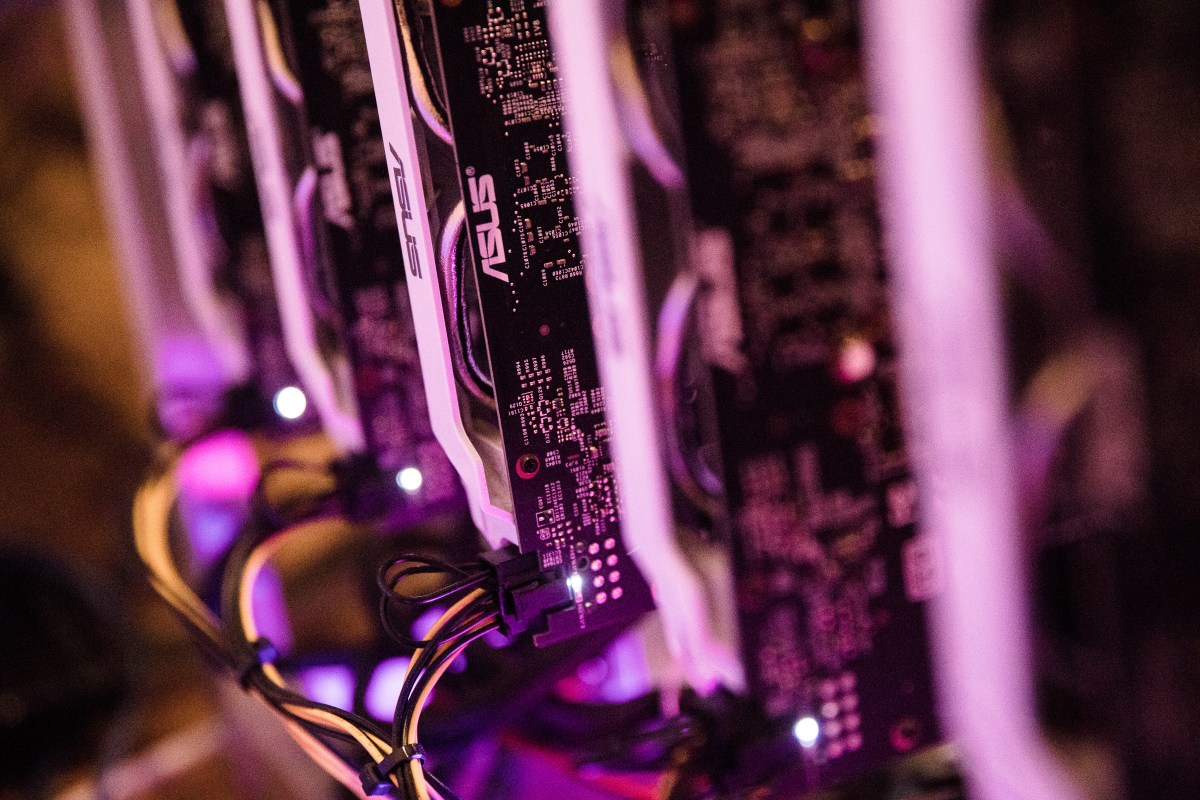
Meet the startup helping Wall Street put a price on AI compute
The rapid expansion of AI is driving unprecedented demand for compute, now the single largest expense for AI product development—often exceeding hundreds of billions annually. Silicon Data is addressing this critical gap by providing a transparent and actionable way to price and hedge AI compute costs. They’re empowering firms to navigate this evolving landscape with greater financial clarity. For those preparing for the technical side of AI, consider our article, "How to Answer AI System Design Interview Questions," for a framework to tackle design challenges.
how can I learn Machine Learning for Astronomical use? [D]
Embarking on machine learning for astronomical data—like JWST or TESS pipelines—is an exciting endeavor! Given your familiarity with Python and a visual learning style, several accessible resources exist. Begin with free online tutorials focusing on Python fundamentals and then transition to machine learning basics. Explore platforms like Kaggle and Google Colab for readily available Jupyter Notebooks, some even demonstrating exoplanet or black hole signature detection. For a structured approach, consider free online books covering Python and machine learning principles.
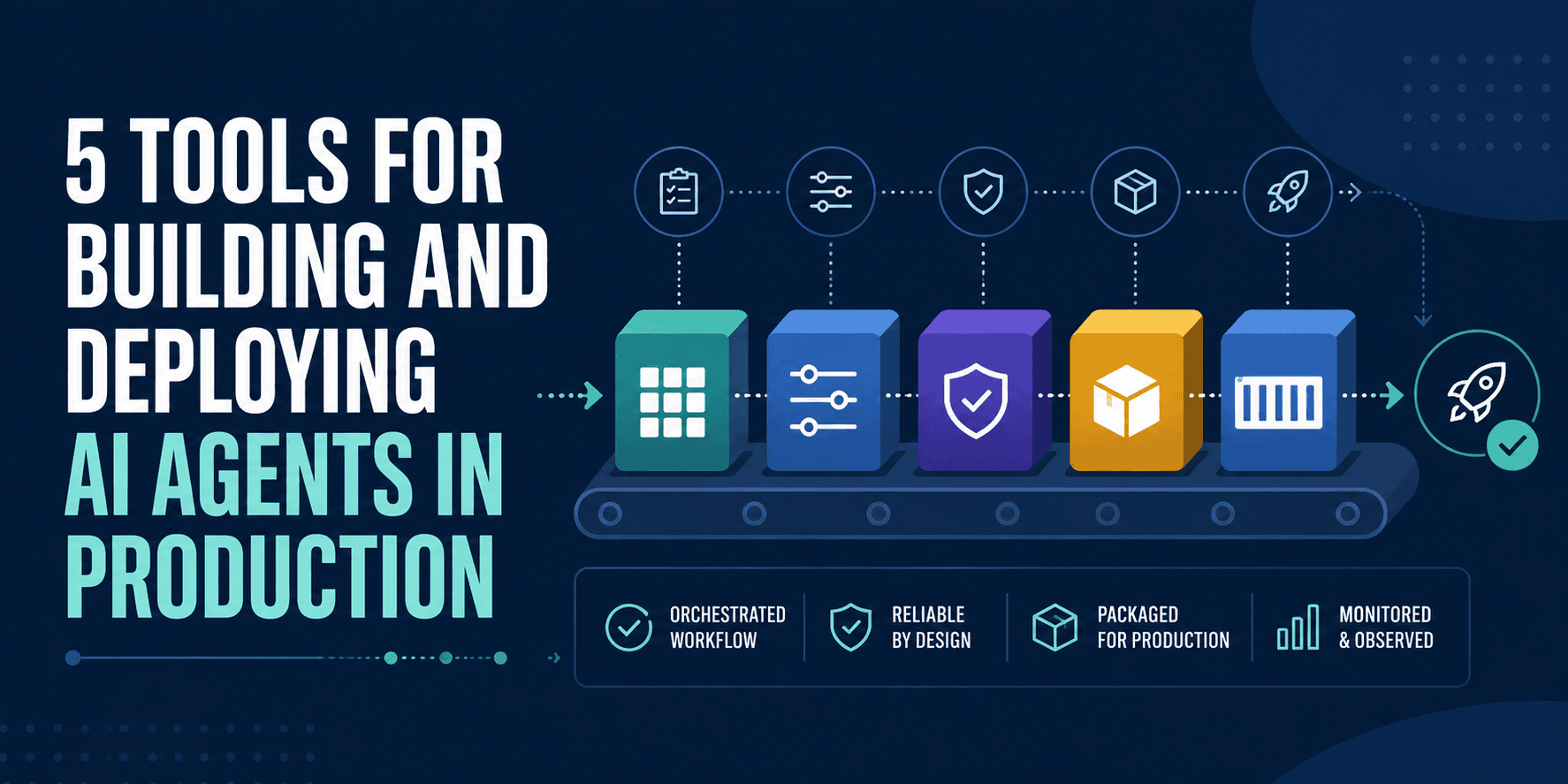
5 Tools for Building and Deploying AI Agents in Production
Navigating the complexities of AI agent deployment can be streamlined with the right tools. This article provides a concise overview of five essential tools, each addressing a critical layer in the agent development stack—from core logic construction to scalable runtime environments. We’ll explore options designed to empower your data journey, ensuring a smooth transition from concept to production. For a deeper look at the foundational importance of data in AI success, see our related piece, "AI isn’t close to curing cancer.

AI isn’t close to curing cancer. This startup says it knows what it will take.
The pursuit of AI-driven medical breakthroughs often overstates near-term possibilities. While a cure for cancer remains distant, a new startup is focusing on a fundamental truth: it’s the data, stupid. Their approach prioritizes meticulous data curation and intelligent modeling—a pragmatic strategy for unlocking insights hidden within complex biological datasets. This emphasis on foundational data practices represents a crucial shift, mirroring the innovative techniques explored in our recent piece, "Trained an diffusion model that runs on 264KB of RAM."

Multi Agent Collaboration Gets Persistent Compute in Bedrock AgentCore
Amazon Web Services is advancing multi-agent collaboration with the introduction of runtime instances for Amazon Bedrock AgentCore. This new compute option provides AI agents with persistent infrastructure, specifically engineered for intricate, long-running workflows and seamless coordination. This empowers users to build more sophisticated and reliable agent systems. For those navigating the complexities of AI-generated content, consider exploring our article, "How to Remove Claude Watermarks from Text, Code, and Files," for practical guidance.
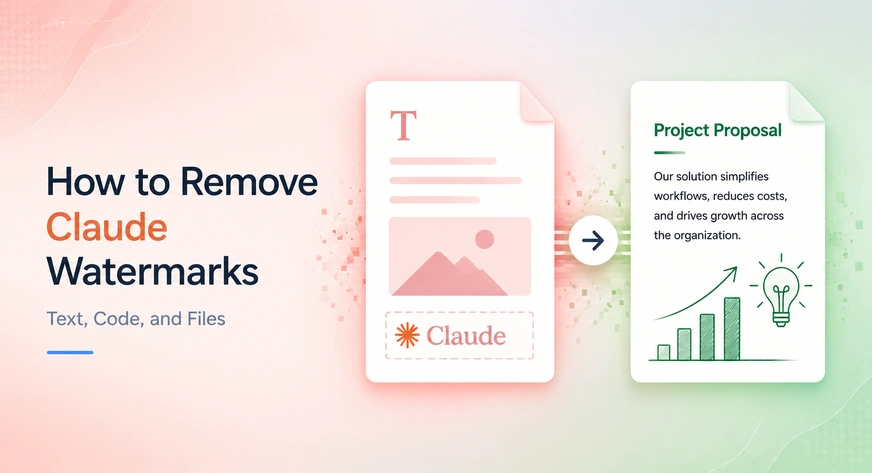
How to Remove Claude Watermarks from Text, Code, and Files
Anthropic’s Claude now embeds watermarks in AI-generated content, presenting a new challenge for users. Understanding how these watermarks manifest—through embedded text markings, signed C2PA metadata for files, and a nuanced approach to code—is crucial. This post details methods for removing these watermarks from text, code, and supported files, empowering you to leverage Claude’s capabilities with greater flexibility. Explore the intricacies of Claude's detection methods and discover practical removal techniques.

Building Enterprise Agent Systems that People can Trust, Verify and Improve
Successfully deploying AI agents within enterprises demands a focus beyond initial promise. Our latest article, "Building Enterprise Agent Systems that People can Trust, Verify and Improve," outlines five critical principles distilled from experience building a system for a $100M+ company. These principles ensure agent reliability and usability in production environments. We rank these principles by impact, offering practical guidance for avoiding common pitfalls.

Etched’s valuation doubles to $21B in a month
Etched, the AI-native spreadsheet technology startup, has seen its valuation surge to $21 billion in just one month, a remarkable testament to its transformative potential. This significant milestone follows Jane Street's installation and enthusiastic adoption of Etched's first shipped AI cluster system, prompting another substantial investment round. This rapid growth underscores a clear demand for future-focused data management solutions. For those exploring the broader landscape of AI models, consider our recent article on "Run Qwen3.8-27B as a Local AI Coding Agent."

Perplexity’s free AI offer left it with millions more users in India
Perplexity’s strategic partnership with Airtel propelled its user base in India to millions, demonstrating the power of accessible AI. Following the promotional offer’s conclusion for new users, Perplexity experienced a remarkable 60% rise in India revenue, even as downloads saw a slight decline, highlighting user retention and value. This success underscores a growing demand for AI-powered information tools. For broader context on navigating AI’s evolving landscape, explore our article on “OpenAI launches a safer ChatGPT for teens.”

OpenAI launches a safer ChatGPT for teens — years after teens started using it
OpenAI has introduced a version of ChatGPT specifically designed for teens, addressing years of widespread usage among this demographic. This iteration prioritizes safety with age-appropriate content filters, robust parental controls, and integrated learning tools—all aimed at guiding responsible AI interaction and discouraging academic dishonesty. The focus is on empowering teens to explore AI’s potential while mitigating risks. For deeper insights into the broader AI landscape, explore our recent analysis of semiconductor impacts, detailed in "Presentation: From Fab To Token."

Presentation: From Fab To Token - The State Of The Market
Jordan Nanos’s presentation, “From Fab to Token – The State of the Market,” delivers a critical analysis of how current semiconductor limitations, burgeoning data center demands, and networking bottlenecks are reshaping AI software architecture. Drawing on insights from SemiAnalysis research, Nanos explores benchmark performance, GPU scaling, and the complex interplay of tokenomics across the entire AI pipeline—from chip fabrication to model inference. Understand the tangible impacts on AI development, as highlighted by considerations like those explored in our recent piece, "Three Generations of Autoscaling."

Ten Is Not a Hundred
AI hallucination detection has a surprising vulnerability: the number ten. Recent research reveals that even sophisticated detectors consistently fail to flag "ten" as an error when it’s presented as "hundred." This seemingly minor detail highlights a critical flaw in current evaluation methods, underscoring the need for more robust testing strategies. Explore this unexpected pitfall and its implications for AI reliability. For deeper insights into building trustworthy AI agents, consider "Building Enterprise Agent Systems that People can Trust, Verify and Improve."