algorithm
111 stories filed under algorithm on Beyond Market Intelligence. The newest of them: “Facebook Puts Algorithm Control Directly in Your Hands”, “Explore how machines learn through multi-armed bandit simulations in Python”, and “Beyond the Decoder: Choosing When to Generate, Not Just Decide”. Facebook is putting algorithm control directly in your hands with its new AI-powered "Your Algorithm" feature. Reinforcement learning often feels abstract until you watch an agent learn in real time. Acme AI is the next-generation, AI-powered spreadsheet platform built to replace Excel and redefine how analysts, data scientists, and enterprise teams work… The list below is every algorithm story on Beyond Market Intelligence, newest first.

Facebook Puts Algorithm Control Directly in Your Hands
Facebook is putting algorithm control directly in your hands with its new AI-powered "Your Algorithm" feature. That's good. For too long, users have been passive passengers in their own feeds, hoping the platform guessed right. This tool gives you the ability to influence what appears, a shift toward transparency that feels overdue. For more on how AI is reshaping professional tools, see our coverage of how AI coding rounds are rewriting the rules of the data science interview.

Explore how machines learn through multi-armed bandit simulations in Python
Reinforcement learning often feels abstract until you watch an agent learn in real time. Multi-armed bandit simulations in Python make that process tangible, showing how machines balance exploration and exploitation through trial and error. The approach is accessible enough for beginners yet powerful enough to reveal core AI principles. If you are ready to move beyond static datasets, this hands-on exploration will transform how you think about autonomous decision-making.

Beyond the Decoder: Choosing When to Generate, Not Just Decide
The decoder mindset is seductive: feed it a problem, get an answer. But generation is a different beast. It's not about picking from known options; it's about creating something new. We agree, and we think that distinction is where the real value lies. Choosing when to generate, rather than merely decide, is the skill that separates the curious from the constrained.
AAAI 2027: Phase 1 Results Released, Phase 2 Submissions Now Open
The Phase 1 results are out, and the path to Phase 2 is now clear for those who advanced. If your paper made the cut, the next submission window is officially open. This is where the work gets more focused, and the stakes feel a little higher. We're watching this cycle closely because it rewards persistence as much as insight. For a deeper look at how structured evaluation shapes complex problem-solving, explore the Forrester Function article we published. Now, get to work.
Refine Your Accepted Paper: Maximizing Changes Before Camera Ready
A paper accepted to NeurIPS is now facing a difficult question: how much revision is too much before the camera-ready deadline? This author rewrote every section except results and conclusion, added a theorem with a five-page proof, and tacked on ten extra appendix pages. That is a substantial shift from what reviewers originally saw. The core tension is real. Reviewers approved a specific version, and changing the theoretical contribution or the sensitivity study's shape could feel like a new submission.

Unlocking Text's Potential: Exploring Vector Spaces and Classification
Text classification only works when words become numbers. That transition, from raw text into vector space, is where the real thinking happens. TF-IDF and the mechanics of turning language into something a model can actually use are walked through. It's a clear, grounded explanation of a step most people skip. If you're ready to move past the basics, this is a solid next stop. And for a different angle on machine learning, check out "Exploring Real-World Computer Vision" for more hands-on lessons.

Empower Your YouTube Experience: AI-Driven Custom Feeds Emerge
Describing a feed by typing what you want to see is a small ask with a big payoff. YouTube's new custom feeds let you use plain language, powered by Gemini, to shape a personalized stream around your exact interests. It is a practical step toward making the platform feel less overwhelming and more intentional. We appreciate tools that put the user in control, and this one invites exploration without demanding technical know-how.

Build Your First World Model: A Practical Python Guide
Building a world model sounds abstract until you watch one learn to play CartPole by imagining the future. That's exactly what this practical guide delivers: a hands-on Python walkthrough for creating a model that daydreams its way through the environment, then shows you precisely when that illusion starts to crack. It's a smart, grounded introduction for anyone ready to move beyond static spreadsheets. For more on how AI behaves in real-world systems, explore "Exploring Real-World Computer Vision: Deployments, Edge Models, and Current Challenges."

Meta's Muse AI Assistant Draws Inspiration from OpenClaw
Meta says Muse was built from scratch, yet the AI assistant carries OpenClaw's fingerprints, right down to workspace filenames and content. That honesty is refreshing. It suggests inspiration isn't a weakness; it's a starting point for something more accessible. We're watching how this unfolds, especially for users tired of rigid tools. If you're exploring how AI reshapes practical workflows, our piece on real-world computer vision deployments offers a grounded look at what's actually working.
Explore Jev: The AI Model Rethinking Text Generation
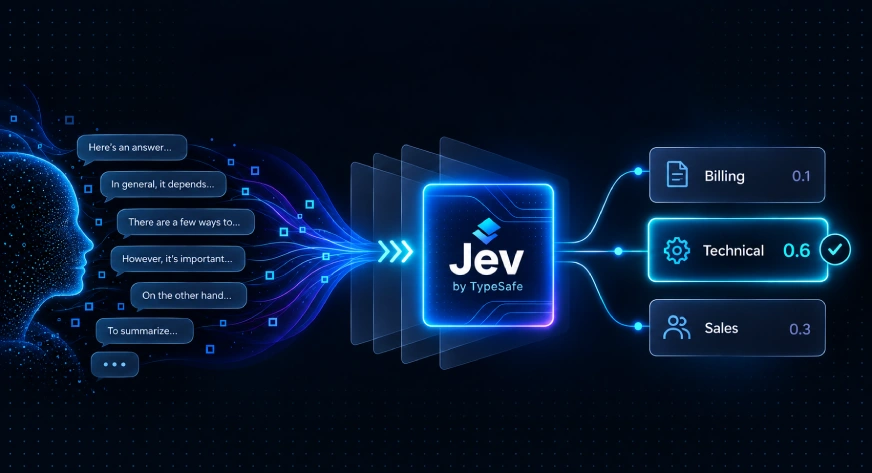
Jev is trending on X for a reason, and it's not just another flashy release. TypeSafe AI's new model challenges a core assumption by never generating a single word of text, which feels counterintuitive until you see the logic. We think that restraint is exactly what makes it compelling. If you're exploring how AI can reshape workflows, Jev offers a fresh angle worth your attention. For more on the mechanics behind such systems, our guide to distributed training pairs well with this story.
Code an Internal Speaker Recognition Tool with Claude
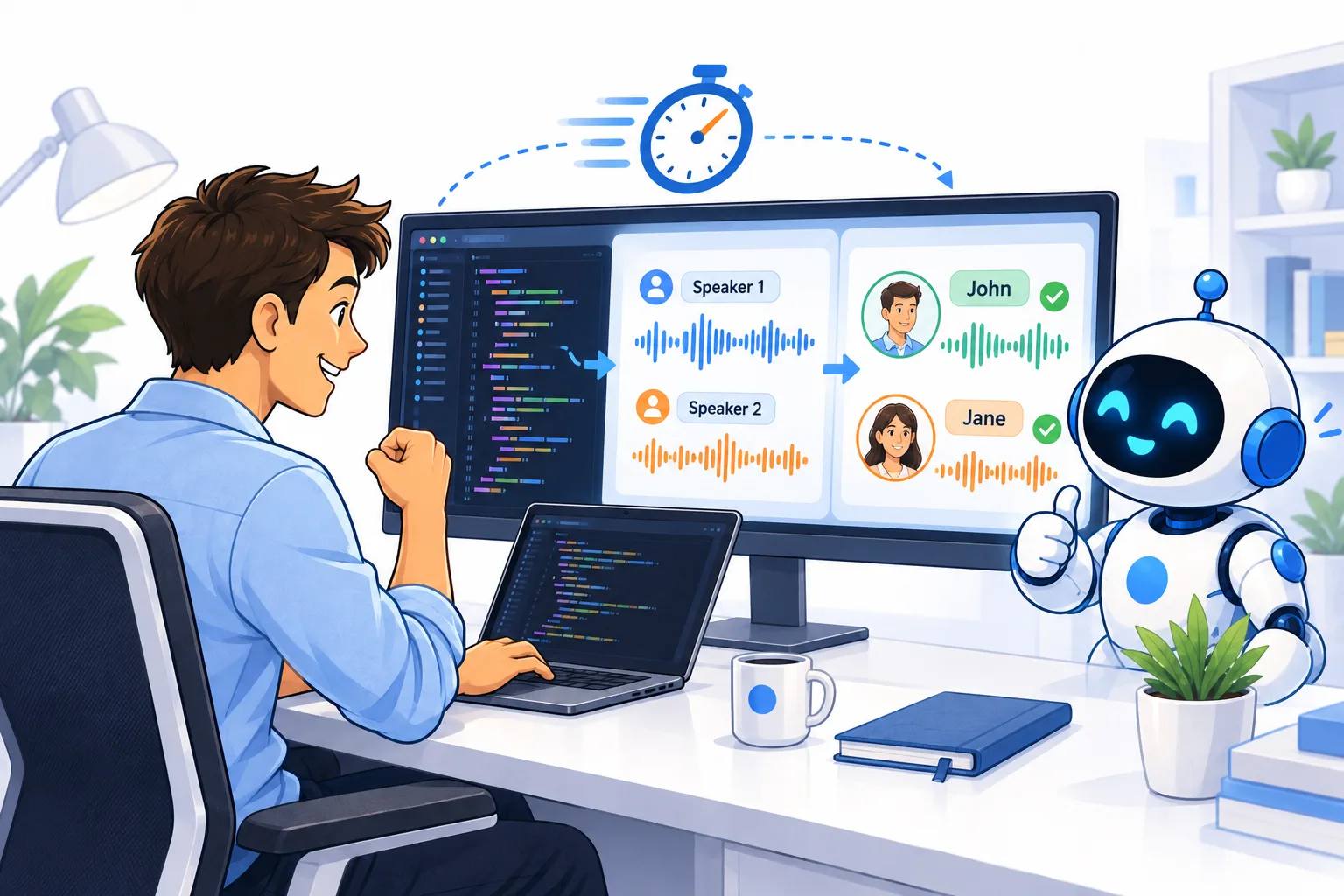
If you've ever wrestled with identifying who's speaking in a meeting recording, building a speaker-recognition tool from scratch can feel like a heavy lift. This guide walks through coding one internally with Claude, turning a complex audio challenge into a practical, hands-on project. It's a smart, accessible approach for teams ready to move beyond manual transcription. For a broader look at how AI handles real-world inputs, you might also enjoy *Exploring Real-World Computer Vision*, it pairs nicely with the concepts here.

Explore Xiaomi’s MiMo-V2.6: AI Model Training Achieves $3.5M Benchmark
Xiaomi's MiMo-V2.6 just made a compelling case for efficiency in AI training, clocking in at a $3.5 million total RL cost. That's a number that invites a second look, especially when paired with a live benchmaxxing dashboard that puts the process on display. It's a practical, transparent approach to a field often shrouded in complexity. For those wrestling with how to evaluate such models, our piece on verifying your AI's understanding offers a timely starting point. This isn't about hype; it's about measurable progress.
Exploring OpenAI: How AI is Reshaping Data Ownership and Access
Data ownership used to feel like a settled argument, but AI is quietly rewriting the terms. As models learn from our spreadsheets and inputs, the question isn't just who holds the files, but who controls the insights hidden inside them. That shift deserves attention. We explore how OpenAI's tools are pushing this conversation forward, challenging old assumptions about access and authority.
Exploring Autograd: A High Schooler's C++ Machine Learning Project
Building a tensor library and autograd engine from scratch in C++ is no small feat, especially for a high schooler. That kind of hands-on exploration is how you truly internalize the mechanics behind machine learning, moving beyond black-box frameworks. This project shows genuine curiosity and a solid grasp of fundamentals. We appreciate the willingness to share it for feedback. For those interested in seeing how such foundational work connects to real-world applications, our piece on real-world computer vision deployments offers a useful perspective.

When AI Writes the Code, Do You Trust the Defaults?
AI assistants are remarkably good at writing code, but they don't always question the assumptions baked into the libraries they use. That gap is where subtle errors hide. This piece examines five scikit-learn defaults that deserve a second look before you ship. It's a practical, grounded reminder that trusting the tool isn't the same as understanding it. If you're building for production, this is worth your attention. For broader context on model deployment challenges, our related piece on real-world computer vision offers useful perspective.
Speed Isn't Everything When AI Does the Work You Used to Own
One near miss, and four months of running agents left a writer asking a sharper question than any bug report: what are you supposed to do while the AI writes the code? The speed is real, but so is the quiet erosion of judgment. This isn't a warning against automation; it's a call to stay present in the loop. If you're navigating similar shifts, our guide to distributed training offers a practical foothold for keeping your skills sharp.
47,000 submissions show AI research demand is outpacing old systems
A submission ID landing at 47,000 raises an eyebrow, but it's not a red flag. ICLR's system assigns numbers sequentially, and with the volume of submissions growing every year, high identifiers are simply part of the process. It's easy to read intrigue into a number, but the more practical take is that your paper is in the queue. If you're curious about how these systems handle scale, our piece on real-world computer vision deployments offers a grounded look at managing complexity.
Is Reinforcement Learning Really Needed for Jev's Spreadsheet AI?
The question cuts to the heart of Jev's design. If the model only predicts Choice, Score, or Noul, those outputs are already differentiable through cross-entropy or MSE. Adding reinforcement learning feels like extra machinery unless there's a hidden reward signal we're not seeing. The environment would need to be defined, and that's unclear. It's fair to ask if this is substance or just a buzzword. We're not dismissing the approach, but the burden of proof is on the implementation.

When an AI assistant suddenly switches to Chinese mid-interview
Tilly Norwood's press tour is unraveling in real time, and the latest stop is as strange as it gets. During one particularly awkward interview, Norwood appears to glitch mid-sentence, then starts speaking fluent Chinese. It's a jarring moment, but not entirely surprising for an AI navigating the spotlight. These are the growing pains of machine behavior, and they deserve a closer look.
Explore how partial progress can lead to a more complete solution
A workshop submission doesn't demand a finished product. It demands a clear problem, a credible method, and a promise of what's next. Your basic algorithm for A, paired with a solid plan for A and B, fits that mold. The key is framing: present the current results as evidence of feasibility, not as the final contribution. The mathematics you outline for the full algorithm carries the weight. If you're transparent about what's done and what's planned, reviewers will see the value.
Explore how many labeled examples your text classifier truly needs before scaling up.
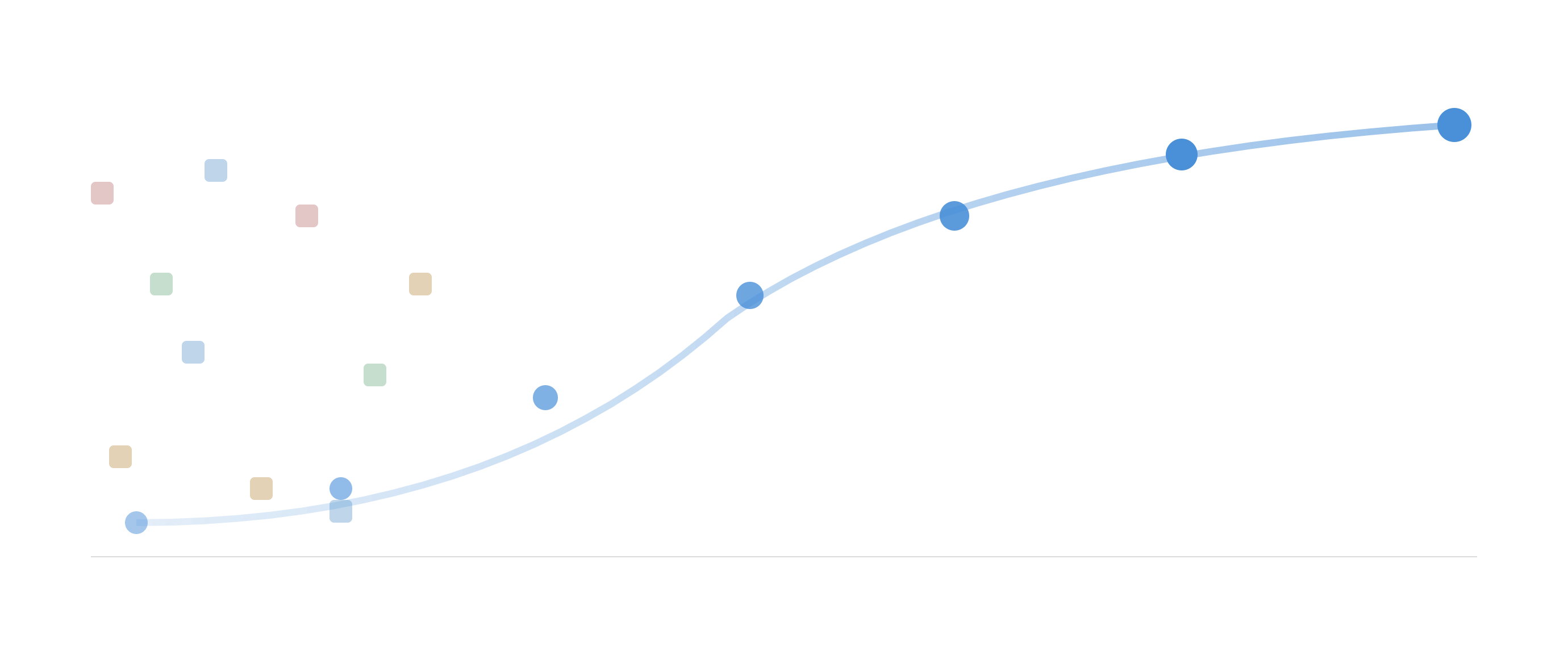
Before you default to an LLM API for every text classification problem, consider what a decades-old baseline can already accomplish with the labeled data you have on hand. This piece measures exactly how much more data buys you, turning guesswork into a clear, practical equation. It's a grounded, refreshingly honest look at efficiency. For those ready to move beyond theory, it pairs well with our guide on real-world computer vision deployments, where similar trade-offs shape every decision.

OpenAI acquires Glass Imaging to sharpen AI's visual intelligence
OpenAI's reported $300 million acquisition of Glass Imaging signals a deliberate step toward smarter, more intuitive visual data. The company, founded by two former Apple engineers who helped build Portrait Mode, understands the nuance of computational photography. That expertise could translate into spreadsheet workflows that interpret images as naturally as text. It's a practical move, not a flashy one, and that's what makes it compelling. For a deeper look at how vision models handle real-world constraints, our piece on computer vision deployments offers useful context.
A positive signal or routine step: reading between the Neurips site selection email
A site selection email from NeurIPS can feel like a signal, but it's worth reading carefully before you start planning a celebration. This message is a procedural step, not a verdict on your paper's quality. It likely went out to every non-withdrawn submission as part of the logistics pipeline. That doesn't diminish the work you've done; it just means the real decision is still ahead.

When Math Warns Us Why AI Needs a Human-Centered Future
Twenty-five Fields Medalists have signed a declaration warning of a severe misalignment between AI and mathematics. That carries weight. These are not voices from the sidelines; they are the field's most decorated practitioners. The declaration is aimed at mathematicians first, but its core concern, that AI's logic can diverge sharply from rigorous proof, deserves a wider audience. If you are exploring how AI handles structured reasoning, our guide, "Verify Your AI's Understanding: A Simple Check for Tax Season," offers a practical entry point.