automation
automation at Beyond Market Intelligence is a file of 255 stories. The newest of them: “Declare Your Data Intent: Flexible Workflows Without the Bottleneck”, “From visual AI to smarter factory floors, discover Perceptron's approach.”, and “Connecting AI agents without redesigning your CX architecture creates new challenges.”. Declarative specifications are the quiet workhorse behind flexible data workflows, and AWS is proving it. Factory floors run on precision, but the machines guiding them often operate with limited sight. Acme AI is the next-generation, AI-powered spreadsheet platform built to replace Excel and redefine how analysts, data scientists, and enterprise teams work… The list below is every automation story on Beyond Market Intelligence, newest first.
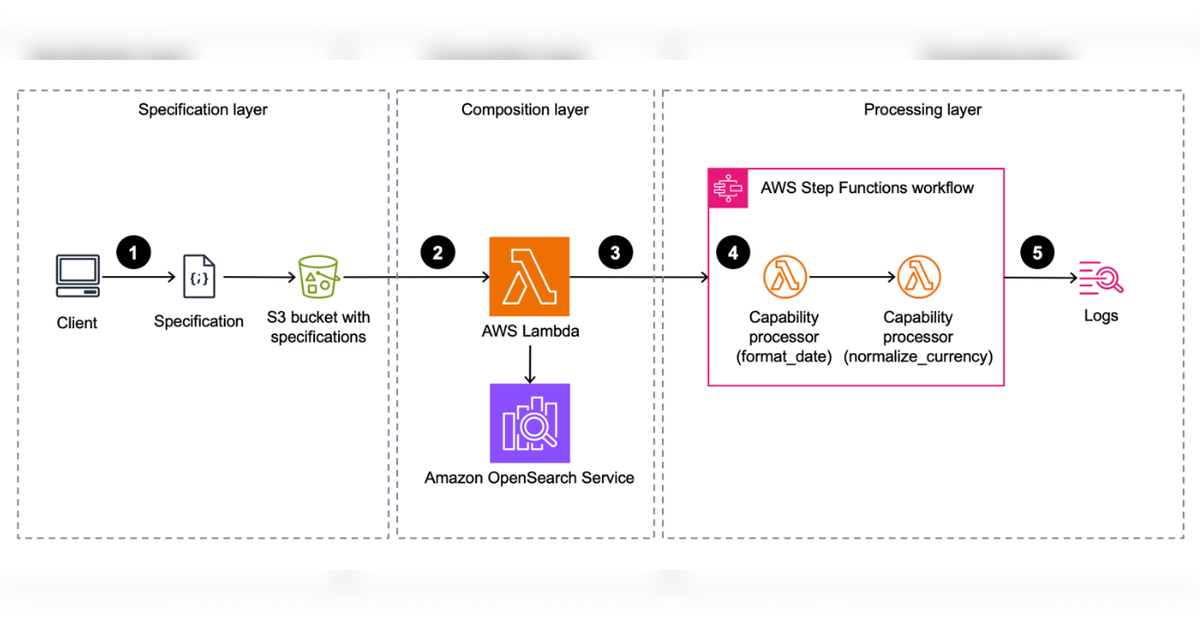
Declare Your Data Intent: Flexible Workflows Without the Bottleneck
Declarative specifications are the quiet workhorse behind flexible data workflows, and AWS is proving it. By separating intent from processing logic, this approach lets teams define what they need while reusing proven capabilities, with validation catching issues before execution runs. The payoff is tangible: dataset onboarding shrinks from weeks to days, without sacrificing traceability or governance. It is a practical, human-centered answer to a complex problem.

From visual AI to smarter factory floors, discover Perceptron's approach.
Factory floors run on precision, but the machines guiding them often operate with limited sight. Perceptron, built by ex-Meta scientists, aims to change that with an AI model designed for both navigation and deep visual intelligence. It's a pragmatic step toward smarter industrial operations, not a distant fantasy. For those tracking how computer vision moves beyond the lab, this is worth watching. Our earlier piece on real-world computer vision deployments offers useful context on where such models fit.

Connecting AI agents without redesigning your CX architecture creates new challenges.
Enterprises are racing to deploy AI agents across every channel, but most are discovering a hard truth: bolting conversational AI onto legacy systems doesn't create a connected experience. It creates new silos. Gaurav Anand of Tata Communications argues the real bottleneck isn't intelligence, but orchestration. The next competitive edge belongs to organizations that can coordinate AI, people, and data through a shared context layer. That's where the work of building truly frictionless customer journeys begins.
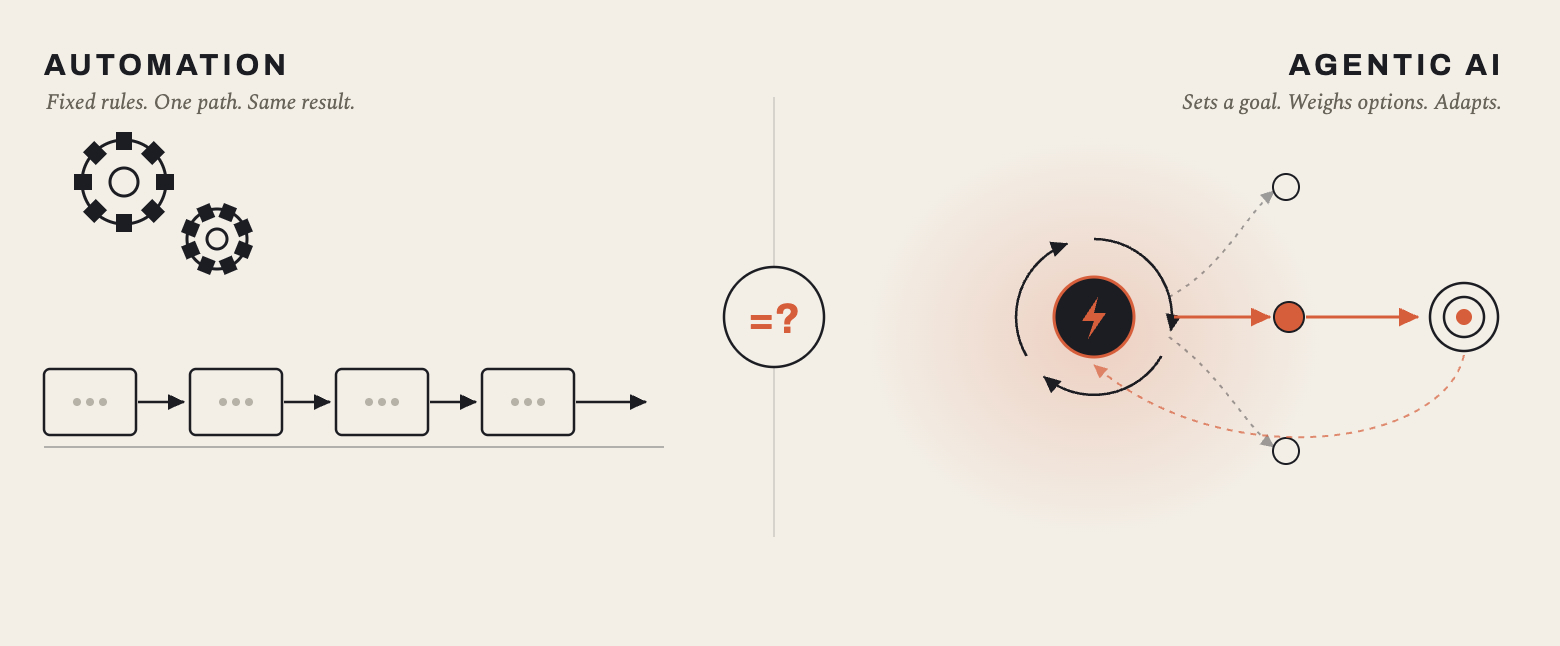
Beyond the Flowchart: What True Agentic AI Actually Requires
Most agents marketed as intelligent are just flowcharts wearing a neural network costume. The distinction matters, because true agency implies adapting to new contexts, not just executing a fixed sequence. This piece cuts through the hype to show why most current systems fail the test. If you are questioning whether the tech is genuinely learning or just following orders, you will want to read this.

Runable's $21M bet shows AI agents evolving from builders to growth engines
Runable just closed a $21M round, and the signal here is hard to ignore: 60% to 70% of its trillion-plus token usage over the last 90 days came from paying customers. That is not a demo problem. That is real traction. The bet, as the company frames it, is that AI agents can move from building businesses to growing them. We find that distinction compelling, and it suggests a maturity that the market is finally ready to reward.
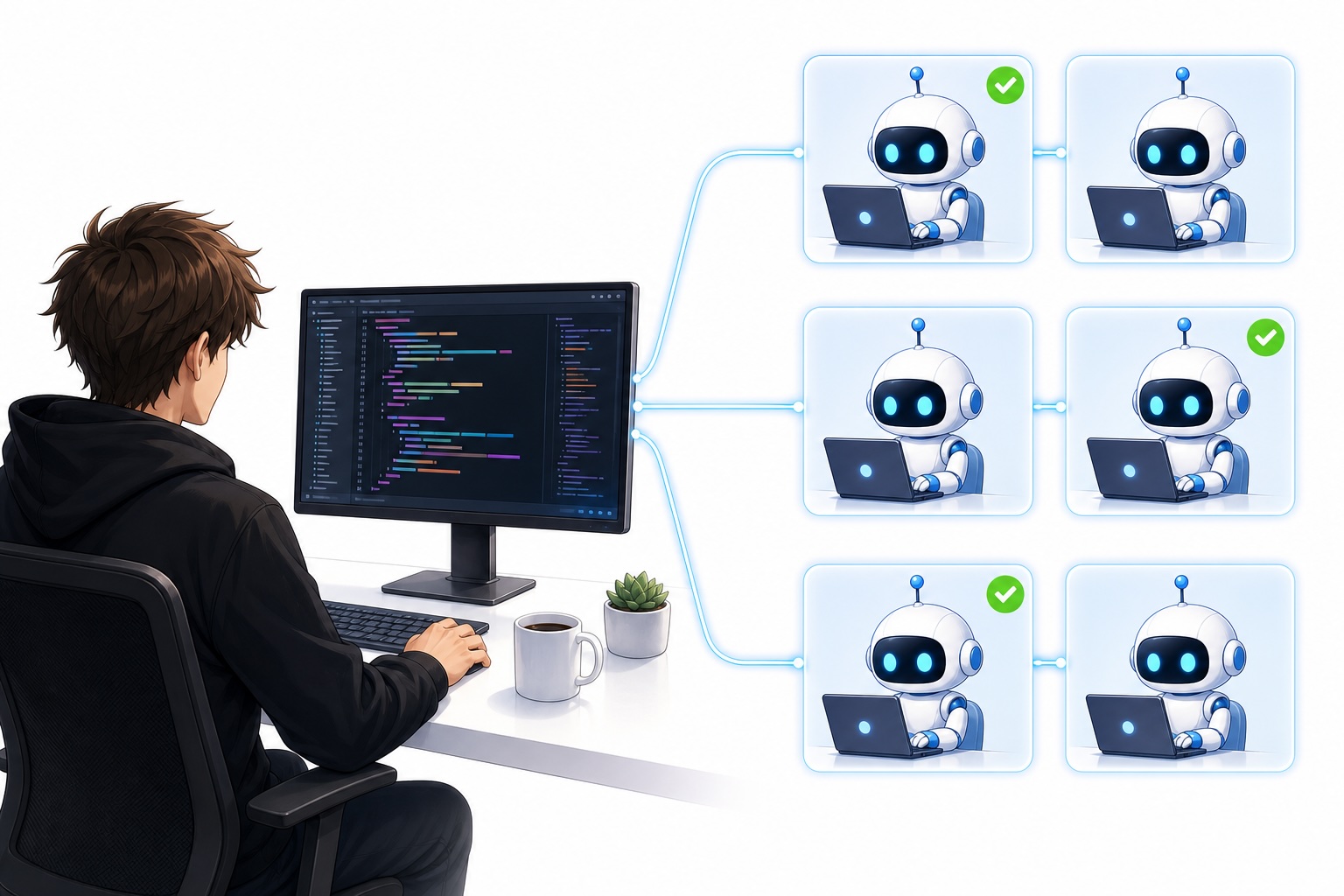
Unlock Smarter Workflows by Managing Hundreds of Coding Tasks
Claude Code is built to handle the heavy lifting, but the real skill lies in knowing how to direct it across a hundred or more distinct tasks. This guide cuts through the noise, offering a practical approach to structuring your prompts and workflows so you're not just issuing commands, but truly collaborating with your coding agent. It's about turning a useful tool into a dependable partner.

Generalist secures $200M extension, reaching $3B valuation
Generalist's climb to a $3 billion valuation, backed by a $200 million extension, signals more than momentum. It reflects a quiet confidence in physical AI's practical promise. Just months after doubling its worth, this startup is proving that patient, focused innovation still commands attention. We're watching a space where ambition meets execution, and that's worth exploring. For those questioning how deeply AI should shape our workflows, our piece on verifying AI's understanding offers a grounded counterpoint.
Turn Data Science Concepts into Deployable Workflows with Grok Build
Building a full data science project from scratch can feel overwhelming, but Grok Build and Grok 4.6 turn that chaos into a clear path. You'll move from exploratory analysis to scikit-learn models, then wrap it all in a FastAPI service, test it, and push it to the cloud. It's production-ready, not just a notebook experiment. For those wrestling with how AI models actually scale, our guide on distributed training algorithms pairs well with this workflow.

Explore how AI assists workflows but leaves complex coding to humans.
Asgaut Mjølne Söderbom and Ola Hast have moved past continuous deployment and pair engineering, yet their latest experiment with Claude Code revealed a sharp boundary. They find AI excellent for many tasks, but not for the messy reality of brownfield coding. This episode digs into why human collaboration still carries the weight where AI vibes fall short. For more on questioning AI's limits, check out "Talking to My AI Clone Taught Me to Question the Tech."

Rightsizing Developer Platforms to Reduce Cognitive Load and Accelerate Delivery
Platform engineering is rarely a one-size-fits-all equation. John Keates tackles the real friction behind modern developer platforms: the cognitive load that shift-left practices have quietly piled onto teams. He focuses on rightsizing, not just building more. It's a practical look at matching your platform to your culture, not the other way around. For those exploring how AI tools fit into everyday workflows, our guide to unlocking ChatGPT for work offers a useful starting point.

Linkdaze's free AI meal planner makes household calendars truly smart.
Linkdaze's smart calendar is built to run a household, not just track a schedule, and that mission rings true when you see its AI meal planner included without a paywall. Most tools dangle useful features behind a subscription, so this feels like a genuine shift toward accessibility. It's a smart move for families wanting practical help without the nickel-and-diming. If you're curious about how AI shapes daily tools, our piece "Talking to My AI Clone Taught Me to Question the Tech" offers a fitting counterpoint.

Explore programmable automation by running Codex as a headless agent
Codex was built for conversation. But its real potential emerges when you stop talking and start automating. This piece explores turning Codex from an interactive assistant into a programmable headless agent, a shift that lets you embed its capabilities directly into workflows. It's a practical move toward more autonomous data tasks, and we appreciate the clarity here. For readers ready to rethink how AI fits into their stack, this is a solid starting point.
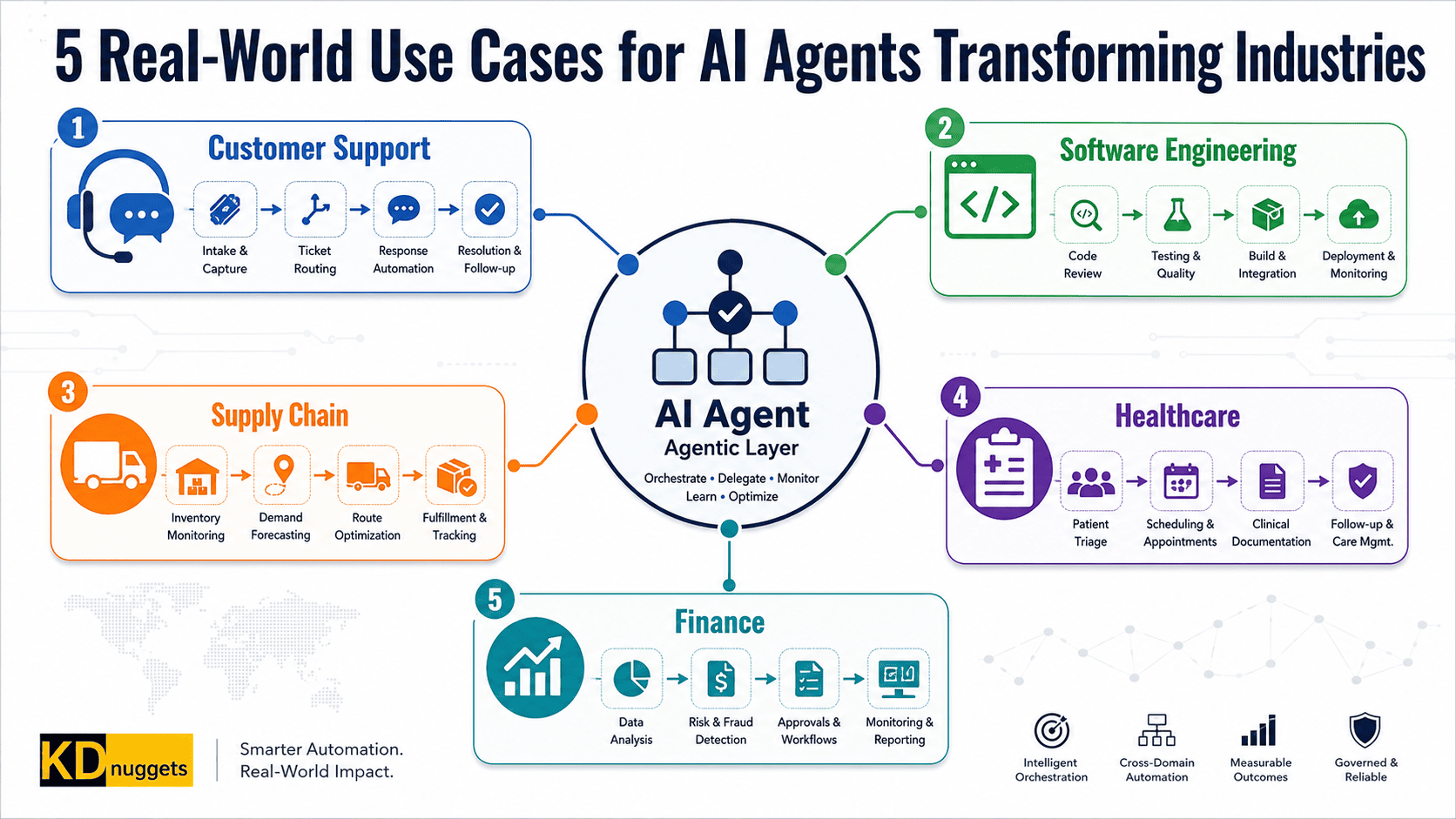
Five ways AI agents are streamlining complex workflows today
AI agents are no longer a concept for tomorrow. They are answering support tickets, writing code, managing supply chains, and flagging fraud today. The shift from static tools to autonomous action is real, and the examples here show how quickly that changes what a team can accomplish. If you want to see where this is headed, our guide to bridging retrieval and action offers a practical look at connecting the dots. The work is happening now, and it is worth your attention.
How Cloudflare uses AI to enforce engineering standards automatically
Cloudflare's latest move turns engineering standards from static documents into a live, AI-enforced control system across the software development lifecycle. That's a smart shift. Too often, best practices sit unread in a wiki, waiting for someone to stumble upon them. By embedding enforcement directly into the workflow, Cloudflare is making standards matter where the work actually happens. It's a practical, forward-looking approach that prioritizes consistency without slowing teams down.

ChatGPT now handles your Apple Messages through a simple plug-in
The new Apple Messages plug-in hands ChatGPT the keys to your texting, letting it draft replies on demand. It's a practical step toward offloading the small talk and scheduling clutter that eats your day. We're intrigued by the convenience, though it nudges us to ask how much of our voice we're willing to hand over. For more on that tension, our piece on talking to an AI clone offers a fitting counterpoint. Explore it, but keep your thumbs ready.

Talk across your apps with AI that listens and acts.
Meta AI's new Mac app puts dictation front and center, letting you talk to your apps across the board, much like Wispr Flow and Superwhisper. That's a smart move for anyone tired of clicking through menus. We've covered how AI tools can misfire, like in "Clean Data Starts With Catching AI Slop Before It Skews Your Model," so a hands-free approach that's built for everyday tasks feels like a practical step forward. It's not about hype; it's about making your workflow feel less like work.
From scattered Word tables to a single, structured Excel file
Sixty Word files, each holding a similarly formatted table, sounds like a manual data-entry trap. You are right to avoid the copy-paste grind, especially since the language column refuses to stay put in a single cell. Splitting that overflow into individual rows is the real prize here. A formula-based approach is clever, but it is fragile and hard to hand off.
Discover how to surface your most played decks from scattered date columns
Tracking down your most recently played decks across multiple date columns is a challenge Excel can handle, but it requires a smarter approach than a simple formula. You are essentially asking Excel to scan every date column, rank them, and map the top ten to their respective decks. That is doable with a combination of `MAX`, `INDEX`, and `SORT` functions, or a pivot table if you restructure your data. It is a bit of a puzzle, but a rewarding one.
Microsoft retires COPILOT function while keeping its Copilot feature alive
Microsoft's decision to retire the COPILOT worksheet function on 14 September is striking, precisely because the company rarely abandons backward compatibility. The Copilot feature itself remains, so this isn't a retreat from AI assistance. It's a targeted removal of a function that likely saw limited, awkward adoption. Have you used it? If so, for what? I'm curious whether anyone genuinely relied on it, or if it was always a novelty.
Automate your budget with an AI formula that reads due dates
Struggling to automate bill totals based on due dates is a familiar pain. You're close with the right idea, but the equation needs a nudge. Instead of pulling by exact day, you'll want to match the due day against each Friday's week range. Try this: `=SUMPRODUCT((N:N>=DAY(A2))*(N:N<DAY(A2+7))*O:O)` in cell B2, then drag down. It checks if each bill's day falls between Friday's date and the next one. For a deeper dive into simplifying data tasks, our piece on AI-driven workflow tweaks might spark
Discover how AI can simplify your data refresh workflows across platforms
You've already got the right script in place, `workbook.refreshAllDataConnections()` proves the logic works. The missing piece is triggering it consistently through Power Automate, and that means pairing your OfficeScript with a simple flow action. Since your table's background refresh is off, the script handles the heavy lifting; just call it via the "Run script" action after a file open or on a schedule. It's a clean workaround that turns manual refreshes into a hands-off process.
Empower your classroom with smarter, automated student activity grouping.
A teacher's request to automate student group assignments for a theme-week is exactly the kind of practical challenge that deserves a smart, accessible solution. You've already done the hard part by cleaning the data; the next step is letting Excel's logic handle the heavy lifting. With priorities and activity constraints in play, a simple formula won't cut it, but a structured approach using built-in tools can. If you're curious how similar optimization problems scale, our piece on the Forrester function offers a useful parallel.

Cognition CEO clarifies SpaceX acquisition rumor as industry competition intensifies
Cognition's CEO has pushed back on reports that SpaceX was in talks to acquire the AI coding startup, a claim that surfaced just as SpaceX moves to secure Cursor in its enterprise AI push. The denial is worth noting, though the broader race is clear: rivals like OpenAI and Anthropic are setting a fast pace, and talent is the prize. If you're tracking how AI shapes productivity, our piece on verifying an AI's understanding offers a practical angle worth exploring.
Stop struggling with every new dataset and start exploring smarter workflows.
The process of testing ten ML models on every new dataset is exhausting, and it's a familiar pain for anyone who's tried. The team at Arcliq decided to automate that grind, focusing on the messy parts like preprocessing and model selection. Their platform handles the heavy lifting, letting you upload a tabular dataset and receive a working model without needing deep expertise. It's early days, but they're opening a private beta to get real feedback. That's a smart move.