automation
automation at Beyond Market Intelligence is a file of 255 stories. The newest of them: “How a major acquisition is reshaping the AI IT automation landscape”, “OpenClaw 2.0 Arrives with Simpler Setup and Smarter Collaboration”, and “Unify workforce planning to see how people drive business outcomes”. Palo Alto Networks' $500 million acquisition of Thrive-backed Console signals a clear verdict: consolidation is here, and scale matters. OpenClaw 2.0 strips away the friction that kept too many users from customizing their own AI agent. Acme AI is the next-generation, AI-powered spreadsheet platform built to replace Excel and redefine how analysts, data scientists, and enterprise teams work… The list below is every automation story on Beyond Market Intelligence, newest first.

How a major acquisition is reshaping the AI IT automation landscape
Palo Alto Networks' $500 million acquisition of Thrive-backed Console signals a clear verdict: consolidation is here, and scale matters. The deal leaves Sequoia-backed Serval as the de facto leader in AI IT service automation, a position earned through focus, not fortune. We see this as a healthy shakeout. For teams tired of piecing together fragile workflows, this move validates a simpler path forward. Curious how AI reshapes job expectations? Our piece, "Navigating AI/ML Job Requirements," explores that shift. For now, watch Serval.
OpenClaw 2.0 Arrives with Simpler Setup and Smarter Collaboration
OpenClaw 2.0 strips away the friction that kept too many users from customizing their own AI agent. By rebuilding the installation process and sharpening the browser interface, this update makes a powerful tool genuinely approachable. We also see real progress in how memory and skills work together, which should make automations feel less like chores and more like extensions of your workflow. For anyone tracking where AI is headed, this is a meaningful step toward practical, everyday use.

Unify workforce planning to see how people drive business outcomes
Most organizations still plan workforce decisions in silos, HR tracking skills, finance owning headcount costs, procurement managing contractors, while executives struggle to connect those pieces to real business outcomes. SAP's research sharpens the stakes: 62% of C-suite leaders are dissatisfied with integration, and only 21% plan for AI's impact on job design. That gap isn't a data problem; it's a governance one. CFOs and CHROs must align on shared metrics, or they'll keep steering blind.
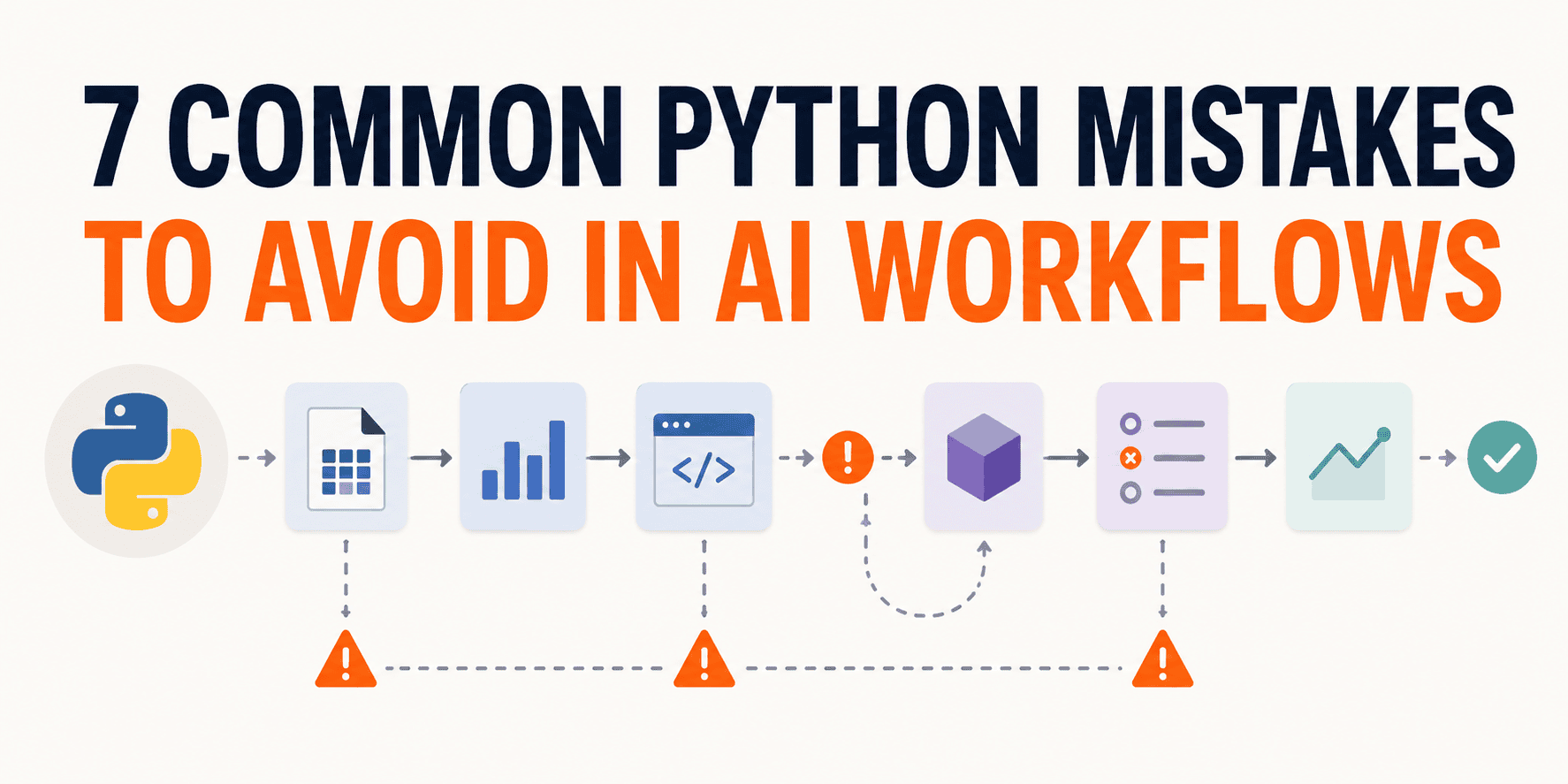
Your Pipeline Ran Clean. Here's Why That Doesn't Mean It Worked.
A clean run feels like a win. But in AI workflows, it's often a mirage. The process executed; that's all. It tells you nothing about what the pipeline actually learned, which rows shaped it, or whether the saved result can be trusted elsewhere. That gap is where real mistakes live. If you're ready to move past surface-level checks, our guide on distributed algorithms offers a natural next step. For now, let's focus on the seven pitfalls that quietly undermine your data's integrity.

Empower your family logistics with an AI that simplifies the daily chaos.
Family logistics can feel like a second job nobody applied for. That is a practical shift toward reclaiming time, and we are here for it. If you are juggling the mental load of parenting, exploring a tool that centralizes the chaos feels less like an upgrade and more like a necessity.

From Configuration to Control Governing AI Infrastructure Safely
As coding agents take over the writing of infrastructure, HashiCorp argues the real challenge has shifted to verification and safe execution. HCP Terraform is stepping into that role, offering governance for AI-driven workflows. It is a smart move, acknowledging that generating configuration is no longer the bottleneck. The focus now is on control. For those exploring how AI agents handle tasks, our guide, "Unlock ChatGPT for Work," offers a practical starting point.

Instagram limits AI profiles that hide their artificial nature
Instagram is putting new limits on undisclosed AI profiles, and that's a move worth paying attention to. As frustration over AI influencers grows, the platform is quietly curbing their reach unless they're clearly labeled. It's a practical step toward honesty in a space where synthetic personas often blur the line between entertainment and deception. For users tired of guessing who's real, this adds a layer of clarity.

Explore how an open-source framework transforms resource scheduling.
Dirk Lemmerman has made FlexGanttFX open source, and that's a meaningful move for anyone building scheduling tools. The JavaFX framework, released under the AGPL license, relies on Canvas rendering to keep performance sharp even when Gantt charts grow complex. Task dependencies and direct editing are built in, so project planning feels less rigid. It's a practical resource for industries that need tailored timelines. If you're curious about how similar frameworks handle unexpected data patterns, our piece on the Forrester function offers a useful parallel.

Scaling walls won't stop the global shift in drone competition.
The U.S. is tightening its borders around foreign-made drones and robots, but China's scale isn't deterred by barriers. It's a move that shifts the competition elsewhere, not stops it. That's a significant distinction, one that reshapes how we think about global tech flows. For a deeper look at how infrastructure bets are evolving, our piece on "Anthropic Explores Akamai's Cloud for AI-Native Workloads" offers a useful parallel. The race isn't ending; it's just finding new ground.
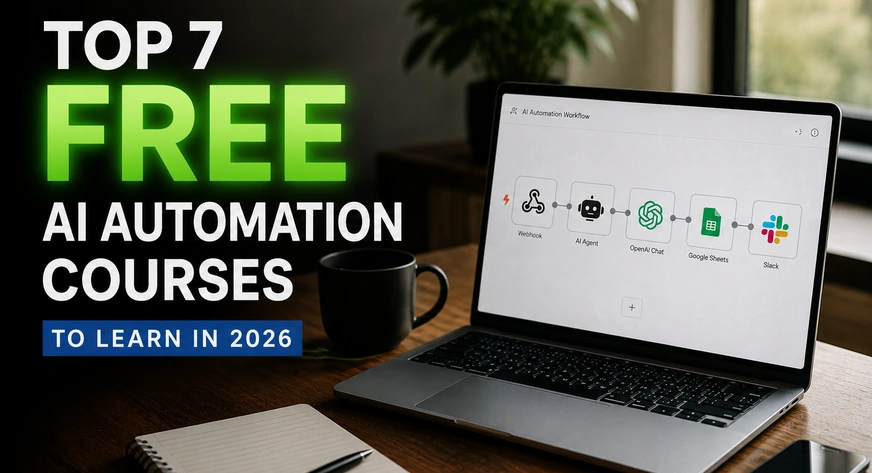
From Zero to Automation: Free AI Courses That Empower Your Skills
Starting from zero in AI automation is no longer a barrier. We have curated seven free courses that respect your current skill level, whether you are just opening a spreadsheet for the first time or ready to build complex workflows. The selection spans from gentle introductions to hands-on projects, ensuring a practical path forward. It is a straightforward way to move from consuming content to creating solutions.
Let your spreadsheet define done before your data makes the choice.
Most of us assume our AI agent knows what we want. It does not. It will happily define success for you, often in ways you never intended. We build these systems to be efficient, yet we skip the one step that matters: clarity. If you are tired of guessing why your agent made a call, you will find this exploration of unspoken assumptions essential. It is a practical look at a problem we all share.

From mining to data: Caterpillar applies hard-won AI lessons to new frontiers
For decades, Caterpillar has run autonomous machines across remote mining sites, learning what it takes to make AI work where failure isn't an option. That hard-won experience now anchors its approach to broader AI deployment. It's a natural evolution, and one worth watching. If you're curious how such systems verify their own understanding, our piece, "Verify Your AI's Understanding: A Simple Check for Tax Season," offers a practical starting point. The takeaway: proven grit beats hype every time.

Choose Your Coding Agent: A Practical Guide to Claude and Codex
Choosing the right coding agent can feel like navigating a maze, especially when both Claude Code and Codex promise to streamline your workflow. This guide cuts through the noise, offering a clear breakdown of where each tool shines. It's a practical read for anyone tired of guessing which assistant fits which task. I appreciate how it prioritizes real-world application over hype.
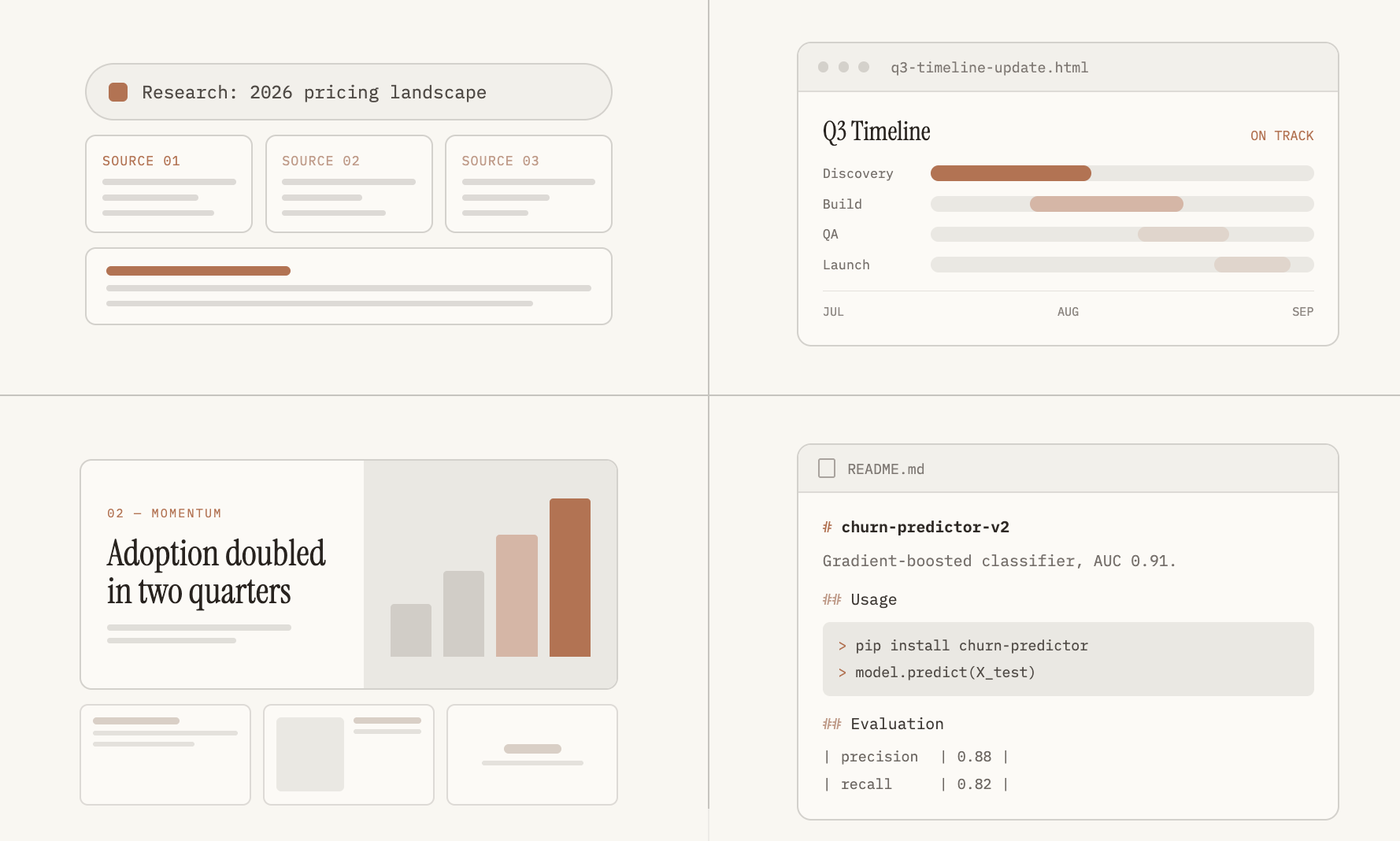
Four data skills to future-proof your workflow in 2026
Spreadsheets have taught us to wrestle with data. Claude skills, on the other hand, are built to help you stop wrestling and start working. This guide breaks down four practical additions to your workflow that keep you ahead of the curve without the hype. It is a grounded, useful read for anyone who wants to stay relevant. If you are also brushing up on the infrastructure side, our guide to distributed algorithms is a solid companion piece.

Focus human attention where it drives real data outcomes
Reviewing every AI action is a luxury most teams can't afford. In this piece, the author tackles a familiar bottleneck: how to keep humans in the loop without turning oversight into a full-time job. The answer isn't more checkpoints, it's routing attention to the moments that genuinely need it. We appreciate this practical take on balancing control with momentum. It pairs well with our guide on distributed training, where similar trade-offs between efficiency and oversight come into play.

Balancing Automated Node Efficiency with Application Availability in AKS
Azure Kubernetes Service users juggling node consolidation with application uptime now have clearer guardrails. Microsoft's new NAP guidance targets that exact tension, helping platform teams automate scaling without sacrificing availability. It's a practical step toward predictable disruption, not a promise of perfection. The efficiency gains are real, but so are the risks of aggressive consolidation. For teams exploring broader AI-driven workflow automation, our guide, *Unlock ChatGPT for Work*, offers a useful parallel in balancing automation with control.

Discover how AI agents simplify database setup and troubleshooting
Managing a database shouldn't require a specialist on call for every hiccup. Google Cloud's new AI-powered Database Operations Agents, built on Gemini Cloud Assist, tackle this head-on. The Onboarding Agent simplifies setup, while the Observability Agent automates troubleshooting and tuning across AlloyDB, Bigtable, and Spanner. It's a practical step toward freeing teams from repetitive maintenance. For a broader look at how AI agents are reshaping workflows, our guide on bridging retrieval and action offers useful context.
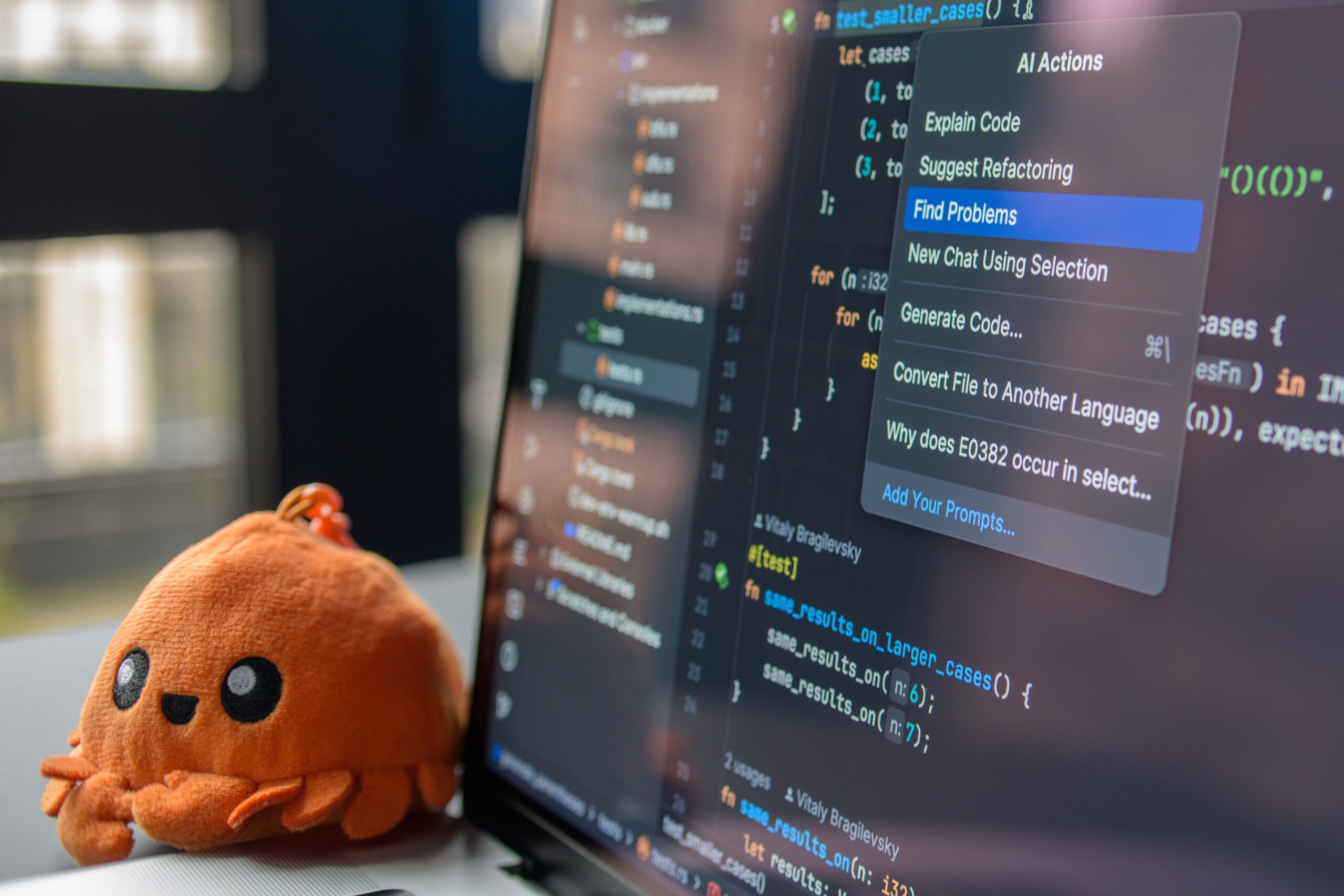
Discover how to guide AI agents toward code you can trust
Writing code with AI agents is about more than generating lines faster. It's about steering the output toward quality. This practical guide cuts through the noise, showing you how to work with these tools to get better code, not just more of it. We appreciate the focus on real workflows over hype. For a deeper look at the underlying mechanics, you might also explore our piece, "Unlock LLM Training: A Practical Guide to Distributed Algorithms."

Meet Microduck, an open-source robot you can train to do new tricks.
Hugging Face's Microduck isn't just a cute robot; it's a $399 invitation to rethink how we interact with open-source AI. CEO Clem Delangue frames it as a duck you can teach new tricks through reinforcement learning, which feels both playful and genuinely forward-thinking. We like that it lowers the barrier to hands-on experimentation. For anyone curious about where such practical, edge-driven AI fits into broader computer vision work, our piece on real-world deployments offers a useful companion.

AI handles the execution but human judgment still leads analytics.
Agentic AI is rewriting the analytics stack, shifting execution to intelligent agents that handle the heavy lifting. But as this technology takes over the mechanical work, one skill remains untouchable: the human judgment to ask the right questions. The distinction matters because agents can process data, yet they can't decide what truly matters. This division of labor isn't about replacing people; it's about freeing them to focus on insight and strategy.
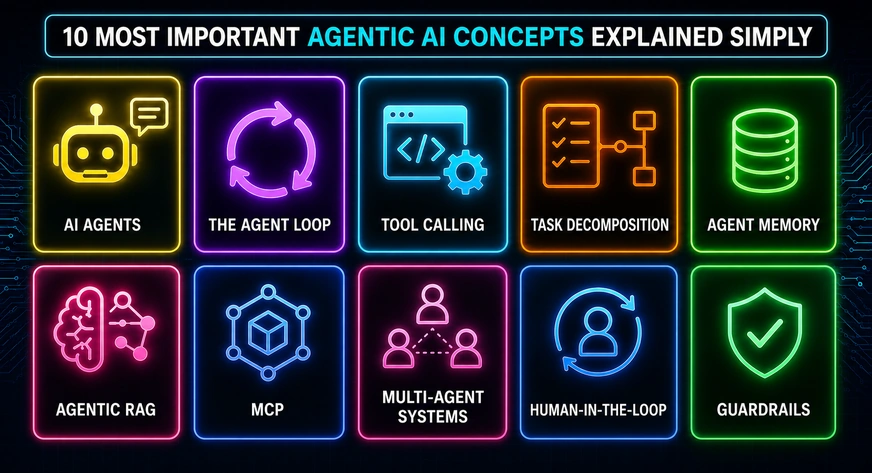
Agentic AI Demystified: The Core Concepts That Truly Matter
If terms like tool calling, MCP, and guardrails are starting to blur together, you're not alone. Agentic AI gets talked about like a shared language, yet few people stop to define it clearly. This guide cuts through that noise. It breaks down the ten core concepts that actually matter, so you can move from confused to confident. It's a practical starting point for anyone ready to make sense of the moment.
AI agents expand your workflow, not replace your role
The narrative that AI agents are quietly absorbing our jobs misses what's actually happening. We're seeing more work, not less, as these tools take over the tedious parts and leave us with richer, more complex problems to solve. It's a shift in effort, not a reduction of it. If you're exploring how this infrastructure is being built, our piece on Anthropic's bet with Akamai's cloud offers useful context.

Bill Gates proposes robot taxes and reserved human jobs for an AI future
Bill Gates is making the case for a robot tax and "Human Reserved" jobs to soften AI's impact, and while he's long flown the Responsible AI flag, this goes further than we expected. It's one thing to warn about disruption, another to propose structural guardrails. We appreciate the pragmatism, even if the details stay fuzzy. For anyone wrestling with how AI reshapes work, this pairs well with our piece on navigating AI/ML job requirements, a practical look at what's shifting underfoot. Worth reading both.
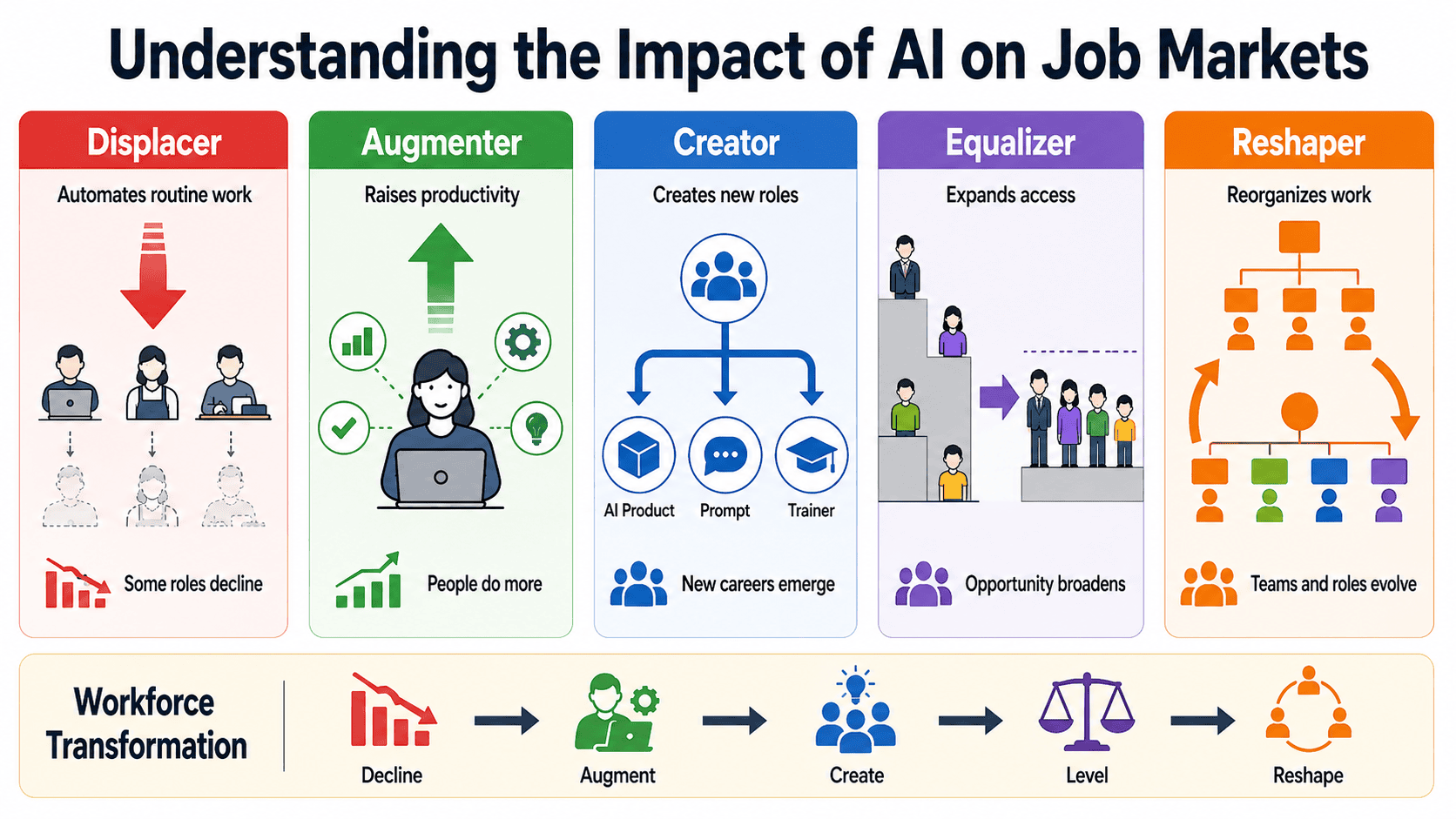
Five Ways AI Is Reshaping Work and Redefining Entry-Level Roles
The job market is shifting under our feet, and AI is the force nudging it along. From automating routine tasks to thinning out entry-level hiring, the change is tangible and, at times, uncomfortable. This isn't about doom-scrolling through predictions; it's about understanding five concrete ways work is being redefined. We explore what this means for your career, not just the economy. For a personal angle on this technology, our piece on talking to an AI clone offers a thought-provoking companion to the data.