best practices
best practices at Beyond Market Intelligence is a file of 13 stories. The newest of them: “AWS Agent Pinpoints Cloud Fixes Before You Deploy”, “How to benchmark online AI models without losing your data to training”, and “From demo to production: build Python AI libraries that deliver”. AWS's Well-Architected Agent preview points to a smarter path forward for cloud teams: catch issues before they reach production. Protecting your benchmark data from becoming training data is a real problem, especially for low-resource languages where every example is precious. Acme AI is the next-generation, AI-powered spreadsheet platform built to replace Excel and redefine how analysts, data scientists, and enterprise teams work… The list below is every best practices story on Beyond Market Intelligence, newest first.

AWS Agent Pinpoints Cloud Fixes Before You Deploy
AWS's Well-Architected Agent preview points to a smarter path forward for cloud teams: catch issues before they reach production. By analyzing environments against established best practices, it surfaces prioritized fixes across cost, security, performance, and reliability, then suggests remediation steps. Reviewing infrastructure-as-code pre-deployment is especially practical, shifting quality checks earlier in the workflow. For those exploring how such agents reason, our interactive 3D visualization of an AI agent's inner workings offers a useful companion perspective.
How to benchmark online AI models without losing your data to training
Protecting your benchmark data from becoming training data is a real problem, especially for low-resource languages where every example is precious. The trust gap with API-only models is legitimate, and a paid account is not a guarantee of privacy. You are right to be cautious. The practical answer is that there is no foolproof method, only risk mitigation.
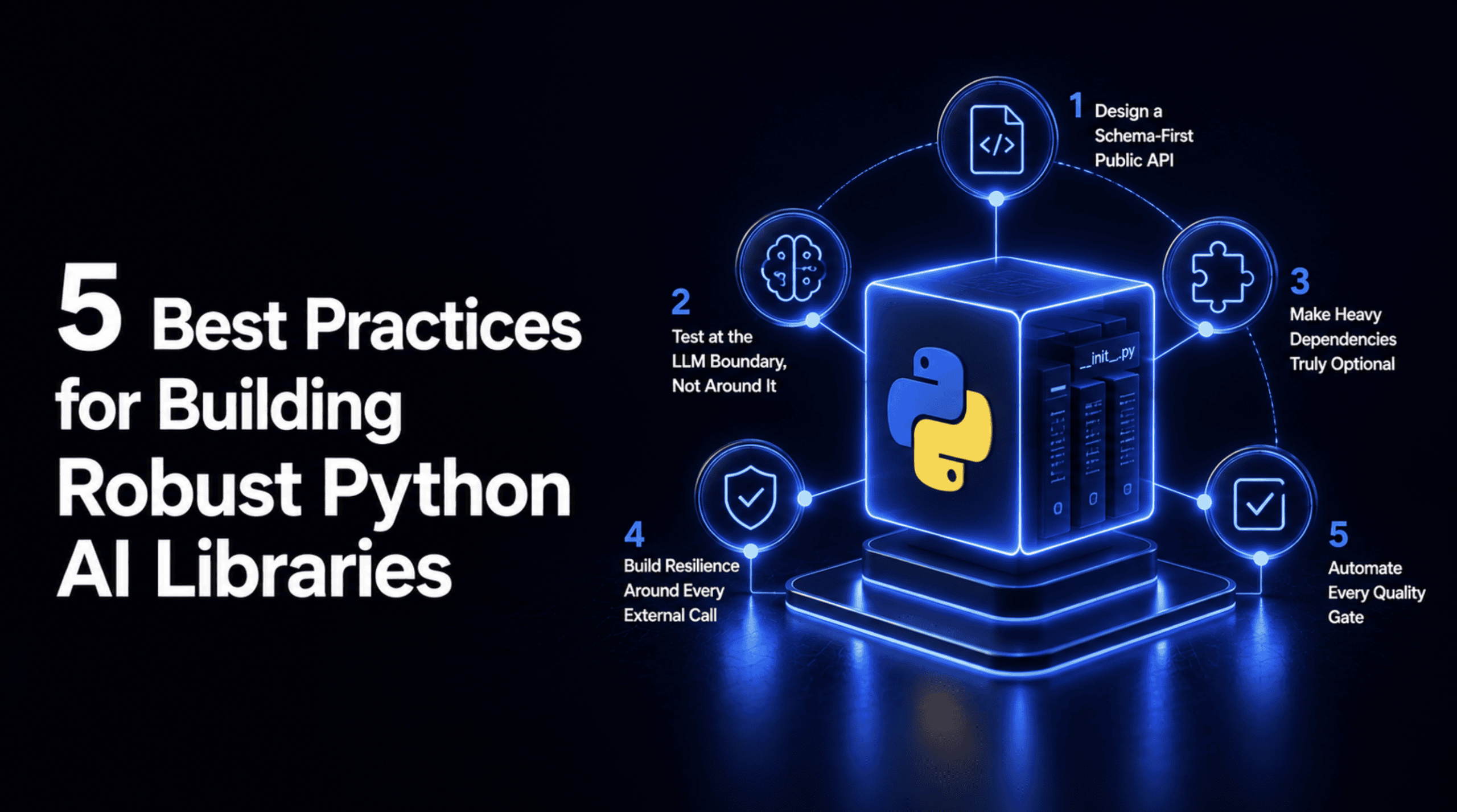
From demo to production: build Python AI libraries that deliver
Building a Python AI library that works in a demo is one thing. Making it survive production is another. This guide cuts through the noise, covering the best practices that separate a polished SDK from a prototype. It's about writing code that delivers real outcomes, not just clever demos. For more on how AI transforms workflows, see our coverage of "Discover how Dots by OpenAI transforms chaotic meetings into clear actions."
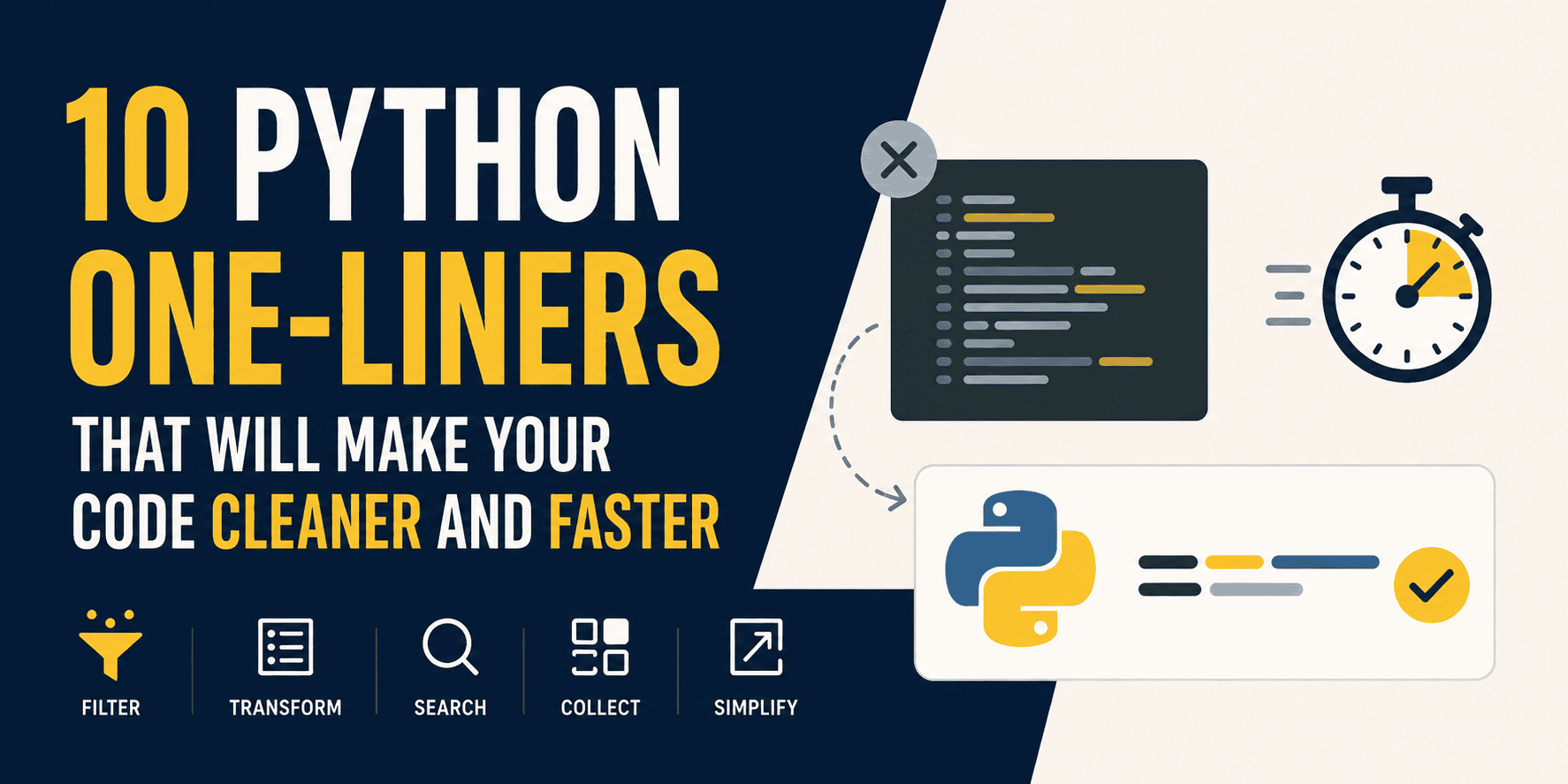
One line of code, seconds of time saved. That's the power of AI
One line of code, seconds of time saved. That's the promise of AI, and it's refreshingly direct. You type once, get the result, and move on, no follow-up lines, no corrections, no wasted motion. This isn't about flashy automation; it's about giving you back small pockets of time that add up. For a deeper look at how AI speeds up decisions, see our coverage of Jev, which delivers typed probabilities instead of text.
Keep Your Data Science Notebooks Running: Six Essential Habits
A notebook that runs perfectly on your screen can fall apart the moment you close the laptop. That frustrating reality is exactly what these six essential habits address. They are not about writing fancier code, but about building a workflow that survives interruptions and returns you to your work with confidence. We appreciate the practical focus on resilience. For another perspective on keeping complex work sustainable, you might explore our related article, "Expanding Your Tech Fluency: Key Insights Beyond Artificial Intelligence.
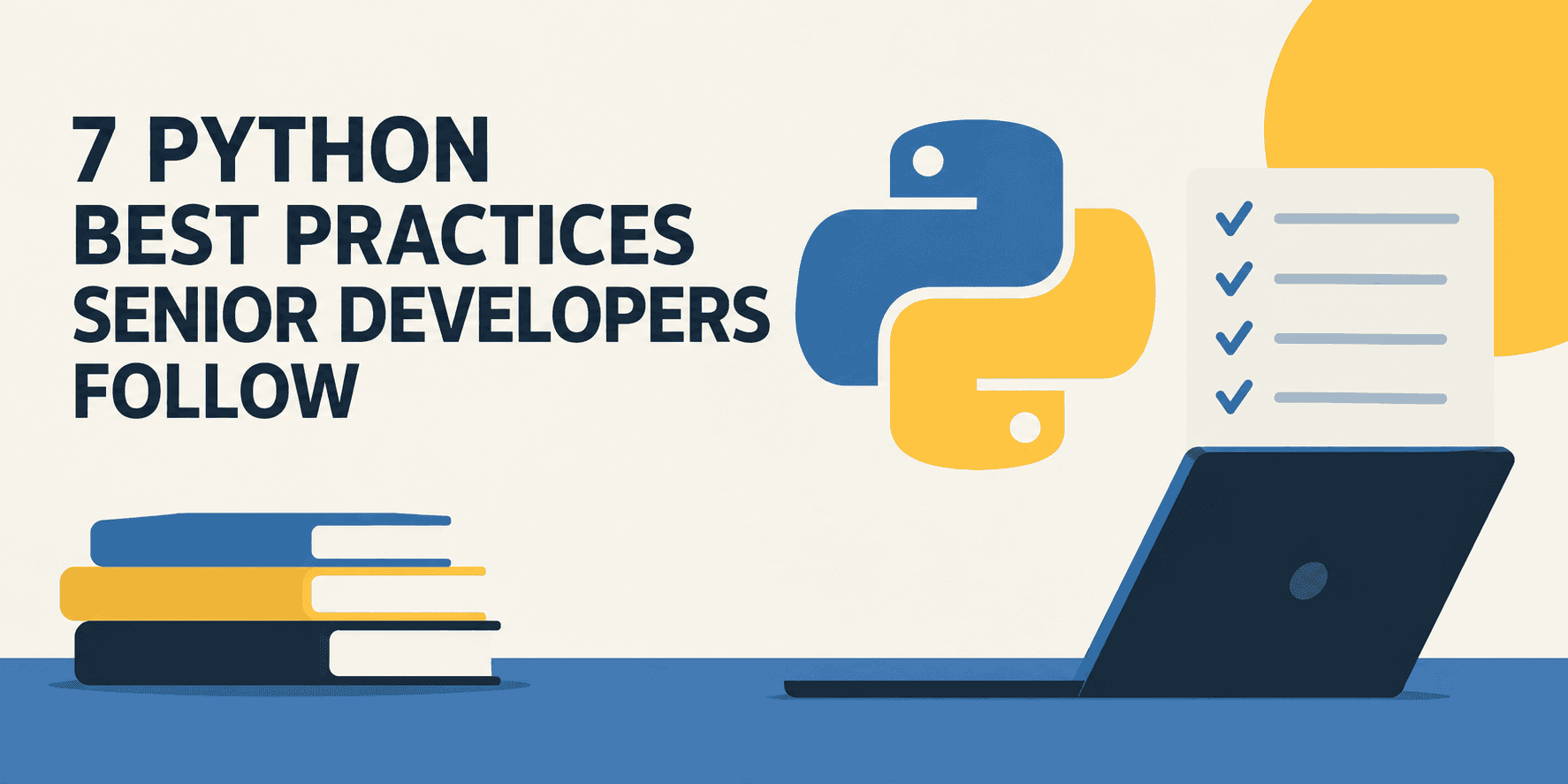
Seven Python habits that surface surprises before production does
Watching senior developers work is less about speed and more about calm. The seven practices they follow are built to reduce surprise, catching issues before they ever reach production. It's a discipline that values foresight over cleverness. If you're ready to move beyond syntax and into mindset, these habits are worth your attention. For a deeper look at how advanced thinking reshapes code, our piece on unlocking Python's potential pairs well with this. The goal isn't to do more. It's to make the unexpected rare.
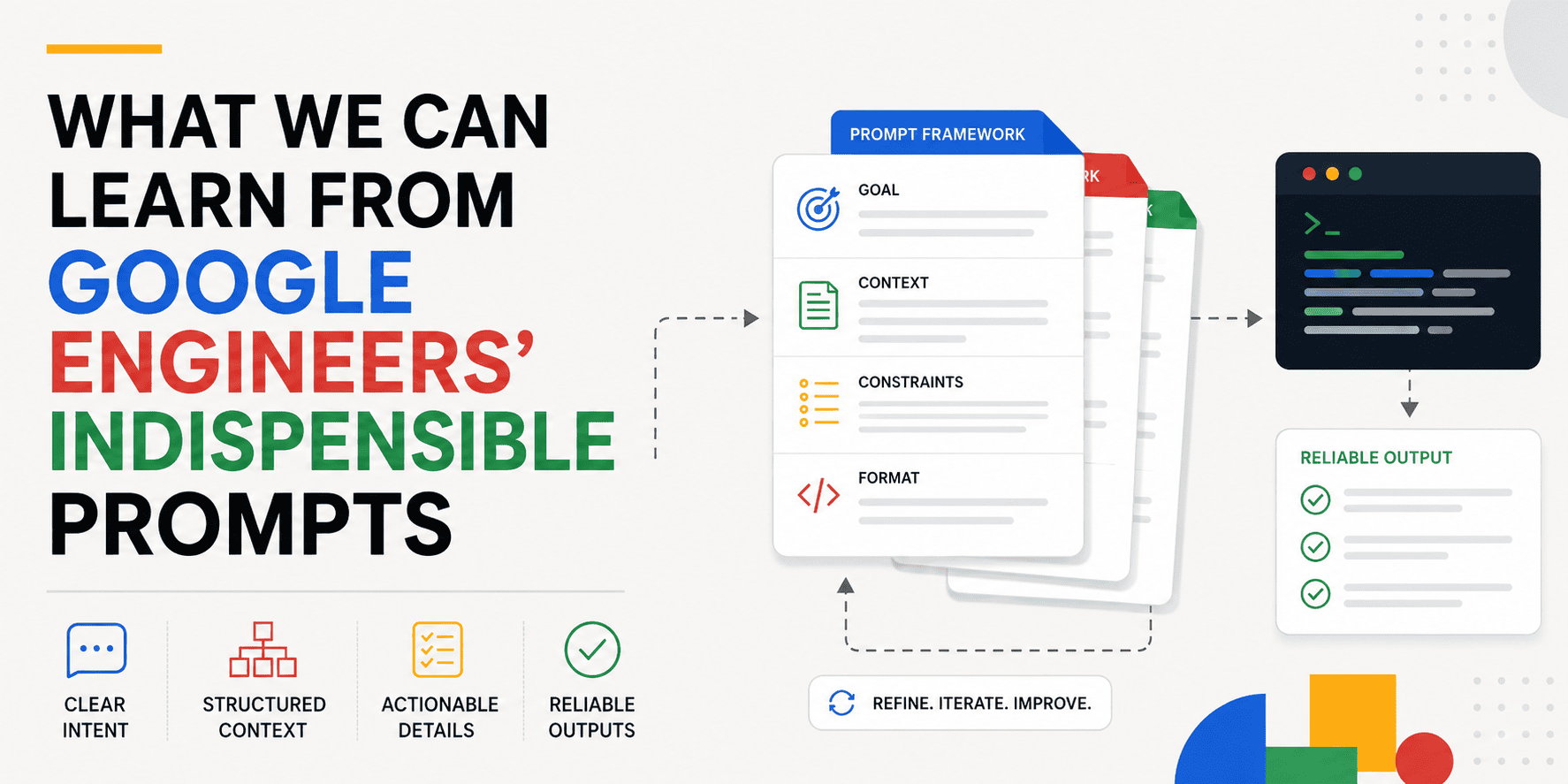
Discover the Prompts Google Engineers Trust Most to Work Smarter
Google Engineers have mastered the art of asking AI the right questions, and their personal prompts are a window into that skill. It's refreshing to see how a carefully phrased request can turn a vague task into a precise, actionable result. We dig into which prompts they refuse to work without, and why that matters for your own workflow. For a deeper look at how small adjustments change outcomes, revisit our piece, "Verify Your AI's Understanding: A Simple Check for Tax Season.
Protect your data integrity when sharing spreadsheets with multiple users.
Sharing a sales dashboard across a team is a solid step toward better collaboration, but it also opens the door to accidental formula breakage. Sheet protection is a good start, yet it often feels like a blunt instrument when you need both control and flexibility. For cloud deployment, OneDrive or SharePoint works well for real-time co-authoring, but if your team needs deeper governance or analytics, a dedicated BI tool might be the more accessible path.
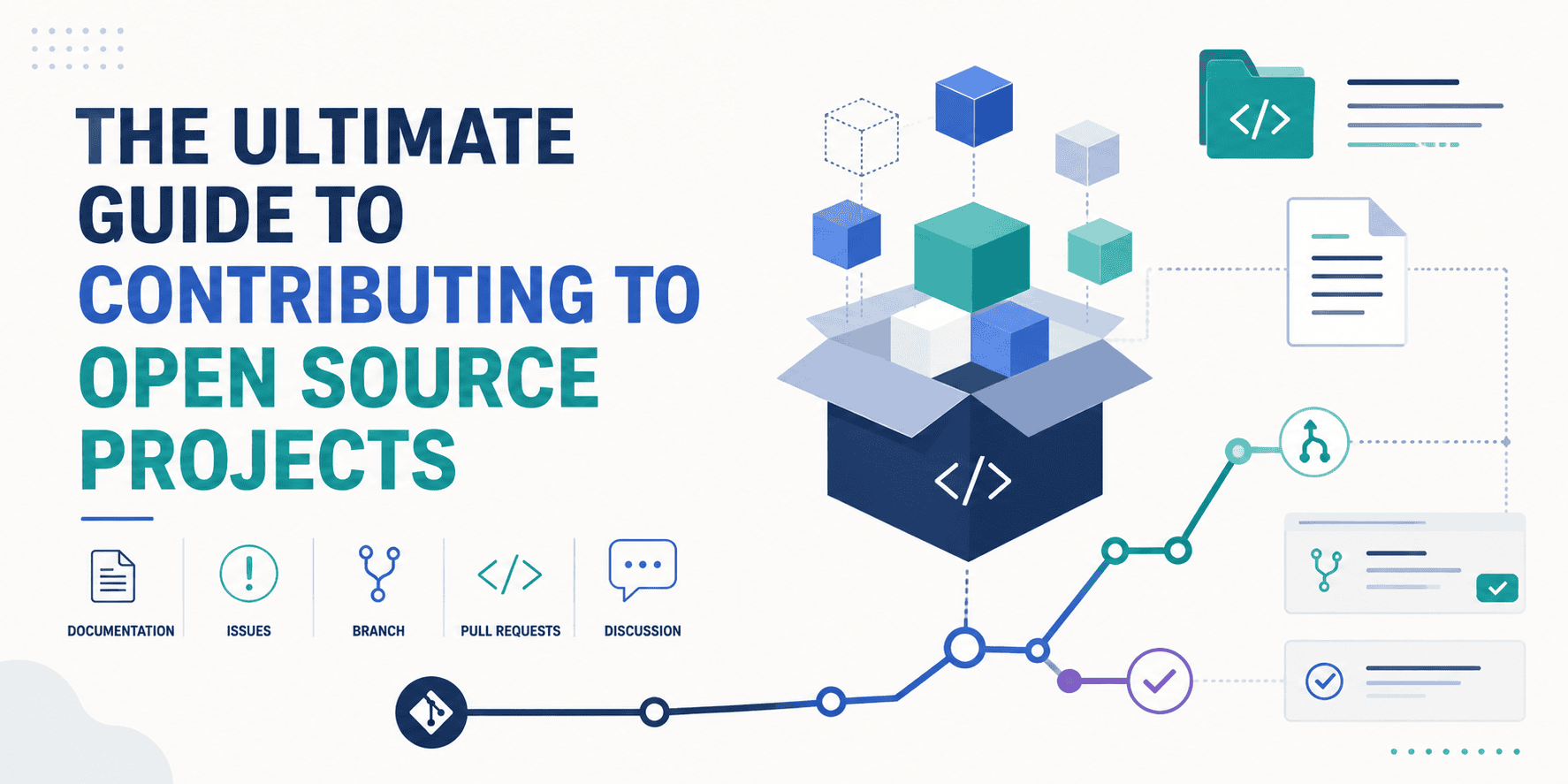
How to Contribute to Open Source Projects With Confidence and Clarity
Open source contributions often stall before they start, usually because the first commit feels like the hardest step. This guide cuts through the guesswork, showing you how to identify projects where maintainers actually respond, master the exact git workflow, and turn a single pull request into a lasting presence. It is a practical map for getting your first real contribution merged.
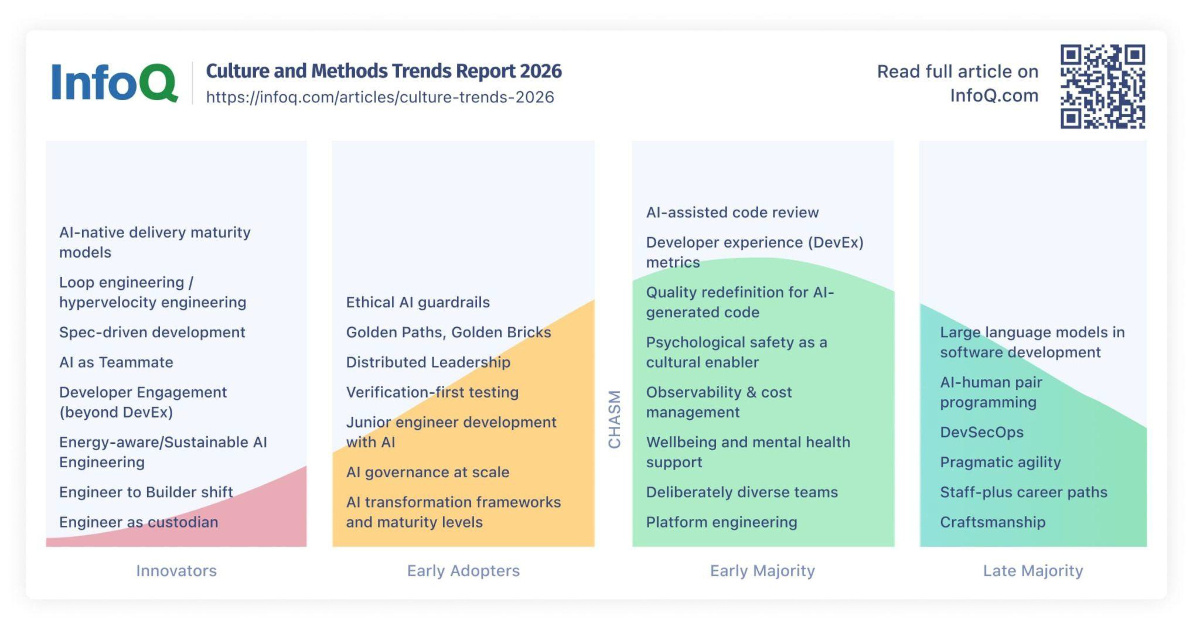
Explore the 2026 culture and methods trends shaping collaborative work
The InfoQ Culture and Methods editorial team has mapped where software delivery is heading in 2026, and the picture is less about tools and more about trust. The report digs into how teams are reshaping workflows around human outcomes, not just throughput. It's a grounded read, especially when so much tech commentary leans on hype. For practical context on how these cultural shifts play out in daily work, the related guide on unlocking ChatGPT for work offers a useful, hands-on starting point.
Three Lessons from 400,000 Sessions on What Actually Works
For years, we treated Claude Code workflows as personal preference. Pick your mode, set your memory, move on. That thinking was comfortable, but it was also wrong. Anthropic analyzed roughly 400,000 sessions from over 235,000 users, scoring them against hard evidence of success: passing tests, landed commits, and confirmed user satisfaction. The result? Best practices are not a matter of taste. They are measurable, and they can be learned. This is what the data actually shows, and it is worth your attention.
Stop wasting hours on AI output that misses the mark
Every hour spent untangling AI-generated filler is an hour you don't get back. This story calls out the real cost of sloppy outputs, and it's not just about wasted minutes. It's about the mental drag of cleaning up noise. We appreciate the push toward sharper, more intentional use of AI. For a deeper look at how AI can mislead even its creators, check out "Talking to My AI Clone Taught Me to Question the Tech." The fix starts with demanding better.

A standards body for frontier AI could empower responsible innovation.
Demis Hassabis wants an independent body to test frontier AI models, modeled after FINRA. That's a smart, grounded proposal. It moves oversight from vague promises to practical standards, giving developers clear guidance without stifling progress. For users tired of hype, this feels like a step toward accountability. It also echoes themes we've explored in "Verify Your AI's Understanding: A Simple Check for Tax Season," where clarity matters just as much. If we're building tools that shape decisions, we need checks that keep pace.