ChatGPT
58 stories filed under ChatGPT on Beyond Market Intelligence. The newest of them: “Unlock natural language control of your smart home with AI agents”, “Build Your Own ChatGPT Function Inside Excel with an API Key”, and “Explore how AI agents simplify WhatsApp Business setup and management”. Your Google Home just got a whole lot more conversational. You're right that Google Sheets has its `=AI` function and Microsoft offers `=Copilot`, but OpenAI hasn't shipped a native `=CHATGPT()` formula for Excel. Acme AI is the next-generation, AI-powered spreadsheet platform built to replace Excel and redefine how analysts, data scientists, and enterprise teams work… The list below is every ChatGPT story on Beyond Market Intelligence, newest first.

Unlock natural language control of your smart home with AI agents
Your Google Home just got a whole lot more conversational. Google is rolling out early access to a new MCP server, letting AI agents like Claude and ChatGPT manage your connected devices, pull up camera summaries, and handle smart home tasks through plain language. The move feels like a natural next step for making home automation genuinely accessible. It's not about replacing your routine; it's about simplifying it.
Build Your Own ChatGPT Function Inside Excel with an API Key
You're right that Google Sheets has its `=AI` function and Microsoft offers `=Copilot`, but OpenAI hasn't shipped a native `=CHATGPT()` formula for Excel. That doesn't mean you're stuck. With a little VBA and an API key, you can build your own cell-based function that calls ChatGPT directly, then drag it down like any other formula. It's a practical, hands-on way to bring AI into your workflow.

Explore how AI agents simplify WhatsApp Business setup and management
Setting up a WhatsApp Business account has always meant wading through templates, testing, and troubleshooting. Meta's new MCP server changes that by letting AI coding agents like Claude and Cursor handle the boring parts. It is a practical step toward making developer workflows less tedious, and we are here for it. For more on how AI handles precise tasks, check out "Verify Your AI's Understanding: A Simple Check for Tax Season." The shift is subtle, but it is worth exploring.

Explore how GPT-6 Astra transforms coding and agentic workflows.
OpenAI's GPT-6 Astra lands with a clear focus: coding, computer use, and long-running agentic tasks. That's a meaningful step beyond the usual model drop. It signals a shift toward practical, sustained work rather than quick prompts. For anyone who has felt the ceiling of traditional spreadsheets or legacy tools, this is the same spirit we champion: making complex systems feel manageable. If you're curious about how AI handles structure, our piece on paragraph navigation in LLMs pairs well with this release.
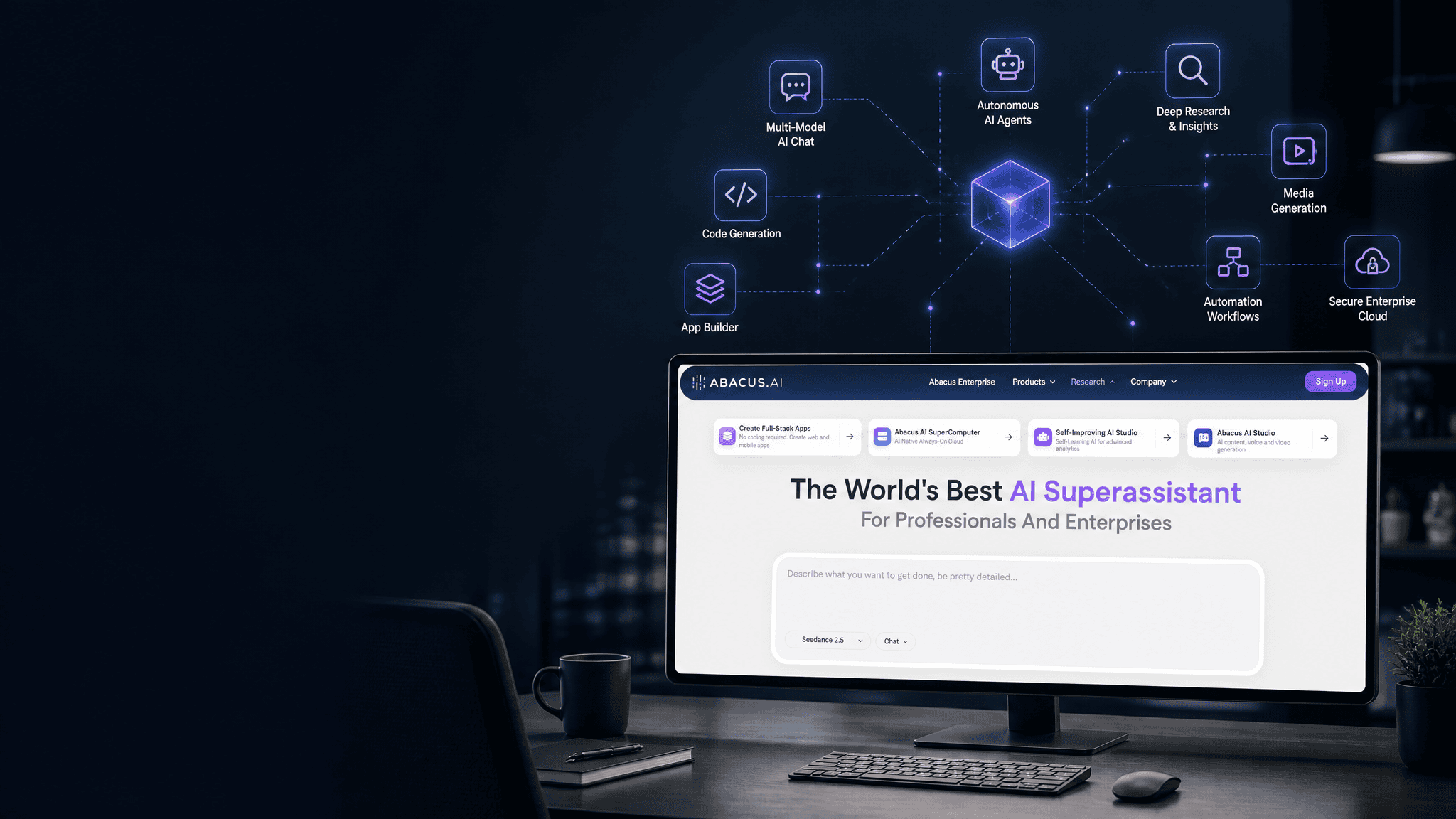
Discover How One AI Platform Can Streamline Your Current Tool Stack
If you're juggling separate subscriptions for ChatGPT, Claude, and another AI tool, the cost adds up fast. This review of Abacus AI asks whether an all-in-one platform actually delivers on its promise. It gets practical, breaking down what the platform includes and how the credit system works in real use. The verdict? It may genuinely replace your stack, not just add to it. For a broader take on AI's momentum, our piece on Meta's Muse AI Agent offers useful context.

Even AI can repeat mistakes. Here's what that means for your data.
ChatGPT analyzed three datasets and made the same mistake every time: it counted rows incorrectly and signed off on two wrong conclusions. The review pass fixed the row count, but approving those flawed findings points to a deeper issue. AI can process data quickly, but it doesn't yet handle verification with the care your own judgment requires. That's worth remembering as you explore these tools. For more on checking AI's work, our guide on verifying understanding before tax season pairs well with this lesson.

Discover how AI tools empower the Pentagon's data strategy.
The Pentagon's central AI portal now includes versions of ChatGPT and Grok, joining Google's Gemini. That's a clear signal that the defense establishment is moving past experimentation and toward practical, everyday tooling. It's a smart acknowledgment that accessible AI belongs in the hands of analysts and decision-makers, not just in research labs. For anyone tracking how these systems scale beyond consumer use, this is a meaningful step forward.

OpenAI brings ads to ChatGPT's free and Go tiers in India
OpenAI is bringing ads to ChatGPT's free and Go tiers in India, a move that puts its 100 million weekly active users in the country front and center. That's a massive audience, and monetizing it makes sense, but the challenge is doing so without compromising the clean, focused experience users expect. Ads can work if they feel native and useful, not intrusive. For deeper context on how AI models handle structure and meaning, explore our piece on paragraph structure in LLMs.

ChatGPT now handles your Apple Messages through a simple plug-in
The new Apple Messages plug-in hands ChatGPT the keys to your texting, letting it draft replies on demand. It's a practical step toward offloading the small talk and scheduling clutter that eats your day. We're intrigued by the convenience, though it nudges us to ask how much of our voice we're willing to hand over. For more on that tension, our piece on talking to an AI clone offers a fitting counterpoint. Explore it, but keep your thumbs ready.

How AI quietly reshaped a third of the modern web
A third of web pages published since ChatGPT's launch now show signs of AI authorship. That's a striking signal about how quickly synthetic content has woven itself into the web's fabric. It raises a pressing question: how do we keep our data meaningful when machines are editing so much of what we read? This isn't about shaming the tools; it's about staying clear-eyed.

Empower your trades with AI agents, guided by your oversight.
Binance now lets AI agents trade, but the leash is firmly in your hands. The platform's Agent OS pairs with tools like ChatGPT, Claude Code, and Cursor, handing over real financial actions to autonomous systems. That's a bold step forward, yet it raises a pressing question: who's accountable when a model misreads the market? The responsibility sits with the user, not the algorithm. It's a familiar tension.
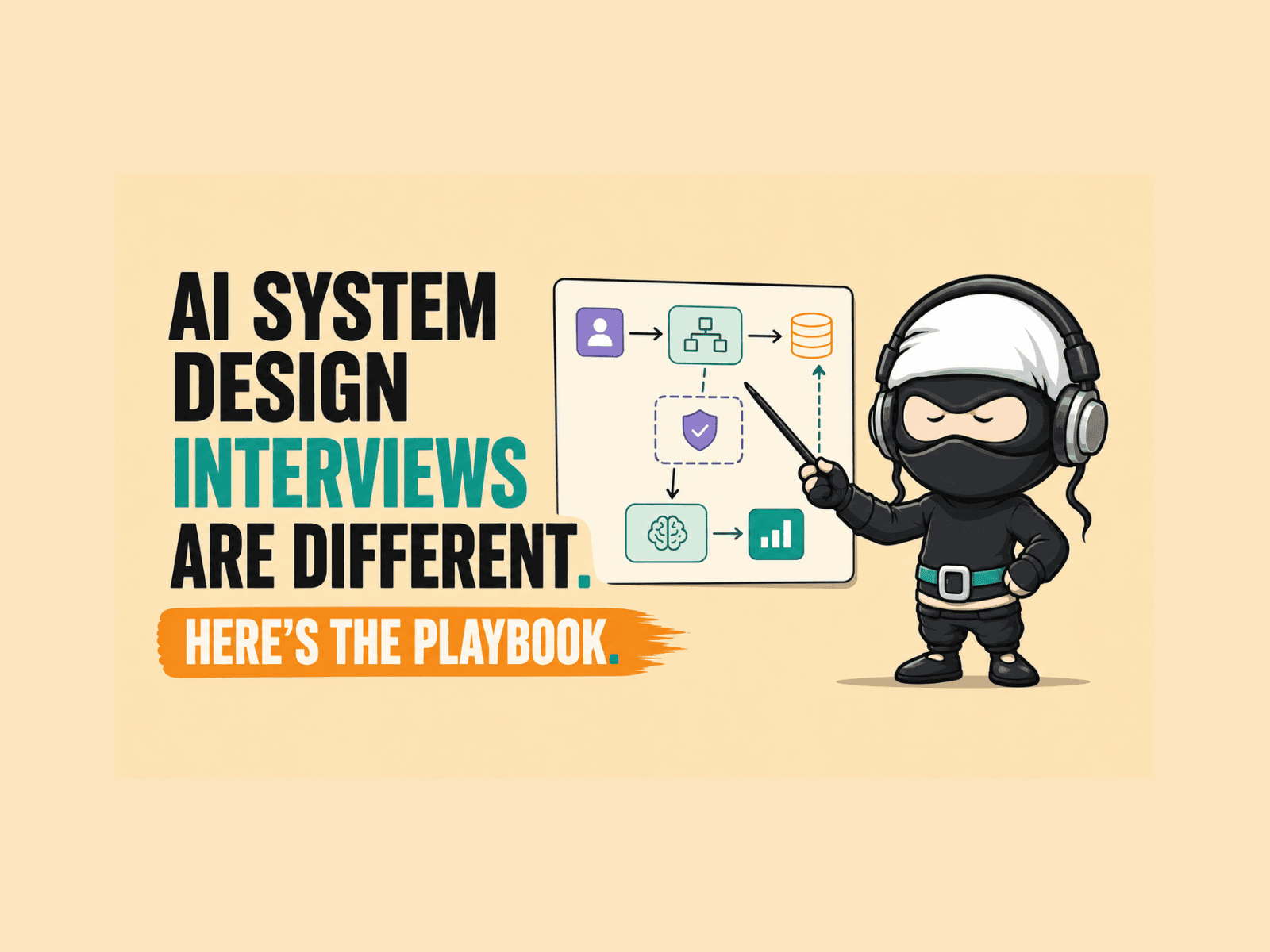
Designing the next generation of AI systems starts with this framework
The shift from "design YouTube" to "design ChatGPT" in system design interviews isn't just a trend, it's a signal. Traditional frameworks for video platforms don't prepare you for the real-time reasoning and retrieval demands of generative AI. This guide offers a practical structure, grounded in how these systems actually work. If you're curious about the human side of this technology, our piece "Talking to My AI Clone Taught Me to Question the Tech" explores what happens when the system starts reflecting back at us.

Empowering teens with safer AI tools for learning and exploration
OpenAI's new ChatGPT for teens is a long-overdue step toward responsibility, acknowledging that young users have been quietly navigating this technology for years. The added safety measures, parental controls, and learning tools are practical guardrails, not just policy padding. It's refreshing to see the focus shift from merely restricting content to actively steering teens toward productive use, though the homework-cheating angle remains a gray area worth watching.
Give your AI agents new skills without retraining the model
Ever wondered how ChatGPT and Gemini pull off PDFs and PowerPoints when an LLM is all they have? The trick isn't a smarter model; it's skills, instructions an agent loads only when needed. That's a clever, accessible idea, and seeing it applied through LangChain makes it feel actionable. We like how this reframes capability as context, not complexity. For a deeper take on how agents learn by editing context rather than weights, check out our piece on Agentic Context Learning. It's a natural next step.
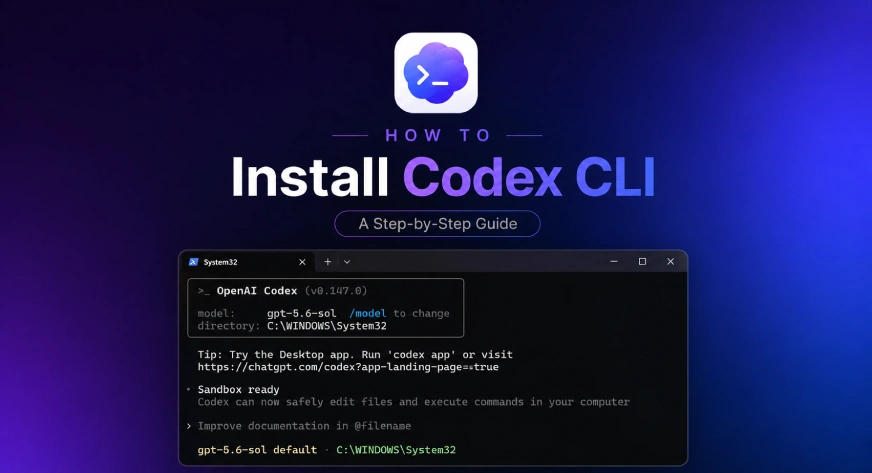
Bring Codex AI Into Your Local Workflow with One Command
One command is all it takes to install Codex CLI, yet the real value lies in the setup choices that follow. If you've used Codex in ChatGPT, the transition feels natural, bringing that same AI assistance directly into your local development environment. It's a practical step toward more efficient workflows, not a flashy overhaul. For a deeper look at how AI tools shape our habits, check out "Talking to My AI Clone Taught Me to Question the Tech."
From automating to leading how stubborn problem solving builds unexpected expertise
They solved a problem nobody asked them to solve, and now they're on the hook to teach it. That's the double-edged sword of being resourceful when you're new. The real opportunity here isn't the lunch-and-learn itself, it's reframing the ask. You don't have to be the expert; you have to be the guide who shows others how to start. Set the boundary by framing it as a shared exploration, not a performance.

Understanding hidden image artifacts to improve AI editing outcomes
A faint, cloudy mottling appears in smooth areas after repeated generative edits, walls, skin, backgrounds. At first, it looks like ordinary noise, but this user's testing suggests otherwise. Shifting the image by 20 pixels changes the artifact, and two independently generated "black" images share a structured, canvas-locked pattern with high correlation. That points to something reproducible in the pipeline, not random chance. The working hypothesis, that editing accumulates a weak, fixed signal until it surfaces visually, deserves attention.

OpenAI expands ChatGPT access with a native Linux desktop app
Linux users have waited a long time for this. OpenAI is finally bringing a dedicated ChatGPT desktop app to Linux operating systems, a move that acknowledges a community often left out of mainstream software rollouts. For those who live in terminals and open-source ecosystems, this isn't just convenient; it's a sign that AI tools are becoming more accessible where the work actually happens. It's a practical step forward, and we're glad to see it.

Your data deserves a persistent coworker, not another prompt.
Forget asking an AI to answer a question. SpaceXAI's Grok Bot is about handing over the whole job. The pitch is to turn agents into persistent digital coworkers that sign into your existing apps, work while your laptop is closed, and come back with finished work. It's a shift from managing prompts to managing a team. That's a bet we find genuinely compelling, and it's one worth exploring.

OpenAI brings NextSlide's team in to advance ChatGPT's capabilities
OpenAI has acquired NextSlide, the presentation startup whose team now joins the company to work on ChatGPT. It's a sensible move: the same energy that makes slide decks feel alive can make conversational AI feel more responsive. We're intrigued by how this reshapes what ChatGPT might offer next. For a deeper look at how AI can blur the line between useful and unsettling, check out "Talking to My AI Clone Taught Me to Question the Tech." Progress moves fast, and we're watching closely.

When AI ships faster, performance demands smarter systems.
Shipping code faster creates a different kind of bottleneck. Martin Spier's talk on keeping ChatGPT fast reveals a truth many overlook: agentic workflows multiply change volume, and that pressure lands squarely on performance. It's not just about GPUs. The hidden costs of rapid deployment demand constant vigilance. Spier's approach, using always-on AI agents to automate profiling and regression detection, is a practical answer to a systemic problem. It's a smart, grounded strategy.

Explore how AI can empower your complex queries with a simple tool.
ChatGPT's free tier now includes unlimited text chats, a practical shift for users who've hit paywalls elsewhere. OpenAI is also adding a "think" button for complex queries, giving everyone a tool for deeper reasoning without a subscription. We see this as a quiet step toward leveling access, though it raises familiar questions about judgment and oversight. If you're weighing how much to trust AI's output, our related piece on verifying understanding this tax season is worth a look.
How Congress is discovering AI's role in legislative work
ChatGPT has quietly become Capitol Hill's go-to assistant. House spending records show OpenAI's chatbot dominating paid AI use in congressional offices, where it drafts memos, summarizes legislation, and smooths constituent communications. That's a telling vote of confidence from an institution not known for rushing into new tools. It also raises a fair question: are we offloading too much thinking to AI?

Discover how a simpler AI model can empower your data workflows
ChatGPT 5.6 is a dumber model, and I love it. There's a quiet confidence in choosing less cleverness when it means more clarity. For users tired of bloated features, this feels like a return to what matters: getting the job done without the noise. It's not about settling; it's about smart simplicity. If you're curious how AI can reshape everyday tools, our piece on verifying AI's understanding offers a practical starting point. Explore that, then see what a lighter touch can do for your workflow.