code
code at Beyond Market Intelligence is a file of 62 stories. The newest of them: “Your Code, Your Responsibility: 7 Checks Before You Trust AI”, “EmbeddingGemma 2 Now Processes Code, Images, Video, and Audio”, and “When Closed Code Won't Open, Can AI Do the Heavy Lifting”. AI writes code in seconds. EmbeddingGemma 2 now understands more than just text: code, images, video, and audio are all in its grasp. Acme AI is the next-generation, AI-powered spreadsheet platform built to replace Excel and redefine how analysts, data scientists, and enterprise teams work… The list below is every code story on Beyond Market Intelligence, newest first.
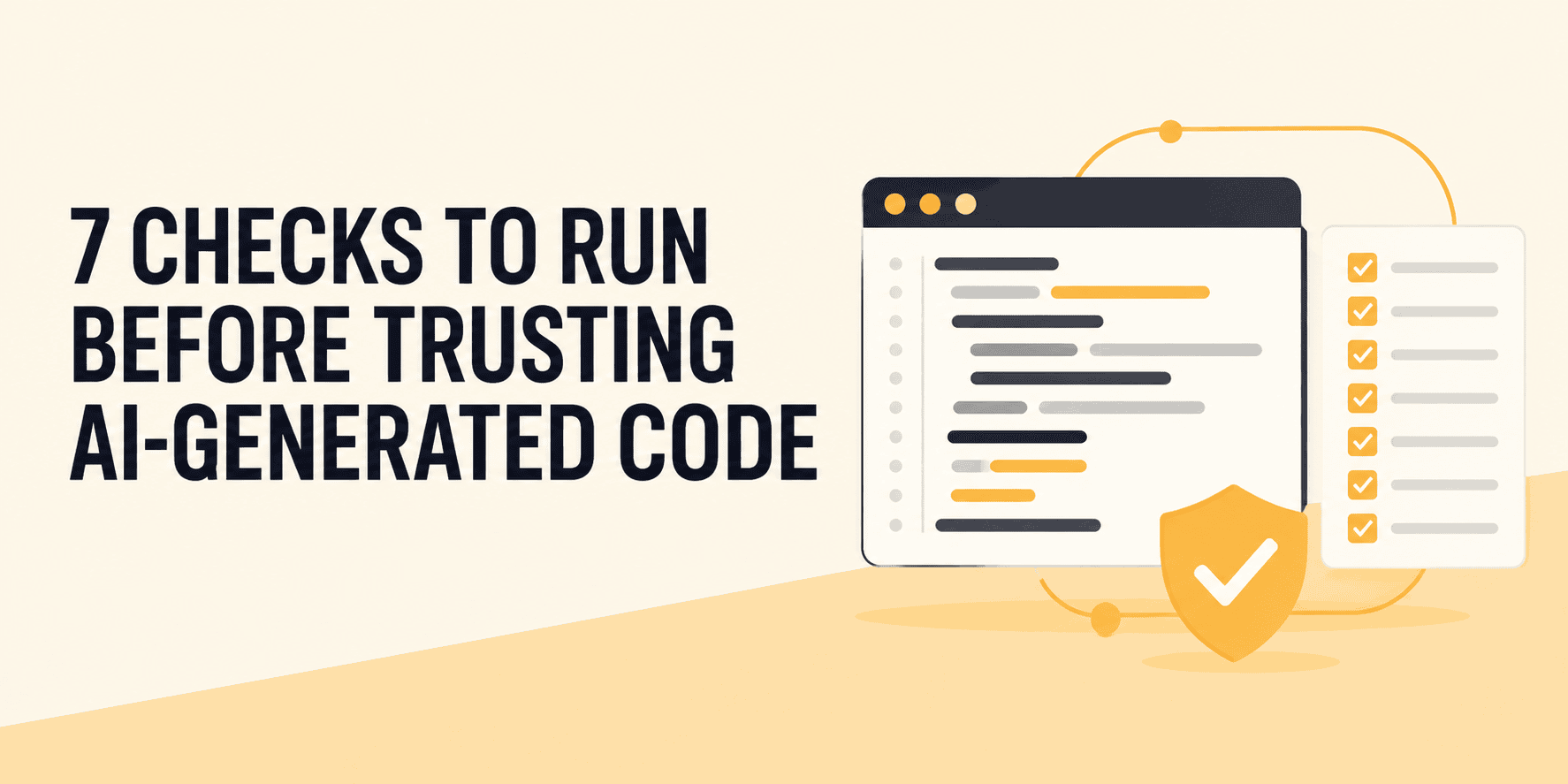
Your Code, Your Responsibility: 7 Checks Before You Trust AI
AI writes code in seconds. Trusting it takes longer. Every line generated by a model carries the same weight as one you typed yourself, the responsibility is yours, not the machine's. Before you commit that output, seven checks separate convenience from catastrophe. A quick loop or a missing edge case can hide in plain sight.
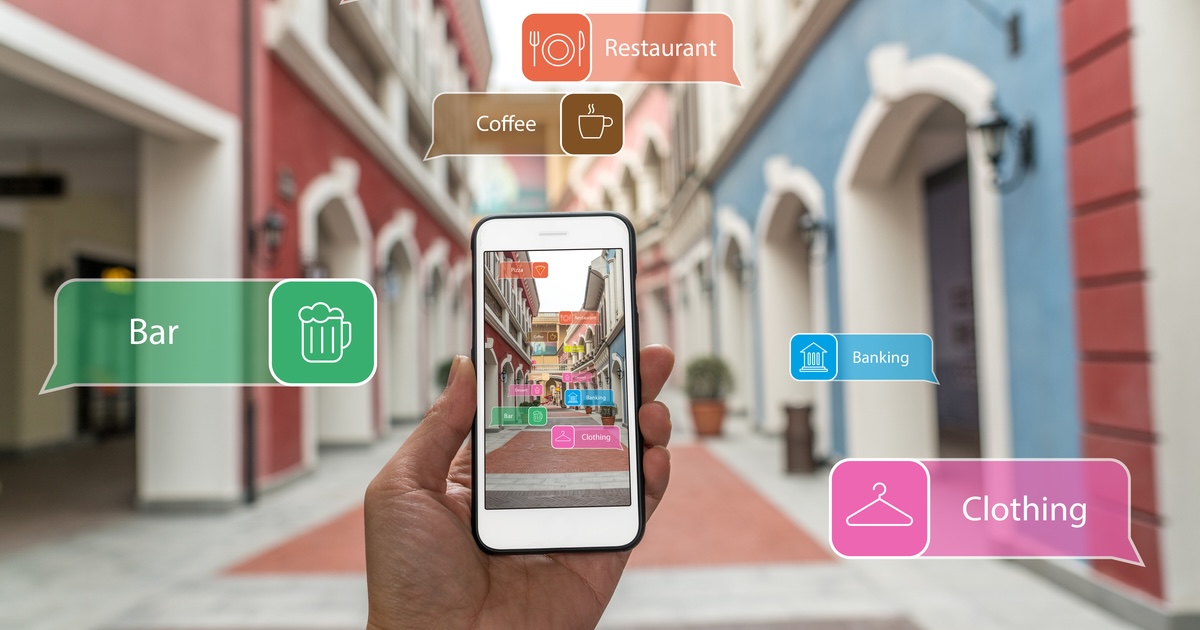
EmbeddingGemma 2 Now Processes Code, Images, Video, and Audio
EmbeddingGemma 2 now understands more than just text: code, images, video, and audio are all in its grasp. Built on Gemma 4 and released under Apache 2.0, this compact model from Google is purpose-built for efficient semantic search and on-device RAG. It is a focused, practical tool that prioritizes performance without demanding massive resources. For those exploring how AI handles locked-down code, our piece on "When Closed Code Won't Open, Can AI Do the Heavy Lifting" offers a fitting companion read.
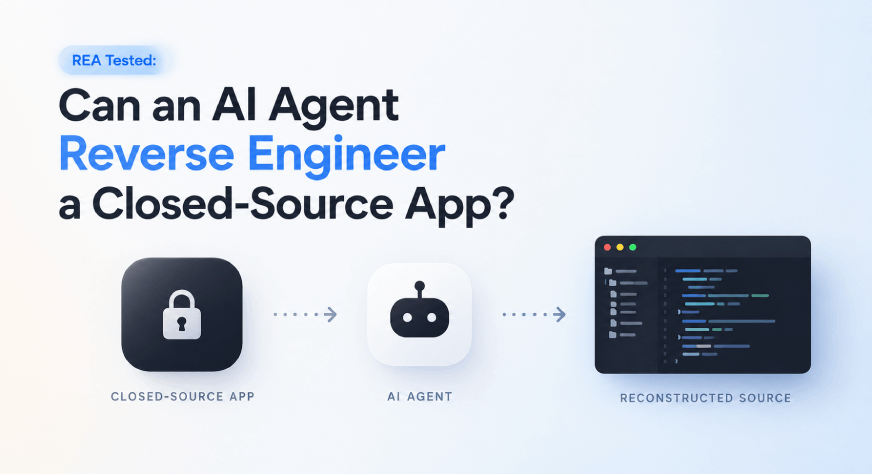
When Closed Code Won't Open, Can AI Do the Heavy Lifting
Every developer knows the frustration: a feature behaves inexplicably, and the code behind it is sealed tight. No source. No docs. Just a compiled binary or minified JavaScript. Traditional reverse engineering demands hours with specialist tools like Ghidra or IDA. That's why Reverse Engineer Anything (REA) is worth your attention. This open-source project, with over 200K GitHub stars, connects coding agents to do the heavy lifting. It's a practical, AI-powered approach to cracking closed code.
700 AI-written math papers, but engineers still won't trust the code
Seven hundred AI-written math papers exist, yet engineers still won't trust the code it produces. That gap isn't about capability, it's about proof. We've watched agents waste turns in real repositories, a finding we explored in "Efficiency Matters: What 50,400 Agent Runs Reveal About Wasted Work." Trust isn't granted because a model can compute. It's earned when the output becomes verifiable, predictable, and actually useful in production. That's the real challenge ahead.

How AI Helped GitHub Rebuild Its Copilot Engine in 14 Weeks
GitHub migrated more than 800,000 lines of Copilot runtime code from TypeScript and Node.js to Rust in about 14.5 weeks, using AI-assisted development to make it happen. The incremental approach leaned on N-API interoperability, automated testing, human review, and 128 pull requests while still shipping releases. That's a disciplined, practical model for large-scale rewrites. For more on how teams are tackling ambitious rebuilds, our piece on Shopify's Checkout Blocks rewrite offers a useful comparison.
Exploring the Spotlight: How Nvidia's DreamDojo Earned Its Place in Robotics
Nvidia's DreamDojo arrived with the kind of pedigree that turns heads: a world model built on Cosmos 2.5, backed by respected authors and an ICML spotlight. But when 44,000 hours of human data yields just a 0.5 dB PSNR gain over the baseline, something should have felt off. The released code tells the real story: buggy pre-training, flawed post-training, and evaluation errors that quietly unravel the paper's claims. The authors and reviewers missed what a closer look at their own repository would have revealed.
Stop the Highlighting: Fixing Date Log Errors in Spreadsheet Workflows
A VBA routine updating an "As Of" date field is a smart way to keep workflows honest, but it breaks when that date includes a time stamp your "Last Update" cell doesn't have. The two values will never match, so your conditional formatting highlights everything. The fix is straightforward: tell VBA to write only the date component using the `Date` function instead of `Now`. That strips the time and lets your highlight rule work as intended.

Meta opens Muse to spark smarter everyday devices
Meta is giving away the code for Muse, its AI model designed to power smarter everyday devices. The company wants Muse inside your TV, your toaster, and beyond. That's a bold bet on making intelligence invisible and ubiquitous, not locked inside a chat window. For anyone feeling constrained by rigid, single-purpose gadgets, this open approach invites exploration. It aligns with the progressive vision we explore in "Transform Your Data Workflow with AI-Powered Spreadsheets", tools that adapt to how we actually live and work.
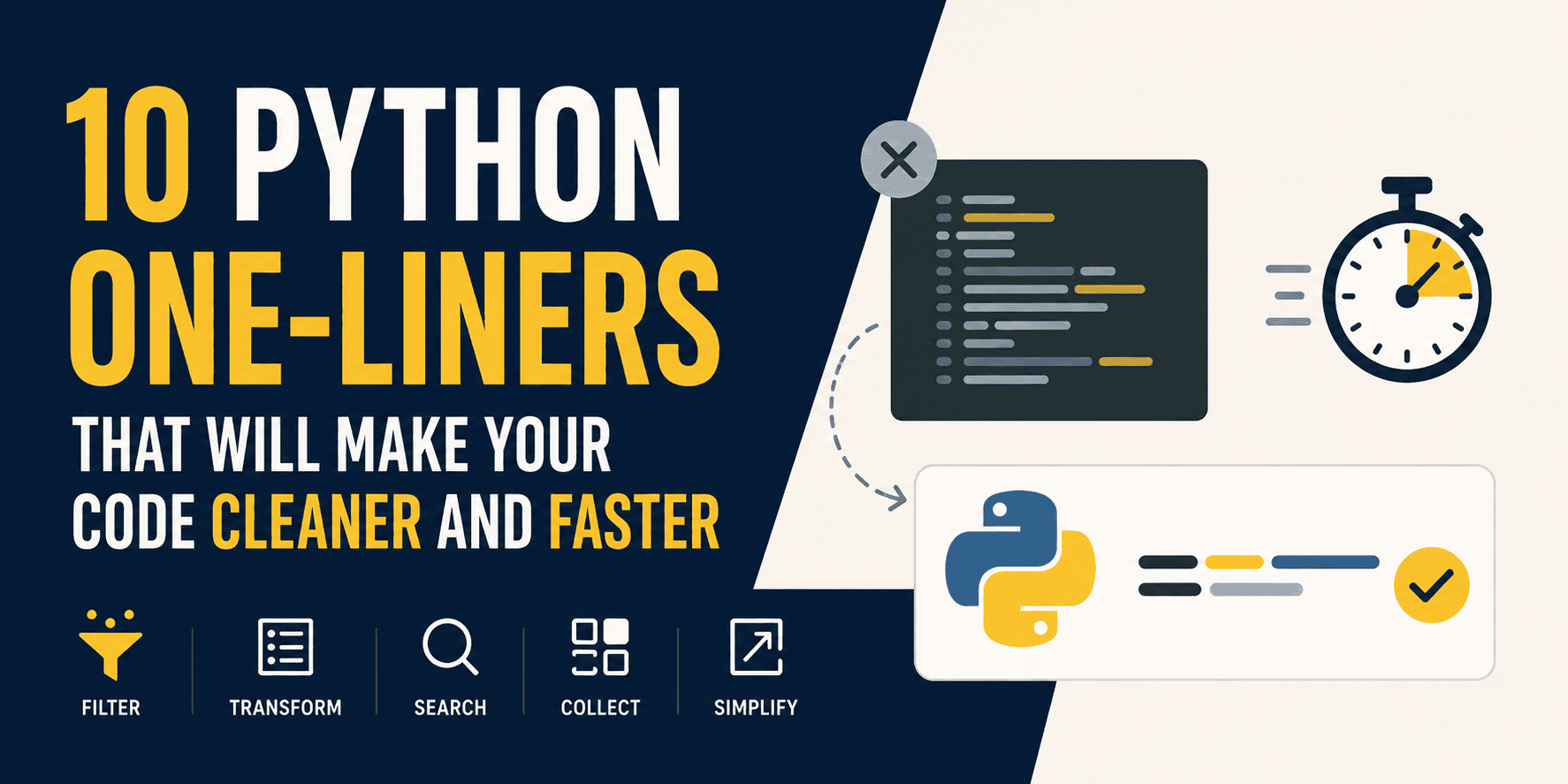
One line of code, seconds of time saved. That's the power of AI
One line of code, seconds of time saved. That's the promise of AI, and it's refreshingly direct. You type once, get the result, and move on, no follow-up lines, no corrections, no wasted motion. This isn't about flashy automation; it's about giving you back small pockets of time that add up. For a deeper look at how AI speeds up decisions, see our coverage of Jev, which delivers typed probabilities instead of text.

Treat Context Like Code to Scale AI Agents With Control
Patrick Debois proposes something quietly radical: treat context like code. For engineering leaders wrestling with non-deterministic AI agents, his argument lands with clarity. Apply testing, CI/CD, package managers, and security scanning to context itself. That approach promises control without stifling innovation. It's a practical path to scaling AI agents reliably while building lasting organizational knowledge. For deeper exploration, our coverage of Amazon CloudWatch Omni shows how AI-first observability platforms are already putting similar principles into practice.
Navigating ICLR's open review timeline: when your work goes public
The shift to ICLR's open review model can feel like stepping into a different arena if you're used to ICML or NeurIPS. Your paper becomes publicly visible in October, when reviews start, not in November. Yes, that includes supplementary materials, so make peace with your code being out there early. Reviews appear immediately, visible to both you and the community as they post. It is a transparent process, but one that demands comfort with early exposure.

Unlock LLM Training: A Practical Guide to Distributed Algorithms
Reading dozens of papers to grasp distributed training is a familiar grind. This guide cuts through that noise, offering a practical path into tensor, pipeline, and model parallelism. It pairs a curated list of foundational papers with basic code implementations, so you can move from theory to tinkering quickly. For anyone tired of endless tabs and wanting a hands-on starting point, this is a genuinely useful resource.
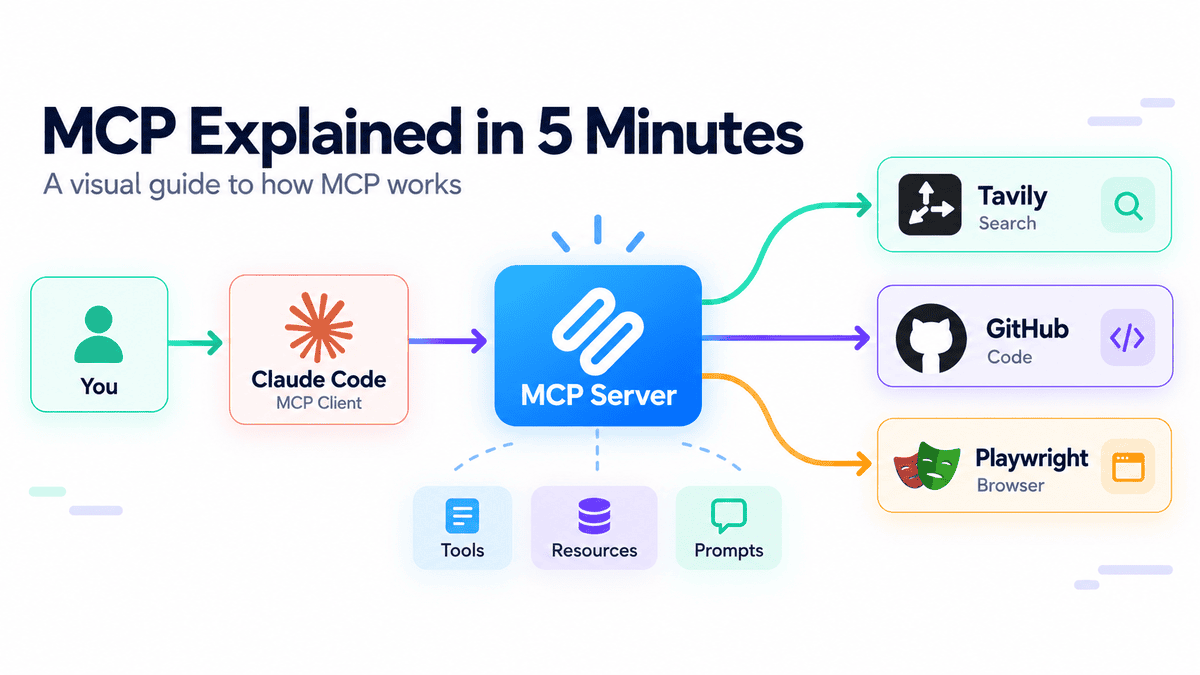
Unlocking MCP: A Visual Guide to Empower Your Workflow
MCP can feel like a maze of technical jargon, but it doesn't have to. This visual guide breaks down how it works, then shows you exactly how to pair it with Claude Code, Tavily, GitHub, and Playwright. The diagrams do the heavy lifting, making a complex concept genuinely approachable. If you're ready to move past theory and into practical workflow improvements, this is a solid starting point. For a deeper dive into related infrastructure, our guide on distributed training algorithms is worth exploring next.
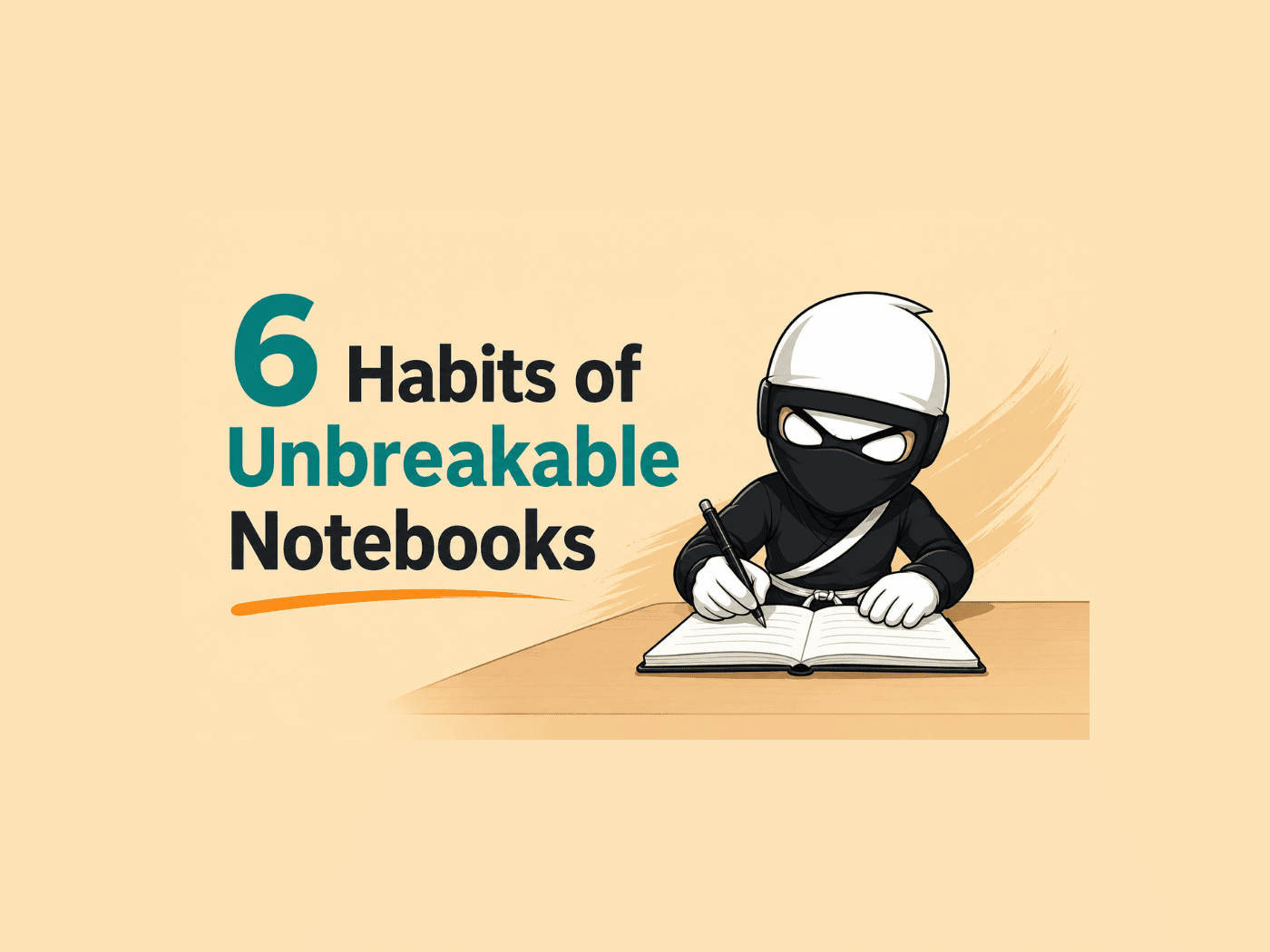
Keep Your Data Science Notebooks Running: Six Essential Habits
A notebook that runs perfectly on your screen can fall apart the moment you close the laptop. That frustrating reality is exactly what these six essential habits address. They are not about writing fancier code, but about building a workflow that survives interruptions and returns you to your work with confidence. We appreciate the practical focus on resilience. For another perspective on keeping complex work sustainable, you might explore our related article, "Expanding Your Tech Fluency: Key Insights Beyond Artificial Intelligence.

Meta's Muse AI Assistant Draws Inspiration from OpenClaw
Meta says Muse was built from scratch, yet the AI assistant carries OpenClaw's fingerprints, right down to workspace filenames and content. That honesty is refreshing. It suggests inspiration isn't a weakness; it's a starting point for something more accessible. We're watching how this unfolds, especially for users tired of rigid tools. If you're exploring how AI reshapes practical workflows, our piece on real-world computer vision deployments offers a grounded look at what's actually working.
Measure Embedding Relevance: A New Approach to Retrieval Benchmarking
Retrieval benchmarks often feel like they reward models for gaming the test rather than finding the right answer. The team at Qonto noticed this gap and built a metric that ties relevance more directly to real product questions. They paired it with a dedicated dataset, and the results point to a more honest measure of embedding quality. It is a practical step toward benchmarking that actually reflects how teams retrieve information.
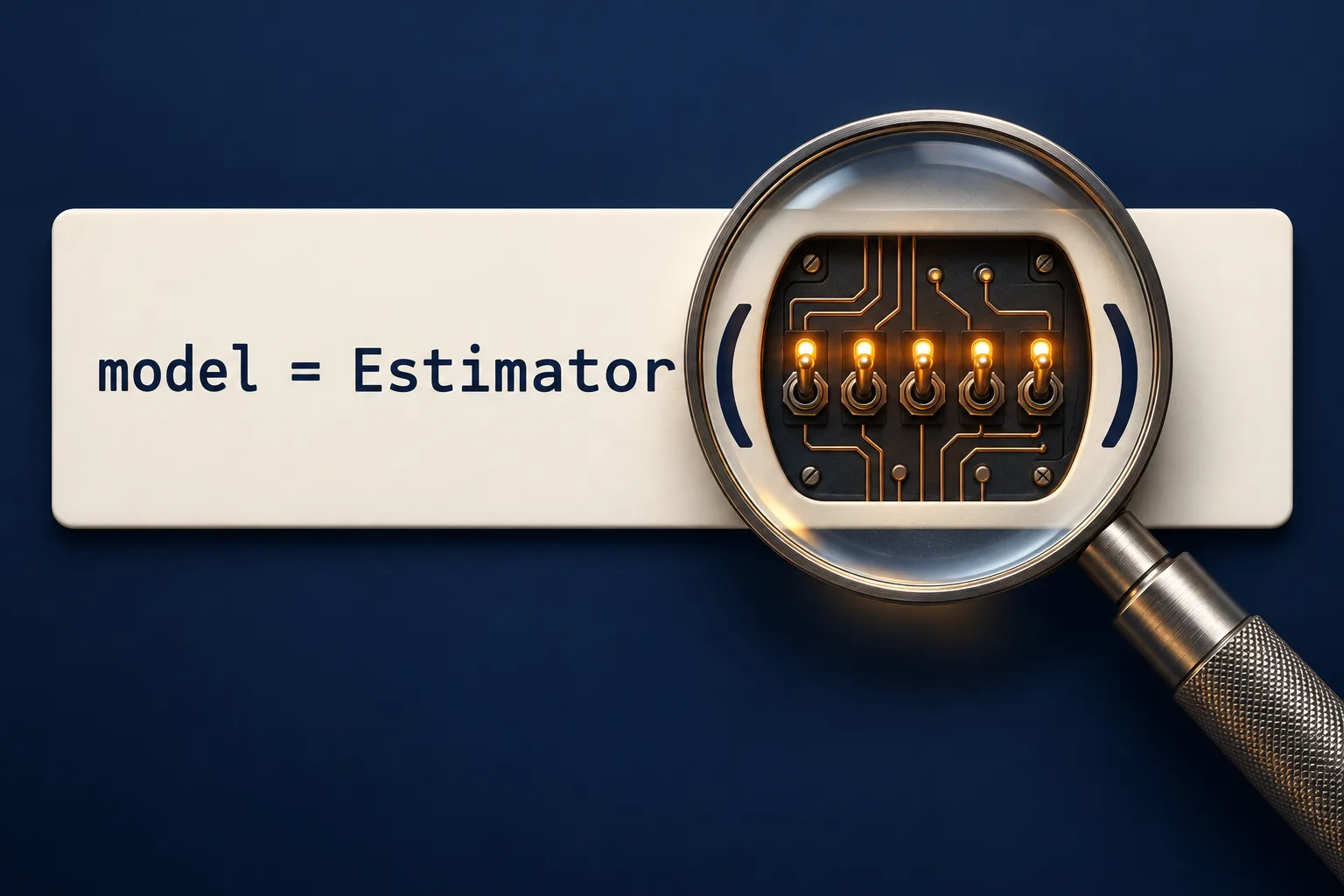
When AI Writes the Code, Do You Trust the Defaults?
AI assistants are remarkably good at writing code, but they don't always question the assumptions baked into the libraries they use. That gap is where subtle errors hide. This piece examines five scikit-learn defaults that deserve a second look before you ship. It's a practical, grounded reminder that trusting the tool isn't the same as understanding it. If you're building for production, this is worth your attention. For broader context on model deployment challenges, our related piece on real-world computer vision offers useful perspective.
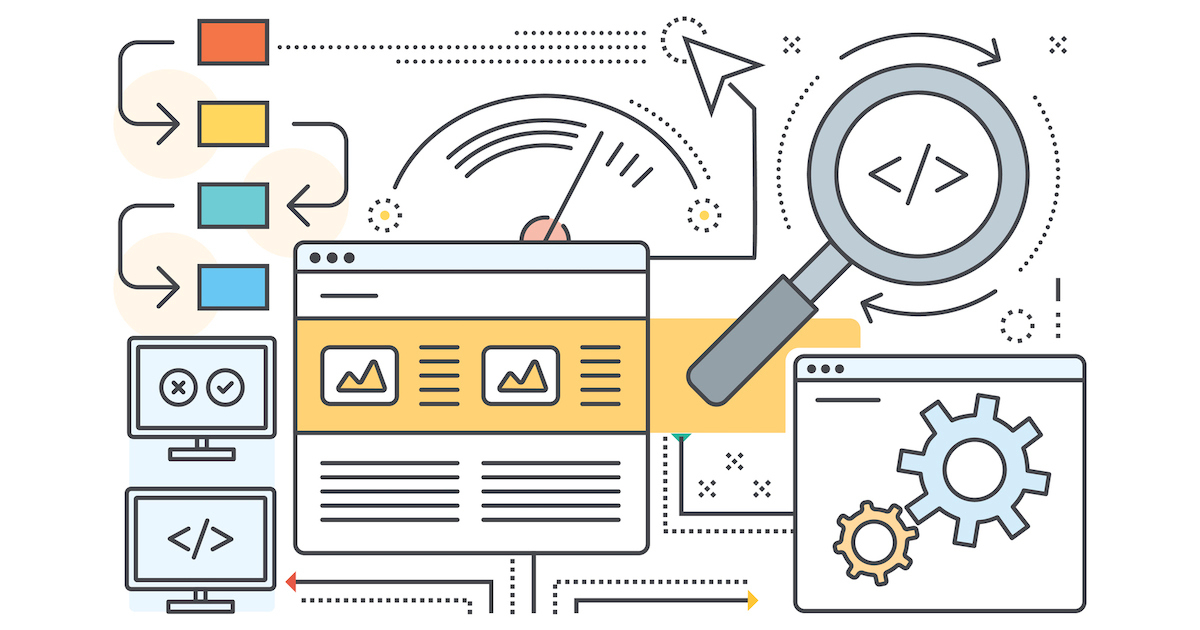
Explore how TanStack Charts lets you compose visualizations, not just pick chart types.
TanStack Charts enters the alpha stage with a clear promise: stop forcing data into fixed chart types and start composing the visuals your project actually needs. This framework-agnostic library for TypeScript, now pulling around 160,000 weekly downloads, speaks to a developer base eager for flexibility. It is not yet production-stable, so treat it as a tool for exploration rather than a drop-in dependency.
Simplify Conditional Formatting Across Sheets with Smarter Logic
Conditional formatting often feels like it should be simpler than it is, especially when you're bridging two sheets with an INDEX-MATCH lookup. KingScuba's setup is clever, using Sheet 1's input to trigger highlights across Sheet 2, but the friction comes from translating that logic into a custom formula that works across ranges. The good news? You don't need to split sheets; a single, well-crafted formula can handle it.
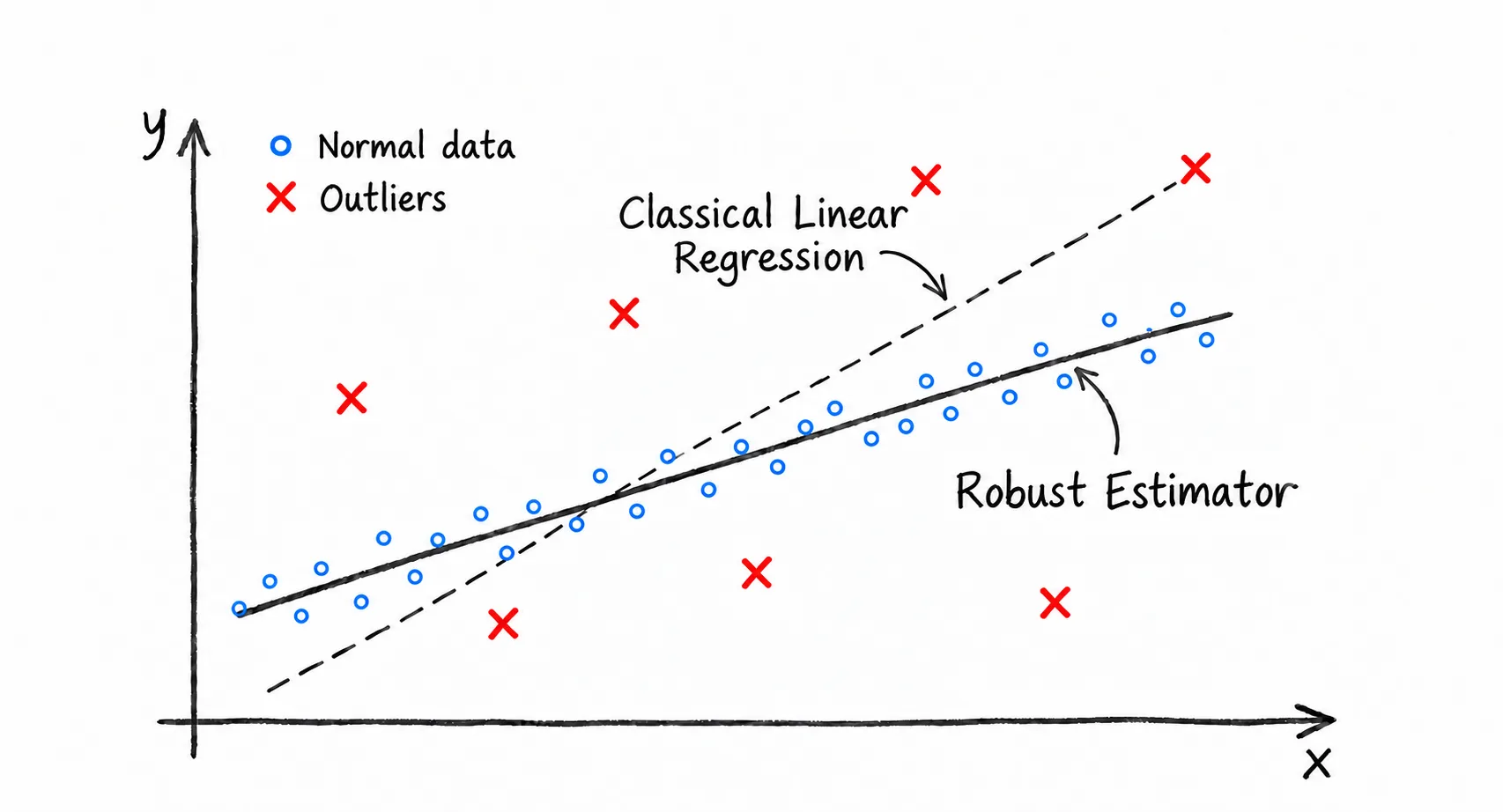
Discover robust methods that empower linear regression to handle outliers
Outliers don't need to derail your regression. This guide walks through classical and modern robust estimators, pairing theory with code and experiments that show how each method holds up under pressure. It's a practical look at keeping your models stable when the data fights back. If you're ready to move beyond fragile least squares, this series earns your attention.
When AI writes code, verifying intent becomes the real challenge.
AI-generated code promises speed, but it also introduces security weaknesses and familiar bugs. The real bottleneck has shifted from writing code to verifying what AI actually produces, as Nitin Garg argues. He focuses on detecting when generated behavior diverges from intent, a practical concern for any team adopting these tools. It's a grounded look at a growing challenge. For those exploring similar territory, our guide on verifying AI understanding offers a useful complement.
Reproducibility in ML research needs a more practical path forward.
Reproducibility is drifting out of reach in machine learning, and the reasons are practical, not philosophical. Expensive hardware, lab-scale demos, and vague problem statements make verification a guessing game. When incentives reward selective results, trust erodes fast. That does not mean we abandon the effort. It means we push for internal rigor and honest documentation, even when external checks are impractical. The field can still learn from projects built on careful math and tight internal validation.
Explore an open dataset of billions of TikTok videos on Hugging Face.
5.94 billion TikTok videos. 3.23 billion profiles. In three weeks. That's the scale of what one developer just uploaded to Hugging Face, free for anyone to explore. It's a bold move, and a practical one. The data is public, but the method behind it is the real story. If you're curious about the mechanics of such large-scale collection, our guide on distributed algorithms offers useful context. This is a dataset that invites serious tinkering.

Explore the AI skills that will empower data scientists through 2027
If you're a data scientist, the tools you use are changing faster than the workflows you've mastered. That's why we're focusing on five AI skills that will keep you relevant in 2027. Each one targets a specific challenge, from simplifying complex tasks to boosting productivity. We've included runnable code you can paste straight into your notebook, so you're not just learning, you're doing. For a deeper look at how distributed systems fit into this, check out our guide on unlocking LLM training.