code
code at Beyond Market Intelligence is a file of 62 stories. The newest of them: “From Whiteboard to Workflow: Bringing Visual Thinking into Data”, “Understanding AI Code Estimates for Better Communication”, and “Discover how to guide AI agents toward code you can trust”. The whiteboard habit is a thoughtful one, and it's refreshing to see it carried from undergrad into the world of radar DSP. If you've leaned on Claude for coding, you've likely noticed its time estimates can miss the mark. Acme AI is the next-generation, AI-powered spreadsheet platform built to replace Excel and redefine how analysts, data scientists, and enterprise teams work… The list below is every code story on Beyond Market Intelligence, newest first.
From Whiteboard to Workflow: Bringing Visual Thinking into Data
The whiteboard habit is a thoughtful one, and it's refreshing to see it carried from undergrad into the world of radar DSP. Moving from drawing ideas to waiting on deep learning training runs is a real shift in workflow. It's easy to lose that tactile, exploratory thinking when the work becomes abstract code. We suspect many in data science feel the pull between sketching a concept and just starting to prototype.

Understanding AI Code Estimates for Better Communication
If you've leaned on Claude for coding, you've likely noticed its time estimates can miss the mark. That's not a flaw to fix; it's a signal about how LLMs process complexity. We think that gap actually makes you a sharper communicator, pushing you to clarify scope and break work into smaller steps. It's a practical lesson in collaboration. For more on building that technical foundation, our guide to distributed training algorithms pairs well with this mindset.

Discover how to guide AI agents toward code you can trust
Writing code with AI agents is about more than generating lines faster. It's about steering the output toward quality. This practical guide cuts through the noise, showing you how to work with these tools to get better code, not just more of it. We appreciate the focus on real workflows over hype. For a deeper look at the underlying mechanics, you might also explore our piece, "Unlock LLM Training: A Practical Guide to Distributed Algorithms."
Why Reproducibility Must Be More Than a Checklist Promise
Four papers for AAAI 2027, and not a single line of code or data to inspect. That is a frustrating start to any review cycle. The checklist exists precisely to prevent this gap between promise and proof. When a paper's core argument rests entirely on numbers you cannot verify, your confidence in those results should drop, and it is right to flag it. Asking for anonymized code during rebuttal is a fair, practical move.
How a single bug fix sharpens BayesianRidge uncertainty estimates
A subtle bug in BayesianRidge's uncertainty calculation slipped into sklearn 1.8, and this notebook walks through the exact formulas behind `predict` on both versions. It's a sharp exercise in tracing what changed, and it's the kind of forensic digging that keeps models honest. If you've ever wondered how small shifts in regression internals ripple outward, this is worth your time. For a broader look at how data quality issues surface elsewhere, our piece on catching AI slop before it skews your model pairs nicely here.
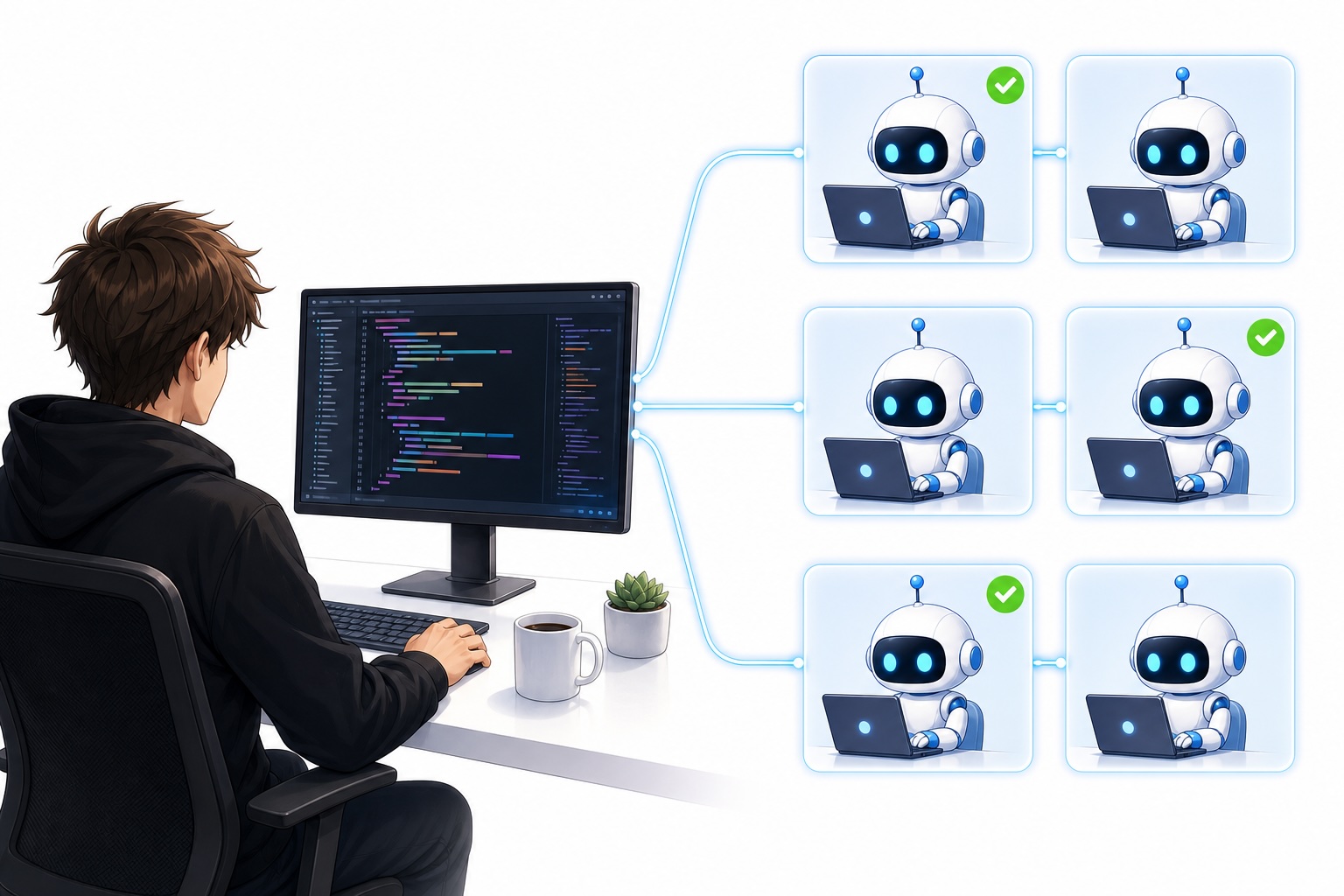
Unlock Smarter Workflows by Managing Hundreds of Coding Tasks
Claude Code is built to handle the heavy lifting, but the real skill lies in knowing how to direct it across a hundred or more distinct tasks. This guide cuts through the noise, offering a practical approach to structuring your prompts and workflows so you're not just issuing commands, but truly collaborating with your coding agent. It's about turning a useful tool into a dependable partner.
Code hosting meets AI collaboration with Cursor's new Origin platform
Cursor just planted a flag in the heart of its own ecosystem. Origin, a git-based hosting platform built directly into the editor, moves code management out of the browser and into the flow of work. It's a confident bet: teams that live in Cursor shouldn't have to leave to push, review, or merge. The early beta on Pro, Teams, and Enterprise plans signals a serious play, not an experiment.
How to Write Specs That Keep Your AI Projects on Track
The spec passed. The plan passed. Claude ran the tests, reported green, and you trusted it. Then you looked at the diff the next morning and found the output had drifted from your intent in ways the test suite never caught. That is the failure mode nobody warns you about. Writing bulletproof specs is about more than clarity; it is about building guardrails that survive contact with an AI that fills gaps confidently.
Discover the five software types you can build with AI-native spreadsheets.
If you've ever stared at a blank spreadsheet and felt the limits of what it can do, you're not alone. I mapped out the five kinds of software you can actually build, and the range is wider than most of us assume. This isn't about forcing a tool to fit; it's about seeing the possibilities clearly. For a deeper look at how AI reshapes our assumptions, our piece on talking to an AI clone offers a fitting companion.
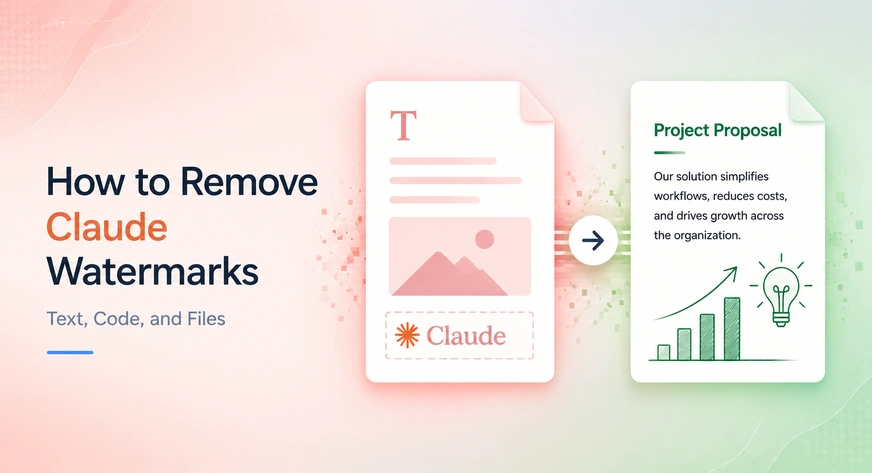
Understand Claude's Watermarks to Better Manage Your AI Output
Claude's watermarks are not one-size-fits-all. Text carries embedded markers, while supported files rely on signed C2PA metadata. Code, however, sits in a curious middle ground; its structure gives the watermark fewer places to hide. That nuance matters if you are trying to strip these traces cleanly. I appreciate that this guide digs into the practical differences rather than treating AI content as a monolith. For more on how AI systems shape what we see, our piece on agents learning by editing context pairs well here.
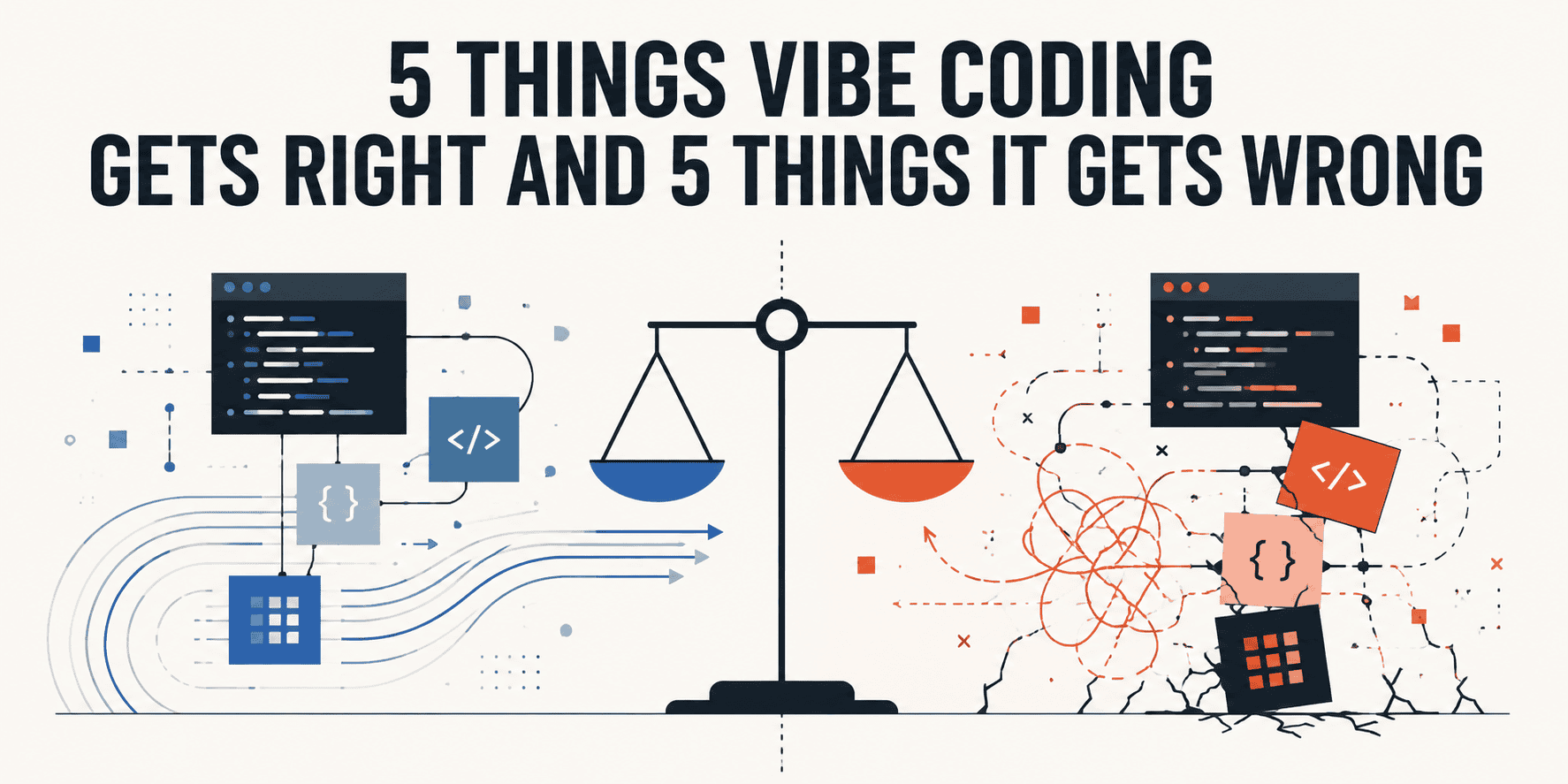
Vibe Coding Balances Speed and Skill in the New Programming Landscape
Vibe coding is getting real attention, and for good reason: it lets you build something functional without wrestling syntax. But the same ease that makes it appealing can quietly produce fragile code. We're looking at five strengths worth respecting, like rapid iteration and lowering the barrier to entry. Then we'll examine five real weaknesses, from shallow debugging to weak architectural instincts. It's not about dismissing the approach or worshipping it. It's about knowing when vibe coding serves you and when it's quietly costing you.
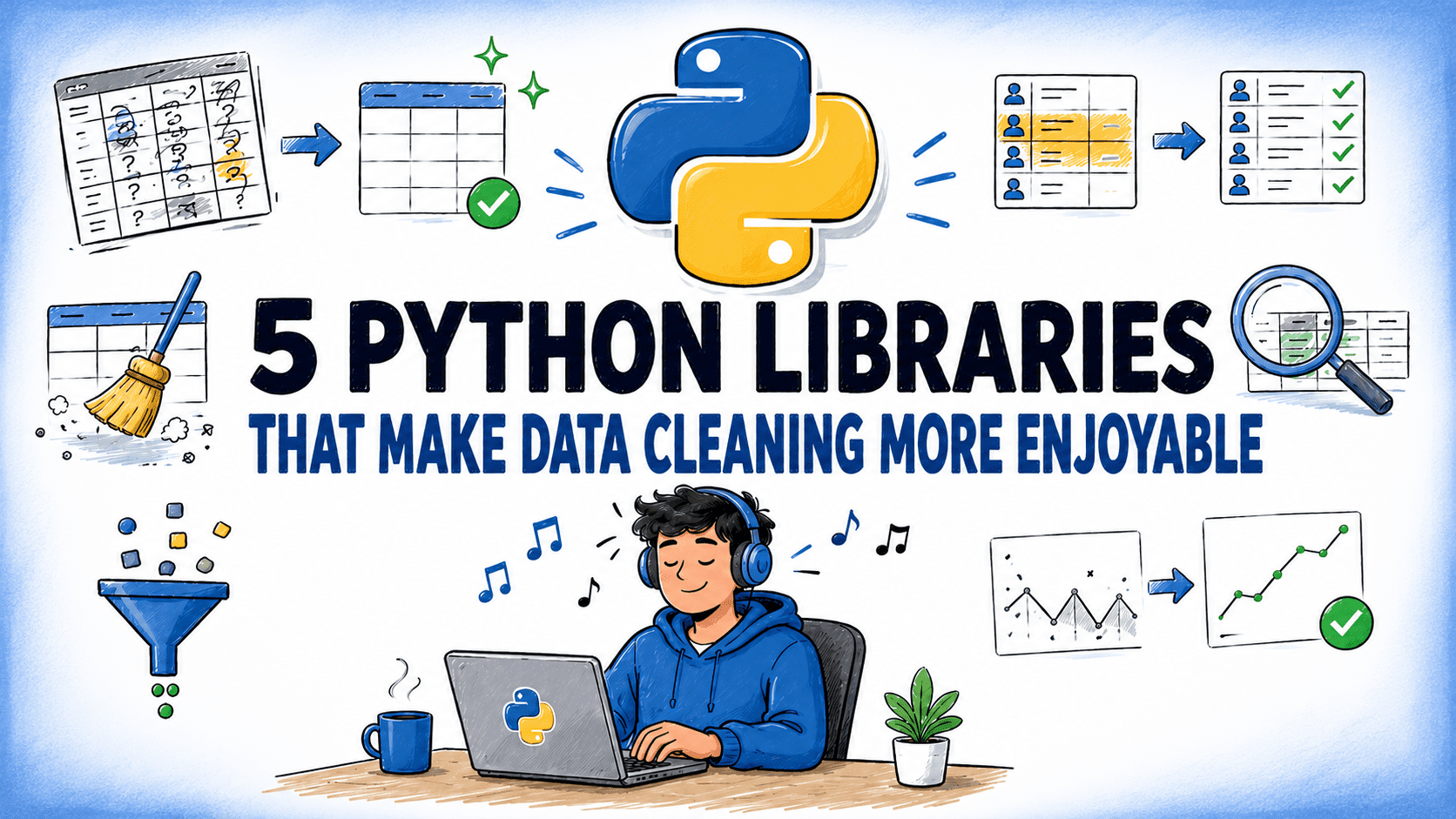
Explore Python Tools That Make Data Cleaning Feel Expressive
Cleaning data is often the least loved part of the job, but it doesn't have to be a grind. This guide highlights five Python libraries that turn tedious tidying into something expressive and even enjoyable. Each tool is chosen for its ability to simplify complex tasks while keeping you in control. If you're ready to make your workflow feel less like a chore and more like a craft, these libraries are worth exploring.

How AI watermarking works and what it means for your code
Anthropic has finally pulled back the curtain on how Claude's watermarking will actually function, and the details matter. The system isn't just a simple tag; it's a subtle layer woven into the model's output, designed to survive edits and alterations. For code, the implications are particularly interesting, since even reformatted or translated snippets should retain their marker. This transparency is a welcome step. It feels less like a gimmick and more like a practical tool for accountability.

X opens ranking code to reveal how your feed is shaped
X just opened the hood on its ranking algorithm, letting users see exactly how the 'For You' feed decides what they see and whether they've been shadowbanned. It's a bold step toward transparency, and one that acknowledges a growing distrust in platform black boxes. We appreciate the move because it shifts power back to the people using the service. For a deeper look at how platforms handle visibility, our piece on Meta reversing course on ads for the Musk documentary offers useful context.
Code submissions at AAAI 2027 raise questions about reproducibility standards.
A reviewer for AAAI 2027 is noticing a troubling pattern: a surprising number of papers arrive without any code. For a conference that stresses reproducibility, this feels like a miss. I agree with their frustration. Submitting code is a simple, powerful way to show your work is real. It builds trust and invites deeper engagement. We have seen how easily artificial results can be generated, so transparency is more valuable than ever. Skip the code, and you invite unnecessary doubt.
One team's sprint proves what AI agents can achieve for your workflows.
Three OpenAI engineers just shipped a million lines of code. That's not a headline; it's a starting point. For you, the real work begins with a ten-hour agent run. This story is about scale, but more importantly, it's about what happens when you stop wrestling spreadsheets and let AI handle the heavy lifting. We're not here to sell you hype, just a smarter way forward.
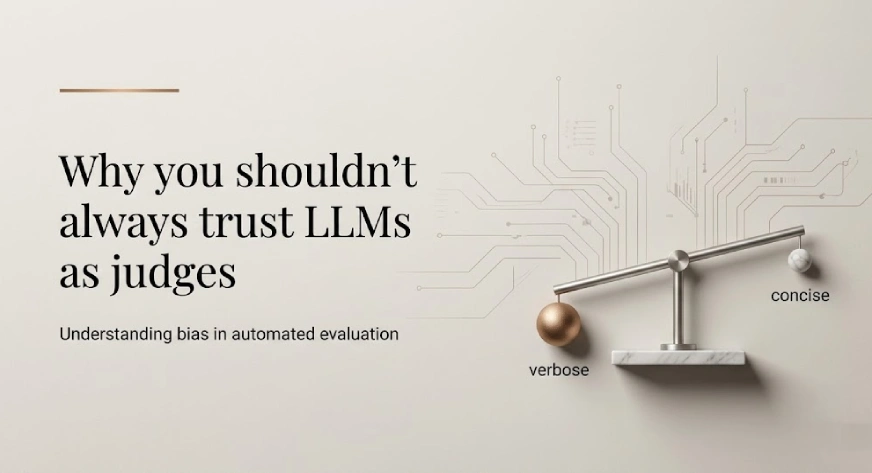
When AI Judges the Evidence, Watch for the Bias in the Verdict
At a DHS 2026 workshop, Bhaskarjit Sarmah posed a challenge we should all take seriously: can we truly trust LLMs as judges? They are fast and cheap, but speed doesn't equal fairness. When we outsource evaluation, we inherit hidden biases that shape outcomes. This is a needed reality check for anyone automating judgment. For a deeper dive into how AI systems adapt, explore how AI agents learn by editing context, not model weights.
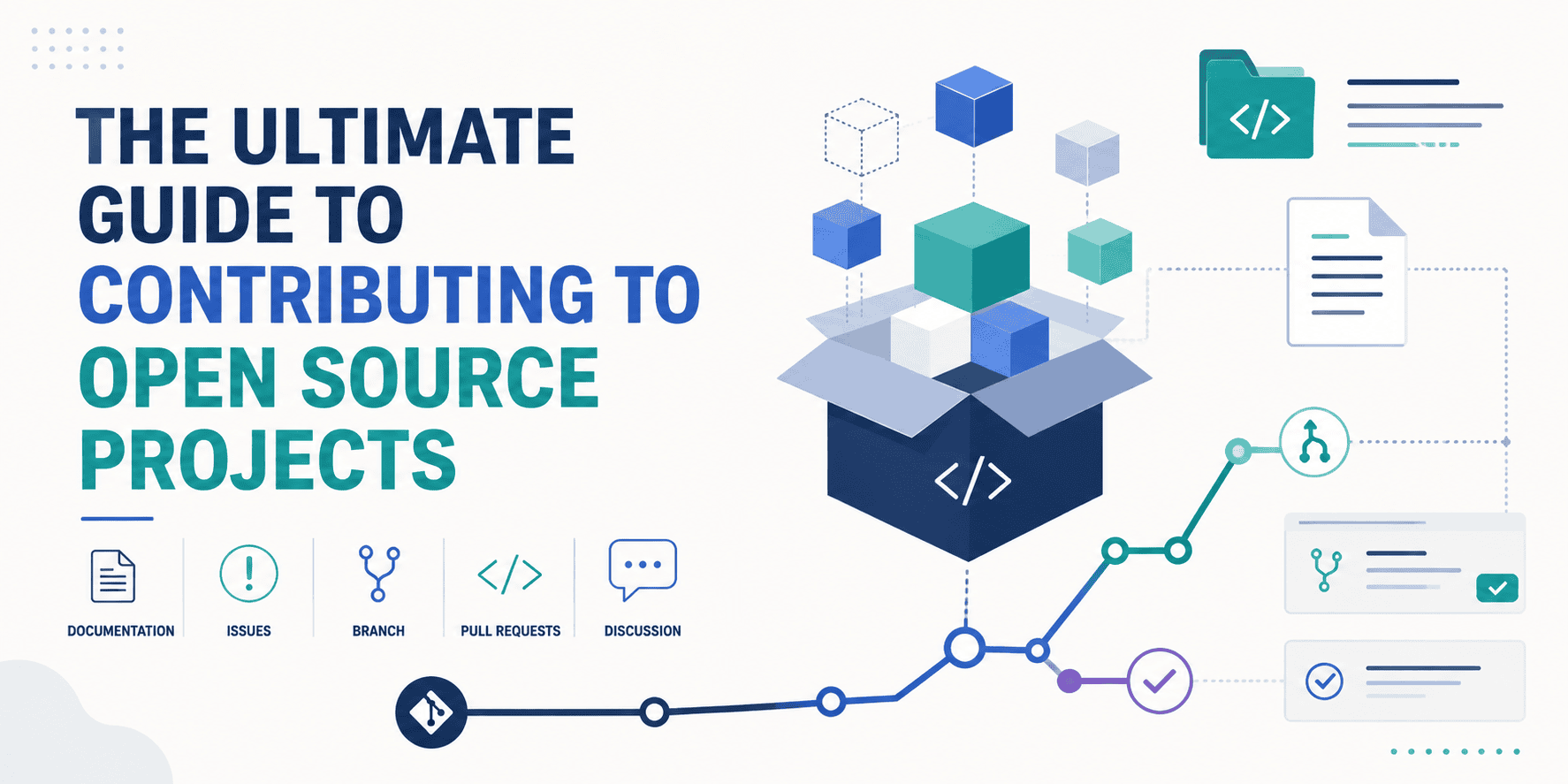
How to Contribute to Open Source Projects With Confidence and Clarity
Open source contributions often stall before they start, usually because the first commit feels like the hardest step. This guide cuts through the guesswork, showing you how to identify projects where maintainers actually respond, master the exact git workflow, and turn a single pull request into a lasting presence. It is a practical map for getting your first real contribution merged.

Optimize Your CI/CD Pipeline for AI-Powered Coding Agents
Deploying code with Claude Code isn't just about automating steps; it's about rethinking how your CI/CD pipeline handles AI-driven development. This piece cuts through the noise, offering practical ways to integrate coding agents without losing control or speed. If you're tired of wrestling with brittle workflows, this guide feels like a breath of fresh air. For more on how AI reshapes practical engineering, you might also enjoy *Exploring Real-World Computer Vision*, different domain, same principle: build for real constraints.

Claude Code gains autonomy to streamline your programming workflow
Anthropic is flipping the default: Claude Code's auto mode is turning on, and that means less hands-on oversight for developers who use it. It's a confident step toward letting AI handle more of the programming grind, and honestly, it feels overdue. We've seen how much headroom smart tooling can free up, and this nudges that further. If you're curious about the human side of leaning on AI, our piece on talking to an AI clone offers a useful counterpoint.
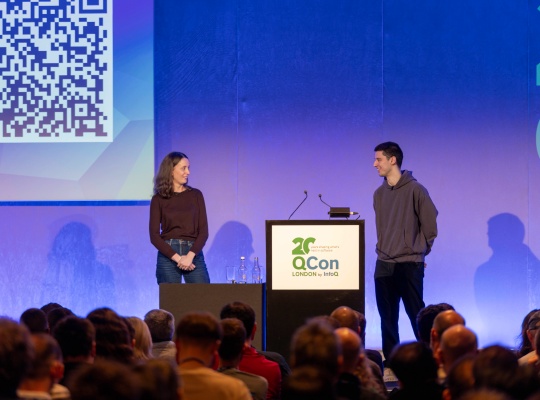
How Spotify's AI Agent Standardizes Thousands of Code Repositories
When Spotify set out to rewrite its entire codebase, it didn't just throw more engineers at the problem. Jo Kelly-Fenton and Aleksandar Mitic built Honk, an AI coding agent designed to handle fleet-wide migrations that would otherwise stall for months. Their approach decouples CI verification from the agent itself, a smart move that prevents bottlenecks before they start. It's a practical, forward-thinking look at how to standardize thousands of repositories without losing momentum.

When a benchmark misleads, transparency earns trust
Ponytail Agent Skill didn't just promise less code; it proved it, then corrected itself when the proof didn't hold up. After a contributor flagged the original 80-94% claim as a flawed baseline, the maintainer didn't argue. They rebuilt the benchmark as a true agentic run and published the honest number: 54%. That kind of accountability is rare, and it's why the project's momentum feels earned, not hyped.
Reproducible research needs more than promises: it needs code.
Twelve papers reviewed this year, and only one came with full code. That's not a fluke; it's a pattern. One reviewer's experience mirrors a systemic incentive problem: hiding code costs nothing, while sharing it invites scrutiny that can sink a paper. We should be demanding reproduction-ready submissions, not treating them as optional. If we want quality and reproducibility, we need real penalties for non-compliance.

Build a free local CLI agent with Python and Ollama from scratch
Building a CLI agent from scratch sounds like a focused challenge, and this guide takes you through it using Python and Ollama without spending a dime. It's a practical, hands-on approach for anyone tired of clicking through menus when a command line could do the work faster. The steps are clear enough to follow, yet they leave room for your own tinkering.