data processing
data processing on Beyond Market Intelligence: a running collection of 12 stories we have gathered and hand-picked because they are worth your time. Every post here touches on data processing in some way — the news, the analysis, the deep dives, and the occasional surprise find. Acme AI is the next-generation, AI-powered spreadsheet platform built to replace Excel and redefine how analysts, data scientists, and enterprise teams work with data. New stories are added to this page as we find them, so check back if you want to keep up with what is happening around data processing, or subscribe to the RSS feed to get them as soon as they are published. Browse the collection below, or head back to the homepage to see everything Beyond Market Intelligence is covering right now.
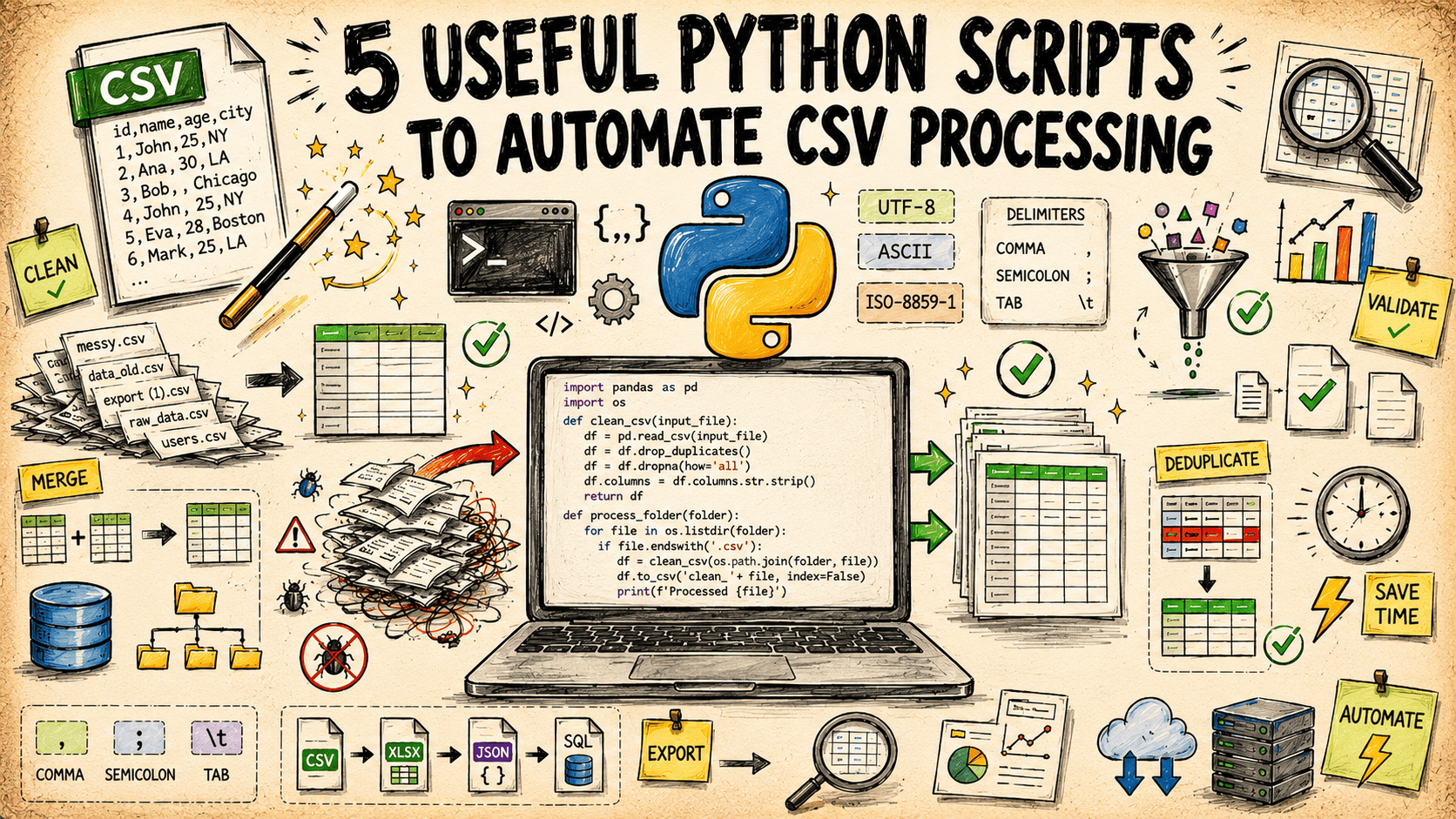
5 Useful Python Scripts to Automate CSV Processing
Unlock greater efficiency in your data workflows with these 5 practical Python scripts. Designed to automate common CSV processing tasks—from cleaning and validation to transformation and analysis—these scripts leverage the standard library for accessible and reliable results. Streamline your data handling and reclaim valuable time. Discover how easily you can elevate your spreadsheet tasks, and if you’re wrestling with broader automation challenges, explore insights from our article, "I Asked Fable 5.1 and GPT-6 Astra to Get Me Out of Copy Paste Hell."
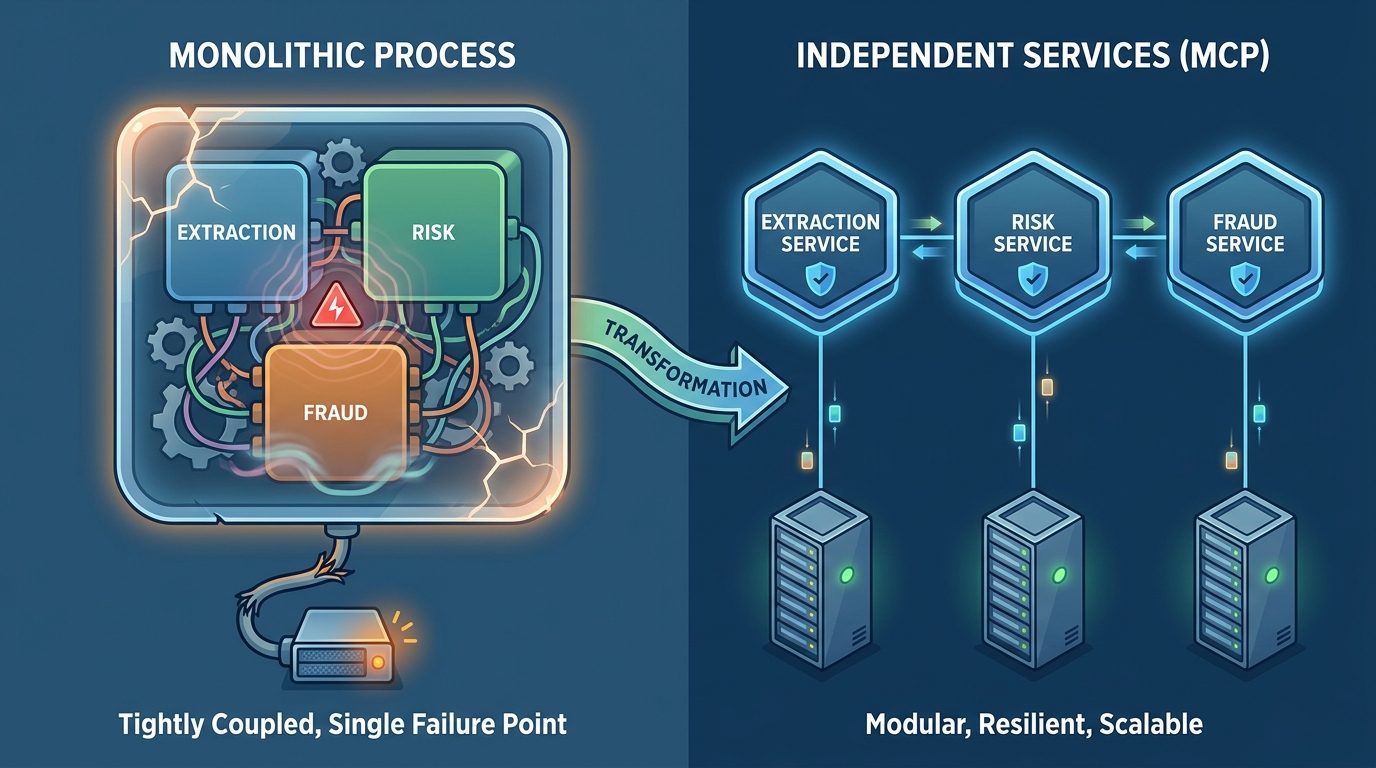
When One Process Becomes Too Much: Splitting a Pipeline into MCP Services
As data pipelines grow, tightly coupled processes can hinder agility and scalability. This post addresses a common challenge: when a single pipeline becomes unwieldy. We explore how to effectively split these pipelines into independently deployable Micro Computational Pipelines (MCP) services, unlocking greater flexibility and operational efficiency. Discover a practical approach to refactoring your existing Python pipelines, empowering faster iterations and improved resource management. For deeper insights into related complexities in model development, see "The Symmetry That Breaks Neural Network Averaging."
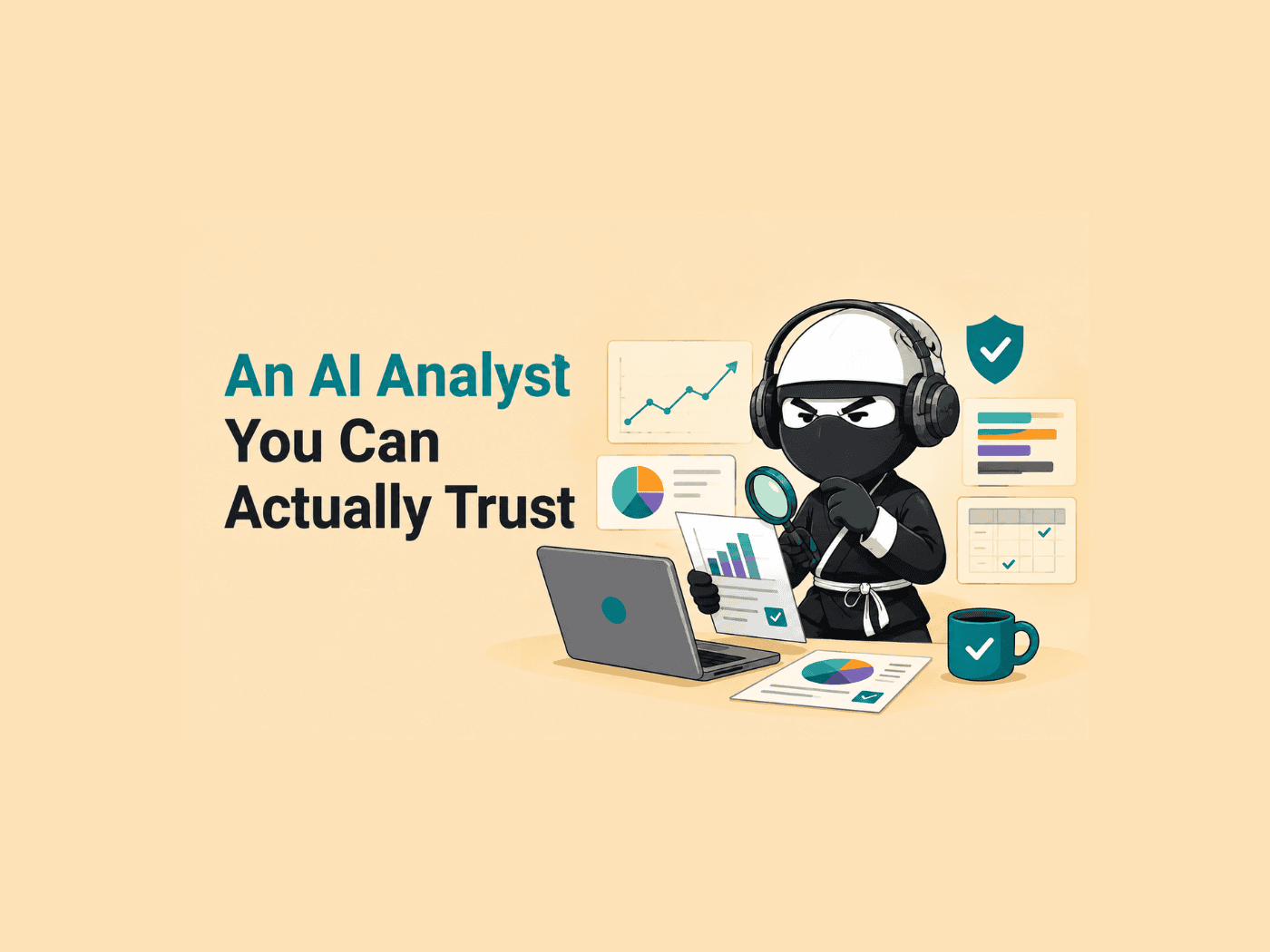
Build an AI Data Analyst That Thinks Like a Senior Analyst
Unlock the power of AI-driven data analysis with our six-stage pipeline, designed to emulate the rigor of a seasoned analyst. This innovative approach doesn't just generate results; it meticulously validates them, ensuring accuracy before presenting any conclusion. Move beyond spreadsheet limitations and empower your team with a dependable AI partner that prioritizes verifiable insights. For a deeper dive into the educational foundations underpinning this technology, explore "Teach ML! Community service project from Stanford [N]." Transform your data workflows today.

Redefining GIS: Declarative Symbology and Collaborative Workflows in JupyterGIS
JupyterGIS 0.16 marks a significant step forward in geospatial analysis, redefining GIS workflows within the familiar Jupyter notebook environment. This release prioritizes collaborative productivity with enhanced real-time editing and robust support for large-scale datasets—including those from remote sensing. Declarative symbology streamlines visualization, while expanded R compatibility broadens accessibility. Addressing community feedback, the update also focuses on improved portability. For those seeking further performance enhancements in data processing, explore our article on how FireDucks can accelerate pandas workloads.

A Practical Introduction to PySpark Window Functions
Traditional `groupBy` functions in PySpark offer a foundational approach to data aggregation, but often fall short when complex calculations require context beyond a single group. This practical introduction explores PySpark Window Functions—a powerful tool for performing calculations across a set of rows related to the current row. Discover how window functions empower you to derive richer insights, enabling more sophisticated data analysis and transformative reporting.
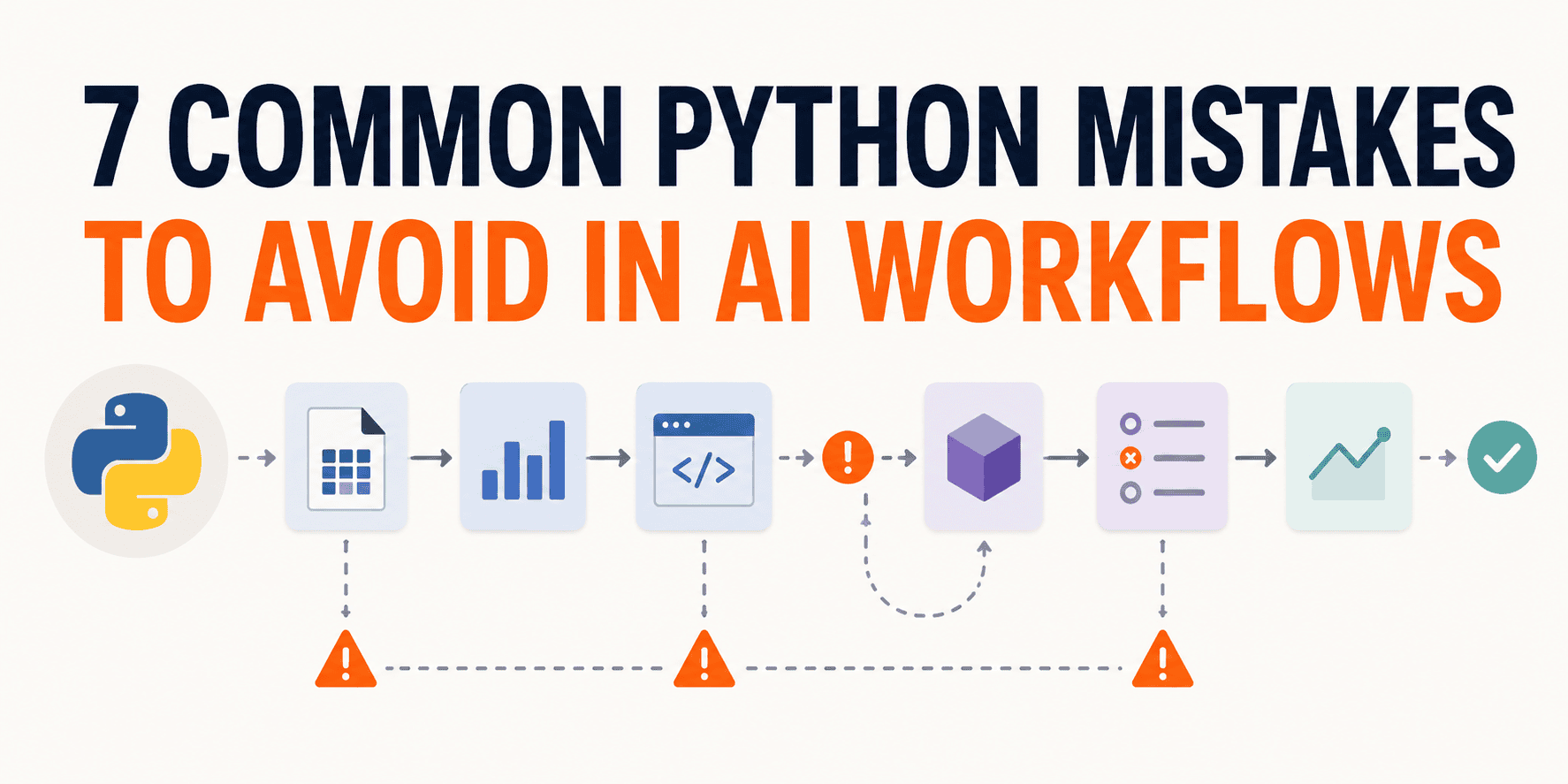
7 Common Python Mistakes to Avoid in AI Workflows
A clean execution in AI workflows shouldn’t be mistaken for success. While a successful run confirms the process completed, it reveals nothing about data integrity, model learning, or the reliability of saved results. To ensure robust and trustworthy AI pipelines, avoid these 7 common Python mistakes. Understanding these pitfalls is critical for data scientists, as highlighted in our recent piece, "5 AI Skills That Will Keep Data Scientists Relevant in 2027." Explore these insights and build confidence in your AI journey.

How to Scale an Integration Pipeline Without Breaking Correctness
Scaling data integration pipelines presents a critical challenge for growing organizations. This post details a production account of how we successfully scaled an enterprise integration pipeline from 500 to 8,000 events per second – a significant increase – while steadfastly upholding two crucial correctness guarantees. Throughput gains were never achieved at the expense of data integrity. Explore the strategies and considerations for maintaining accuracy and reliability as your data volumes surge.

Running SQL Concurrently Across Three Remote DuckDB Servers with Quack
Explore a novel approach to data processing with "Running SQL Concurrently Across Three Remote DuckDB Servers with Quack." This experiment demonstrates a practical application of remote SQL execution, empowering users to leverage distributed resources for enhanced performance. Discover how Quack facilitates this process, offering a streamlined solution for complex queries. For those interested in building applications that accumulate understanding, consider "Designing a Persistent Knowledge Layer That Refuses to Guess," which details a vendor-neutral blueprint for RAG systems.
Is it possible to automate data input from multiple workbooks
Absolutely! Automating data input across multiple workbooks is a common challenge, and thankfully, a solvable one. You're right to question the manual process – reclaiming those hours is a worthwhile investment. Our platform empowers you to streamline this workflow, extracting the specific data points (min/max from Column A, max from Column B, filtered Column C) directly from incoming files. Discover how to build a future-focused solution that automatically populates your review workbook, saving time and ensuring data consistency.

Should AI Developers Make the Switch from Polars to Pandas?
Not all Python data libraries offer equal performance for AI development. Polars and Pandas are both popular choices, but their architectures differ significantly. This post explores whether AI developers should consider transitioning from Pandas to Polars, particularly given Polars’ optimized query engine and memory efficiency. Discover how these factors impact speed and scalability in modern data workflows. For deeper insights into agentic AI applications, see our recent article, "We built the Agentic World Cup - LLMs that compete in 1v1 Soccer [P]."
7 Best Web Crawling Tools and APIs in 2026
## 7 Best Web Crawling Tools and APIs in 2026 Unlock the power of the web with our definitive guide to the 7 best web crawling tools and APIs. Learn how to efficiently collect website content, navigate subpages, generate clean data, and seamlessly power your AI agents. These tools are essential for data-driven decision-making and building intelligent applications. For a deeper dive into deploying AI agents effectively, explore our article, "Pods as Workers, Not Agents," and discover a smarter approach to Kubernetes orchestration.

Structured AI data pipelines score 10.9 points below free-form code — DataFlow-Harness closes the gap
AI coding agents excel at generating standalone scripts, but struggle with complex data pipelines—until now. Researchers have introduced DataFlow-Harness, an open-source framework that guides AI to build structured, visual data-processing workflows, closing a critical gap. Early results show DataFlow-Harness reduces API costs by up to 72.5% while achieving near-equal success rates compared to traditional coding approaches. This empowers enterprise teams to leverage AI automation securely and efficiently, ensuring pipelines remain manageable and production-ready. For deeper insights into AI-powered voice solutions, explore our article on Smallest.ai.