deep learning
deep learning at Beyond Market Intelligence is a file of 147 stories. The newest of them: “Intelligent routing reduces AI costs without sacrificing quality.”, “Explore a free path from LLM basics to building production-ready applications”, and “Nvidia acquires Hugging Face, bringing 3 million AI models to its ecosystem”. Not every AI request needs the full power of your most expensive model. The path from backpropagation basics to production-grade LLM applications doesn't have to be cluttered with endless tabs and half-finished tutorials. Acme AI is the next-generation, AI-powered spreadsheet platform built to replace Excel and redefine how analysts, data scientists, and enterprise teams work… The list below is every deep learning story on Beyond Market Intelligence, newest first.
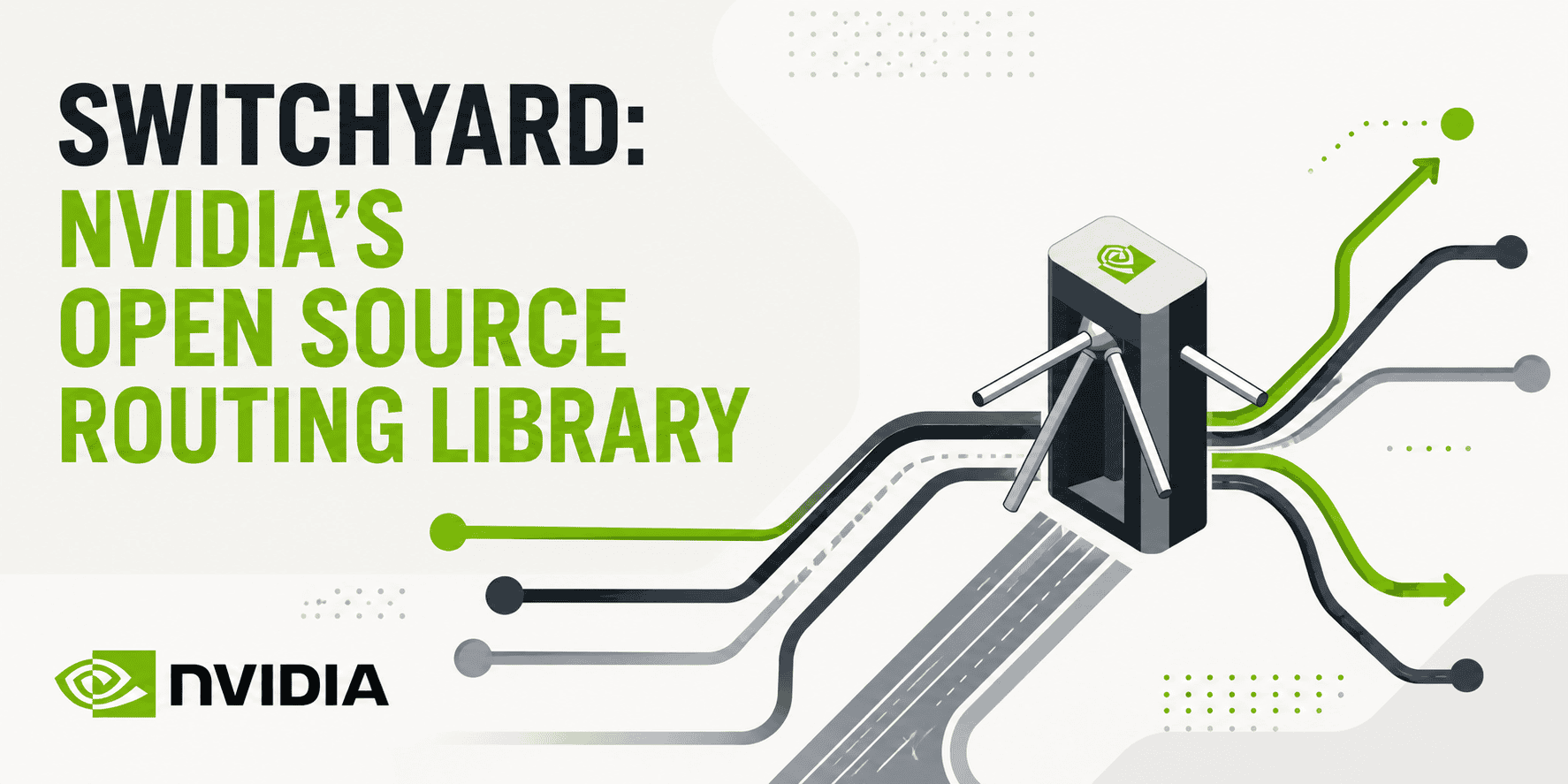
Intelligent routing reduces AI costs without sacrificing quality.
Not every AI request needs the full power of your most expensive model. Switchyard, NVIDIA's open-source routing library, offers a smarter approach: route simpler queries to lighter models, saving cost and latency without a major drop in quality. It's a practical shift toward efficiency. For those building distributed systems, our guide on distributed algorithms explores the foundational concepts that make routing like this possible. Explore Switchyard and see how intelligent routing changes the math.
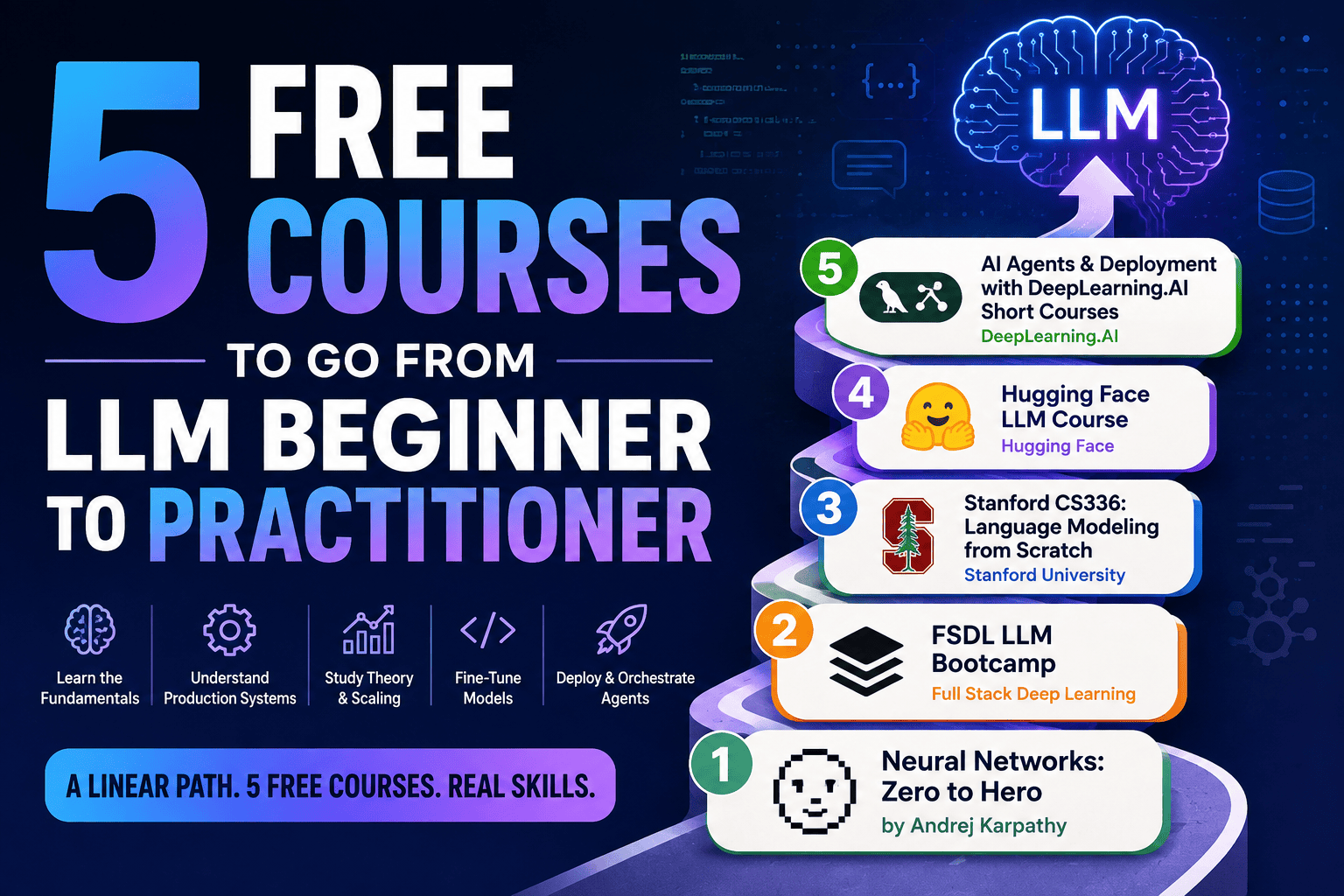
Explore a free path from LLM basics to building production-ready applications
The path from backpropagation basics to production-grade LLM applications doesn't have to be cluttered with endless tabs and half-finished tutorials. These five free courses form a deliberate, linear pipeline that respects your time and builds real competence. It's a focused route, not a buffet. If you're also curious about the infrastructure behind scaling these models, our guide on distributed algorithms pairs well with this track. Start here, move deliberately, and let the work itself teach you.

Nvidia acquires Hugging Face, bringing 3 million AI models to its ecosystem
Nvidia's $12.9 billion move to acquire Hugging Face signals a clear bet on community-led AI development. With over 3 million models hosted and 18 million developers building on its platform, Hugging Face has become the default hub for open-source innovation. That scale is hard to ignore. For anyone wrestling with distributed training or model deployment, this acquisition could reshape how accessible those systems become. It's a confident step toward making AI infrastructure feel less like a hurdle and more like a foundation.

Google's new AI model brings sharper weather forecasts to your daily tools
Forgetting your umbrella is becoming a choice, not a forecast. Google's latest AI model, WeatherNext 3, is rolling out across Search, Maps, and Gemini, bringing deep learning's power to your daily forecast. This isn't just a smarter app; it's a practical leap in meteorology that simplifies how we plan. We see this as a natural step toward accessible data tools, and if you're tracking AI's broader momentum, our coverage of the NeurIPS Main Track shows how far the field has come.

Explore the architecture that makes OpenCode a smarter choice for AI coding.
OpenCode has outgrown the conversation about model choice. That freedom matters, but it's no longer the headline. What draws us in is the architecture underneath, and the deliberate trade-offs that shape how it works, especially if you're coming from Claude Code. This isn't just another agent. It's a different way to think about building. If you're also exploring how distributed systems power modern AI, our guide to distributed training offers a useful parallel. For now, let's look at what makes OpenCode's design genuinely different.

How recurrent depth lets AI think beyond linear reasoning.
OpenAI's Astra model is stepping outside the lines of sequential reasoning, and safety experts are paying close attention. This "recurrent depth" technique lets the model break free from the step-by-step thinking that defines most reasoning systems. It's a bold move, one that could unlock faster, more flexible AI. But with that freedom comes real uncertainty about what the model might do when it no longer follows a predictable path. We're not sounding alarm bells, but we are watching closely.
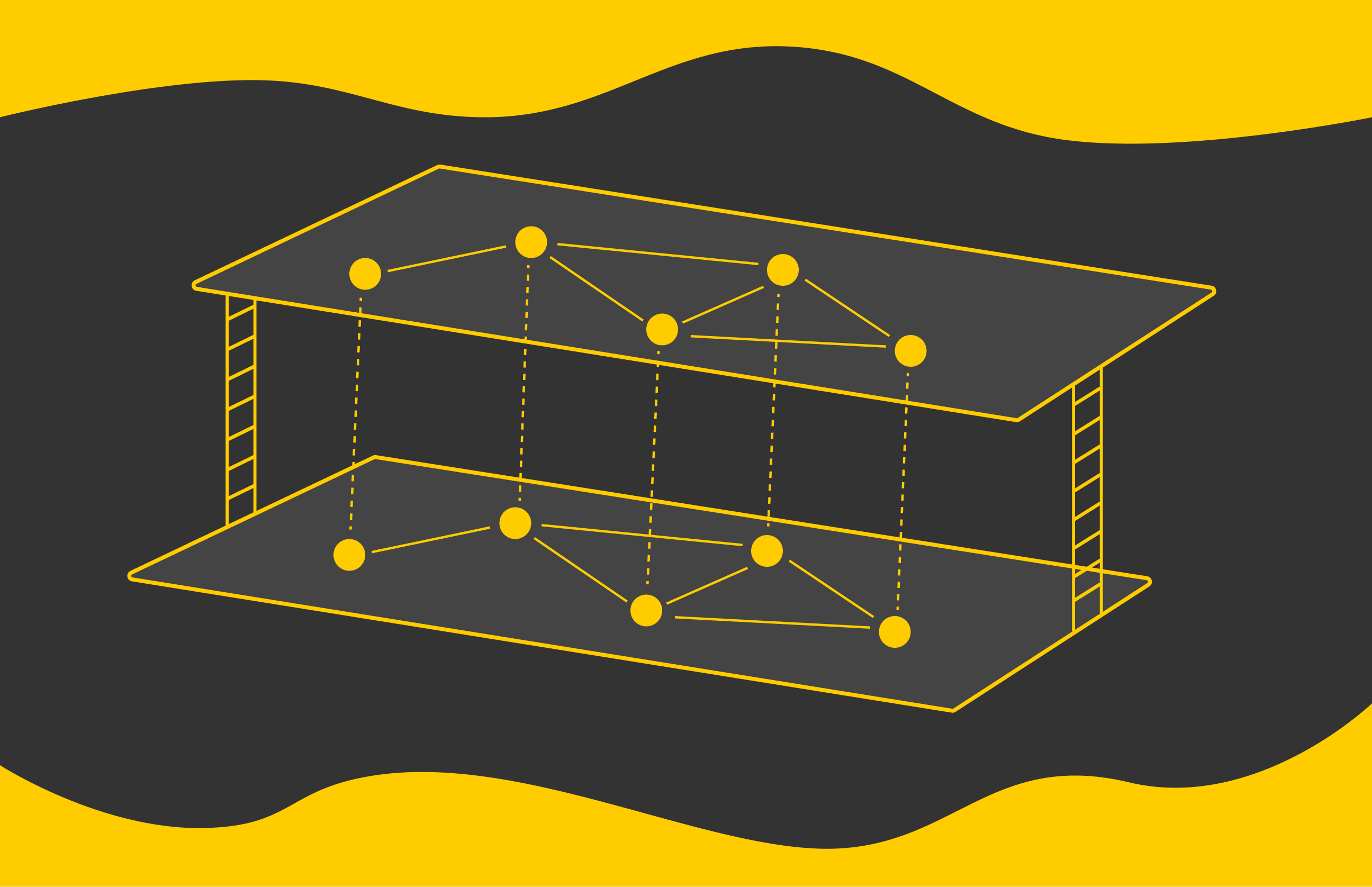
Explore How Graph Neural Networks Unlock Smarter Data Connections
Graph neural networks can feel like a black box, but they don't have to. This visual guide breaks down GCN, MPNN, and GAT by showing exactly how they pass messages and weigh connections. It's a clear, practical look at the mechanics, and it's perfect for anyone ready to move beyond spreadsheet mental models. For a broader perspective on how AI structures complex information, you might also explore our related guide on paragraph structure in LLMs.
Three AI leaders diverge, explore your path forward with confidence.
OpenAI, NVIDIA, and Anthropic just split, and the way forward is clearer than you might think. This isn't about picking sides; it's about understanding where the momentum truly lies. Whether you have $20, $60, or $200 to allocate, there's a practical move that fits. I'd start by focusing on tools that stretch your dollar without stretching your skill set. For a deeper dive into how these shifts play out technically, our guide on distributed algorithms is a smart next read.
Build your own text-to-image model with Jasper Research's new cookbook.
Jasper Research just released a cookbook that walks through building a text-to-image model from scratch, and it's refreshingly honest about the messy middle. The guide shares full reasoning and intermediate results, so you're not just seeing polished outputs but the actual decision points. It also includes a 100M-image dataset and a tiny codebase, meaning you can train your own model without needing a supercomputer. If you've felt boxed in by black-box tools, this is an accessible entry into the mechanics.
Discover how modern AI builds on HMMs for unsupervised data exploration
Hidden Markov Models still earn their place in unsupervised exploration, especially when your dataset's structure isn't neatly labeled. They're not flashy, but they're interpretable and reliable for spotting hidden states in sequential data. That said, deep learning approaches have stepped in for larger-scale semantic discovery, offering more flexibility at the cost of transparency. For your baseline, HMMs remain a solid starting point, not a relic. Pairing them with modern techniques could give you the best of both worlds.

AfterQuery's rapid rise to $3.2B shows what focused AI innovation can achieve.
AfterQuery has reportedly become Y Combinator's fastest-ever unicorn, now valued at $3.2 billion. That's a tenfold jump in just five months, following its $30 million Series A at a $300 million valuation in April. The pace is striking, even for AI. It signals real momentum behind the demand for smarter data tools. We're watching a company move quickly, and that's worth exploring. For a closer look at how AI is reshaping core workflows, check out our piece on verifying your AI's understanding.

Waymo makes its case for sensor diversity over pure AI autonomy
Waymo is making its case loudly: full autonomy can't be achieved with a single approach. By arguing that a mix of sensors is essential, Waymo directly challenges the idea that pure end-to-end AI systems are safe enough for public roads. It's a confident stance, especially with Tesla's Cybercab on the horizon. We see this as a necessary push for accountability in a moment when hype often outpaces proof.
Designing Posters That Communicate Machine Learning Clearly
Putting together a strong poster for ECCV 2026 is a smart goal, and asking the community for standout examples is the right way to start. Great posters do more than show results; they tell a clear visual story that guides a viewer through the work without a wall of text. You are looking for models that balance clarity with depth. It is a practical request that deserves practical inspiration.
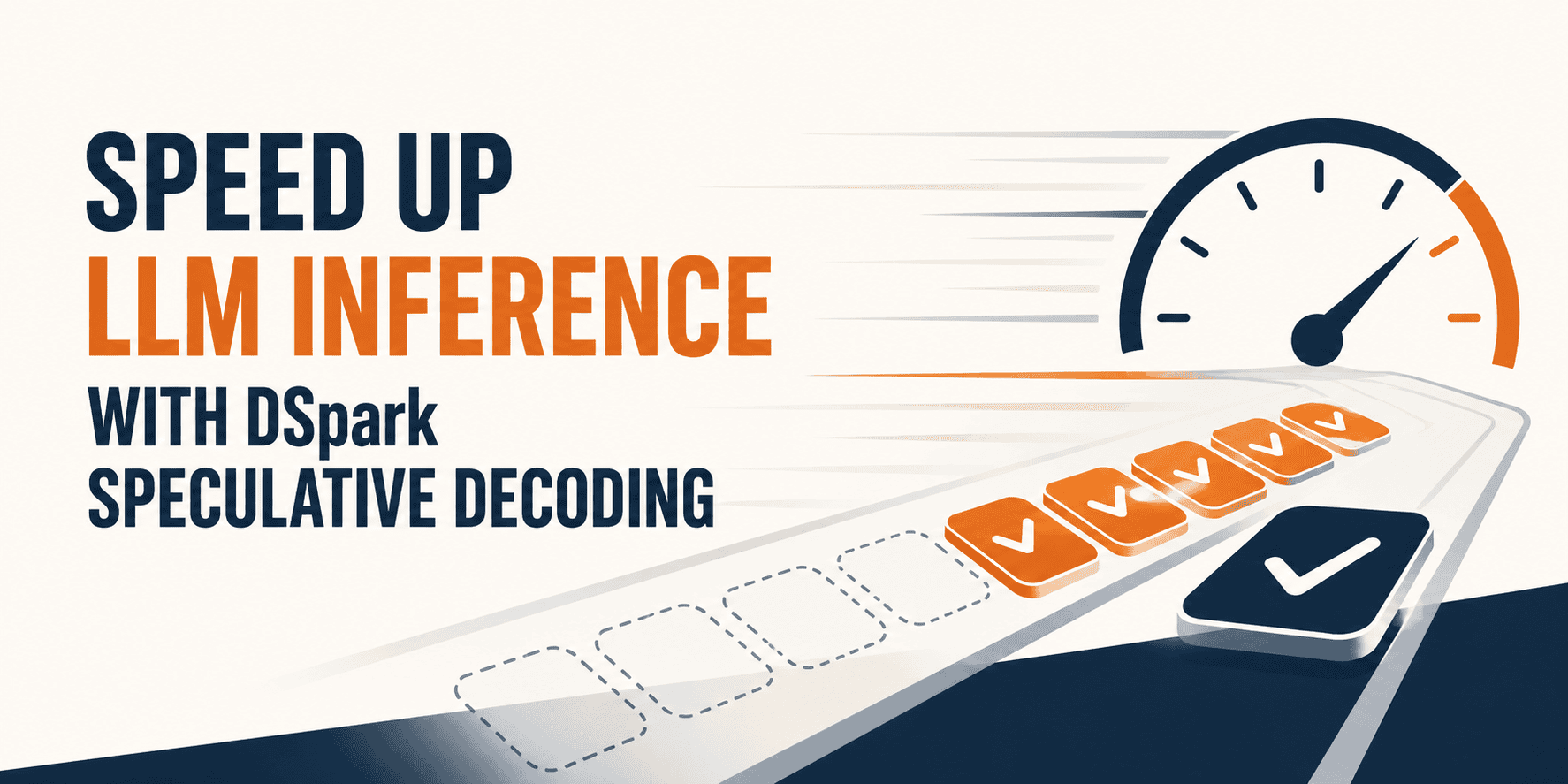
Unlock faster local LLM inference with DSpark speculative decoding
Waiting for the local model to generate its next token can feel like watching paint dry. DSpark speculative decoding changes that. By using a smaller draft model to propose candidates and the larger Qwen3-8B to verify them, it accelerates generation on the same GPU. We appreciate that this works directly with llama.cpp and CUDA, making it practical for your own hardware. It is a straightforward approach to reclaiming speed. For more on the broader concepts, our guide to distributed training is a helpful companion.
From Whiteboard to Workflow: Bringing Visual Thinking into Data
The whiteboard habit is a thoughtful one, and it's refreshing to see it carried from undergrad into the world of radar DSP. Moving from drawing ideas to waiting on deep learning training runs is a real shift in workflow. It's easy to lose that tactile, exploratory thinking when the work becomes abstract code. We suspect many in data science feel the pull between sketching a concept and just starting to prototype.

Explore how hardware investment is shaping AI's next frontier.
a16z is putting $1.1 billion behind a simple bet: the next wave of AI runs on more than software. The firm, long associated with code-first startups, is now funding the physical infrastructure that keeps pace with model growth. That is a meaningful signal for anyone building in the space. If you are navigating how these systems actually train and scale, our guide to distributed algorithms offers a practical starting point. The hardware story is just beginning.
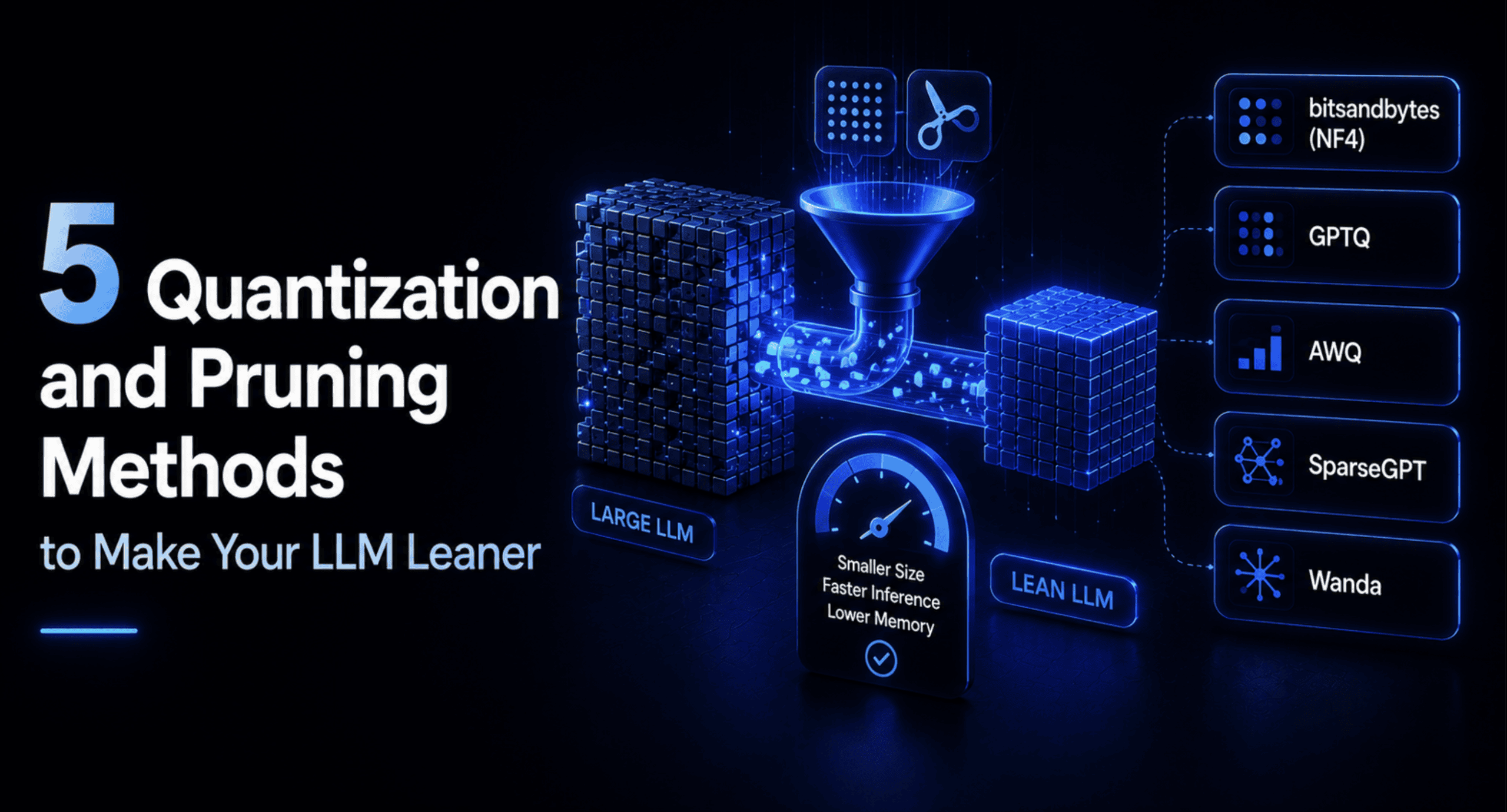
Five Production Methods to Make Your LLM Leaner and Faster
Every parameter in your model costs money, and too many of them mean your inference bill climbs with every prompt. Quantization and pruning are how you cut that weight without gutting performance, and skipping them leaves you paying for latency you do not need. Quantization and pruning cut model weight without gutting performance, and five production methods demonstrate how. If you are still unpacking how distributed systems shape model training, our guide to distributed algorithms pairs well with this one.

Meta's Custom AI Chip Targets Smarter, Faster Recommendation Models
Meta's move to build MTIA 300, its first in-house accelerator for ranking and recommendation models, signals a deliberate step beyond compute and into networking. It's a smart evolution for a company that understands how much latency shapes user experience. By owning more of the stack, Meta isn't just chasing efficiency; it's reducing dependence on off-the-shelf parts. That kind of control tends to pay off.

From visual AI to smarter factory floors, discover Perceptron's approach.
Factory floors run on precision, but the machines guiding them often operate with limited sight. Perceptron, built by ex-Meta scientists, aims to change that with an AI model designed for both navigation and deep visual intelligence. It's a pragmatic step toward smarter industrial operations, not a distant fantasy. For those tracking how computer vision moves beyond the lab, this is worth watching. Our earlier piece on real-world computer vision deployments offers useful context on where such models fit.

Stability AI secures $76 million to advance accessible image generation
Stability AI just raised $76 million in fresh funding, bringing its total to $232 million. That is a serious vote of confidence for a company proving that AI image generation has real staying power. Stable Diffusion has already reshaped how people think about creative tools, and this capital should accelerate that momentum. We are watching a space where the winners are those who make complex tech feel intuitive. If you are curious about where AI is heading, this is worth tracking.

Jalapeño delivers faster inference with greater energy efficiency
OpenAI's Jalapeño chip isn't just fast; it's fast where it counts. Tested on SemiAnalysis' InferenceX benchmark, it delivered more tokens per user and higher throughput per kilowatt than any currently available model. That's the kind of efficiency that turns experimental AI into practical tooling. We're eager to see how this reshapes deployment decisions, especially for teams tired of trading speed for cost. For a closer look at how AI performance impacts real-world judgment, our piece on questioning an AI clone offers a useful counterpoint.

Turn Idle CPU Power into Faster AI Token Generation
Speculative decoding is often framed as a GPU-only play, but DFlash proves otherwise. In vLLM tests on Intel Xeon 6, it hit 3.92x the autoregressive throughput with Qwen3.5-9B at concurrency 1. That is not a marginal gain; it is a practical unlock for underused CPU compute. The post breaks down the acceptance metrics and shows exactly when speculation pays off. For a deeper look at keeping model inputs clean, check out our piece on catching AI slop before it skews your data.

Hugging Face weighs community ties against a $13 billion offer
A $13B price tag would make Hugging Face one of the biggest AI acquisitions yet. But the founders' hesitation isn't about the money, it's about the community that helped build the platform. That tension between a massive payout and preserving what makes the company special is worth watching. If you're curious how messy data can get when AI tools shape your workflows, our piece on catching AI slop before it skews your model offers a practical parallel.
Explore how Kimi K3 makes powerful AI more accessible and affordable.
A 2.8-trillion-parameter model that only activates a fraction of its weights per token sounds like a paradox, but that's exactly what makes Kimi K3 interesting. Moonshot AI built it with a Mixture-of-Experts architecture to keep inference costs down while pushing coding and agentic performance. It's a practical alternative to proprietary systems, especially when you weigh open weights against near-frontier capability. We think that trade-off is worth exploring.