development
Beyond Market Intelligence keeps development in one place: 78 stories so far. The section currently leads with “Aurora PostgreSQL Gains DuckDB's Analytical Power in New AWS Acquisition”, “Your people are your biggest expense: AI helps them ship faster”, and “Figma opens its platform to agents and expands code access in beta”. Amazon's acquisition of DuckLabs signals a serious bet on analytical horsepower for its database ecosystem. Ben Linders makes a point that should refocus how we think about software delivery: your people are your biggest expense, so AI's real job is helping them ship faster. Acme AI is the next-generation, AI-powered spreadsheet platform built to replace Excel and redefine how analysts, data scientists, and enterprise teams work… The list below is every development story on Beyond Market Intelligence, newest first.

Aurora PostgreSQL Gains DuckDB's Analytical Power in New AWS Acquisition
Amazon's acquisition of DuckLabs signals a serious bet on analytical horsepower for its database ecosystem. By bringing DuckDB's co-founders Hannes Mühleisen and Mark Raasveldt under AWS, the company is investing in open-source innovation without compromising DuckDB's independent spirit. Aurora PostgreSQL now gains its first DuckDB-powered feature, blending transactional reliability with analytical speed. For anyone exploring how AI agents unlock hidden insights in compiled binaries, this move reinforces the value of purpose-built tools for modern data challenges.
Your people are your biggest expense: AI helps them ship faster
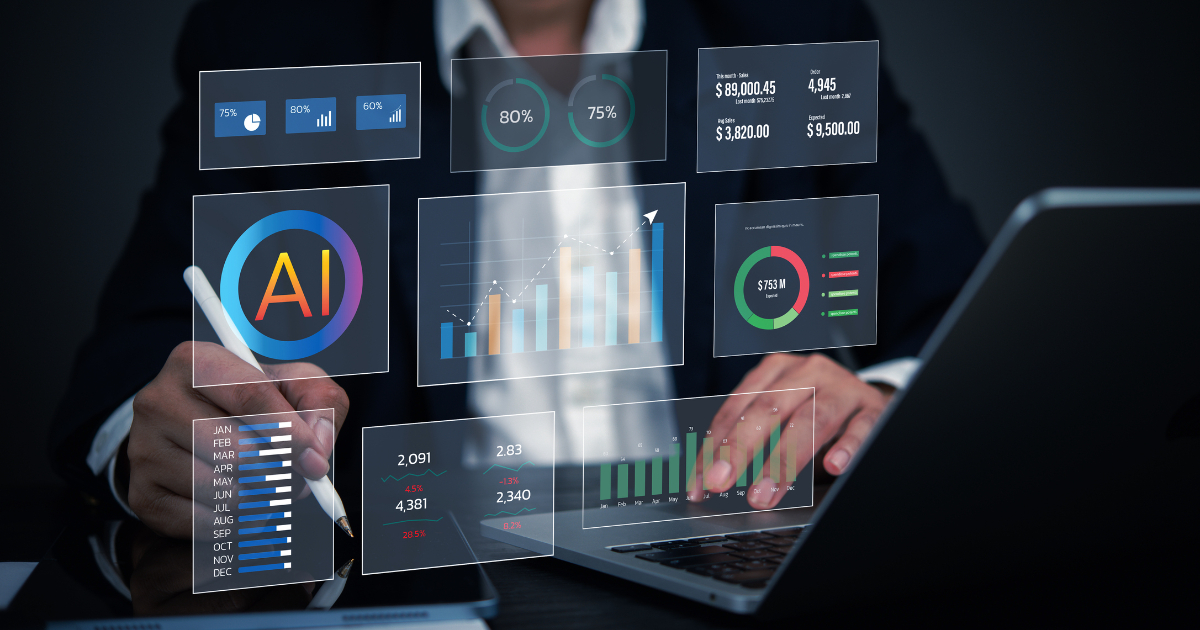
Ben Linders makes a point that should refocus how we think about software delivery: your people are your biggest expense, so AI's real job is helping them ship faster. Speed matters because code only holds value when it's live. By shifting engineers toward deeper problem understanding, not replacing them, AI transforms that human investment into strategic innovation. For more on how platforms are rethinking developer access, see our coverage of Figma opening its platform to agents.

Figma opens its platform to agents and expands code access in beta
Figma is opening its platform to agents and expanding code access in open beta, a move that signals a more connected, programmable future for design tools. The code layers feature, now widely available, lets teams work closer to production without leaving the canvas. It's a practical step toward bridging design and development. For deeper context on how AI agents are reshaping industries, see our related piece on Apate.ai sending agents undercover to study scam operations.

A former Ford EV chief joins Rivian's startup to advance AI-native data tools
A former Ford EV chief and Apple car project veteran, who also oversaw Tesla Model 3 development, has joined a Rivian startup to push AI-native data tools forward. That kind of deep automotive engineering experience signals something worth watching. For context on how other industries are quietly rethinking infrastructure, see our coverage of "How Cambridge Heavy Industries is quietly building a desktop fusion future."

As Code Velocity Surges, Spotify Reinforces Quality Controls for AI Development
When AI-assisted development more than doubled Spotify's monthly merged changes, the company didn't just celebrate the velocity, it reinforced quality controls. That's the right move. Faster code means little without reliability. Spotify is now adapting its testing, observability, and rollback capacity to match this new pace. It's a practical, human-centered response to a surge that could easily overwhelm engineering teams. For more on how AI is reshaping development workflows, see our coverage of GitLab 19.4.

Meta expands AI horizons with Muse Wonder, its first frontier model release
Meta's Superintelligence Lab is stepping into the frontier model arena with Muse Wonder and Muse Wonder Full, the company's first release of this scale. These two models signal a deliberate move beyond incremental updates toward something more ambitious. If you're weighing how different AI assistants handle real analytical work, our comparison of ChatGPT, Claude, and Gemini for data science tasks offers a practical next step. The future of data management is being reshaped, explore what that means for your workflow.

Founders weigh open versus closed AI at Disrupt 2026
Founders at Disrupt 2026 are confronting a defining question: open or closed AI? The choice shapes everything from flexibility to control, and there is no universal answer. We examine how builders are navigating this decision, weighing transparency against performance. For deeper context on how startups are earning real traction, explore our coverage of "Five startups earning trust and traction at PearX demo day." Register now to save up to $100 and get a second pass at 50% off.
Align Your Agent Development Lifecycle with the Application It Powers
Coordinating an agent's capabilities with the application it powers is the difference between a tool that assists and one that drifts into irrelevance. The development lifecycle often runs ahead of the product it serves, creating misalignment that compounds over time. This piece grounds the conversation in that practical tension, and it pairs well with our look at trimming thousands of API calls by tracing real workflow data. Build the agent alongside the app, not in its shadow.

A Typo in the White House AI Pledge Signals a Deeper Disconnect
A typo in the White House AI pledge, a "Joint Commitment on Frontier Responsibilities" signed by Trump and top AI leaders, undermines its own authority. If the document meant to signal serious safety controls can't get the details right, it suggests a deeper disconnect between promises and execution. Voluntary measures are a start, but precision matters when managing rapid AI development. For more on real-world AI investment, read our coverage of BAG Ventures' new $11.3M fund backing enterprise-focused startups.
Unlock Team Momentum by Removing the AI Data Bottleneck
Data silos are quietly stalling even the most ambitious teams. When information is locked away, momentum dies. We see the same friction surfacing across industries, from inflated broker fees to the hidden costs of AI in hospitals. The fix isn't more tools; it's removing the bottleneck at the source. For a deeper look at how misplaced AI spending creates new problems, revisit our piece on rising hospital costs. For now, explore how clearing the data path can transform your team's workflow.

Explore the Future: When AI Designs Its Own Hardware
When a chip learns to design itself, the role of human engineers shifts from architect to partner. At TechCrunch Disrupt 2026, Ricursive Intelligence co-founders Anna Goldie and Azalia Mirhoseani take the Disrupt Stage to explore closing the loop between AI and hardware development. It's a conversation about trust, iteration, and machines that build better versions of the tools we use. For deeper context on how AI thinks through structured problems, our piece "Exploring Paragraph Structure" pairs well here.
Unlocking MCP: A Visual Guide to Empower Your Workflow
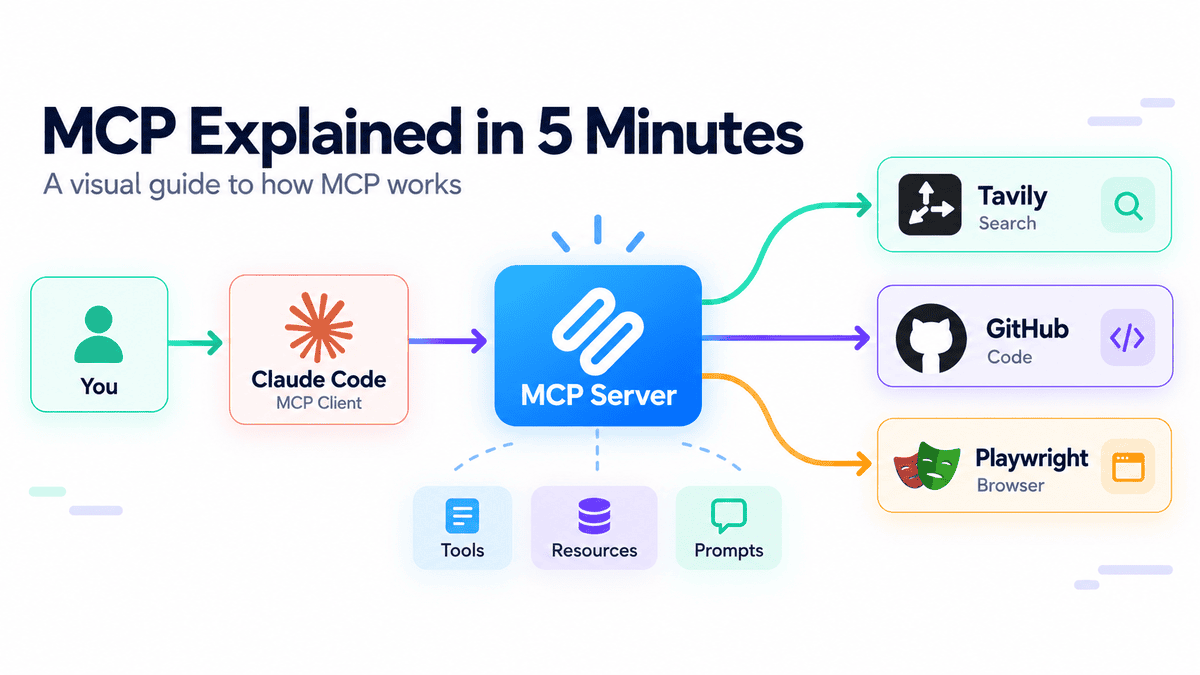
MCP can feel like a maze of technical jargon, but it doesn't have to. This visual guide breaks down how it works, then shows you exactly how to pair it with Claude Code, Tavily, GitHub, and Playwright. The diagrams do the heavy lifting, making a complex concept genuinely approachable. If you're ready to move past theory and into practical workflow improvements, this is a solid starting point. For a deeper dive into related infrastructure, our guide on distributed training algorithms is worth exploring next.
Beyond Green: Understanding True Test Suite Efficacy
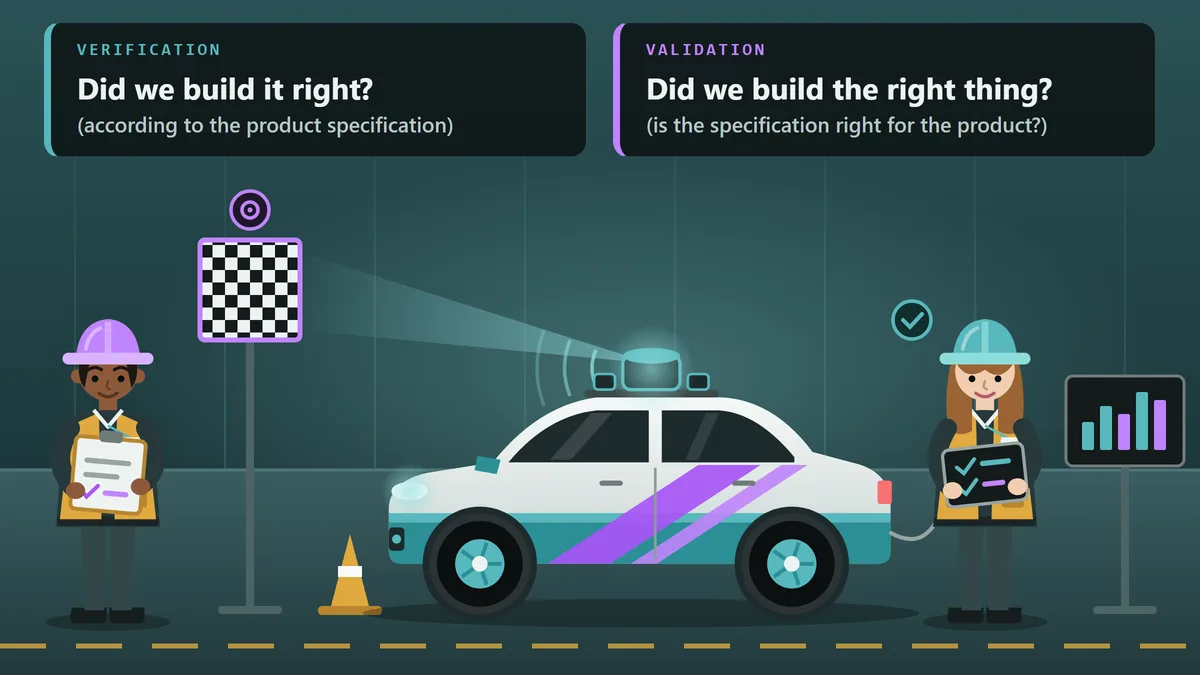
A green test suite can create a false sense of security. Passing tests don't always mean your software is healthy, and that gap deserves attention. This piece challenges you to look beyond the color of the results and ask what your tests are truly verifying. It's a practical call to focus on efficacy, not just outcomes. If you're ready to rethink your approach to automation, this is the right starting point.

Explore Meta's Muse: AI Agent Arrives in Glasses and Beyond
Mark Zuckerberg used Meta's Connect keynote to make the company's direction unmistakable: Muse is the future, and it's heading straight to Meta's AI glasses. That's a bold bet on ambient, helpful intelligence living where you look. It's also a smart evolution of the wearables story, moving beyond hardware specs to focus on what an agent can actually do for you. For a deeper look at how Meta is expanding its connected ecosystem, check out our earlier piece on Meta's Smart Glasses.
Keep Your Data Science Notebooks Running: Six Essential Habits
A notebook that runs perfectly on your screen can fall apart the moment you close the laptop. That frustrating reality is exactly what these six essential habits address. They are not about writing fancier code, but about building a workflow that survives interruptions and returns you to your work with confidence. We appreciate the practical focus on resilience. For another perspective on keeping complex work sustainable, you might explore our related article, "Expanding Your Tech Fluency: Key Insights Beyond Artificial Intelligence.

Meta's Muse AI Assistant Draws Inspiration from OpenClaw
Meta says Muse was built from scratch, yet the AI assistant carries OpenClaw's fingerprints, right down to workspace filenames and content. That honesty is refreshing. It suggests inspiration isn't a weakness; it's a starting point for something more accessible. We're watching how this unfolds, especially for users tired of rigid tools. If you're exploring how AI reshapes practical workflows, our piece on real-world computer vision deployments offers a grounded look at what's actually working.
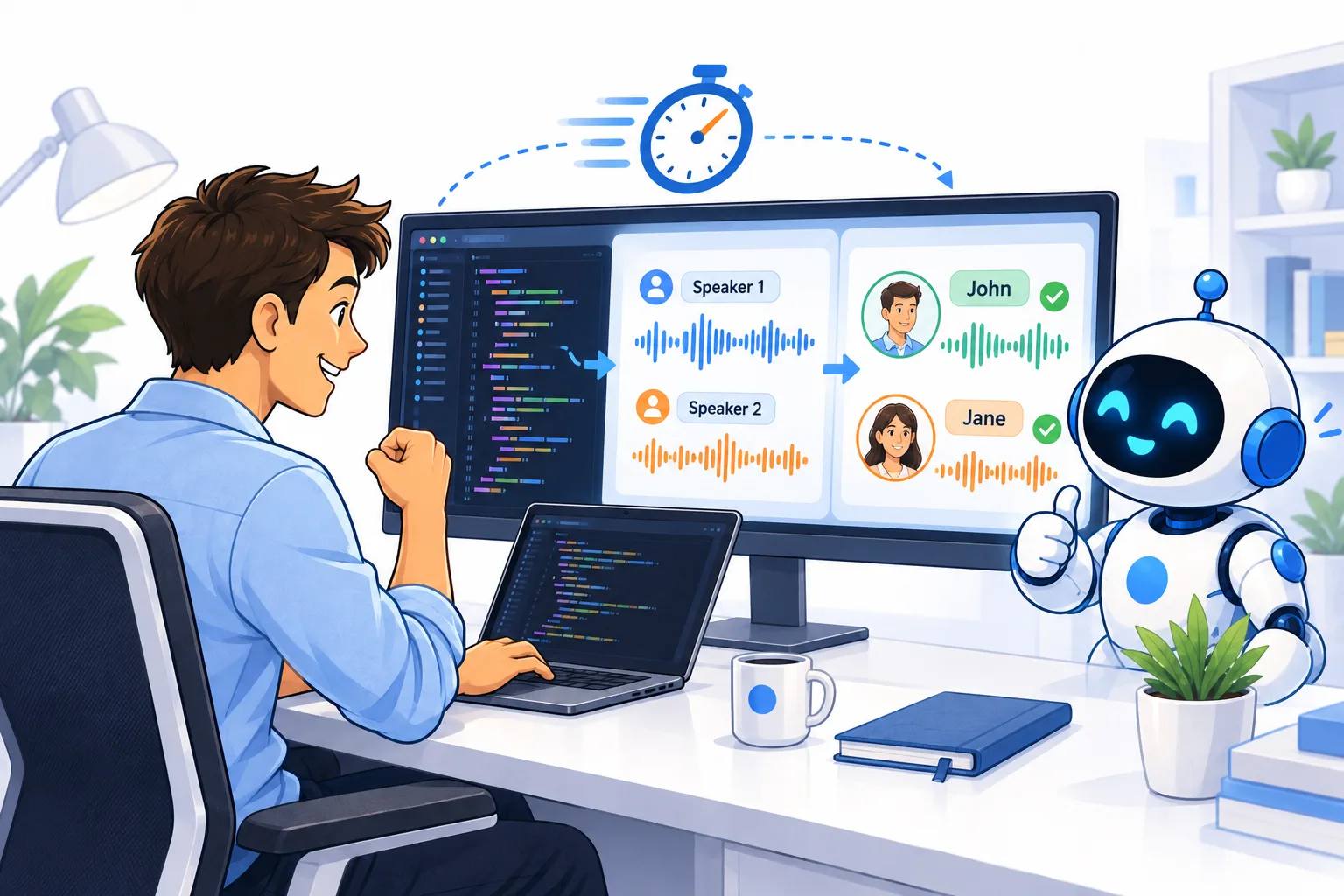
Code an Internal Speaker Recognition Tool with Claude
If you've ever wrestled with identifying who's speaking in a meeting recording, building a speaker-recognition tool from scratch can feel like a heavy lift. This guide walks through coding one internally with Claude, turning a complex audio challenge into a practical, hands-on project. It's a smart, accessible approach for teams ready to move beyond manual transcription. For a broader look at how AI handles real-world inputs, you might also enjoy *Exploring Real-World Computer Vision*, it pairs nicely with the concepts here.
Exploring OpenAI: How AI is Reshaping Data Ownership and Access
Data ownership used to feel like a settled argument, but AI is quietly rewriting the terms. As models learn from our spreadsheets and inputs, the question isn't just who holds the files, but who controls the insights hidden inside them. That shift deserves attention. We explore how OpenAI's tools are pushing this conversation forward, challenging old assumptions about access and authority.
Exploring Autograd: A High Schooler's C++ Machine Learning Project
Building a tensor library and autograd engine from scratch in C++ is no small feat, especially for a high schooler. That kind of hands-on exploration is how you truly internalize the mechanics behind machine learning, moving beyond black-box frameworks. This project shows genuine curiosity and a solid grasp of fundamentals. We appreciate the willingness to share it for feedback. For those interested in seeing how such foundational work connects to real-world applications, our piece on real-world computer vision deployments offers a useful perspective.

SolidStart 2.0 Modernizes, Enters Maintenance as SolidJS Evolves.
SolidStart 2.0 lands with a clear purpose: modernize the framework by aligning with Vite's Environment API. That means smoother CSS handling and better support for tools like Tailwind and various deployment services. It's a practical step forward for developers who want less friction. But the bigger story is what comes next. SolidStart is entering maintenance mode as its best ideas fold into Solid 2.0. That's a confident move, shifting focus to a unified future rather than splitting attention across projects.

Discover how Vantora builds industrial startups with physical AI.
Vantora, formerly UP.Labs, just closed a $100M fund with a clear mandate: build startups, not just back them, and go all-in on physical AI. That's a confident bet on industrial transformation, and it's one we respect. For corporations feeling the weight of legacy systems, Vantora offers a direct path to innovation without the usual friction. The focus is on tangible outcomes, not hype. If you're exploring how AI reshapes practical work, our piece on verifying your AI's understanding offers a useful complement to this announcement.
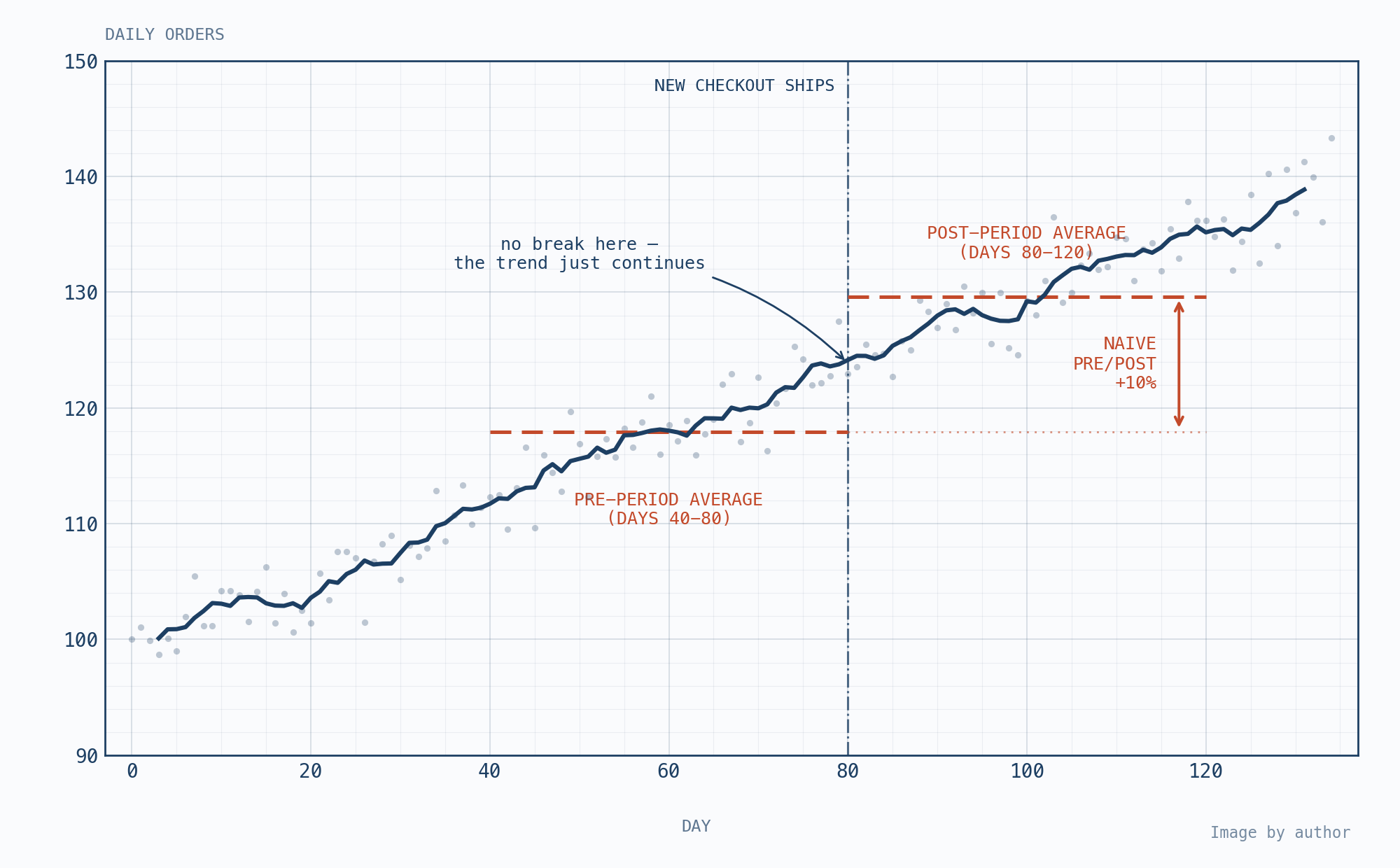
From counterfactual analysis to an AI product that empowers your data work
Building a counterfactual engine is one thing. Turning it into a multi-agent product is another. This walkthrough shows exactly what it takes to move interrupted time series analysis from a manual research task into an AI-driven workflow. It's a practical, honest look at the engineering and design choices that matter. If you're curious how structured reasoning gets automated, this is worth your time. For a deeper dive into the underlying mechanics, our guide to distributed algorithms pairs well with the concepts explored here.
Explore how TanStack Charts lets you compose visualizations, not just pick chart types.
TanStack Charts enters the alpha stage with a clear promise: stop forcing data into fixed chart types and start composing the visuals your project actually needs. This framework-agnostic library for TypeScript, now pulling around 160,000 weekly downloads, speaks to a developer base eager for flexibility. It is not yet production-stable, so treat it as a tool for exploration rather than a drop-in dependency.

Treble secures $18 million to advance voice simulation for AI systems
Treble, the Iceland-based voice simulation platform, just closed an $18 million round, and it's a clear signal that the demand for realistic synthetic voices is accelerating. AI wearable and robotics developers are turning to Treble to refine how their products sound and respond, which feels like a smart bet on user trust. Voice is becoming a primary interface, and getting it right matters. For more on how these systems are built and challenged, explore our related piece on real-world computer vision deployments.