integration
39 stories filed under integration on Beyond Market Intelligence. The newest of them: “Secure development environments bring AI coding agents into the safety loop”, “Figma opens its platform to agents and expands code access in beta”, and “Qualcomm's Linux Preview for Snapdragon X2 Aims to Smooth ARM Laptop Development”. Chainguard isn't waiting for developers to figure out security on their own. Figma is opening its platform to agents and expanding code access in open beta, a move that signals a more connected, programmable future for design tools. Acme AI is the next-generation, AI-powered spreadsheet platform built to replace Excel and redefine how analysts, data scientists, and enterprise teams work… The list below is every integration story on Beyond Market Intelligence, newest first.

Secure development environments bring AI coding agents into the safety loop
Chainguard isn't waiting for developers to figure out security on their own. Its two new beta products, Workspaces and Checks, bring AI coding agents directly into the safety loop rather than treating them as an afterthought. Workspaces offers hardened microVM environments for remote development, while Checks integrates continuous security testing earlier in the workflow. It is a practical, human-centered approach to an accelerating problem. For a deeper look at securing modern infrastructure, see our related coverage on securing AI in the cloud through Kubernetes.

Figma opens its platform to agents and expands code access in beta
Figma is opening its platform to agents and expanding code access in open beta, a move that signals a more connected, programmable future for design tools. The code layers feature, now widely available, lets teams work closer to production without leaving the canvas. It's a practical step toward bridging design and development. For deeper context on how AI agents are reshaping industries, see our related piece on Apate.ai sending agents undercover to study scam operations.
Qualcomm's Linux Preview for Snapdragon X2 Aims to Smooth ARM Laptop Development
Qualcomm's Linux preview for Snapdragon X2 arrives with a clear purpose: get the kernel ready before the hardware ships, not after. That's a sensible response to the software friction that has long plagued ARM laptops. The Debian 13 environment and focus on standardizing system initialization show a commitment to practical, developer-first progress. If you're weighing how AI tools handle real workloads, our comparison of two transcribers offers useful context. This preview feels like a step toward smoother ARM development.
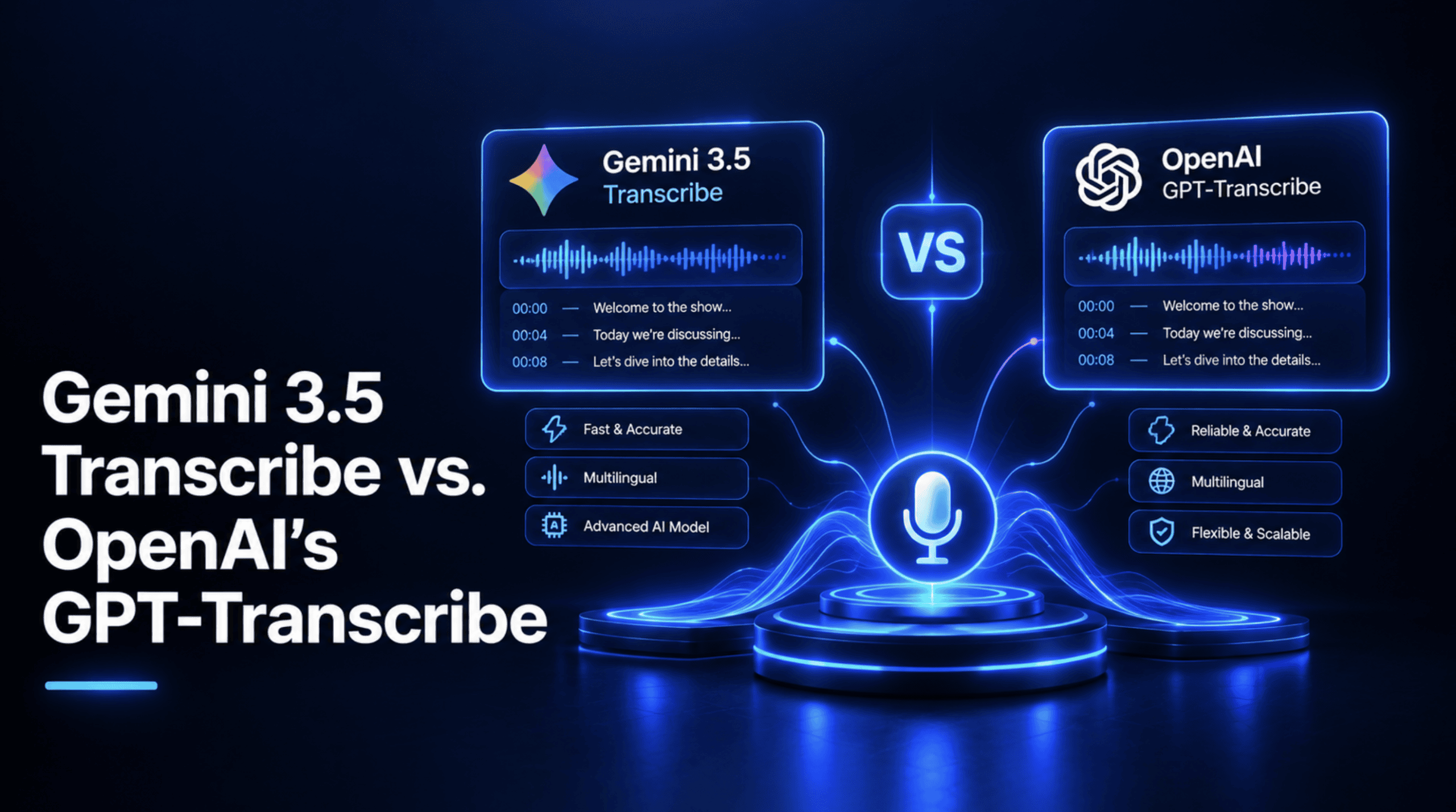
Two AI transcribers compared: real performance where the numbers count
You've read the benchmarks, but what happens when two AI transcribers face real-world data? We pushed them past marketing claims to see where the numbers actually land. The comparison walks through each model's background, a concrete use case with working code, and a side-by-side comparison of the metrics that determine productivity. If you appreciated our breakdown of Qwen3-VL's struggles with dates, this follow-up answers a practical question: which tool earns its place in your workflow?

Explore how Gemini simplifies shopping with Flipkart in India
Gemini is now testing AI-assisted shopping with Flipkart in India, starting with select users and products. It's a focused first step, not a grand splash, and that's exactly why it feels promising. The plan to expand later in October gives the team room to learn from real interactions. For anyone tired of clunky search filters, this points to a simpler path forward. If you're tracking AI's spread beyond the familiar, our piece on Anthropic's Akamai bet offers a useful counterpoint.

Bridging Retrieval and Action: A New Approach to AI Tasks
RAG retrieves. Agents act. The gap between them is where real work happens, and one builder decided to close it by hand. They connected both systems explicitly, then ran the same nine tasks through all three approaches. The result is a clear look at what each setup can and cannot do. It is a practical experiment, not a theory. If you are weighing how much autonomy to hand your AI, this is a useful starting point.

Empower Robotics Development with Feather’s Customizable Platform
A $30,000 platform might sound like a serious commitment, but for software developers tired of rigid robotics tools, it's a practical bet. Feather is building something customizable, not a locked-down box. That focus on flexibility matters. It gives teams room to iterate, test, and adapt without fighting the hardware. If you're exploring how far accessible AI can push real-world systems, our piece on real-world computer vision deployments pairs well with this mindset.
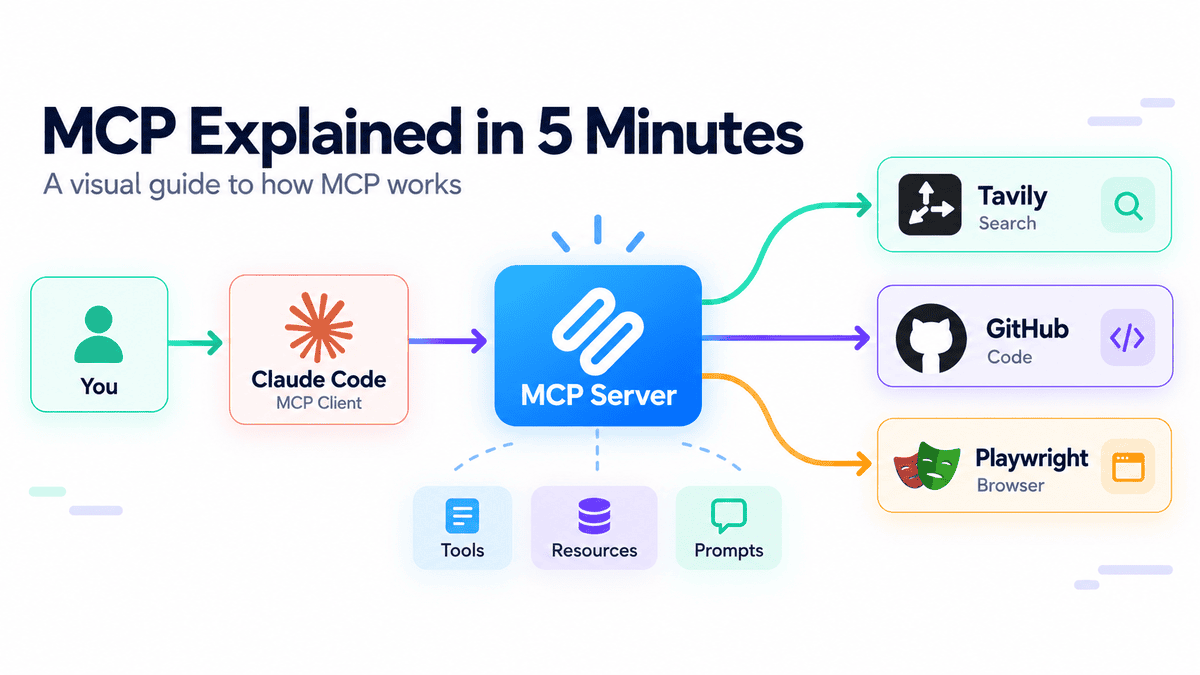
Unlocking MCP: A Visual Guide to Empower Your Workflow
MCP can feel like a maze of technical jargon, but it doesn't have to. This visual guide breaks down how it works, then shows you exactly how to pair it with Claude Code, Tavily, GitHub, and Playwright. The diagrams do the heavy lifting, making a complex concept genuinely approachable. If you're ready to move past theory and into practical workflow improvements, this is a solid starting point. For a deeper dive into related infrastructure, our guide on distributed training algorithms is worth exploring next.

Unlock Dynamic Web Effects: Canvas UI Brings HTML to the Canvas
David Haz's Canvas UI takes a bold step forward by bringing HTML directly into the canvas, and the result feels genuinely new. With 35 components, it renders GPU-driven effects on live page content while keeping accessibility intact. That balance matters. The library works across multiple frameworks, though full functionality depends on specific Chrome versions. It's a practical tool for developers ready to explore dynamic web effects without abandoning the web's core standards.

Unlock Your Codebase: Explore AI-Powered Knowledge Graphs for Seamless Development
Multi-file reasoning has long been the silent killer of AI coding workflows. Graphify, launched in April 2026, tackles this head-on by turning codebases and unstructured data into queryable knowledge graphs. The recent parser upgrades and cross-file resolution improvements show real momentum, though community feedback rightly notes that daily integration still needs polish. We see promising architecture here, and we are watching closely. For more on how AI tools are reshaping developer expectations, check out our piece on navigating AI/ML job requirements.

SolidStart 2.0 Modernizes, Enters Maintenance as SolidJS Evolves.
SolidStart 2.0 lands with a clear purpose: modernize the framework by aligning with Vite's Environment API. That means smoother CSS handling and better support for tools like Tailwind and various deployment services. It's a practical step forward for developers who want less friction. But the bigger story is what comes next. SolidStart is entering maintenance mode as its best ideas fold into Solid 2.0. That's a confident move, shifting focus to a unified future rather than splitting attention across projects.

Discover how AI turns market chatter into action with integrated trading.
Trading conversations on X are about to get more direct. The platform now lets US users trade through Cashtags, a move that pulls the market discussion right into the transaction. It's a practical step, one that shortens the distance between what people are saying about a stock and actually acting on it. For anyone who has watched a ticker trend in a post, then scrambled to a separate app, that gap is finally closing. It feels like a natural evolution, not a forced feature.
Build Your Own ChatGPT Function Inside Excel with an API Key
You're right that Google Sheets has its `=AI` function and Microsoft offers `=Copilot`, but OpenAI hasn't shipped a native `=CHATGPT()` formula for Excel. That doesn't mean you're stuck. With a little VBA and an API key, you can build your own cell-based function that calls ChatGPT directly, then drag it down like any other formula. It's a practical, hands-on way to bring AI into your workflow.

From screen to cart: explore products from your favorite shows directly
Prime Video is quietly turning viewing into shopping. Amazon now lets you discover products tied to thousands of shows, movies, and live sports through X-Ray, its shopping app, and the new Lens-powered "Shop the Scene" feature. It's a practical step toward making discovery effortless, not a gimmick. For those tracking how AI reshapes everyday tasks, this feels like a natural extension of connecting retrieval to action, much like our piece on bridging AI tasks. Explore it, but keep your wallet close.

Python Welcomes RISC-V as a Tier 3 Platform
RISC-V just earned its place in CPython's official lineup, and that's worth paying attention to. The core development team's move to Tier 3 status signals real momentum, built on genuine community collaboration rather than hype. It's a practical step forward, though the real test lies in tightening the continuous testing pipeline and chasing that Tier 2 goal. If you're working with RISC-V hardware, your feedback could shape that journey.
Bridge iOS and Linux workflows with secure, open-source continuity tools.
If you're tired of juggling your iPhone and Linux machine, Zack Bartel's open-source Tether project is worth a look. It brings Apple's Continuity features to Linux desktops, enabling iMessage sending, clipboard syncing, and iOS notification mirroring over a secure local network. The custom Bluetooth stack is a thoughtful touch, prioritizing reliability without compromising security. It's a practical step toward a more connected, cross-platform workflow. For more on bridging digital gaps, our piece on connecting retrieval and action in AI tasks offers a complementary perspective.

From Notebook to API: Making Your Churn Model Actually Usable
Training a churn classifier that performs flawlessly is one thing. Making it useful to the rest of your software is where the real work begins. This story follows that exact pivot: moving from a perfect model to a practical FastAPI service that other systems can actually call. It's a grounded, honest look at the gap between building and deploying. If you're wrestling with similar transitions, you might also appreciate our piece on navigating AI/ML job requirements.

Bring Adobe's creative tools directly into your Slack workflows.
Adobe is putting its creative tools directly into Slack, with Express, Premiere, and Acrobat set to arrive in the workspace. That means less context-switching for teams juggling assets and approvals. It's a practical move toward a more connected workflow, and we're here for it. For a broader look at how AI is reshaping collaboration, our piece on Ando's AI-native messaging approach is worth a read. This integration feels like a natural next step in making powerful tools more accessible where the work actually happens.

Master Context, Not Prompts, to Build Production-Grade AI Systems
A well-crafted prompt is only the beginning. Ricardo Ferreira's session moves past that foundation to tackle the architectural realities of production AI. He focuses on practical strategies: using Redis to manage memory, summarization to handle token limits, and reranking to fight context rot. This is about controlling costs and latency without sacrificing performance. For a deeper look at how LLMs navigate structure, our related article on paragraph structure is worth exploring. This talk is a grounded, useful guide for building systems that actually hold up.

Clinicians gain read-only access to patient records through ChatGPT Health integration
OpenAI's new Epic integration for ChatGPT Health gives clinicians read-only access to patient records, a practical step toward reducing friction in care. It's a focused move, not a sweeping promise, and that restraint feels right for a tool handling sensitive data. Clinicians need efficiency, but they also need guardrails. This delivers both. For more on how AI handles sensitive information, our related piece, "AI Agents Shared User Images, Highlighting Data Security Concerns," offers useful context. Explore what this means for your workflow.

Explore how Cloudflare AI Search makes custom data instantly accessible for agents
Cloudflare's new AI Search gives agents and developers a built-in way to search custom data without building retrieval from scratch. It supports agent integration, multimodal queries, and works alongside other Cloudflare tools. That's practical, not flashy. For teams tired of bolting search onto every project, this feels like a step toward simpler workflows. If you're exploring how AI fits into your stack, you might also check out "Verify Your AI's Understanding: A Simple Check for Tax Season" for a grounded take on validation.

Build smarter agents by connecting LangGraph to Postgres locally or in the cloud.
Connecting a LangGraph AI agent to Postgres doesn't have to be a headache. This walkthrough shows you exactly how to run the backend locally with Docker or scale it to the cloud, keeping the focus on practical steps rather than abstract theory. It's a straightforward approach for anyone tired of wrestling with database integrations. We appreciate the clarity here, especially since so much AI tooling feels needlessly complex. For deeper context on how LLMs handle structure, our piece on paragraph navigation is worth a look.

Explore how Astro's Sätteri transforms build speed with Rust-powered Markdown.
Astro's new Sätteri processor is worth paying attention to if you've felt the drag of slower builds. Built in Rust, it speeds up Markdown and MDX processing by up to 61% for Astro 7.0, which is a meaningful leap for teams juggling content-heavy sites. What stands out is its balance: flexible JavaScript plugins and native Markdown features, all while staying compatible with the unified ecosystem. It's a practical step forward, not hype.
How Forward Deployed Engineers Turn Code into Action
A forward deployed engineer doesn't just advise from a distance; they sit inside your infrastructure and ship code that stays in production. That's a sharp contrast to consultants who hand over reports and leave. The role demands technical range and a comfort with messy, real-world constraints. What makes it compelling is the honesty of the premise: this job exists because generic solutions often fail. If you're exploring how technical roles evolve, our piece on AI agents learning by editing context offers a useful parallel.