Kubernetes
31 stories filed under Kubernetes on Beyond Market Intelligence. The newest of them: “Scaling AI Agents From Prototype to Production on Kubernetes”, “Scale Your Self-Hosted Runners with ARC's Latest Reliability Upgrades”, and “OpenTelemetry brings stable order to Kubernetes telemetry with processor milestone”. Transitioning AI agents from a local FastAPI prototype to a production-grade system on Kubernetes is a challenge many teams are now facing. For teams managing their own CI infrastructure, ARC 0.15.0 brings meaningful improvements to how self-hosted runners operate on Kubernetes. Acme AI is the next-generation, AI-powered spreadsheet platform built to replace Excel and redefine how analysts, data scientists, and enterprise teams work… The list below is every Kubernetes story on Beyond Market Intelligence, newest first.
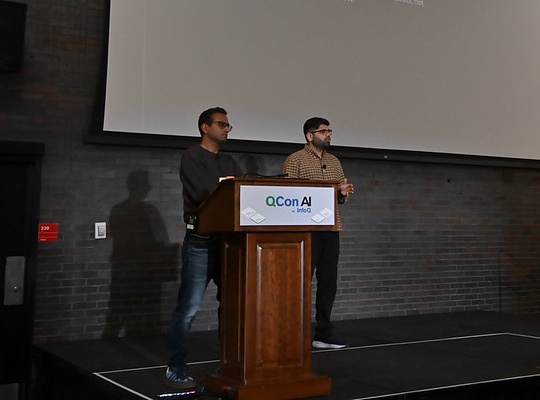
Scaling AI Agents From Prototype to Production on Kubernetes
Transitioning AI agents from a local FastAPI prototype to a production-grade system on Kubernetes is a challenge many teams are now facing. Deepak Mohanakumar Chandramouli and Bhumik Vinodkumar Thakkar share practical insights on RayCluster topology, stateful memory, and auto-scaling under dynamic traffic. They also cover guardrails, multi-region setups, and LLM-as-a-judge evaluation pipelines. For more on scaling reliable infrastructure, see our coverage of ARC's latest upgrades for self-hosted runners.

Scale Your Self-Hosted Runners with ARC's Latest Reliability Upgrades
For teams managing their own CI infrastructure, ARC 0.15.0 brings meaningful improvements to how self-hosted runners operate on Kubernetes. The focus on reliability and observability means less time troubleshooting infrastructure and more time shipping code. This release respects that scaling compute shouldn't introduce complexity. For those exploring how AI infrastructure scales independently, our coverage of Tenstorrent's recent funding offers a complementary look at building trust in open-source foundations.

OpenTelemetry brings stable order to Kubernetes telemetry with processor milestone
Consistency in Kubernetes telemetry just got a welcome upgrade. OpenTelemetry has promoted its Kubernetes Attributes Processor to v1.0.0, bringing stable order to how observability pipelines handle cluster data. This milestone matters because unpredictable telemetry undermines trust in monitoring. A stable processor means teams can rely on what they see. For those already tracking the agent-focused future of cloud tools, Cloudflare's new CLI for AI agents offers a complementary look at where infrastructure management is heading.

Self-Service GPU Metrics Bring Team Clarity Without Cross-Team Exposure
Adobe engineers have shared an open-source approach that gives teams self-service access to their own Prometheus metrics in multi-tenant Kubernetes environments, without exposing other teams' data. That is clarity without compromise. For teams feeling constrained by shared infrastructure, this is a practical step toward autonomy. It's the kind of focused tooling that empowers teams to move faster. If you are exploring how AI agents handle memory, our article on open-source tools for lasting context may interest you next.
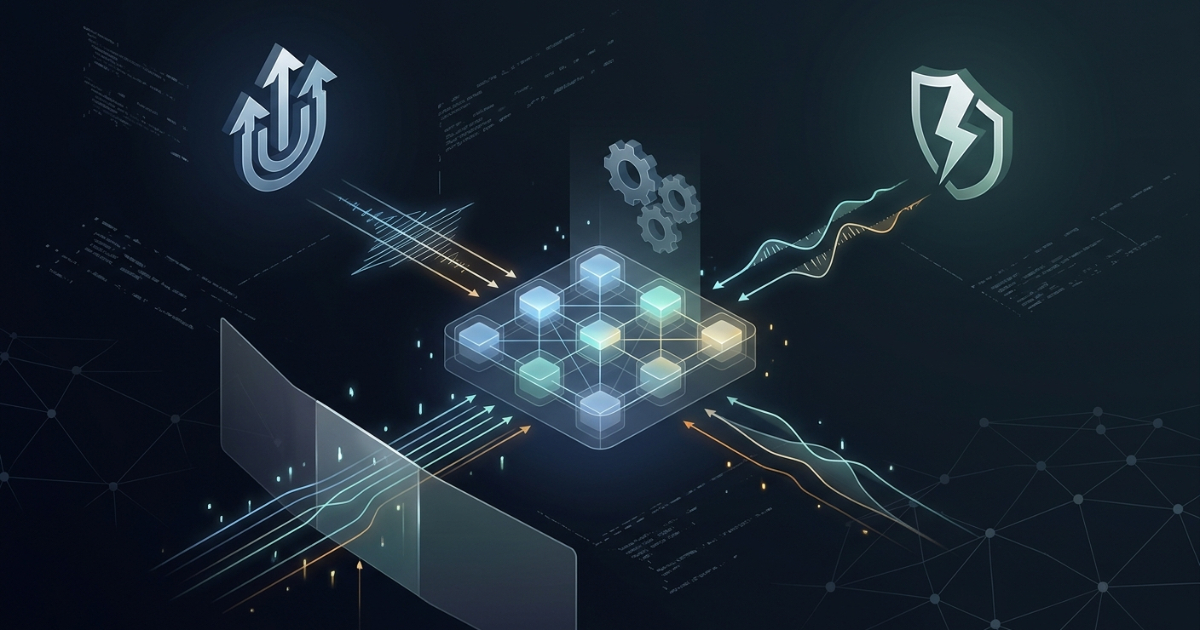
How Uber Gives Multiple Orchestrators Control Over Scaling Without Conflict
Uber has solved a tricky Kubernetes problem by separating scaling intent from execution. Its new ServiceScale controller lets multiple orchestrators manage the same workloads without stepping on each other, critical for regional failover without idle capacity. Engineers Egor Grishechko and Srikar Paruchuru explain how. It's a practical, human-centered approach to infrastructure that prioritizes outcomes over complexity. For more on how major platforms rethink their tech stacks, see Cloudflare's blog on migrating to EmDash.

Scale Sandboxes Instantly: A New Approach to Concurrent AI Workloads
Modal's staff engineers Colin Weld and Connor Adams didn't just tweak their sandbox setup; they rebuilt it from the ground up. The result is infrastructure that handles millions of concurrent sandboxes and tens of thousands of creations per second. That's the kind of scale that makes concurrent AI workloads feel almost routine. It's a smart, grounded look at what it takes to move past legacy limits. For more on practical AI adoption, our guide to unlocking ChatGPT for work is worth a look.

Simplify EKS Management: Elastic Beanstalk Now Runs on Shared Clusters
AWS has added Cluster Mode to Elastic Beanstalk, letting it run applications on EKS clusters the service creates and manages. That is a practical step for teams wanting Kubernetes without the operational overhead. The catch: clusters are tied to subnet sets permanently, and direct access stays service-controlled. AWS also recommends separate clusters for untrusted or regulated workloads, and the new mode adds EKS and Auto Mode fees that EC2 discounts will not touch.

Orchestrate AI Agents: Google Open-Sources AX for Enhanced Efficiency
Google has open-sourced AX, an orchestrator designed to keep autonomous AI agents from idling away resources. By treating agents as stateful actors on its Agent Substrate runtime, AX suspends tasks during downtime and resumes them on demand, trimming latency without sacrificing performance. The control plane's Kubernetes-style primitives make managing agent workloads feel familiar, not foreign. It's a practical step toward efficient, scalable AI operations.
Kubernetes 1.37 arrives with a sharper focus on AI workloads
Kubernetes 1.37, named "Garhwal," lands with a clear focus on stability, security, and AI/ML workloads. The Stable Metrics API is a welcome step, giving teams reliable data for smarter scaling decisions. Meanwhile, the Rootless Kubelet reaching beta signals a serious commitment to safer, more contained operations. This release feels less about flash and more about hardening the foundation. For those wrestling with evolving AI/ML job demands, our related article on navigating that skill shift is worth a look.

Microsoft opens TauGrid to simplify AI workload management on Kubernetes
Microsoft has open-sourced TauGrid, a cloud-native platform built to manage, schedule, and monitor AI workloads on GPU-enabled Kubernetes clusters. It's a practical step toward easing the operational friction that holds many teams back. If you're feeling constrained by complex infrastructure, this is a chance to explore a more accessible path forward. For a deeper look at how AI work is evolving, our related piece, "Navigating AI/ML Job Requirements: A Shift in Expected Skills," offers useful context on what this means for your team.

Three Clouds, One Architecture: Engineering Resilient Financial Systems
Form3's journey from a single cloud to a triple active multi-cloud architecture is a masterclass in practical engineering. Ross McFarlane and Kevin Holditch don't just walk through cross-cloud networking and distributed databases with CockroachDB and NATS; they tackle the messy reality of regional disaster recovery expectations across the UK, Europe, and US markets. It's a grounded look at complexity done right. For a deeper dive into scaling infrastructure, our piece on Modal's sandbox rebuild offers a useful parallel.

Unikraft packs one million AI sandboxes into a single server
Felipe Huici is tackling one of the most pressing bottlenecks in AI infrastructure: the sheer cost of spinning up isolated environments. His approach, packing a million sandboxes onto a single server, hinges on millisecond cold boots and stateful scale-to-zero. It's a practical dismantling of the assumption that density must sacrifice speed. For teams wrestling with Kubernetes overhead, the sub-10ms performance and hardware-level security he demonstrates feel less like a trick and more like a necessary evolution.

Discover how KYAML brings clarity and confidence to Kubernetes configurations.
YAML's flexibility has long been a quiet source of frustration in Kubernetes, and KYAML offers a way forward that feels long overdue. By enforcing a stricter dialect, it trades guesswork for predictability, helping teams catch common errors before they become production headaches. That focus on clarity aligns with what we've explored in our broader coverage of AI-driven workflows, like unlocking practical tools for everyday work. For developers tired of chasing subtle indentation bugs, KYAML is a practical step toward more reliable configurations.

Balancing Automated Node Efficiency with Application Availability in AKS
Azure Kubernetes Service users juggling node consolidation with application uptime now have clearer guardrails. Microsoft's new NAP guidance targets that exact tension, helping platform teams automate scaling without sacrificing availability. It's a practical step toward predictable disruption, not a promise of perfection. The efficiency gains are real, but so are the risks of aggressive consolidation. For teams exploring broader AI-driven workflow automation, our guide, *Unlock ChatGPT for Work*, offers a useful parallel in balancing automation with control.
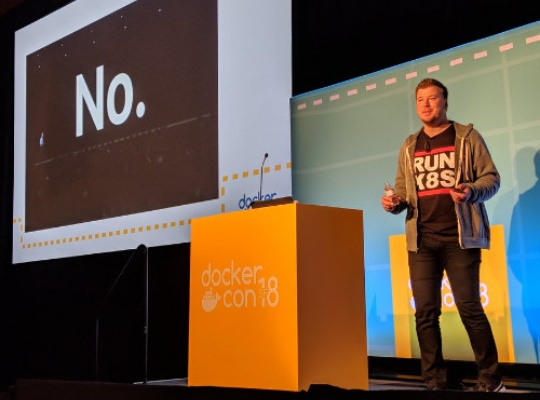
Secure Your AI Agents with Kernel-Level API Control
Your AI agents are generating code that no one owns, and that's a risk you can't ignore. Dan Finneran shows how eBPF can step in, intercepting API traffic at the kernel level to filter prompts, swap models, and enforce limits without touching your application code. It's a practical, transparent way to secure production systems. For more on questioning AI's output, our piece on verifying your AI's understanding offers a timely follow-up.
Explore how Aspire 13.5 refines your workflow with smarter tools and clarity.
Last week's release of Aspire 13.5 feels less like a routine patch and more like a deliberate step toward a smoother developer experience. The refreshed dashboard and aspire.dev homepage are welcome, but the real value sits in the details: file imports and progress dialogs in the Interaction Service, interactive terminals for resources, and Kubernetes persistent volumes with cross-scope Azure references in deployment. These aren't flashy additions. They're practical, quality-of-life improvements that reduce friction.
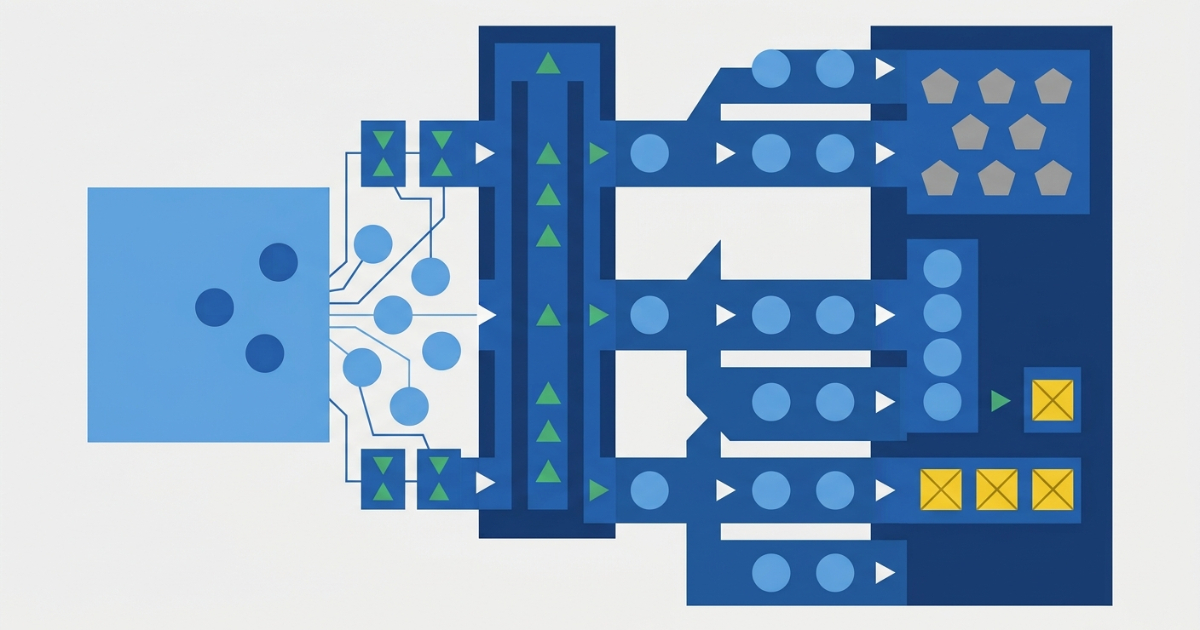
Mirror registries on your terms with Flux's declarative plugin
Flux Mirror gives teams a straightforward way to keep their software supply chain under their own control. This new CLI plugin, part of Flux v2.9, mirrors container images, Helm charts, and OCI artifacts between registries using a declarative configuration. The point is practical: keep Kubernetes clusters reconciling only from registries your team actually operates. That is a sensible, deliberate step toward reducing reliance on external sources.

Kubeflow Advances AI Toolkit Ahead of Cloud Native Foundation Milestone
Kubeflow's latest updates land with a clear purpose: making distributed AI on Kubernetes feel less like a heavy lift and more like a natural step forward. Kale 2.0's native Spark support and the expanded Trainer capabilities signal a project that's maturing with intent, not just adding features. As it nears Cloud Native Computing Foundation graduation, the momentum feels earned. If you're weighing how these shifts affect your own AI/ML workflows, our piece on *Navigating AI/ML Job Requirements* offers a practical counterpoint on the skills side.
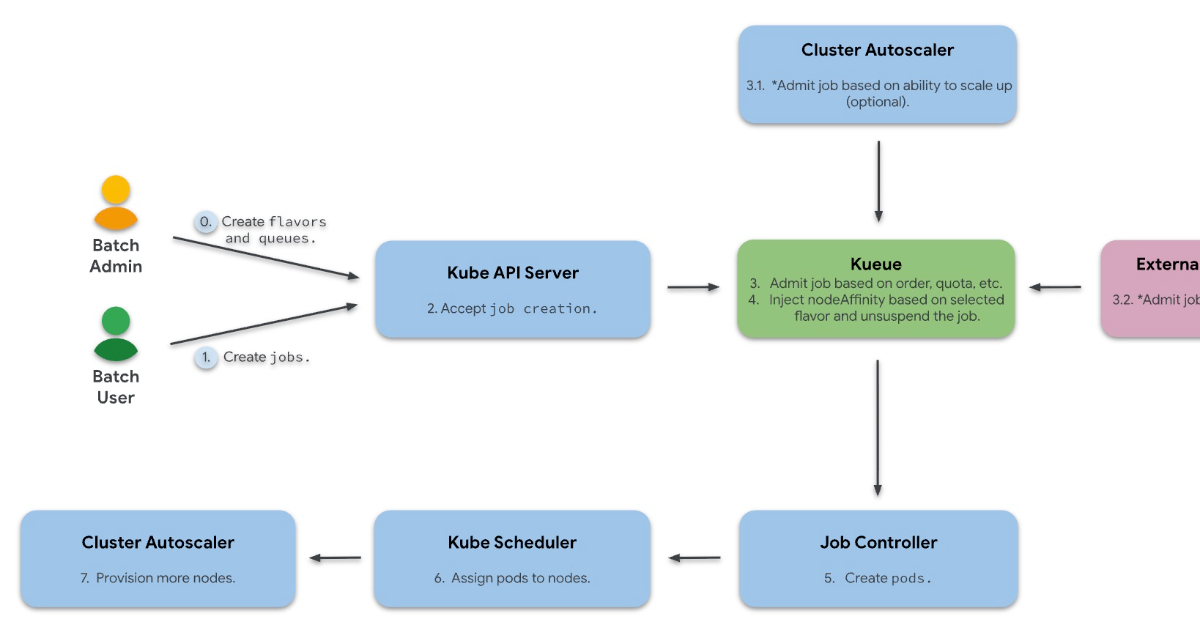
Netflix Migrates Batch Workloads to Open-Source Kueue, Retiring In-House System
Netflix has moved most of its batch workloads onto Kueue, an open-source cloud-native job queueing system that outgrew its in-house solution. The migration wasn't just about swapping tools; it let the company map existing capabilities while gaining new features that would've been costly to build internally. That's a pragmatic win. For those tracking similar infrastructure shifts, our piece on Cloudflare's EmDash migration offers another look at how open-source adoption pays off. Kueue's trajectory suggests the future of data management is increasingly shared, not siloed.

Rethinking AI agents on Kubernetes as efficient worker pods
Most teams assume each AI agent deserves its own Pod, but kagent challenges that instinct. Agents are bursty, short-lived, and often wait on human approval, making one Pod per agent a wasteful use of cluster resources. Instead, agent-substrate introduces a control plane that schedules logical Actors onto long-lived worker Pods. It's a smarter deployment unit, one that matches how agents actually behave. For more on scaling concurrent workloads, our piece on Modal's sandbox rebuild pairs well with this perspective.

Empower your team's models to move beyond the notebook.
The gap between a trained model and a deployed one is where most small teams lose momentum. One data scientist, tired of watching weeks of work stall in Jupyter notebooks, built SceptreAI to close that loop. It combines AutoML, MLOps, and Kubernetes serving into a single traceable workflow. The focus is practical: less time assembling infrastructure, more time answering whether a model is trustworthy enough for production. For teams tired of patching tools together, that clarity is the real value.

Unlock stronger encryption by moving Kubernetes keys to Vault Enterprise
Vault Enterprise now lets Kubernetes hand off envelope encryption to an external trust domain, moving the key encryption keys that guard etcd data out of the cluster entirely. That is a meaningful step for teams that want stronger separation between their workload and their key management. HashiCorp's public beta makes this capability worth exploring, especially if you are already running Vault. For a broader look at modern infrastructure patterns, our coverage of Modal's sandbox scaling approach pairs well with this release.

Observability without compromise: keep your AI agent data in your cloud.
AI agents are generating telemetry faster than most enterprises can afford to store it, and that tension is reshaping one of software's most competitive markets. groundcover's $100 million raise signals a bet that the old architecture, where vendors charge by data volume, no longer fits an AI-driven world. Its BYOC model keeps data in your cloud, priced by hosts, not ingestion. Whether that thesis holds is unclear. But it's a practical challenge to incumbents, and a compelling reason to rethink how observability should work.

Microsoft's three-layer architecture clarifies AI agent routing on AKS
Microsoft's new reference architecture for routing agent traffic on Azure Kubernetes Service tackles a practical headache: deciding which model answers a call, how that call is managed, and which GPU replica handles it. It's a clear-eyed breakdown of a messy problem. That kind of clarity matters, especially when AI feels like a black box.