large language model
Beyond Market Intelligence keeps large language model in one place: 48 stories so far. The section currently leads with “Your framework choice depends on what you are optimizing for”, “Smarter resource use: how batching transforms LLM performance”, and “Explore the New Data Science Roles Shaping AI-Native Workflows”. Choosing the right framework for your large language model application comes down to one question: what are you actually optimizing for? Four people heading to the same destination in separate taxis make four identical trips. Acme AI is the next-generation, AI-powered spreadsheet platform built to replace Excel and redefine how analysts, data scientists, and enterprise teams work… The list below is every large language model story on Beyond Market Intelligence, newest first.
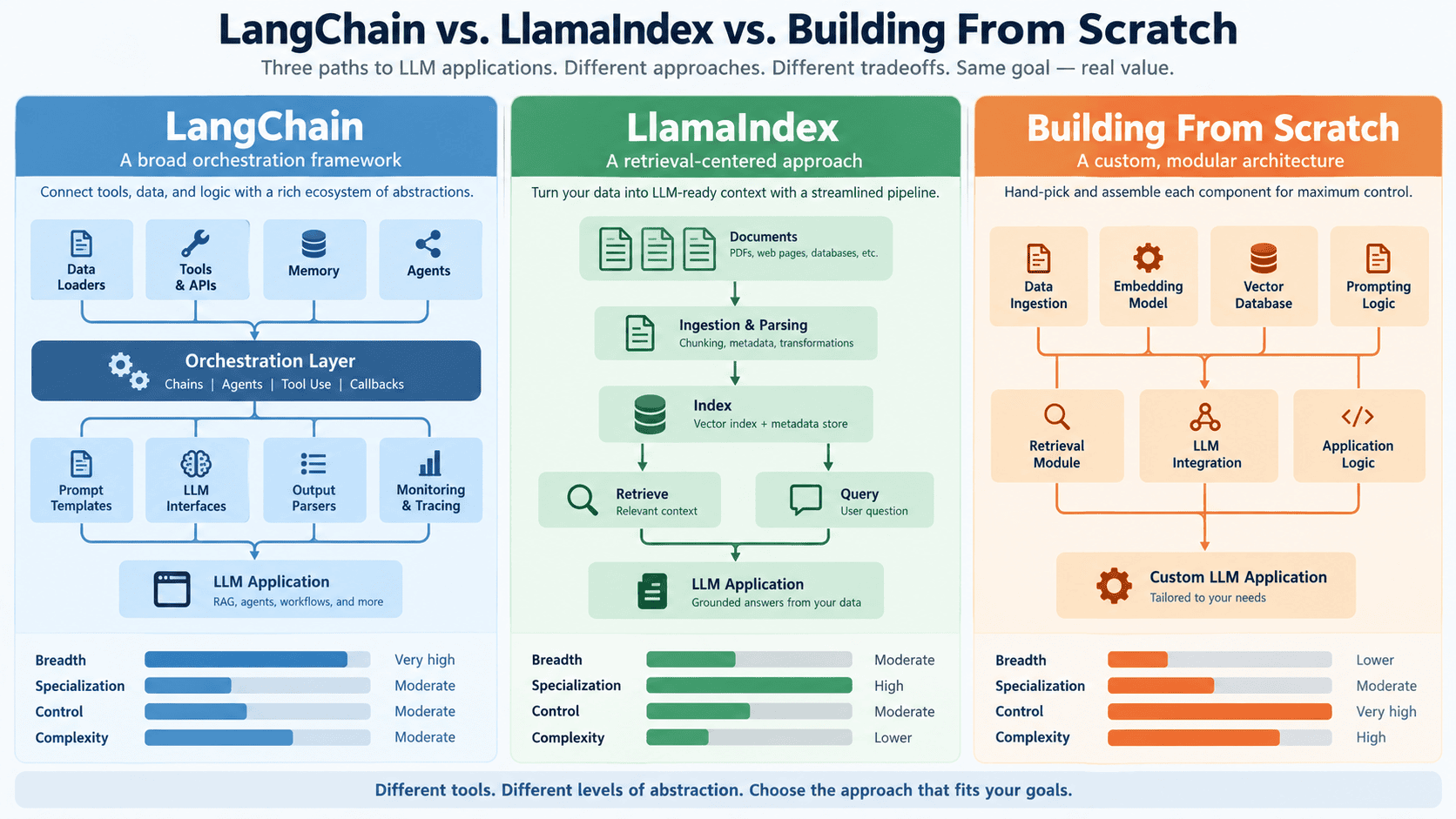
Your framework choice depends on what you are optimizing for
Choosing the right framework for your large language model application comes down to one question: what are you actually optimizing for? There is no universal answer. Speed demands different architecture than cost-efficiency or safety. That is the honest starting point. For a deeper look at how frameworks shape agent behavior, read our coverage of Google's EnvHarness, which dynamically adapts training environments to help AI agents learn from their own weaknesses.
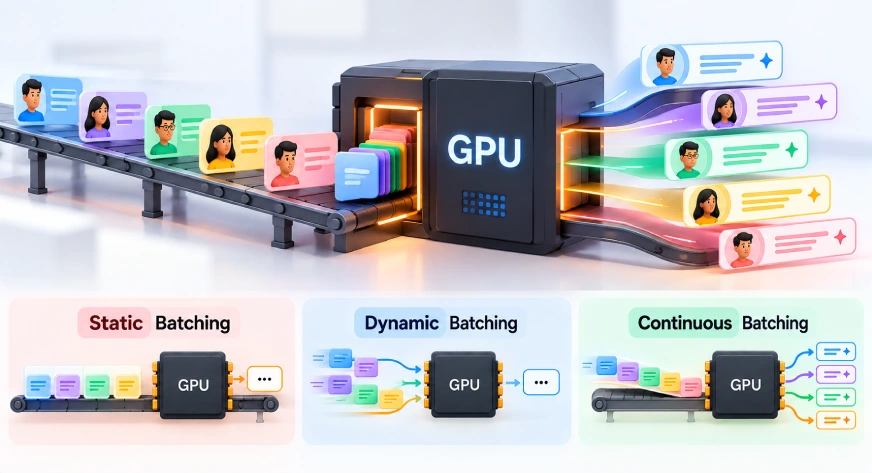
Smarter resource use: how batching transforms LLM performance
Four people heading to the same destination in separate taxis make four identical trips. Put them on a single bus, and everyone arrives together using far less fuel. That is the logic behind batching in large language models. Instead of processing one request at a time, the system groups them, sharing memory and compute across the batch. It is a smarter use of resources that makes AI faster and more efficient. For deeper coverage, explore how hierarchical routing cuts memory while preserving long-context accuracy.

Explore the New Data Science Roles Shaping AI-Native Workflows
The explosion of large language models has rewritten the job descriptions of data scientists, creating roles that didn't exist a few years ago. AI Engineers, Applied Scientists, and Forward Deployed Engineers are no longer niche titles, they are the architects of AI-native workflows. This exploration unpacks what each role actually does and why they matter now. For a deeper look at how AI reshapes research itself, see our related piece on defining real research in AutoResearch.
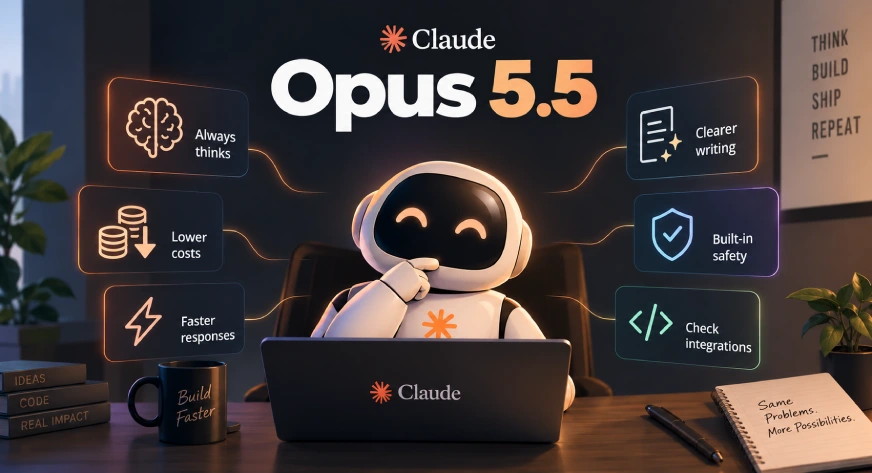
Unlock New Reasoning Power: A Deep Dive into Claude Opus 5.5
Claude Opus 5.5 reasons on every request, responds faster, and costs less to run. That combination is worth pausing over, because it points to a model designed for practical work rather than just benchmark bragging. Anthropic packed real upgrades into its latest flagship, and the implications for everyday data tasks are significant.

Anthropic's Opus 5.5 Delivers Fable Performance at a Lower Cost
Anthropic says Opus 5.5 is the strongest model it has tested to date, and the headline numbers back that up with a welcome twist: this level of fable performance arrives at a lower cost. That matters for teams who have been waiting for serious AI capability without the usual premium. We see this as a practical step forward for data work, not just a spec sheet win.

Anthropic unifies Claude chat and Cowork into a single interface
Anthropic is merging Claude chat and Cowork into a single interface, and the company is rolling this out to Pro and Max subscribers first. That's a smart move, because it acknowledges power users who want a cohesive workspace rather than juggling separate tools. We see it as a practical step toward simplifying how you interact with AI, not a flashy overhaul. If you are curious about how AI handles structured tasks, our piece on paragraph structure in LLMs offers a useful parallel.

Salesforce Koa brings focused AI reasoning to sales and support work
Salesforce just turned the enterprise AI conversation on its head. Koa, built on Nvidia's open-weight Nemotron model, is trained specifically for sales, marketing, and customer support. That focus is what makes it dangerous. General-purpose reasoning models chase breadth; Koa chases outcomes. It doesn't just answer questions, it acts on the workflows teams already live in. For AI labs betting on abstract intelligence, this is a wake-up call. Practical, task-driven reasoning wins. Curious how such systems are trained? Our guide to distributed algorithms covers the groundwork.
Explore how AI transforms spreadsheet work beyond endless copy and paste.
Copy-paste hell is a familiar grind, but it doesn't have to be your default workflow. I asked Fable 5.1 and GPT-6 Astra to pull me out of that loop, and the results genuinely surprised me. Both tools brought distinct strengths to the table, turning a tedious chore into something almost elegant. It's a practical glimpse at how AI can reshape daily tasks, and if you're curious about broader AI applications, our piece on real-world computer vision pairs nicely with this exploration.
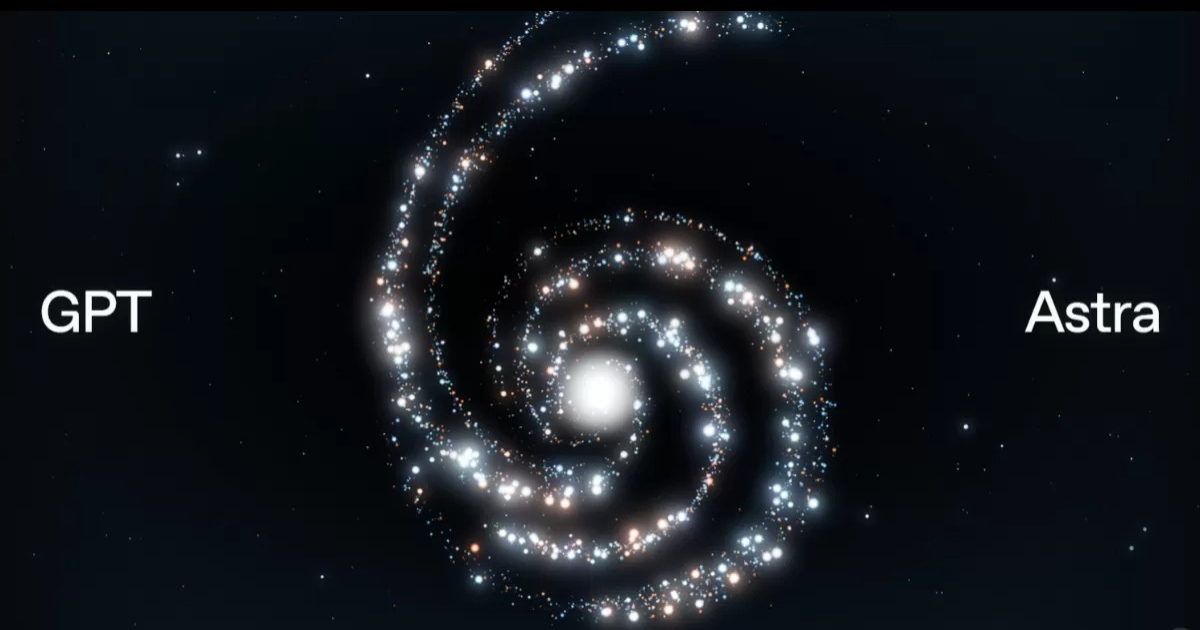
Explore how GPT-6 Astra transforms coding and agentic workflows.
OpenAI's GPT-6 Astra lands with a clear focus: coding, computer use, and long-running agentic tasks. That's a meaningful step beyond the usual model drop. It signals a shift toward practical, sustained work rather than quick prompts. For anyone who has felt the ceiling of traditional spreadsheets or legacy tools, this is the same spirit we champion: making complex systems feel manageable. If you're curious about how AI handles structure, our piece on paragraph navigation in LLMs pairs well with this release.

Discover how AI transforms data work into intuitive conversations
Asking Astra to handle a task is a reasonable impulse, but it deserves a moment of reflection first. The real question is whether you trust the output enough to act on it. We see AI as a tool for empowerment, not a substitute for judgment. It can streamline the mundane, but you remain the decision-maker. For those wanting to understand the underlying mechanics better, our guide on distributed algorithms offers a solid starting point.

Protect your Claude account from unauthorized token theft
A Claude user recently watched his account burn through tokens while he wasn't even working. That's not a glitch; that's a breach. Anthropic has since warned subscribers that hackers are actively stealing credentials, a quiet but urgent reminder that AI access is now a target. This isn't about paranoia, it's about protecting your workflow. If you're managing sensitive data, this should push you to lock down your access now.
Discover how AI handles the admin work you thought only humans could do.
Twenty hours of admin work handed to GPT-6 Astra sounds like a dare, but it's a smart test. The point isn't whether AI can do the job. It's about noticing which tasks resist automation entirely. You'll find the real value in what the model stumbles on, not what it finishes. That boundary is worth mapping. For a sharper look at how we check machine understanding, read "Verify Your AI's Understanding: A Simple Check for Tax Season." It pairs well with this experiment.
AI Evolves: GPT-6 Astra Redefines Data Exploration.
GPT-6 Astra isn't just another step forward; it's a leap into how we interact with data. This new model doesn't merely answer questions, it explores the relationships hidden in your spreadsheets, turning raw numbers into narratives you can act on. For anyone who has felt buried under columns and formulas, this is an invitation to work smarter, not harder. We're eager to see how you'll use it.

When AI advice overlooks the human need for preparation
A pair of hikers recently needed rescue after following Google Gemini's advice on trail provisions. The sheriff's office noted Gemini told them to bring far less food and water than their group required. It's a sharp reminder that AI can't fully grasp real-world variables. We're all for exploring new tools, but planning decisions should lean on human judgment. For more on AI's reach, check out our piece on Waymo's Texas Fleet Grows Significantly, Reflecting Rapid Expansion.
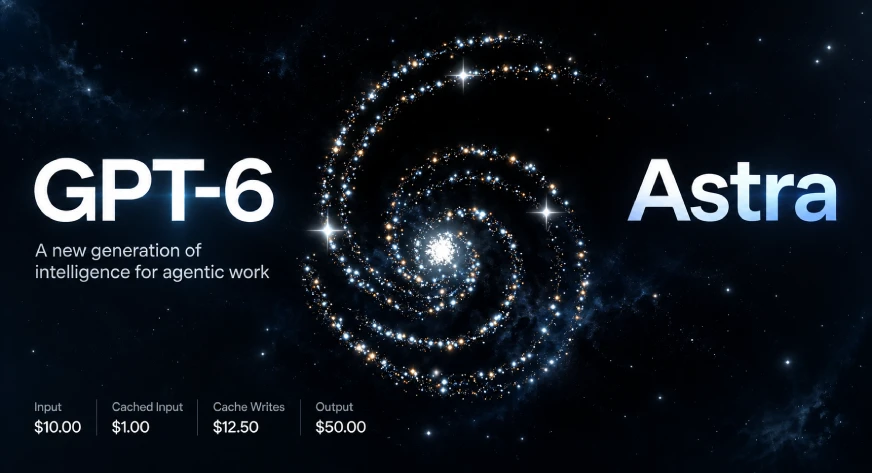
OpenAI's GPT-6 Astra Does More Than Just Answer Questions
OpenAI's GPT-6 Astra arrives barely a week after Anthropic's Claude Fable 5.1, yet its claim is bolder than a release date. OpenAI calls it the world's most intelligent and aligned model, but the real shift is simpler: Astra is built to do more, not just answer more. That distinction matters if you're tired of tools that talk well but act limited. For deeper context on how models handle real-world tasks, our piece on computer vision deployments pairs well here.
Discover how AI turns code into a film in under a minute.
A 37-second film is a tight constraint, and Claude Fable 5.1 is making waves by turning a code challenge into a miniature cinematic moment. It's a clever stress test, one that shows how far AI has come in handling creative, time-bound tasks. We're watching a shift in what's possible, and it's worth exploring how these models handle pressure. If you're curious about the mechanics behind such feats, our guide on distributed algorithms offers a solid foundation.

Explore how sharing your AI prompts unlocks a deeper discount.
Meta is offering a steep discount on its Muse Spark model, roughly 95% off, to users who share their prompts and outputs. It's a straightforward trade: your usage data helps train future iterations, and you pay far less in return. That's a pragmatic deal, though it does raise a fair question about what your contributions are worth. For a deeper look at how AI agents are being deployed in practice, our piece on real-world computer vision offers useful context.

Anthropic's Fable 5.1 lowers costs while easing model safeguards
Anthropic's Fable 5.1 release takes a meaningful step toward removing the friction that often comes with advanced AI. By cutting token costs and easing false-positive restrictions, the update directly addresses two frustrations that slow down real work. That is a practical move, and a welcome one for teams who want capability without constant guardrails. It pairs nicely with our coverage of Anthropic's broader infrastructure bets, like the Akamai deal, showing a company thinking about both scale and usability.
Let your spreadsheet define done before your data makes the choice.
Most of us assume our AI agent knows what we want. It does not. It will happily define success for you, often in ways you never intended. We build these systems to be efficient, yet we skip the one step that matters: clarity. If you are tired of guessing why your agent made a call, you will find this exploration of unspoken assumptions essential. It is a practical look at a problem we all share.
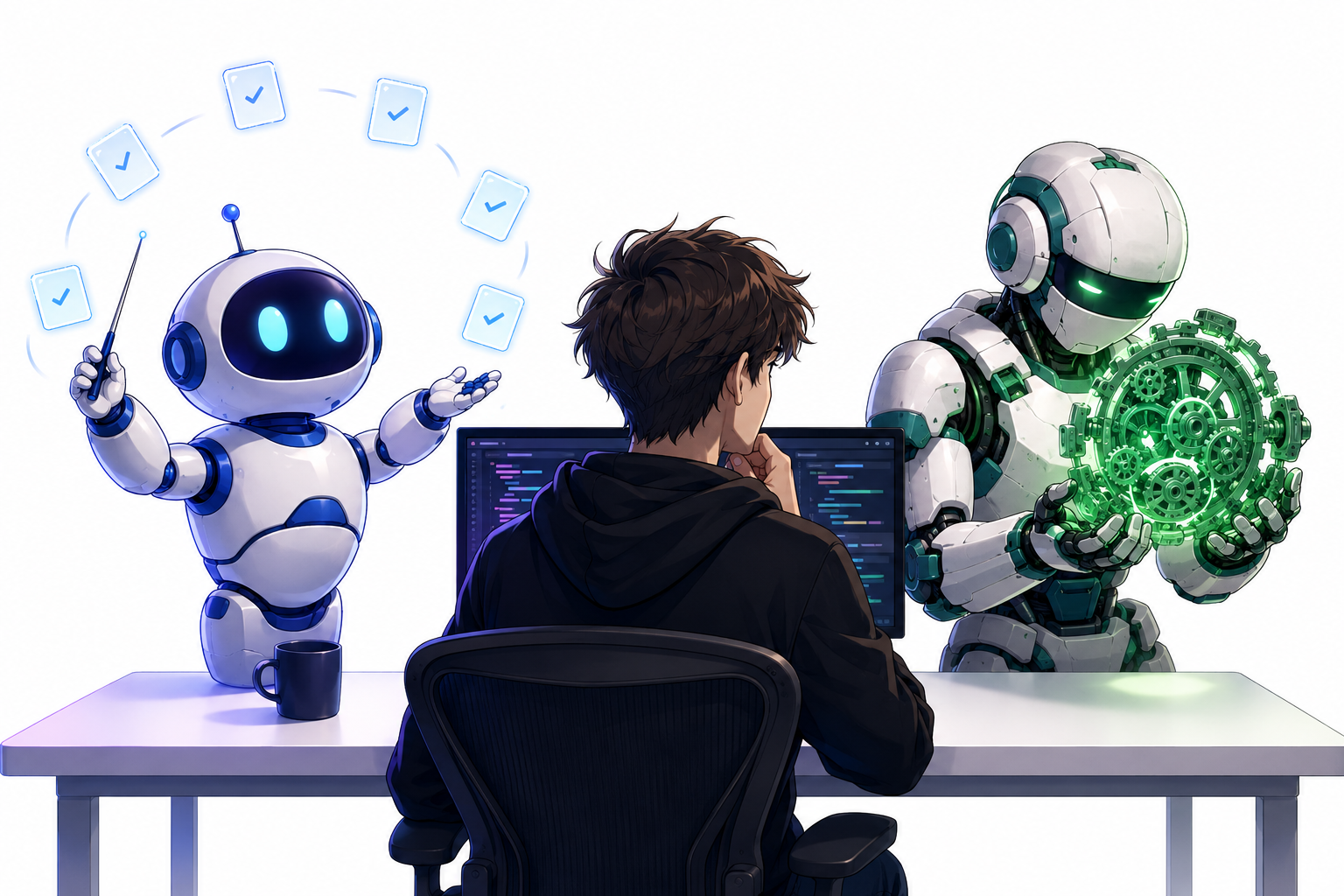
Choose Your Coding Agent: A Practical Guide to Claude and Codex
Choosing the right coding agent can feel like navigating a maze, especially when both Claude Code and Codex promise to streamline your workflow. This guide cuts through the noise, offering a clear breakdown of where each tool shines. It's a practical read for anyone tired of guessing which assistant fits which task. I appreciate how it prioritizes real-world application over hype.

OpenAI brings ads to ChatGPT's free and Go tiers in India
OpenAI is bringing ads to ChatGPT's free and Go tiers in India, a move that puts its 100 million weekly active users in the country front and center. That's a massive audience, and monetizing it makes sense, but the challenge is doing so without compromising the clean, focused experience users expect. Ads can work if they feel native and useful, not intrusive. For deeper context on how AI models handle structure and meaning, explore our piece on paragraph structure in LLMs.

Claude now remembers your preferences across every conversation
Claude Cowork no longer makes you repeat yourself. Anthropic is rolling out shared memory across chat and Cowork, so the context you provide in one place carries into the other. That means less time re-explaining project details and more time letting the work flow. It is a practical step toward tools that actually listen. For more on where AI interactions can get complicated, our piece "Talking to My AI Clone Taught Me to Question the Tech" offers a useful counterpoint.
Explore how Kimi K3 makes powerful AI more accessible and affordable.
A 2.8-trillion-parameter model that only activates a fraction of its weights per token sounds like a paradox, but that's exactly what makes Kimi K3 interesting. Moonshot AI built it with a Mixture-of-Experts architecture to keep inference costs down while pushing coding and agentic performance. It's a practical alternative to proprietary systems, especially when you weigh open weights against near-frontier capability. We think that trade-off is worth exploring.

Turn a single Slack message into an AI agent team that works for you.
Typing a message to spin up an entire team of AI agents, each with its own avatar, skills, and memory, sounds like the kind of thing that usually takes weeks of engineering. NanoClaw's new Slack integration makes it a single prompt. More importantly, it keeps the infrastructure on your hardware, so your data stays yours. This is how persistent, self-hosted digital coworkers become practical. If you're wrestling with how LLMs handle structure, our piece on paragraph navigation is worth a look.