large language models
Beyond Market Intelligence keeps large language models in one place: 112 stories so far. The section currently leads with “Explore Scikit-LLM for Practical Few-Shot Text Classification”, “From Model to API in One File: Flama's AI Architecture Now on arXiv”, and “Small models trained from scratch are outperforming standard LLMs: here's how”. Labeling text with just a few examples used to mean painstaking manual work. Flama's new arXiv paper makes a compelling argument: a model should be a file, not a deployment puzzle. Acme AI is the next-generation, AI-powered spreadsheet platform built to replace Excel and redefine how analysts, data scientists, and enterprise teams work… The list below is every large language models story on Beyond Market Intelligence, newest first.
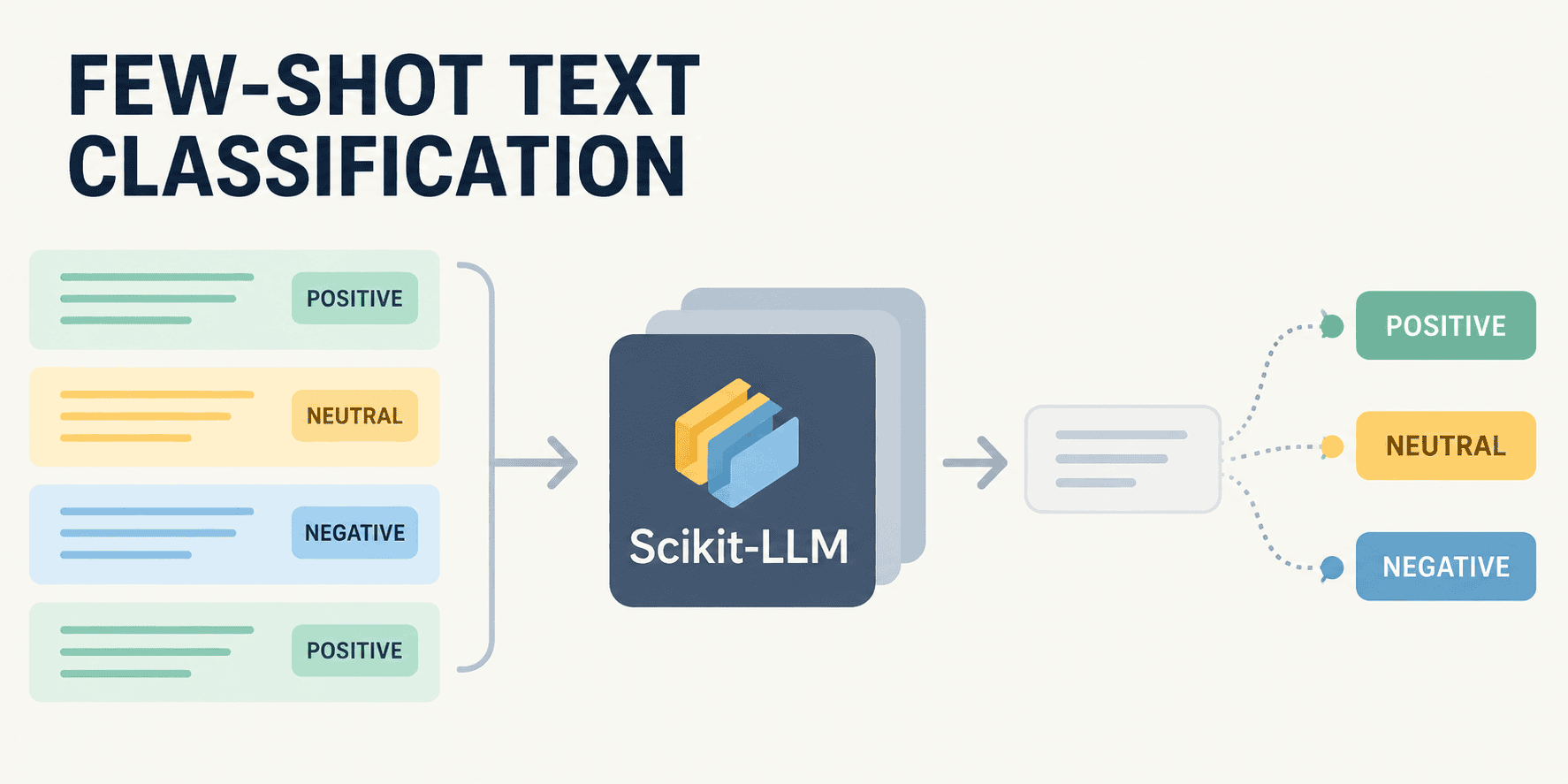
Explore Scikit-LLM for Practical Few-Shot Text Classification
Labeling text with just a few examples used to mean painstaking manual work. Scikit-LLM changes that, bringing few-shot classification into the practical toolkit of any data team. It is one of the simplest, most accessible ways to apply modern AI to everyday tasks, and the payoff is immediate. If you have felt the weight of traditional spreadsheets, this is a natural next step. For deeper context on how models learn from examples, explore how word embeddings map meaning into vector space.

From Model to API in One File: Flama's AI Architecture Now on arXiv
Flama's new arXiv paper makes a compelling argument: a model should be a file, not a deployment puzzle. Packaging weights, artifacts, and metadata into a single `.flm` means you can inspect, score, and promote a model without spinning up a server. The same file runs on vLLM or MLX depending on your hardware. That's practical engineering. And for those building agents, the connection to escalation logic in our related piece on smarter AI agents is worth exploring.
Small models trained from scratch are outperforming standard LLMs: here's how
Small models trained from scratch are quietly outperforming standard LLMs on targeted tasks, and the architecture behind them deserves attention. The Universal Transformer replaces stacked layers with recurrent loops that refine token representations through shared computation, a simpler approach that scales with depth rather than parameter count. What's striking is that these models don't need internet-scale pre-training to win. The real question is whether frontier labs have already folded these enhancements into production systems, or if this research remains ahead of its time.
Exploring Smarter Paths to Text Clustering With Large Language Models
Traditional clustering methods like K-means and DBSCAN often reduce documents to word-by-word matching, leaving procedural similarities undiscovered. That is the exact gap this researcher is targeting by turning to large language models for text clustering. It is a practical reframing of an old problem, and the ambition is clear: group documents by meaning, not just vocabulary. For anyone wrestling with messy, template-heavy datasets, this exploration feels timely. It may not promise perfection, but it points toward a smarter path worth watching.
Unlock ChatGPT for Work: A Practical Guide to Getting Started
Most spreadsheet users hit the same wall: asking for help feels like learning a second language. This guide cuts through that friction, showing how to frame prompts that turn ChatGPT into a practical work partner. It's not about hype; it's about clear, repeatable steps. For a deeper look at the underlying mechanics, our piece on distributed training algorithms offers useful context. Start where you are, and let this walk you toward sharper, more efficient workflows.

Anthropic’s Biology Lab: Human Oversight Drives Early Discoveries
Anthropic's biology lab is making early discoveries, but the real headline is quieter: Claude isn't running free. Humans remain firmly in the loop, and that restraint is exactly what makes this work worth watching. It's a thoughtful counter to the usual rush toward full autonomy. We appreciate the discipline here; it signals maturity over hype. If you're curious how AI handles oversight in other high-stakes settings, our piece on real-world computer vision deployments offers a useful parallel. For now, this measured approach feels right.

Fueling AI Innovation: Snorkel AI Secures $350M Series E
Snorkel AI has raised $350 million in a Series E round, a clear signal that the market is ready for a more practical path to AI development. The seven-year-old startup is betting its future on a data-as-a-service model, which speaks to a core truth: models are only as powerful as the data fueling them. This funding validates that approach. For anyone wrestling with messy datasets, this is worth watching.

When AI Misleads, Human Judgment Must Lead
A military operation nearly triggered by AI hallucination is a stark reminder that large language models carry uncertainty we cannot afford to ignore. A GovAI research scholar rightly warns that service members must understand this inherent unpredictability. The stakes are too high for blind trust in generated outputs. For those building or deploying these systems, grasping the fundamentals of how they function is essential. Our practical guide, "Unlock LLM Training: A Practical Guide to Distributed Algorithms," offers a grounded starting point for that deeper understanding.

Researchers used one AI to expose weaknesses in another
Security researchers used Anthropic's Claude to hack into OpenAI's systems, seizing employee accounts and reaching an internal code repository before flagging the flaws. That's a striking twist: one frontier lab probing another's defenses. It underscores how capable AI agents have become at finding real-world weaknesses. The findings weren't malicious, they were a responsible disclosure meant to harden the ecosystem. As AI tools grow more autonomous, this is the kind of stress test we need.
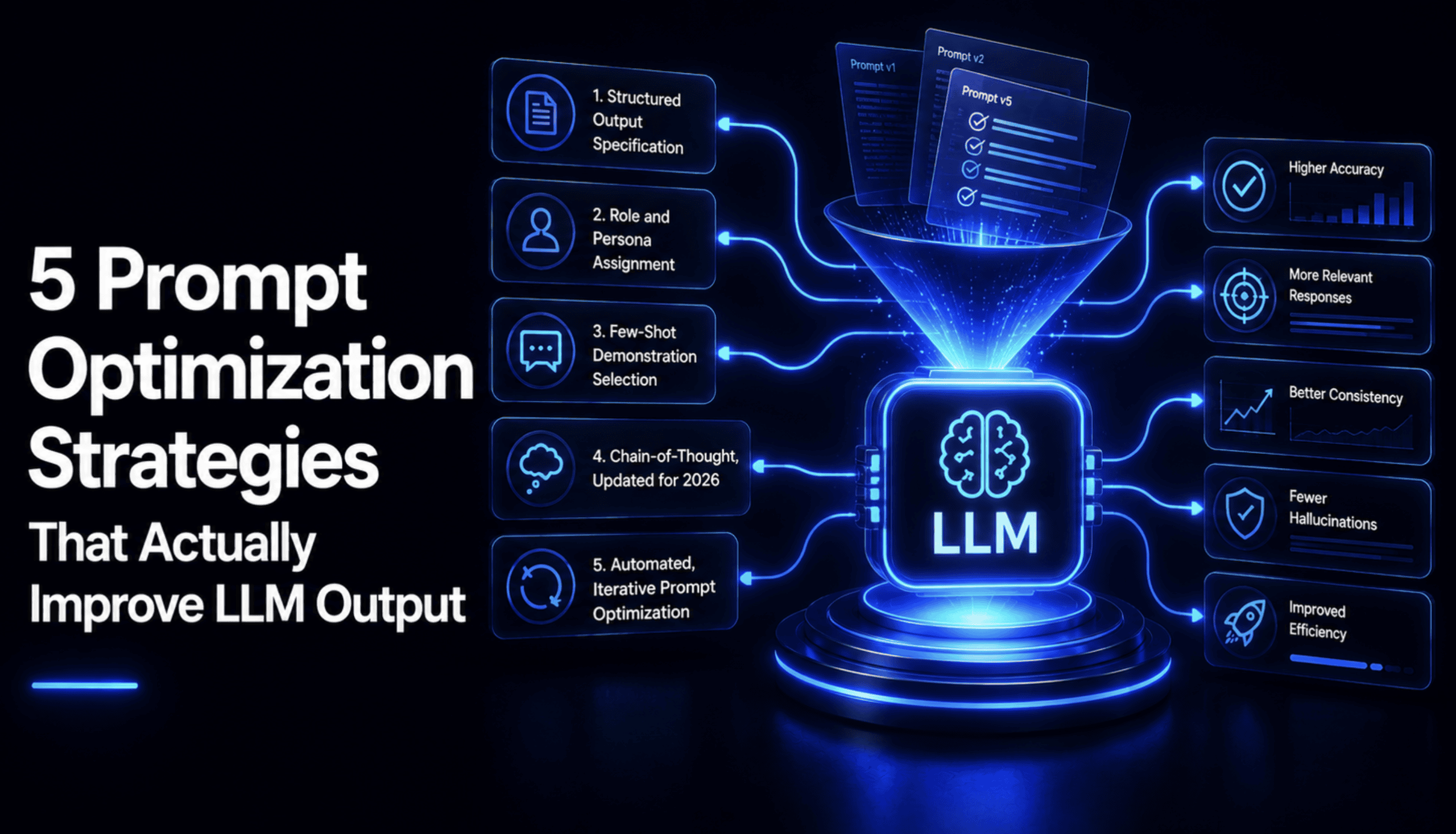
Five Strategies to Sharpen Your Prompts for Better LLM Results
Struggling to get consistent, high-quality responses from your LLM? You're not alone. The difference between vague answers and sharp insights often comes down to how you ask. This piece breaks down five practical strategies, from few-shot prompting to chain-of-thought, that genuinely move the needle. It's about making structured outputs feel natural, not forced. For a deeper look at the underlying mechanics, our guide to distributed training is a solid companion. Ready to refine your approach? Let's get into it.
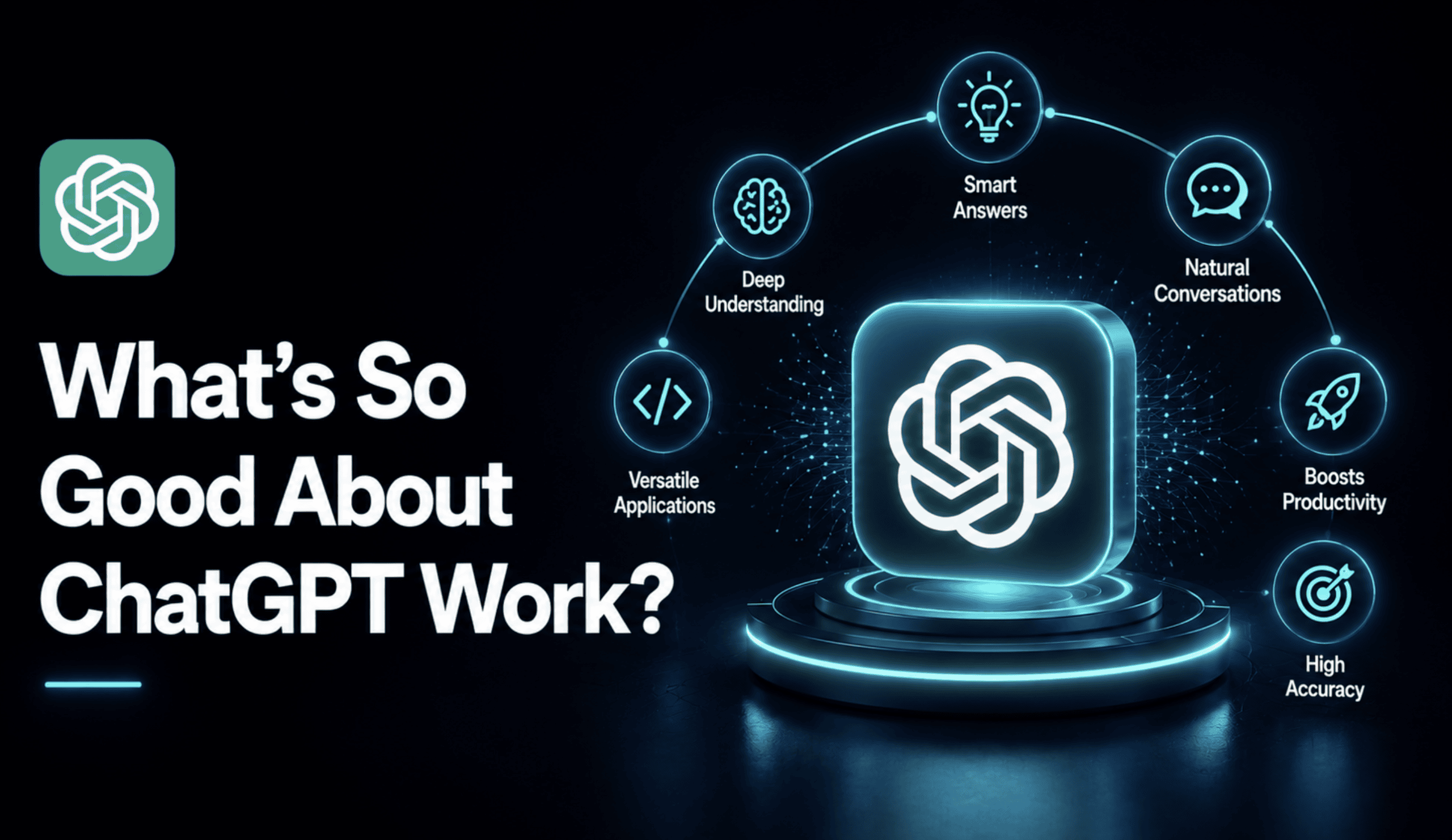
Unlock ChatGPT Work's Potential: A Clear-Eyed Look at Strengths & Limits
ChatGPT Work gets credit where it's earned, but a clear-eyed look matters more than hype. It's a capable tool that simplifies real workflows, yet its limits are just as instructive as its strengths. The models behind it hold their own in many comparisons, but honest assessment beats blind praise. For anyone weighing adoption, this piece cuts through the noise. Curious how verification fits into that picture? Check out "Verify Your AI's Understanding: A Simple Check for Tax Season" for a practical angle.

DeepMind opens AGI debate to the public, inviting broader perspectives
Google DeepMind just launched an institute to hash out the big AGI questions in public. That's a move worth watching, because the debate around artificial general intelligence has too often lived in echo chambers. Opening it up invites sharper thinking, not softer answers. For anyone already exploring how AI reshapes daily work, this feels like a natural next step. It pairs well with our guide, "Unlock ChatGPT for Work: A Practical Guide to Getting Started," which shows how these ideas land in practice.

Keeping up with faster AI agents requires smarter oversight tools
AI agents are being handed longer, more complex tasks, but their speed creates a blind spot: they act faster than any human can review. That gap is the real problem, and the solution feels counterintuitive. We need more AI to oversee it. Not to replace human judgment, but to keep pace with the machine's output. It's a pragmatic step toward making autonomy safe. For a deeper look at how these systems behave in the wild, our piece on shared user images highlights the stakes.
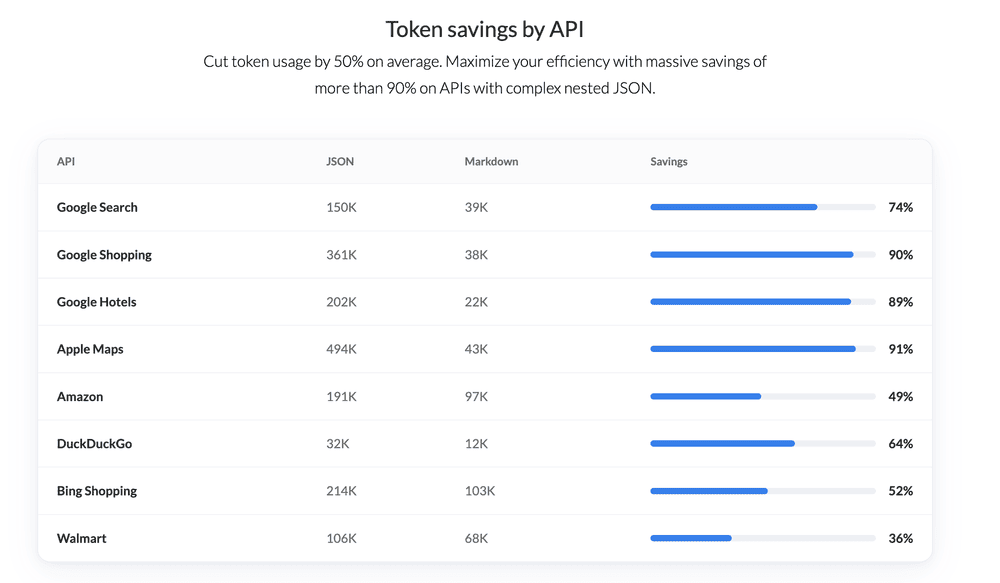
Reduce Search Result Tokens by 74% with Smarter Data Structuring
A single search result can quietly consume thousands of tokens, and that weight adds up fast when you're paying for every call. SerpApi's Markdown output tackles this directly, trimming usage by up to 74% by stripping away the noise and keeping only what matters. That's a meaningful reduction in context-window overhead and agent costs. It's the kind of practical efficiency that pairs well with the broader optimization thinking in our guide to distributed training.
Exploring collaborative paths to safer AI development
OpenAI confirms it has spent weeks in AI safety talks with Anthropic and Google DeepMind, even as Trump's team waves off those concerns and pushes to outpace China. That tension matters. When the people building the models invite their closest competitors into the room, they are admitting the stakes are shared. Safety is not a side project here. It is the conversation. For a deeper look at how these systems actually learn, our guide to distributed training is worth your time.

Choosing the Right AI Agent Shape for Your Data Work
Choosing between a single model and a team of agents isn't about picking a winner. It's about matching the shape of the tool to the shape of the problem. Codex fits cleanly when the problem is well-defined, Claude Code makes more sense for open-ended exploration, and splitting five specialist agents across dense AI capacity work handles complex, multi-step tasks. It's a practical, grounded look at decision-making that most teams face too early. If you're weighing similar trade-offs, this offers a clear framework worth exploring.

How One Capital Letter Can Break Your AI Support Bot
A single uppercase letter can quietly break an AI support bot, and the culprit wasn't the new model. This real Weave project regression-tests three OpenAI models against the exact reply format your app depends on. It's a sharp reminder that precision matters more than model size. If you're building on these tools, this is the kind of detail worth verifying early. For a related angle, our piece "Verify Your AI's Understanding: A Simple Check for Tax Season" offers a practical parallel.

Discover how AI redefines your spreadsheet workflow through a simple experiment
When I ran Fable against Astra, the gap between them wasn't subtle. Fable handled the workflow with a fluidity that felt natural, while Astra demanded more patience. It's a reminder that AI tools aren't interchangeable; they carry distinct personalities. For anyone weighing similar choices, I'd point to our earlier piece on the Forrester function. It's a different lens, but it reinforces how small mathematical insights can sharpen your evaluation of these systems. The experiment didn't just compare outputs; it exposed what each model prioritizes.

Moonshot AI sets sights on $2 billion revenue as K3 daily token use stays strong
Moonshot AI is setting its sights on $2 billion in annual revenue, and the numbers suggest it's more than ambition. OpenRouter data shows K3 models generating as many as 300 billion tokens daily, even as usage has dipped slightly in recent months. That scale signals real traction, though the dip raises questions about staying power. Growth like this isn't accidental, but it's also not guaranteed.

LinkedIn's AI Job Search: Smarter Ranking from a Compact Model
LinkedIn's latest work on AI job search hinges on a clever trade: compress big model knowledge into a compact 0.6B-parameter ranker using multi-teacher distillation. The result is a ranking system that trains eight times faster without sacrificing the nuance users need. That's practical innovation, not hype. It also signals where model efficiency is heading, a theme we explore further in our guide to distributed training algorithms. For now, this is a smart reminder that smaller, faster systems often deliver the most meaningful productivity gains.

Anthropic reveals ongoing AI distillation campaigns from Chinese competitors
Anthropic's new report alleges that China-based AI firms, including Alibaba, Moonshot AI, and DeepSeek, have ramped up distillation attacks in recent months, intensifying as competition heats up. It's a pointed reminder that the race to build better models carries real security costs. Distillation isn't inherently malicious, but persistent, unauthorized scraping of this scale demands attention. For teams navigating AI's practical side, understanding these dynamics matters as much as mastering the underlying algorithms.
Code Smarter by Clarifying Intent with AI Agents
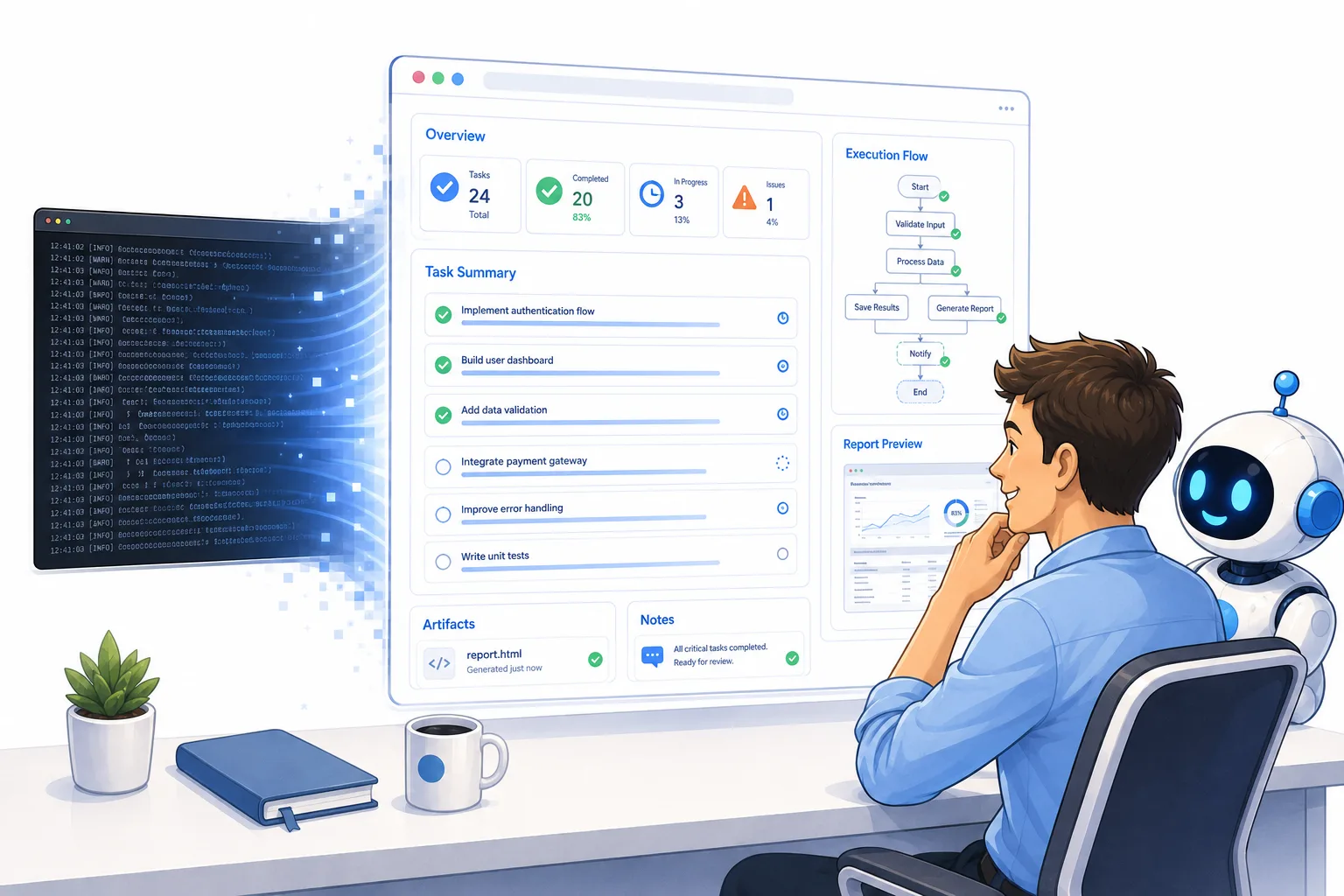
Tired of repeating yourself to Claude Code, only to watch it misinterpret your intent? This guide cuts through the noise, showing you how to communicate with your coding agents in a way that actually gets results. It's not about more prompts, but sharper ones. For a deeper dive into how AI handles complex tasks, explore the Forrester Function piece. Your workflow deserves better than guesswork.
Discover How One AI Platform Can Streamline Your Current Tool Stack
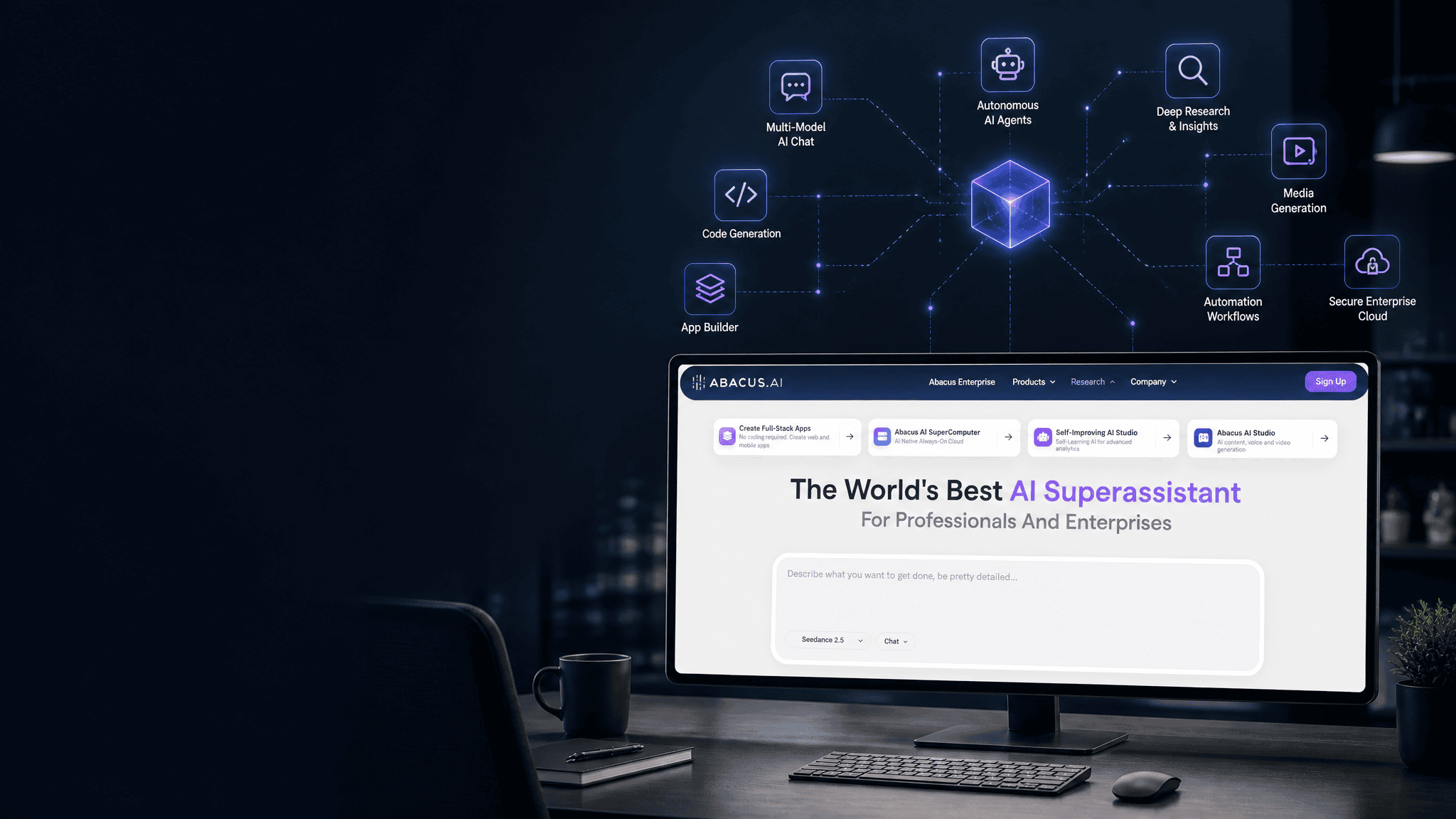
If you're juggling separate subscriptions for ChatGPT, Claude, and another AI tool, the cost adds up fast. This review of Abacus AI asks whether an all-in-one platform actually delivers on its promise. It gets practical, breaking down what the platform includes and how the credit system works in real use. The verdict? It may genuinely replace your stack, not just add to it. For a broader take on AI's momentum, our piece on Meta's Muse AI Agent offers useful context.
Seven Techniques to Train LLMs on Consumer Hardware
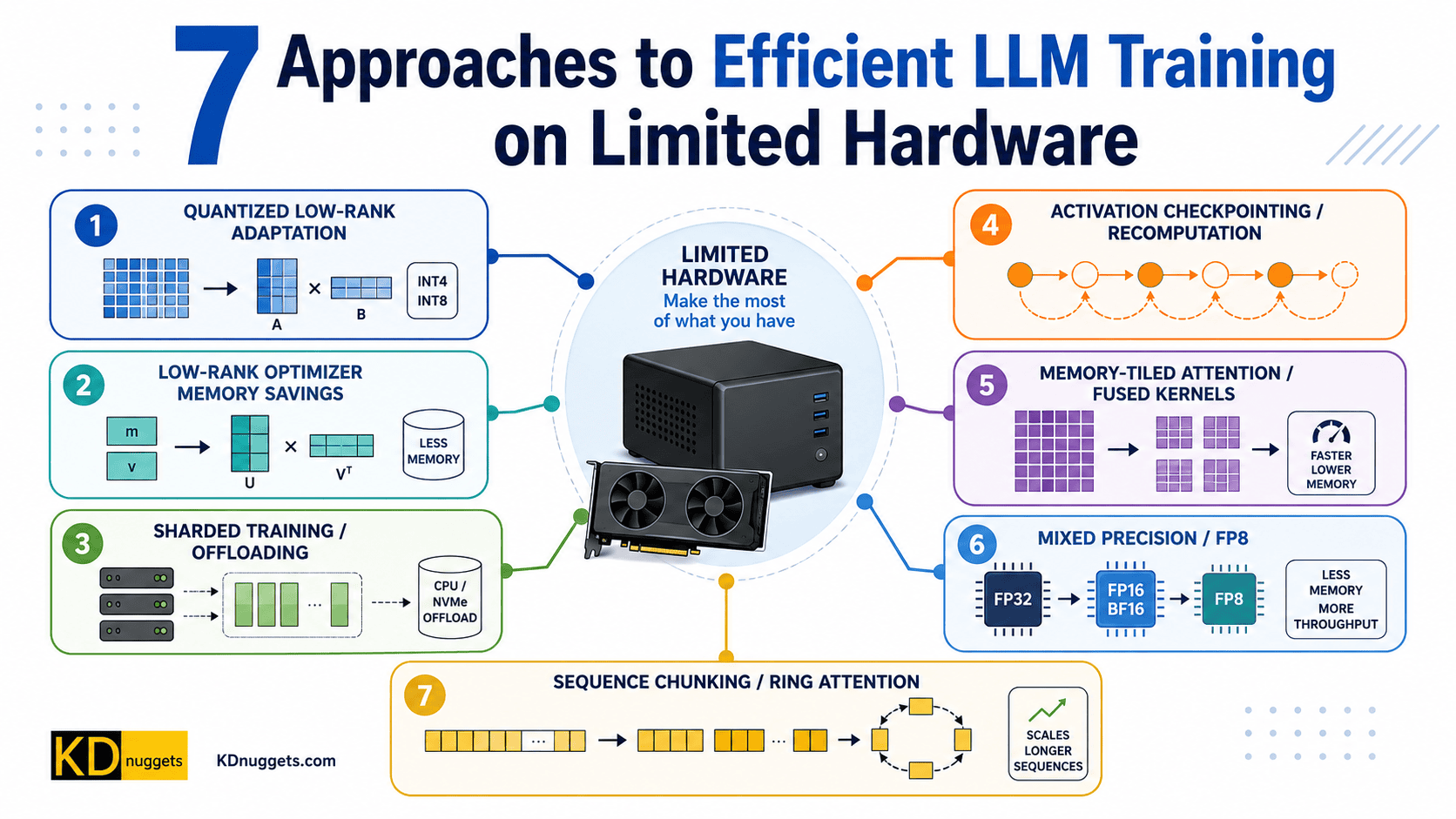
Training a large language model used to mean renting a server farm or settling for someone else's API. This guide challenges that assumption with seven practical engineering techniques for consumer GPUs, proving that memory limits are a constraint to design around, not a wall. It's a grounded, hands-on read for builders who want the control of training their own models.