learn
10 stories filed under learn on Beyond Market Intelligence. The newest of them: “Connect Your Data's Hidden Links with Graph-Enhanced AI Tools”, “Fine-Tune LLMs on a Budget With These Five Practical Techniques”, and “Five Docker Containers That Power a Practical Home AI Lab”. A single fact your spreadsheet misses can unravel an entire analysis. Fine-tuning large language models doesn't have to drain your budget. Acme AI is the next-generation, AI-powered spreadsheet platform built to replace Excel and redefine how analysts, data scientists, and enterprise teams work… The list below is every learn story on Beyond Market Intelligence, newest first.
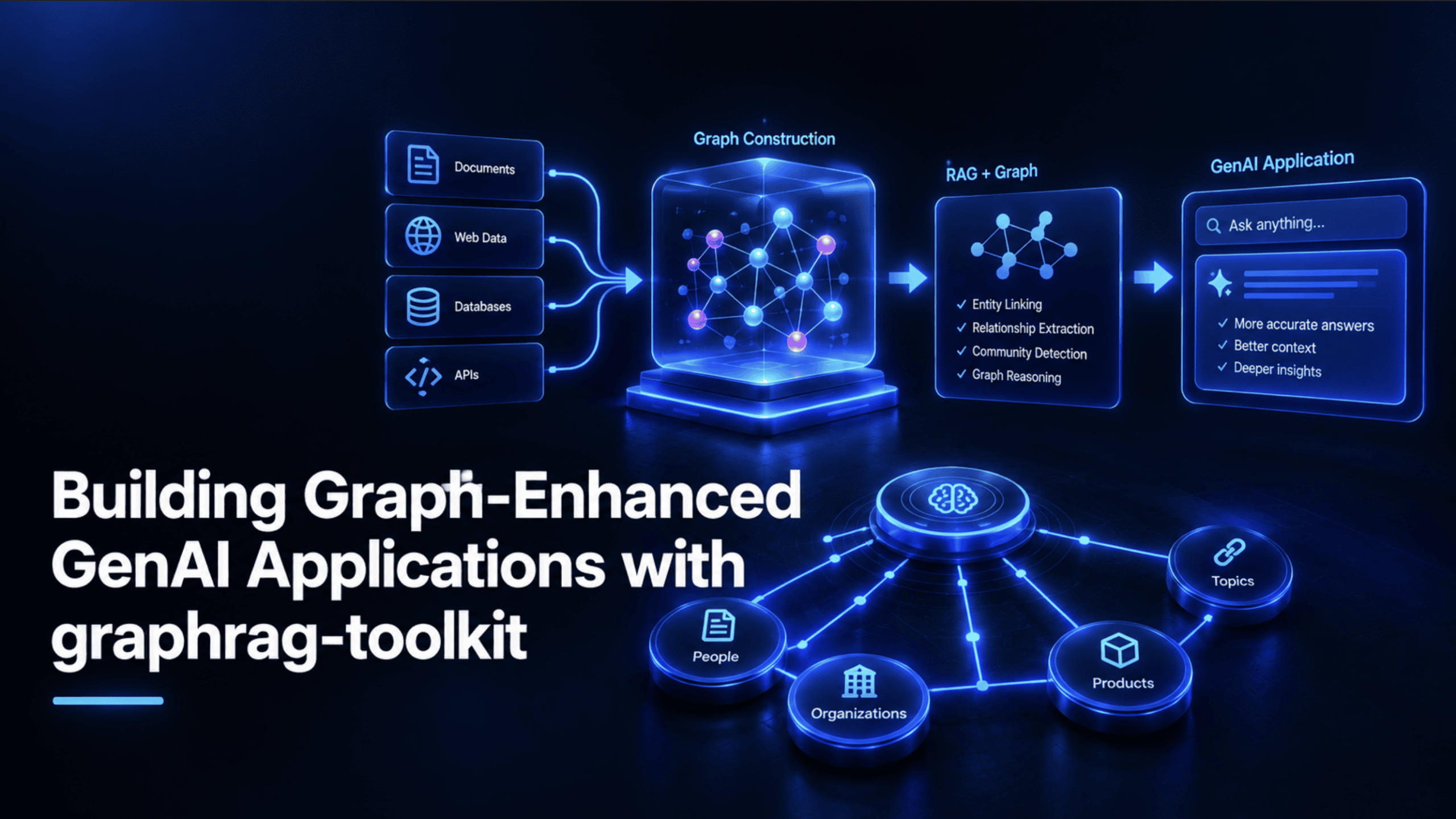
Connect Your Data's Hidden Links with Graph-Enhanced AI Tools
A single fact your spreadsheet misses can unravel an entire analysis. Plain vector search treats data like scattered puzzle pieces; graph-enhanced RAG connects them into a coherent picture. That's the idea behind a new multi-hop research assistant built with AWS Labs' graphrag-toolkit, Neo4j, and pgvector. It surfaces relationships that would otherwise stay hidden. If you're curious how AI can transform your data workflow, this is a practical place to start.
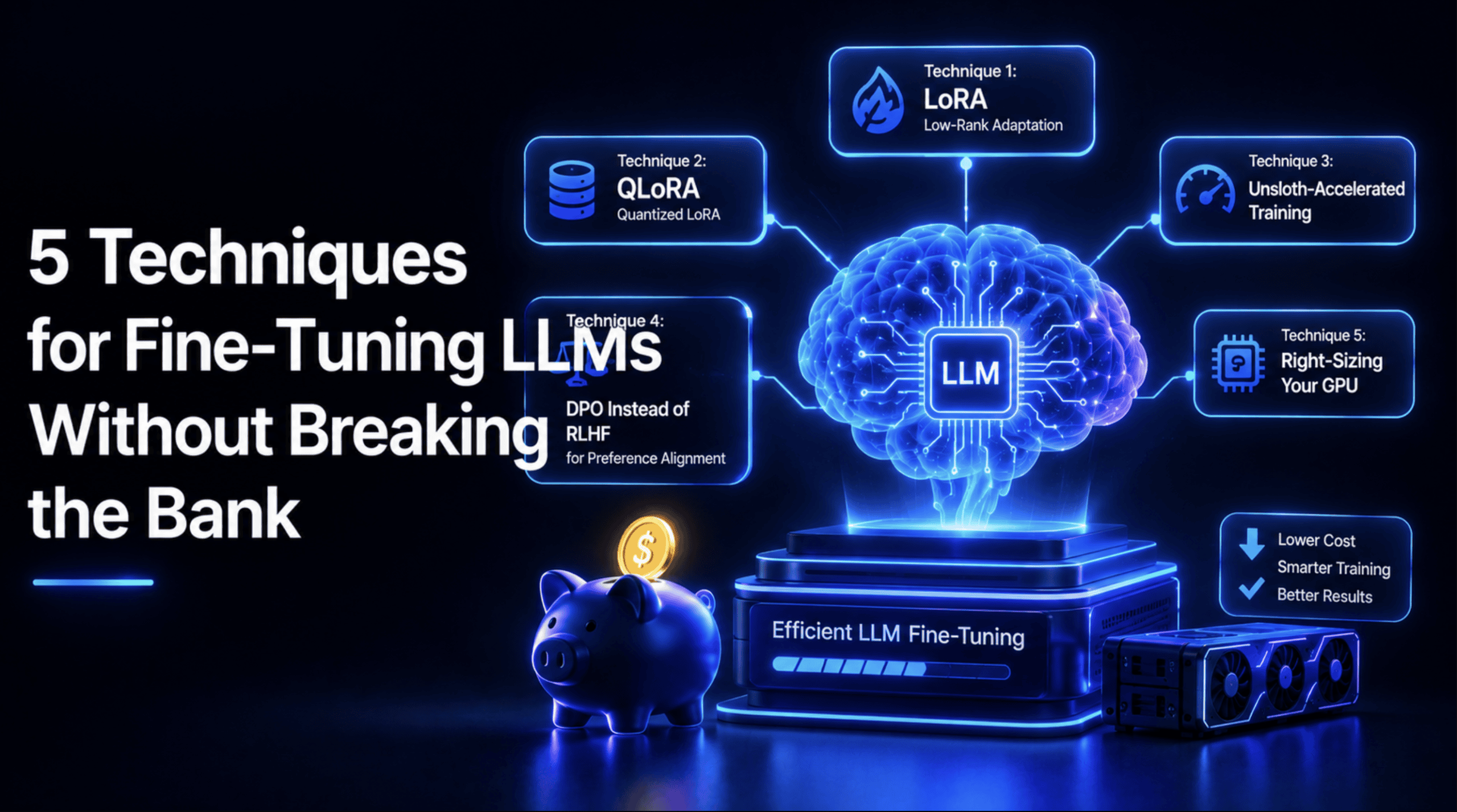
Fine-Tune LLMs on a Budget With These Five Practical Techniques
Fine-tuning large language models doesn't have to drain your budget. Techniques like LoRA, QLoRA, and Unsloth make it accessible, and this guide delivers working code for each approach, from right-sizing your GPU to leveraging DPO. We appreciate practical, no-hype advice that actually helps you build. If you're curious how similar resourcefulness applies to generating images from scratch, our piece *Building an Image Generator From Scratch on a Home Rig* explores that territory too.
Five Docker Containers That Power a Practical Home AI Lab
Setting up a home AI lab sounds complex, but five Docker containers make it practical. Ollama runs local models, Open WebUI gives them a chat interface, Qdrant handles vector search, n8n automates workflows, and Portainer CE keeps everything manageable. The first mistake? Installing them all without understanding each container's single job. Start with one, learn its purpose, then add the next. For deeper context on how AI tools investigate real problems, explore our coverage of Datadog's Scout.
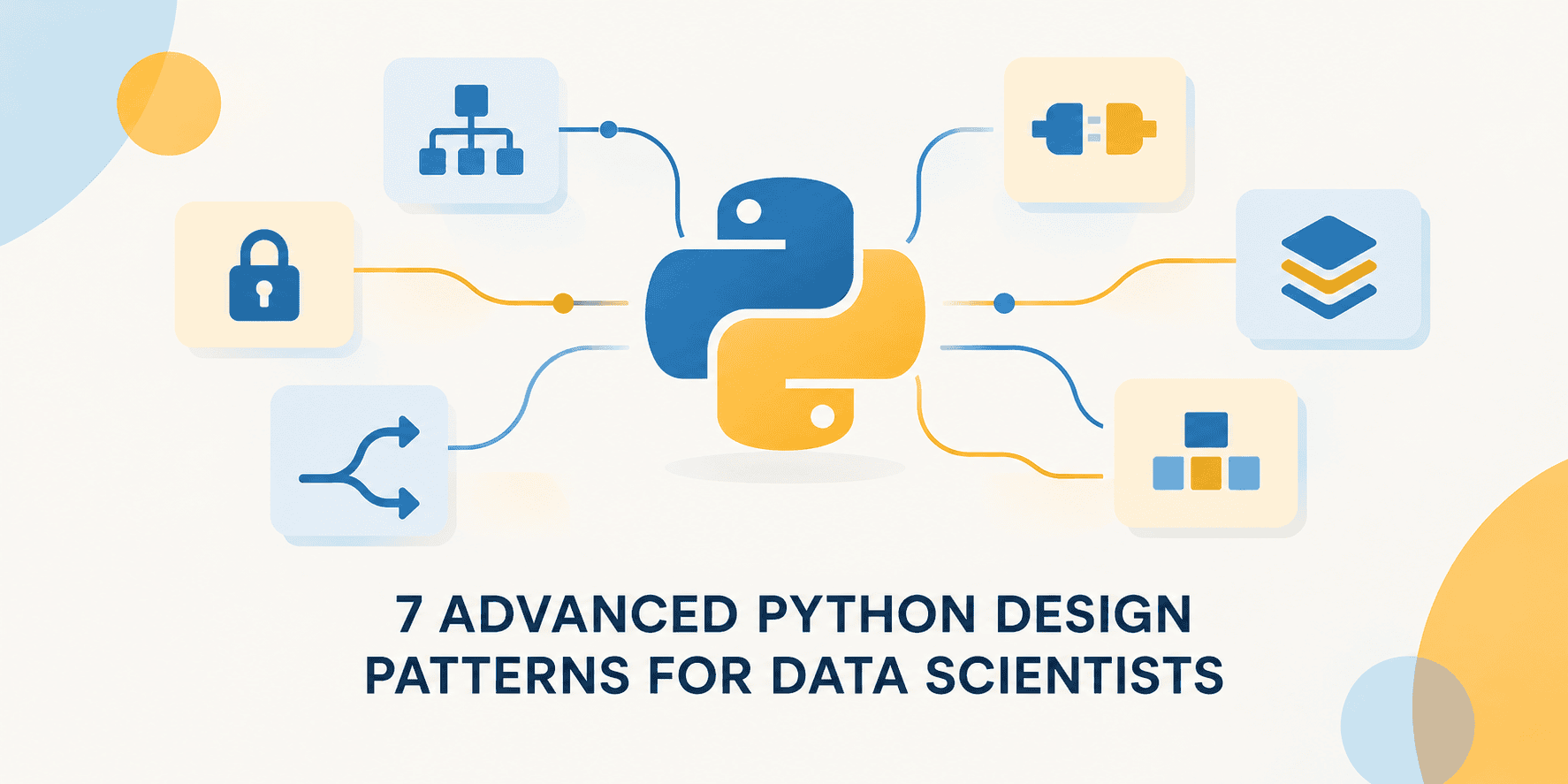
Seven Python Patterns That Sharpen Data Science Code
Seven design patterns, Strategy, Adapter, Command, Proxy, each mapped to the pressure it solves, the Python shape it takes, and the caveat that keeps it honest. This isn't abstract theory. It's practical architecture for data science code that needs to scale without breaking. If you've already seen how Python 3.15's new profiler uncovers hidden bottlenecks, this is the natural next step: patterns that turn those insights into resilient, maintainable workflows.

Explore an AI Agent's Inner Workings Through Interactive 3D Visualization
Peeking inside an AI agent usually means staring at a black box. This interactive 3D visualization changes that, letting you explore the agent's inner workings directly. It's a practical way to understand the machinery behind the outputs. For a deeper look at the reliability challenges these systems face, our piece on applying proven reliability metrics to measure whether AI agents truly perform offers a natural next step.
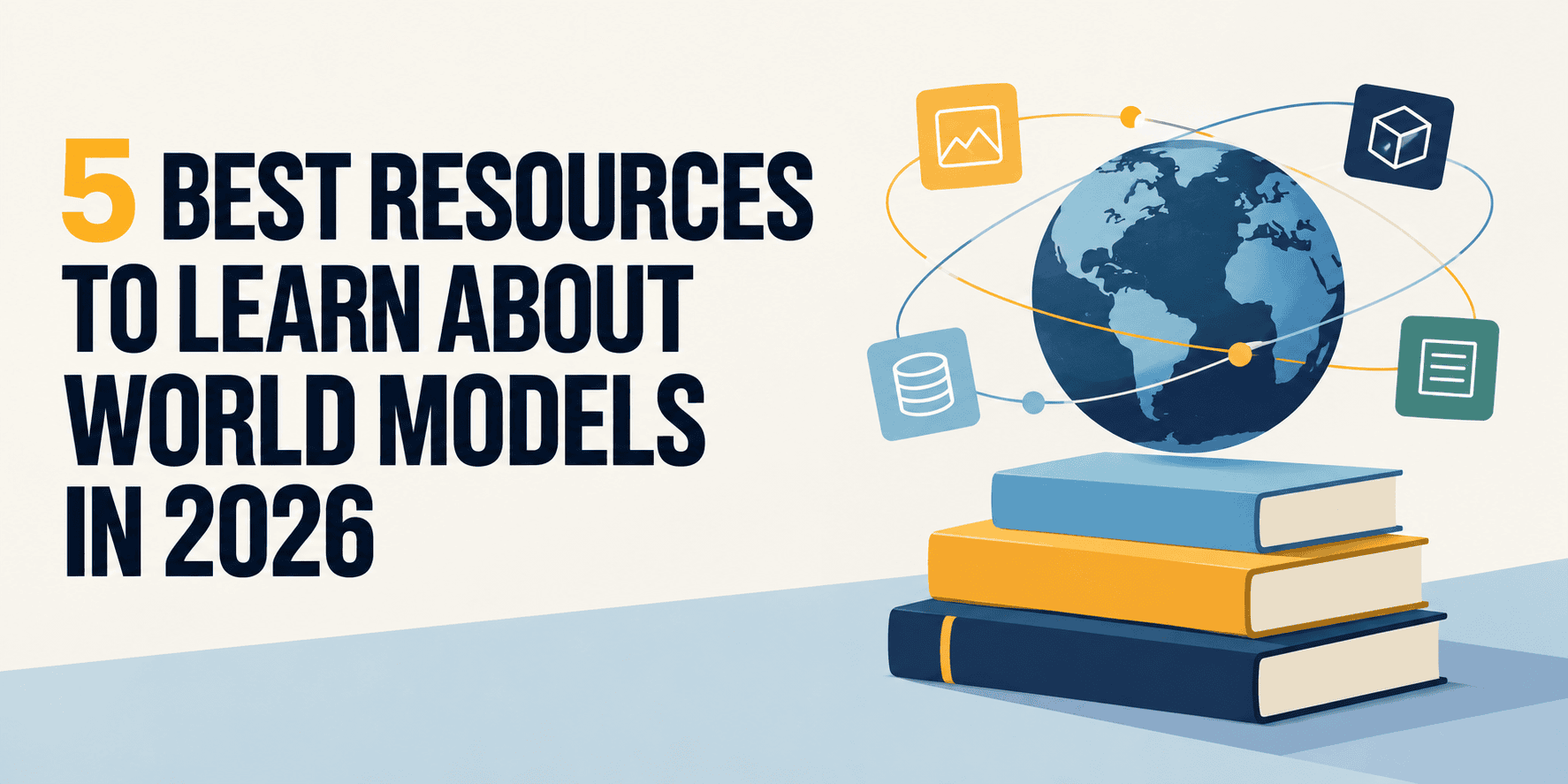
Explore how world models are shaping the next evolution of AI
World models are reshaping what AI can do, not by processing data faster, but by building internal representations of how systems behave. This shift moves beyond pattern matching toward genuine reasoning. For data scientists already navigating the gap between notebooks and production, the implications are immediate. Our guide, *From Notebooks to Production A Practical Guide for Data Scientists*, explores that exact challenge. World models don't just promise smarter AI; they promise AI that understands context. Explore what that means for your workflows.

Siri now learns your default music app, so you can skip saying Spotify
Siri now learns your default music app, so you can finally stop specifying "on Spotify" every time you ask for a song. This small shift removes friction from a daily habit, making voice commands feel more natural. AI should adapt to how you already work, not force you to memorize commands. Our recent coverage of Gabe & Co.'s ambient listening bet explored that very promise: AI that anticipates your needs instead of waiting for instructions.
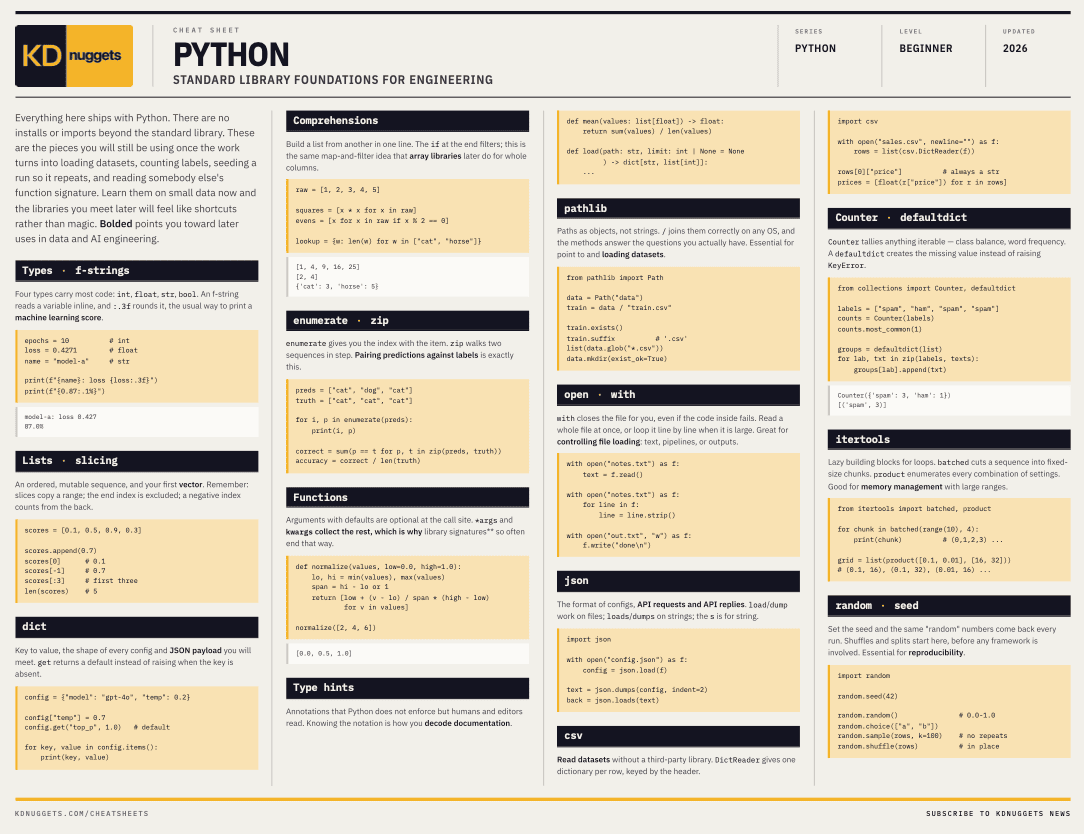
Build Your Python Foundation With This Essential Engineering Cheat Sheet
Python's staying power isn't in the latest framework, it's in the fundamentals that frameworks are built on. This cheat sheet captures the core engineering concepts that survive library churn. Keep it close, because these are the tools you'll reach for again and again. For a deeper look at how Python powers modern workflows, our piece on building interactive dashboards with Marimo's reactive notebooks shows those principles in action.
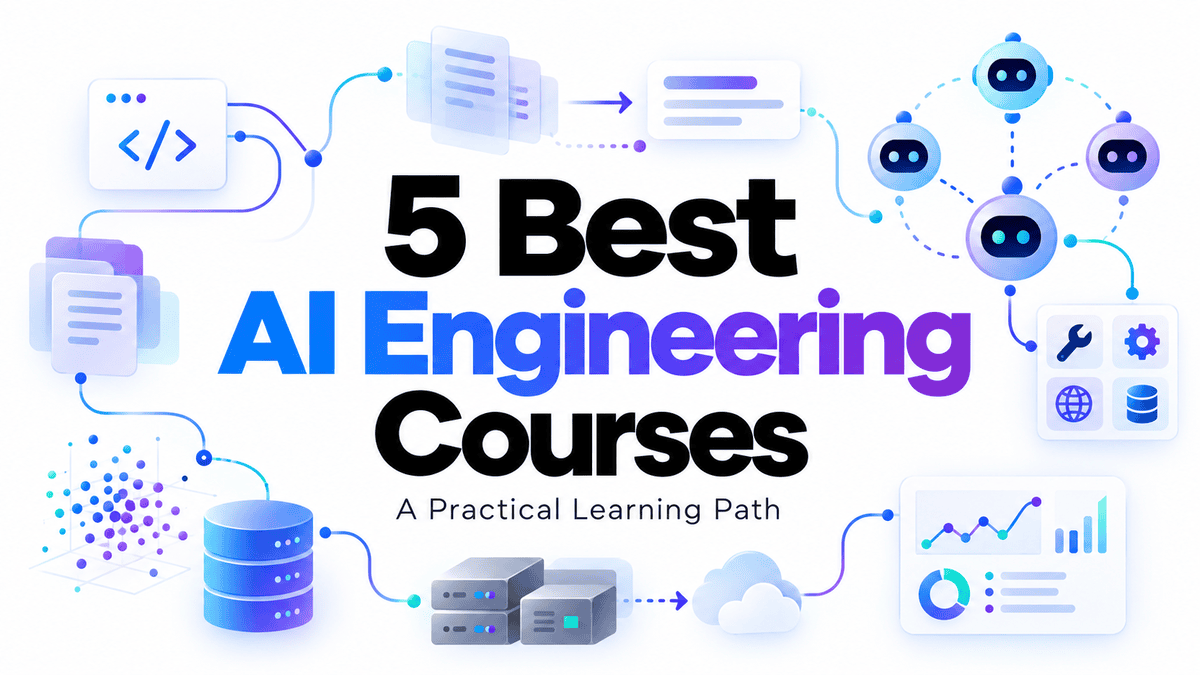
Explore five free courses to build practical AI engineering skills
Practical AI skills shouldn't require a computer science degree to access. That's why these five free courses focus on the fundamentals that actually matter: LLM basics, RAG, MLOps, fine-tuning, and deployment. Each one is built to move you from understanding concepts to applying them in real workflows. If you're ready to strengthen your engineering toolkit, start exploring. And for a broader view of where AI infrastructure is heading, our coverage of Python Workers going live offers useful context.
Find Your Next AI Project and Contribute with Purpose
Finding your footing in deep learning takes more than coursework; it takes real-world reps. This user gets that. Their offer to join an active project shows a practical understanding that skills grow fastest when they're tested collaboratively. It's a smart, humble approach. For anyone building AI/ML systems, a contributor who is both eager and self-aware is a rare asset. We hope they find the right team. For more on tackling complex data challenges, exploring the Forrester function might be a useful next step.