Microsoft
Beyond Market Intelligence keeps Microsoft in one place: 56 stories so far. The section currently leads with “Two major newspapers sue AI firms over use of journalism for training.”, “Navigate Microsoft Fabric with confidence and purpose, not panic.”, and “Azure Repos code reviews now billed per review with five-concurrency limit”. Two more major newsrooms are taking their fight to OpenAI and Microsoft. Power BI Premium's retirement isn't a crisis; it's a handoff. Acme AI is the next-generation, AI-powered spreadsheet platform built to replace Excel and redefine how analysts, data scientists, and enterprise teams work… The list below is every Microsoft story on Beyond Market Intelligence, newest first.

Two major newspapers sue AI firms over use of journalism for training.
Two more major newsrooms are taking their fight to OpenAI and Microsoft. The Seattle Times and Newsday now allege their journalism was used to train AI systems without permission. It's a familiar dispute, but the stakes keep climbing as more publishers demand accountability for how their work fuels these models. For anyone watching AI's rapid adoption, this is where the rubber meets the road. If you want to understand how these systems actually learn, explore our piece on real-world computer vision deployments.
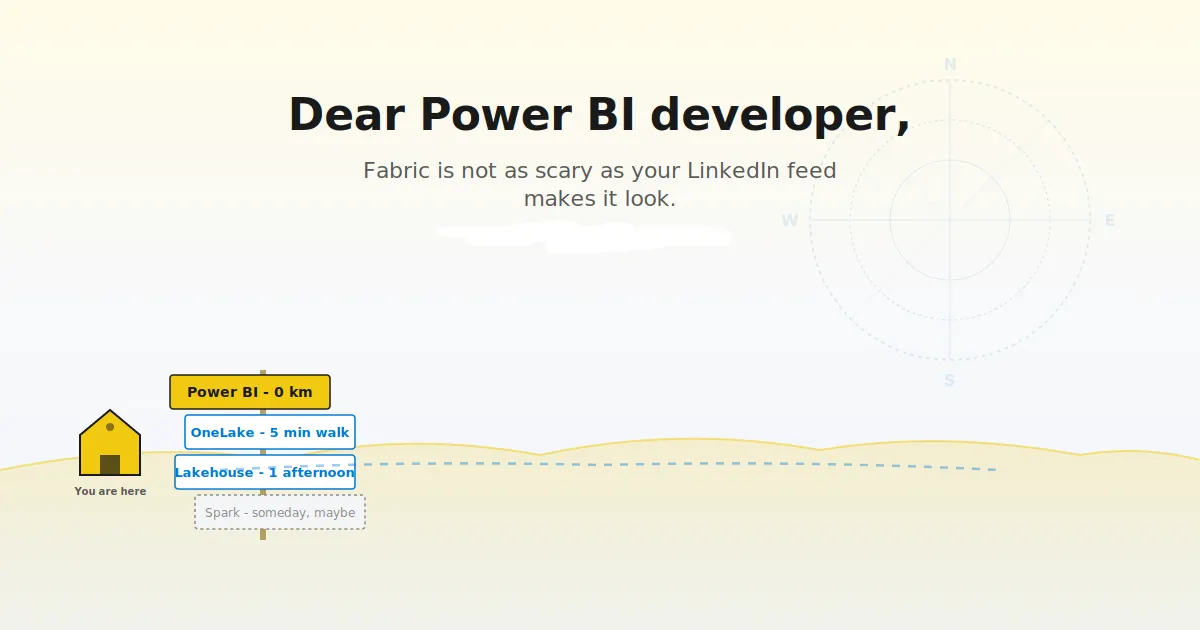
Navigate Microsoft Fabric with confidence and purpose, not panic.
Power BI Premium's retirement isn't a crisis; it's a handoff. For developers, Microsoft Fabric changes the ground rules, but not the core craft. This guide cuts through the noise, separating what truly shifts in your workflow from what stays comfortably familiar. It's a practical starting point for those who'd rather adapt with clarity than react with alarm. For a deeper look at how structured thinking applies elsewhere, explore our piece on how LLMs navigate token space. The takeaway?

Azure Repos code reviews now billed per review with five-concurrency limit
Microsoft has opened GitHub Copilot code review for Azure Repos to all Azure DevOps customers, acknowledging that many teams aren't ready to leave for GitHub. That's a practical move, one that meets users where they are. Reviews bill per use through your linked Azure subscription, with costs showing up in Cost Management two days later. Budgets alert you but won't halt reviews, and concurrency caps at five per organization. It's a straightforward, usage-based approach.

Microsoft tests a fix for Outlook email delays and failures
Microsoft is now testing a fix for the latest Outlook outage, a welcome move for anyone who has spent the last hours staring at a stalled outbox. Email delays and failures are more than an inconvenience; they disrupt the flow of work itself. We appreciate a company that acknowledges the problem and moves quickly toward a solution. While the testing phase offers hope, the real proof will be in the restoration of stable service.

A billion-dollar bet on AI chips signals a shift in infrastructure strategy.
Lambda just borrowed $1 billion to buy more Nvidia chips, leasing them to Microsoft. That is a heavy bet, and it signals how capital-hungry the AI boom has become. We are watching a pattern here: the infrastructure race is not slowing down, and the cost of entry keeps climbing. For teams exploring AI-native tools, the takeaway is practical. This is not about hype; it is about who can sustain the buildout. Meanwhile, our coverage of Nscale's $3.36B raise shows a similar appetite for scale.

Balancing Automated Node Efficiency with Application Availability in AKS
Azure Kubernetes Service users juggling node consolidation with application uptime now have clearer guardrails. Microsoft's new NAP guidance targets that exact tension, helping platform teams automate scaling without sacrificing availability. It's a practical step toward predictable disruption, not a promise of perfection. The efficiency gains are real, but so are the risks of aggressive consolidation. For teams exploring broader AI-driven workflow automation, our guide, *Unlock ChatGPT for Work*, offers a useful parallel in balancing automation with control.
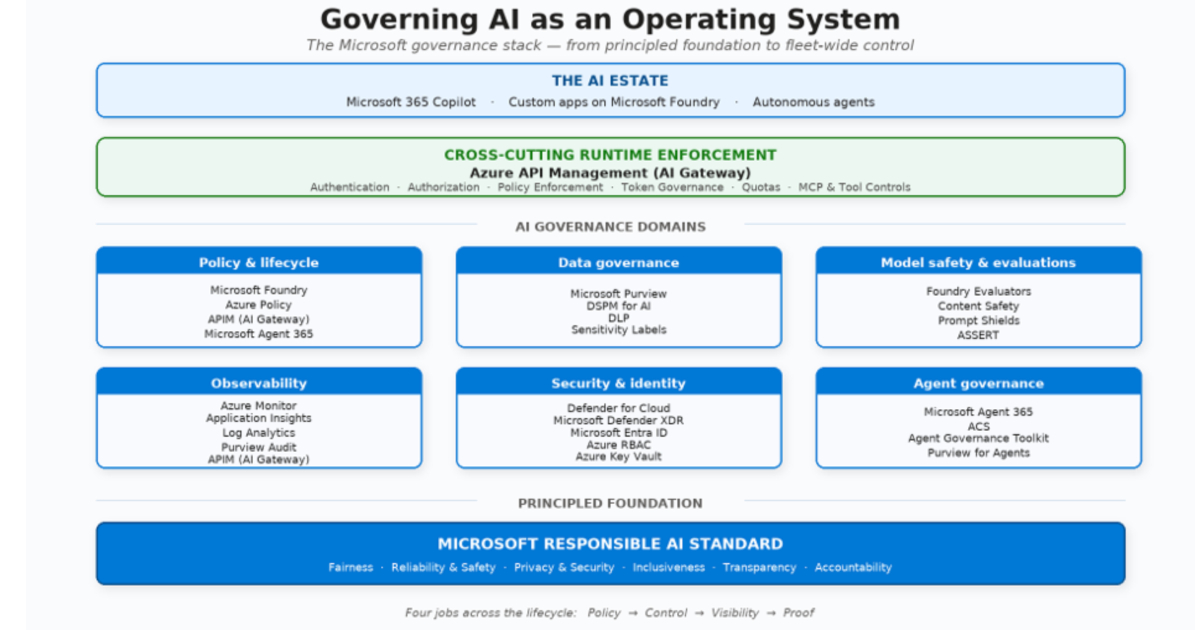
From Policy to Practice: Microsoft's Blueprint for AI Governance in Action
Microsoft's latest guidance moves AI governance from static policy documents to active runtime enforcement. By mapping nine governance domains across policy, control, visibility, and proof, the company connects intent with live execution. That matters because production AI demands continuous evaluation, not just upfront checks. It's a practical step toward verifiable accountability, and it pairs well with our coverage of observability in testing, like Grafana's approach to monitoring Cypress suites. Governance is becoming operational, and that's a shift worth watching closely.
From Research Internship to FAANG Career: Your Data Strategy Starts Here
A research internship at MSR carries real weight, and it's a signal you should leverage deliberately. The quality of work there is consistently rigorous, and the exposure to applied scientists gives you a direct line to how FAANG teams frame problems. That experience will translate well when you move internally at Amazon, especially if you align your project work with their applied science priorities. Pair it with the practical guidance in *Unlock LLM Training* to deepen your technical fluency.

Explore how Aspire 13.5 refines your workflow with smarter tools and clarity.
Last week's release of Aspire 13.5 feels less like a routine patch and more like a deliberate step toward a smoother developer experience. The refreshed dashboard and aspire.dev homepage are welcome, but the real value sits in the details: file imports and progress dialogs in the Interaction Service, interactive terminals for resources, and Kubernetes persistent volumes with cross-scope Azure references in deployment. These aren't flashy additions. They're practical, quality-of-life improvements that reduce friction.
Microsoft retires COPILOT function while keeping its Copilot feature alive
Microsoft's decision to retire the COPILOT worksheet function on 14 September is striking, precisely because the company rarely abandons backward compatibility. The Copilot feature itself remains, so this isn't a retreat from AI assistance. It's a targeted removal of a function that likely saw limited, awkward adoption. Have you used it? If so, for what? I'm curious whether anyone genuinely relied on it, or if it was always a novelty.
Discover how AI can simplify your data refresh workflows across platforms
You've already got the right script in place, `workbook.refreshAllDataConnections()` proves the logic works. The missing piece is triggering it consistently through Power Automate, and that means pairing your OfficeScript with a simple flow action. Since your table's background refresh is off, the script handles the heavy lifting; just call it via the "Run script" action after a file open or on a schedule. It's a clean workaround that turns manual refreshes into a hands-off process.
Explore what .NET 11 Preview 7 unlocks for your next project
Microsoft's .NET 11 Preview 7 lands with a steady hand across C#, ASP.NET Core, EF Core, and Windows Forms. C# introduces labeled break and continue, while ASP.NET Core adds Blazor circuit pausing and built-in validation localization. Windows Forms steps forward with an opt-in modern rendering pipeline, and EF Core now supports Half types on SQLite. These updates feel less about spectacle and more about smoothing daily workflows. For those tracking broader developer momentum, our piece on AI-powered spreadsheets and enterprise funding offers useful context.

.NET 11 Preview 7 brings passkeys and smarter Hot Reload to MAUI
.NET 11 Preview 7 brings a meaningful step forward for .NET MAUI, with cross-platform passkey support and a rebuilt incremental XAML Hot Reload that should make daily development feel noticeably smoother. Shell route templates and AOT-safe bindings round out a release focused on practical workflow gains. The continued shift from renderers to handlers signals steady architectural maturity. For developers tired of context-switching between platforms, this preview offers tangible reasons to explore what MAUI can do now.
Discover how to update your Excel version with simple, guided steps.
Updating Excel for the first time can feel like a maze, but it's simpler than you think. You don't need to hunt for downloads or risk sketchy sites. Open Excel, head to File, then Account, and hit Update Options. That's your direct line to the latest version, straight from Microsoft. We've seen how AI tools are transforming data work, like in our piece on AI-powered spreadsheets empowering enterprises. Start there, and you'll be current in minutes.

Microsoft refines Copilot by merging apps and removing underused AI tools
Microsoft is streamlining Copilot by merging its consumer and business apps, a move that signals a pragmatic shift away from features like AI-generated podcasts and Group Chats. It's refreshing to see a company admit when something doesn't stick. This isn't about chasing hype; it's about focusing on what actually helps people work. For those of us still questioning the value of these tools, the decision feels like a step toward clarity.

Security researcher releases Windows exploit despite Microsoft legal threat
Microsoft's legal threats didn't stop Nightmare Eclipse. The security researcher just published another Windows zero-day, directly defying public pressure from the company. That takes nerve, and it's exactly the kind of friction that keeps users informed about real risks. When vendors lean on lawyers instead of fixes, researchers often push back harder. If you're tracking how data exposure unfolds elsewhere, our piece on AI agents sharing user images offers a useful parallel. For now, watch this space; the researcher is clearly not backing down.

CosmosEscape exposed a shared responsibility gap that demands closer attention.
Wiz Research uncovered CosmosEscape, a chain that slipped past Azure Cosmos DB's Gremlin sandbox and reached a platform-wide key with read and write access to every database on the service. Microsoft closed the entry point in two days, yet the key lingered until July 2026. That timeline raises real questions about shared responsibility and what removing it actually cost. Practitioners are right to debate whether the rearchitecture delivered enough value, or if faster key rotation should have been table stakes.

SkiaSharp 4.0 aligns release rhythm with upstream Skia milestones
SkiaSharp 4.0 is setting a new rhythm for the project. With the release of versions 4.148.0 and 4.150.0, Microsoft and the Uno Platform are now syncing their package versions directly with upstream Skia milestones. That's a practical move. It gives developers a clearer, more predictable path forward, and the 4.151.0 prerelease shows the cadence is already holding. This isn't just about version numbers; it's about making progress easier to track and adopt.

Microsoft's Agent Framework moves from build to governed runtime.
Microsoft's Agent Framework just grew up. At Build 2026, the company shipped a supported runtime with the Agent Harness, GitHub Copilot and Claude Agent SDK connectors, and stable orchestration patterns. Now, with the harness and Foundry Hosted Agents at general availability, the focus shifts from building agents to running them under governance. That is a meaningful transition. For a deeper look at how these pieces fit together, explore our piece on architecting agent harnesses for financial efficiency.

AI tools help Google patch more Chrome bugs in a single month
Google says AI helped it fix more Chrome bugs in June than in the prior two years combined. That is a striking signal, not just about volume, but about how quickly large language models are reshaping the mundane work of security. For two years, experts have warned this day was coming. It is here. The shift is practical, not theoretical. If you are curious how AI is changing the tools you rely on daily, this is worth exploring.
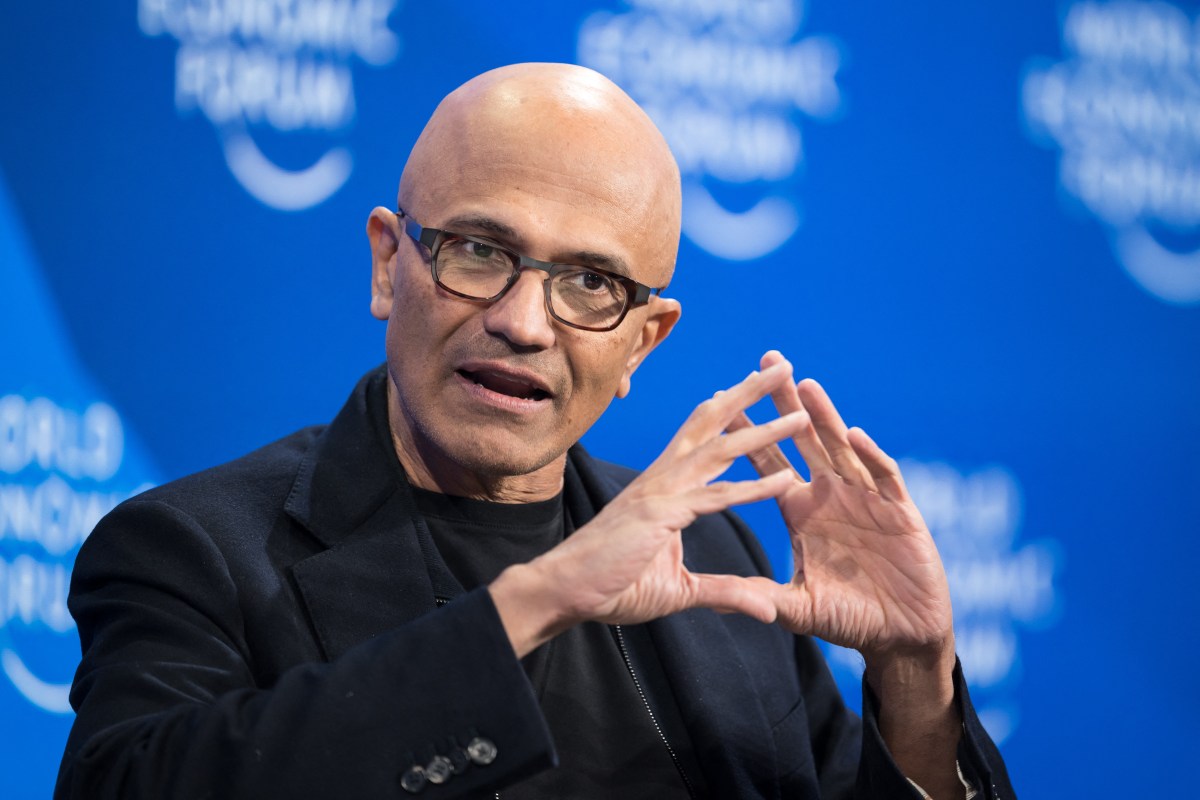
Microsoft signals its own AI future beyond partner models
Microsoft is openly stepping into the ring with OpenAI and Anthropic, pitching its own homegrown AI models and a Mythos competitor to Wall Street on Wednesday. It's a bold signal that the company intends to keep growing on its own terms. That kind of confidence is worth watching, especially as users weigh which tools truly serve them. If you're questioning how much to trust this AI push, our piece on talking to an AI clone offers a thoughtful counterpoint worth exploring.
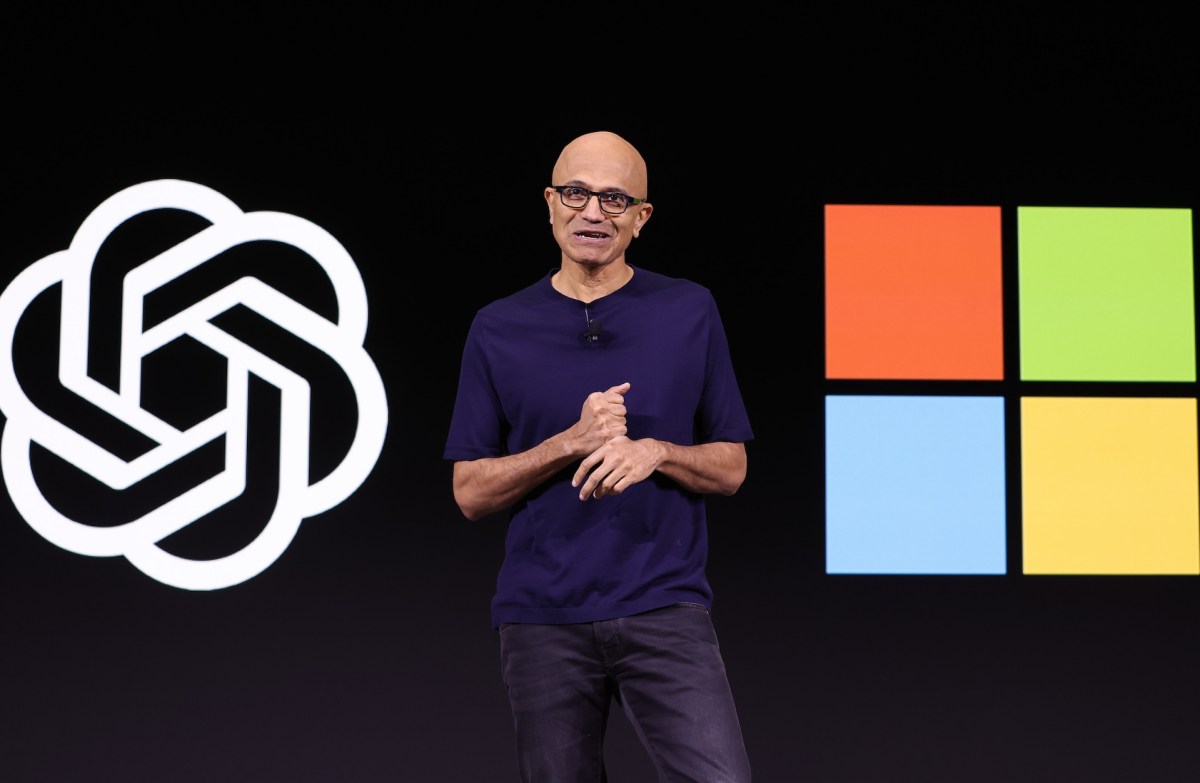
Microsoft's AI bets yield $3.2B from Anthropic as OpenAI returns prove mixed
Microsoft's fiscal 2026 fourth-quarter earnings carried a telling detail: its $3.2 billion gain from Anthropic's investment stands in sharp contrast to OpenAI's mixed results. That divergence says less about the technology and more about how differently two AI leaders can perform under the same corporate umbrella. It's a reminder that even giants don't get every bet right.

Microsoft's three-layer architecture clarifies AI agent routing on AKS
Microsoft's new reference architecture for routing agent traffic on Azure Kubernetes Service tackles a practical headache: deciding which model answers a call, how that call is managed, and which GPU replica handles it. It's a clear-eyed breakdown of a messy problem. That kind of clarity matters, especially when AI feels like a black box.

.NET 11 Preview 6 refines MAUI performance and Android Shell reliability
.NET 11 Preview 6 brings tangible progress to .NET MAUI, with the next-generation CollectionView landing on Windows and Android Shell moving closer to the handler model. These aren't flashy changes; they're the architectural groundwork that makes cross-platform development feel less like a compromise. Native AOT compatibility also improves, and interrupted media-picker operations now recover gracefully. It's a steady, practical release that rewards developers who value reliability over hype.