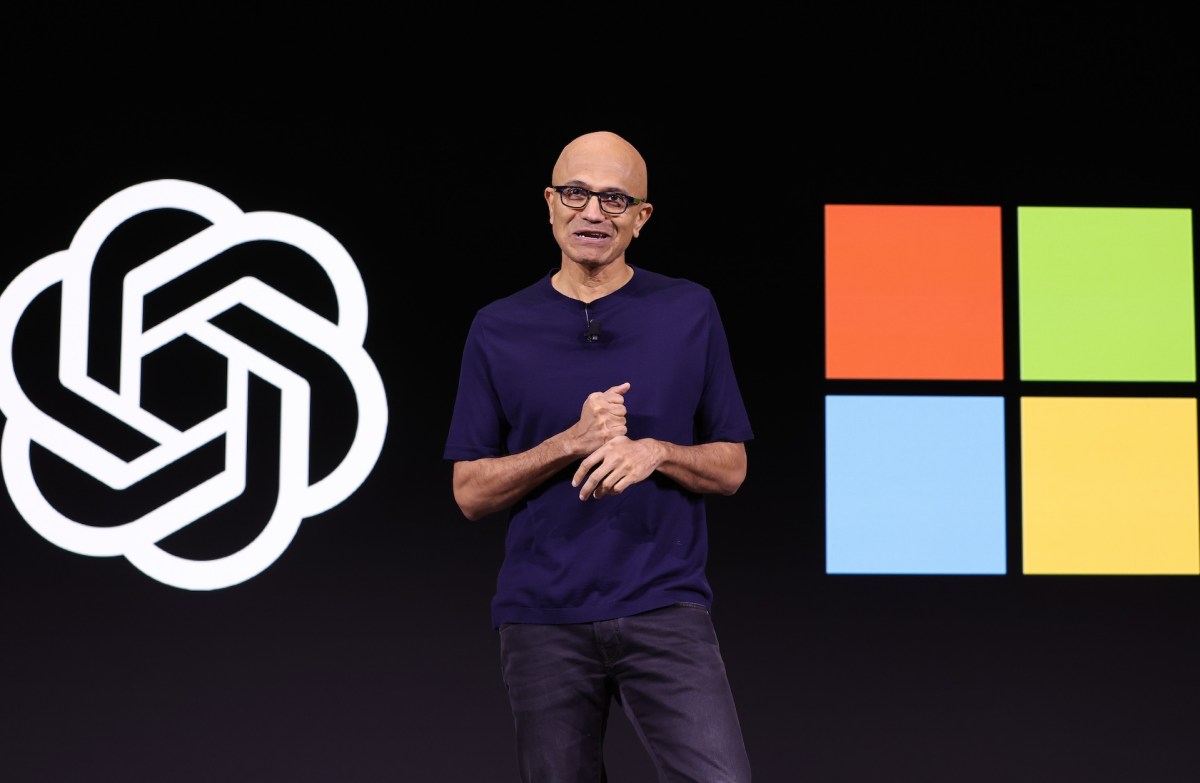
Microsoft's fiscal 2026 fourth-quarter earnings carried a quiet confession: its bet on Anthropic is now worth $3.2 billion, while OpenAI remains a mixed bag. That single line tells you more about the state of enterprise AI than any product launch ever could. The company isn't just hedging its bets. It's signaling that the future of data work won't be won by any single lab, but by whoever can make AI feel less like a magic trick and more like a dependable tool.
For spreadsheet users, this is the story that matters. Most people don't care which lab's model powers their pivot tables. They care whether the tool catches a formula error before it costs them a quarter. Microsoft's numbers suggest that even the biggest player in productivity software can't afford to put all its weight behind one partner. That's not a failure. It's a recognition that the AI Expands the Data Scientist Role Beyond Speed and Productivity conversation is shifting from raw capability to practical judgment. The value isn't in who has the biggest model. It's in who can turn that model into fewer mistakes, clearer insights, and less busywork.
This also explains why Microsoft is spreading its chips across two competing labs. A mixed result from OpenAI isn't a red flag. It's a reminder that no single vendor should own your entire data strategy. The same logic applies to you. If you're building workflows around a single AI assistant, you're repeating the same mistake as the old guard that stuck with one spreadsheet vendor for decades. The smarter move is to keep your data portable and your tools interchangeable. That way, when the next model arrives, you're not rebuilding your processes. You're just upgrading the engine.
There's a parallel here to the OpenAI moves to strengthen AI oversight after Australian site access issue story. Oversight isn't just a compliance checkbox. It's a feature that determines whether you trust the output enough to act on it. Microsoft's willingness to invest in both sides of the aisle suggests it understands that trust is a competitive advantage, not a cost center. And if you're still relying on a single AI vendor for critical decisions, you're exposed to that vendor's blind spots. Diversification isn't just for stock portfolios. It's for your data stack too.
The takeaway is straightforward: watch how Microsoft allocates its next round of AI investment, not because it predicts the next big model, but because it tells you where the industry thinks the real value lies. If the company keeps doubling down on both labs, it's admitting that the race is still early. If it starts tilting toward one, you'll know which approach is proving more reliable in production. Either way, your job isn't to pick a winner. It's to make sure your own systems can adapt when the market shifts. That means building spreadsheets that are transparent, formulas you can audit, and workflows that don't hinge on one vendor's API staying cheap. The $3.2 billion question isn't whether Anthropic was a good investment. It's whether you're preparing for a future where your tools change as fast as the models behind them.