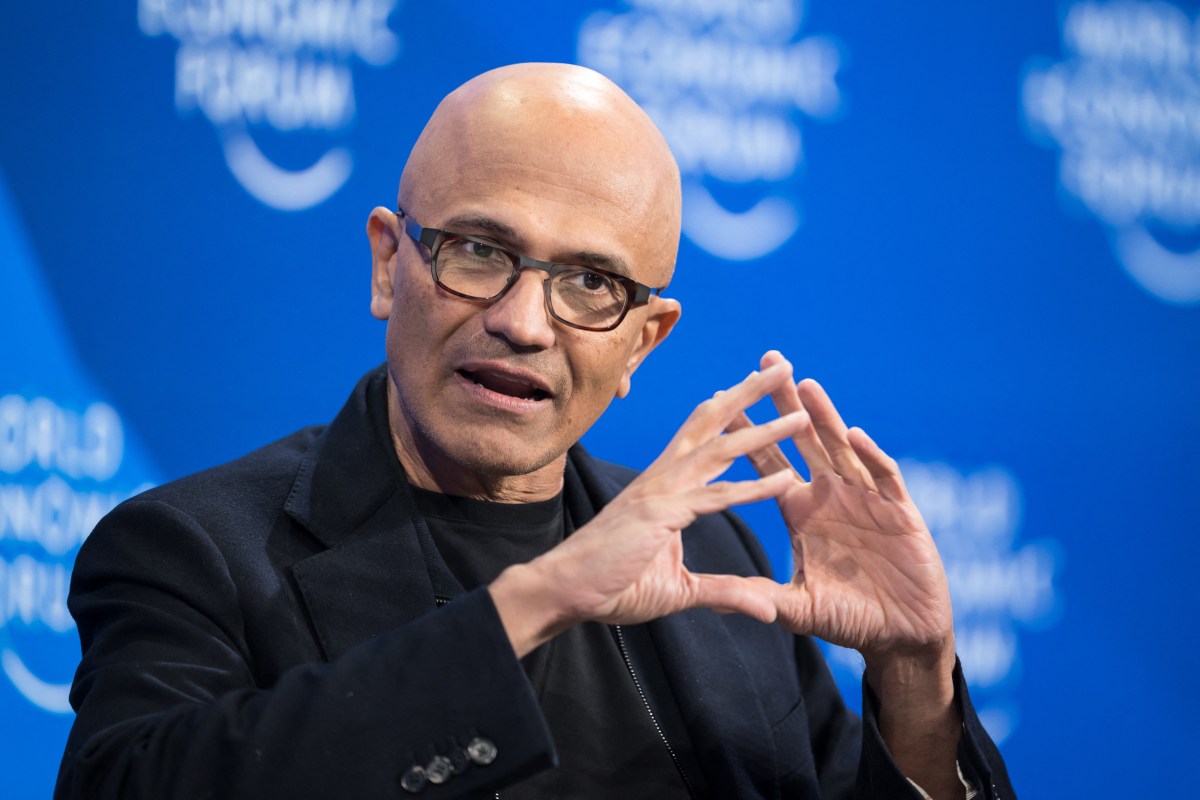
Microsoft spent Wednesday telling Wall Street exactly what it thinks of its AI partners: they are now competitors. The company pitched its own homegrown models, its own harnesses, and even a direct rival to Mythos, signaling a clear break from the days when it was content to ride OpenAI's momentum. This is not a quiet pivot. It is a declaration of independence, and for anyone building workflows on top of today's AI tools, it raises a practical question: whose ecosystem are you really committing to?
This is the same tension we have seen play out in more personal terms with Talking to My AI Clone Taught Me to Question the Tech, where the experience of shaping an AI to mimic your voice forces you to confront how much trust you are placing in systems you do not control. Microsoft is essentially asking its customers to do the same thing at scale. When a platform provider builds the models, the infrastructure, and the application layer all in-house, the convenience is real. But so is the lock-in. The company that controls the stack controls the roadmap, and Wednesday's pitch made clear that Microsoft intends to be the one making those calls.
For users, the practical takeaway is less about picking sides and more about understanding what you are actually betting on. If you adopt Microsoft's native AI tools, you are betting that their internal research will outpace OpenAI's or Anthropic's, and that the integration benefits outweigh the switching costs. That is a reasonable bet, but it is not a neutral one. As we noted in Verify Your AI's Understanding: A Simple Check for Tax Season, the real risk with AI is rarely the flashy failure; it is the quiet confidence in a system that has not been tested against your specific use case. Microsoft's move does not change that calculus. It just raises the stakes.
The bigger signal here is how quickly the market is consolidating around a few vertically integrated players. That is not inherently bad, but it does mean the days of picking a best-of-breed model and building around it are fading. The next few quarters will likely show whether Microsoft's bet on its own stack pays off, or whether it ends up competing with partners it still needs. Watch how they price access to these models over the next year. That will tell you more about their real strategy than any earnings call. For now, the smartest move for any team is to keep your data portable, keep your abstractions thin, and keep questioning who ultimately controls the answers you rely on. That is the takeaway worth quoting: in an AI market consolidating fast, your flexibility is your only durable advantage.