Netflix
Beyond Market Intelligence keeps Netflix in one place: 13 stories so far. The section currently leads with “Netflix reshapes its workforce as tech and product teams face 1,000 cuts”, “From reactive fixes to self-healing data: inside Netflix's observability knowledge graph”, and “Ben Affleck brings unexpected credibility to thoughtful AI conversations”. Netflix is cutting about 1,000 roles, with most of the impact landing on its product, tech, legal, and HR teams. Netflix processes 38 million events per second, and its engineers were tired of playing catch-up. Acme AI is the next-generation, AI-powered spreadsheet platform built to replace Excel and redefine how analysts, data scientists, and enterprise teams work… The list below is every Netflix story on Beyond Market Intelligence, newest first.
Netflix reshapes its workforce as tech and product teams face 1,000 cuts
Netflix is cutting about 1,000 roles, with most of the impact landing on its product, tech, legal, and HR teams. It's a sharp reminder that even companies building the future of entertainment are tightening their belts. The focus now shifts to how the workforce reshapes around leaner priorities. For a deeper look at how Netflix keeps its platform resilient, our piece on its observability knowledge graph offers useful context.
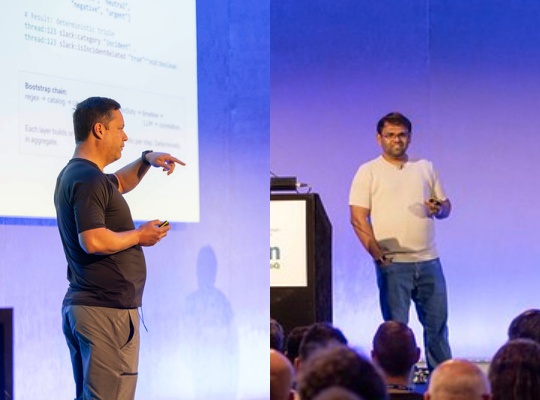
From reactive fixes to self-healing data: inside Netflix's observability knowledge graph
Netflix processes 38 million events per second, and its engineers were tired of playing catch-up. Prasanna Vijayanathan and Renzo Sanchez-Silva share how the company replaced reactive monitoring with an AI-driven operational ontology, using Claude and graph databases to unify MELT telemetry into queryable knowledge. The result is automated triaging, root-cause analysis, and systems that heal themselves. It is a practical, human-centered shift toward data that works for you.

Ben Affleck brings unexpected credibility to thoughtful AI conversations
Ben Affleck isn't just a Hollywood star who dabbles in tech on the side. He's going viral for a reason: his conversations about neural networks, transformers, and open weights reveal a genuine depth of knowledge. He sold his own AI filmmaking startup to Netflix earlier this year. That kind of experience earns credibility. It's a reminder that thoughtful voices on AI can come from unexpected places. For more on separating signal from noise, read *Three moves to stay clear-eyed when every vendor sells AI*.

A fictionalized Bankman-Fried arrives on Netflix November 19
A former crypto mogul turned convicted fraudster gets the dramatic treatment. *Fictionalized Bankman-Fried* arrives on Netflix November 19, promising a look inside a spectacular collapse. We are curious how the series balances the human story with the sheer scale of the deception. For those drawn to the mechanics of a real-world fraud, explore thousands of trial documents from the Elizabeth Holmes case.
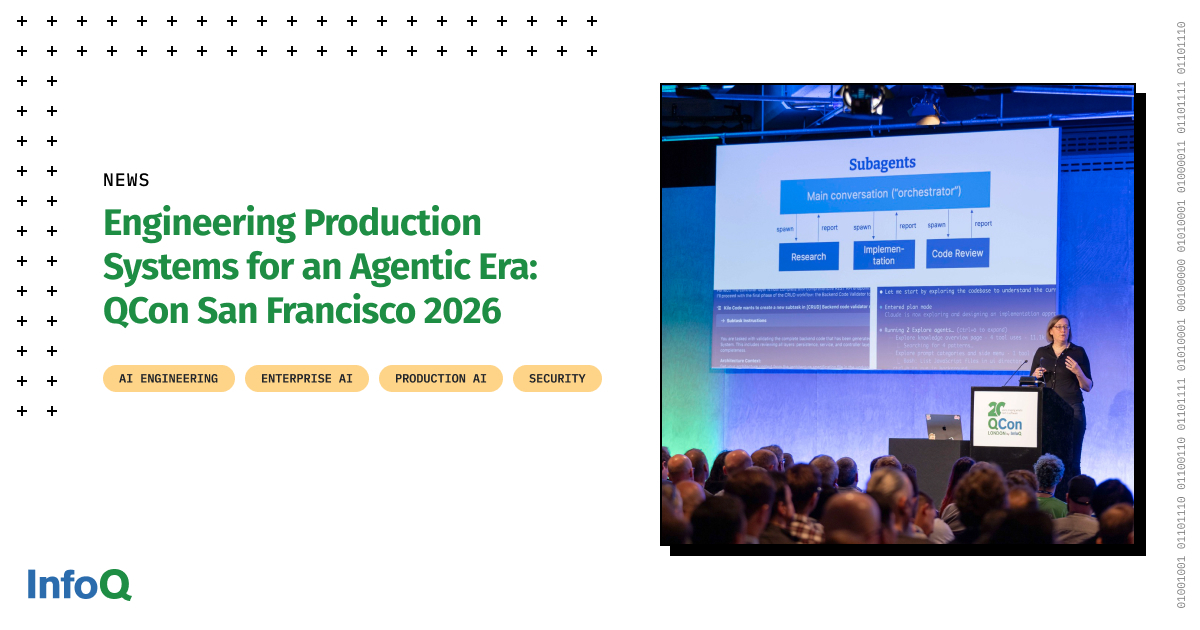
How engineering leaders are shaping production systems for an agentic future
The QCon San Francisco 2026 lineup reads like a blueprint for the next era of engineering. Airbnb, OpenAI, Netflix, and Honeycomb are sending practitioners, not visionaries, to share how they build production systems as AI agents take on more responsibility. This is not theory. It is the messy, practical work of evolving infrastructure under real load. For deeper context on the talent shifts shaping this world, see our coverage of how OpenAI parts with three researchers over data handling concerns.
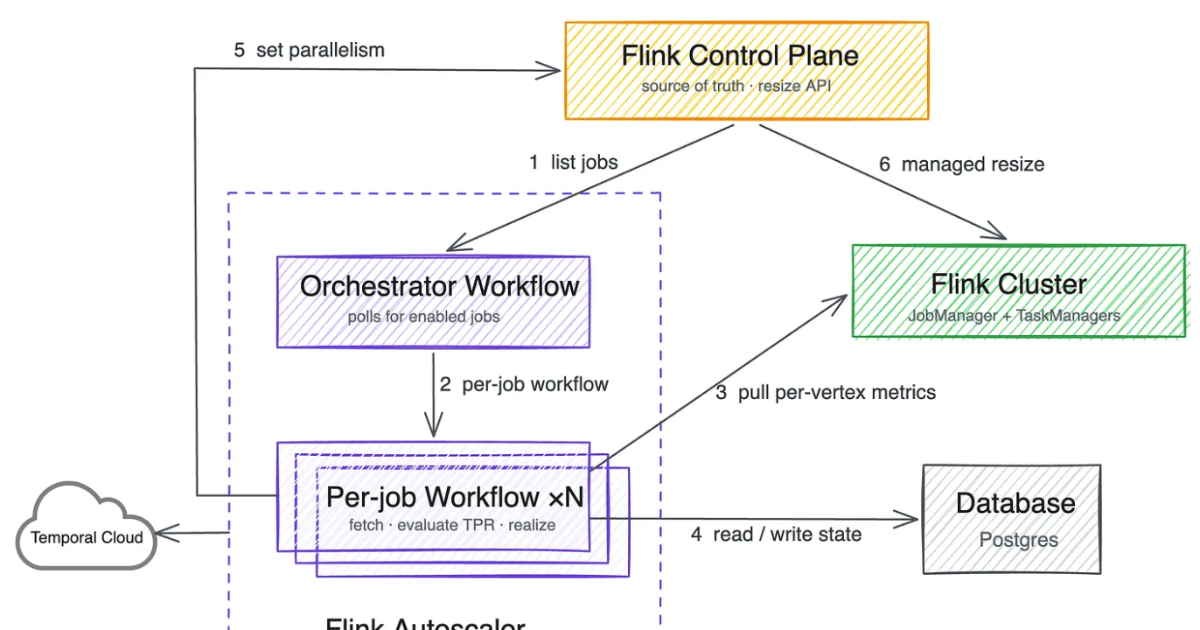
Netflix's Open Source Flink Autoscaler Cuts Streaming Costs by 58 Percent
Netflix is moving toward the open-source Apache Flink Autoscaler for more than 30,000 streaming jobs across multiple AWS regions, and the numbers make a compelling case. The operator-level approach tackles the limitations of its cluster-level autoscaler for complex, stateful pipelines. One team saw a 58% reduction in annualized Flink compute costs, saving roughly $1.1 million. That's not just incremental progress; it's a meaningful shift in how large-scale data operations can run more efficiently.
How Netflix Rebuilt Its Commerce Platform for Global Scale
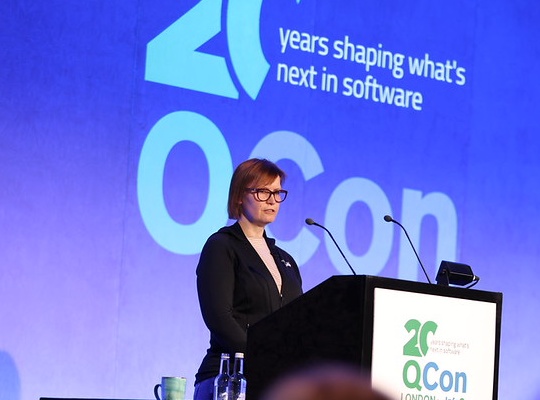
Netflix didn't become a global streaming giant by accident, and Kasia Trapszo's talk digs into the messy, deliberate work behind that evolution. She walks through the shift from a U.S. DVD service to worldwide infrastructure, tackling real-world friction like international payments and strict regulations. What stands out is her focus on decomposing monoliths along domain lines, then rebuilding for massive live events. It's a grounded look at how systems survive, not through clever hacks, but through constant, practical reinvention.

Explore how Netflix's open-source agent simplifies causal analysis workflows.
Netflix has open-sourced an agentic workflow for Observational Causal Inference that cuts through the usual grind of causal analysis. Given your data and a clear plan, the agent runs an actor-critic loop to estimate causality, draft a report, and point to next steps. It's a practical move toward making complex inference less manual. If you're exploring how agents handle structured tasks, our guide to distributed algorithms offers a useful foundation. This is the kind of tool that turns ambition into action.
Netflix Migrates Batch Workloads to Open-Source Kueue, Retiring In-House System
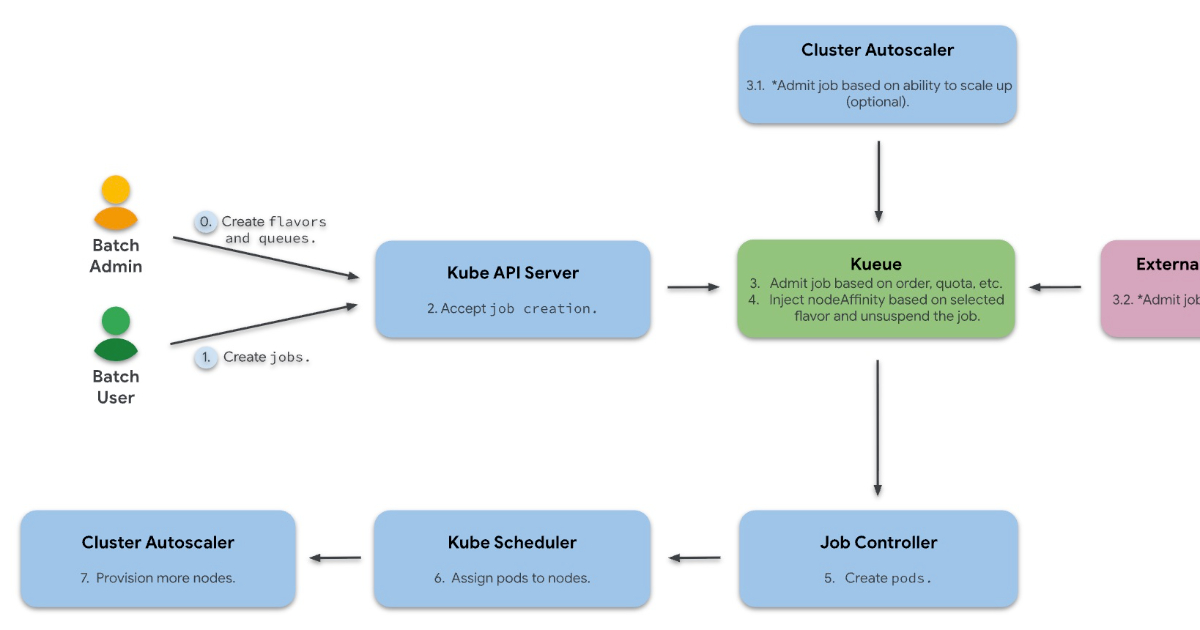
Netflix has moved most of its batch workloads onto Kueue, an open-source cloud-native job queueing system that outgrew its in-house solution. The migration wasn't just about swapping tools; it let the company map existing capabilities while gaining new features that would've been costly to build internally. That's a pragmatic win. For those tracking similar infrastructure shifts, our piece on Cloudflare's EmDash migration offers another look at how open-source adoption pays off. Kueue's trajectory suggests the future of data management is increasingly shared, not siloed.

Virtual Threads on JDK 25 Shift the Bottleneck to Your Code
JDK 24 didn't just tweak virtual threads; it moved the bottleneck. The monitor-related pinning that stalled Netflix on Java 21 is gone, but what replaces it demands more from you. Downstream-resource saturation now shifts the burden onto explicit bounding in your code. Sandeep Bharadwaj maps these failure modes with a practical sequence backed by a public benchmark. It's a grounded look at what production Java truly requires now. For a related angle on handling workload pressure, our piece on scaling sandboxes instantly pairs well here.

Netflix's blueprint for scaling LLM inference across diverse hardware
Netflix's move to detail its in-house LLM serving platform is a practical look at the messy, real-world work of scaling AI. Supporting different model sizes, juggling hardware constraints, and keeping pace with fast-moving engines like Triton and vLLM isn't glamorous, but it's essential. The company's willingness to share these production lessons offers a grounded counterpoint to the usual hype. If you're wrestling with similar trade-offs, Netflix's account is worth your time, and our related article on distributed training algorithms pairs well with it.

How AI is reshaping streaming into one unified experience
For a decade, streaming platforms carved out their own corners: music here, video there. That era is closing. As AI simplifies how we create, organize, and recommend content, those walls are dissolving. Spotify, Netflix, YouTube, and TikTok are no longer just specialists; they are racing to become universal entertainment hubs. It is a bold move toward convenience, and one that could genuinely redefine how we consume media.

Netflix's $587 million move signals a new era for AI-driven storytelling.
Ben Affleck's InterPositive just landed a $587 million cash acquisition by Netflix, and that number should make you pause. It's a bold bet on AI-driven filmmaking, one that signals Netflix isn't just streaming content; it's investing in the tools that could reshape how movies get made. We're watching a shift in production economics, and it's worth exploring. For more on how AI is rewriting creative infrastructure, check out our piece on Nscale's massive data center funding. The momentum is undeniable, and it's only accelerating.